
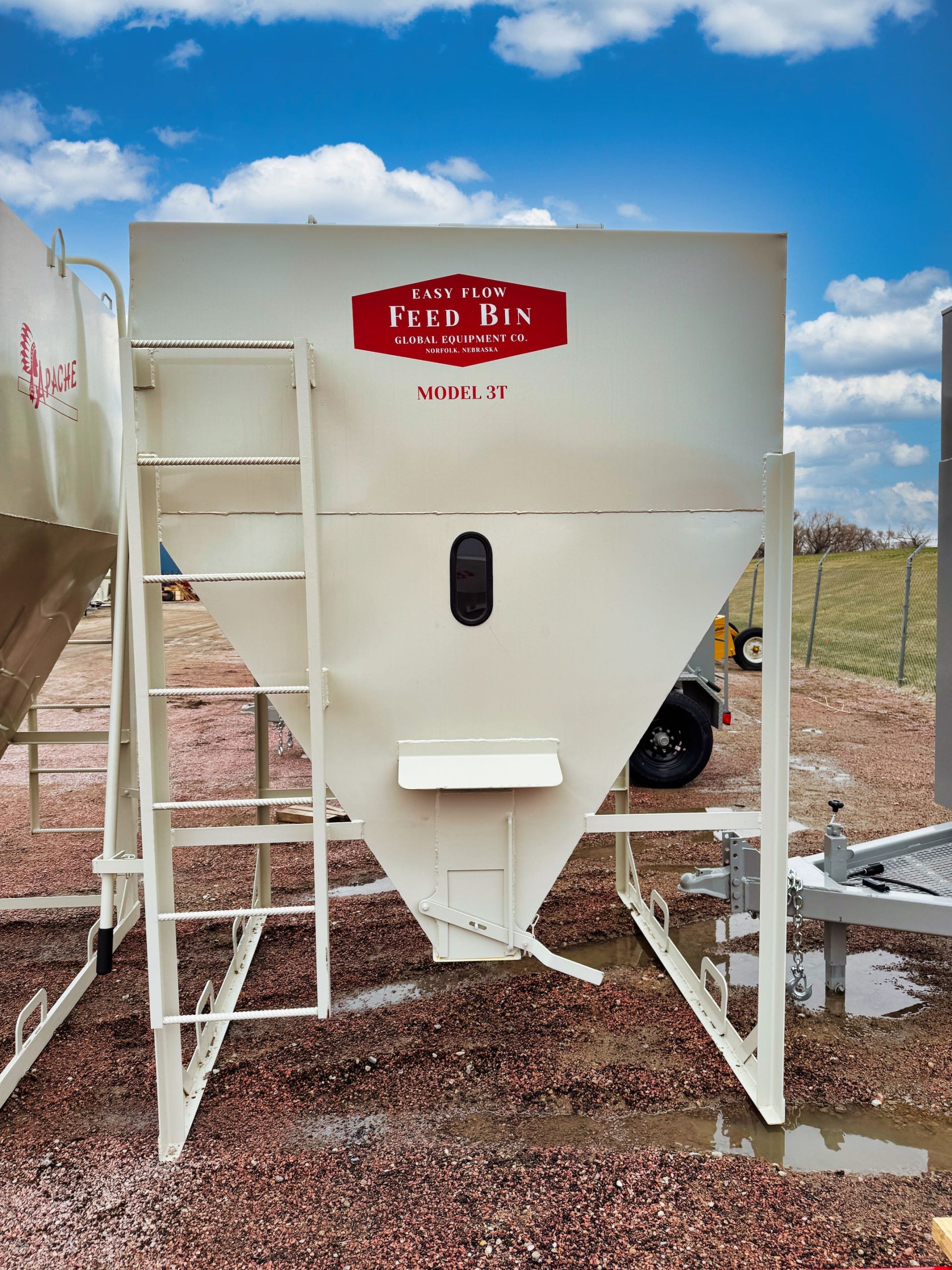
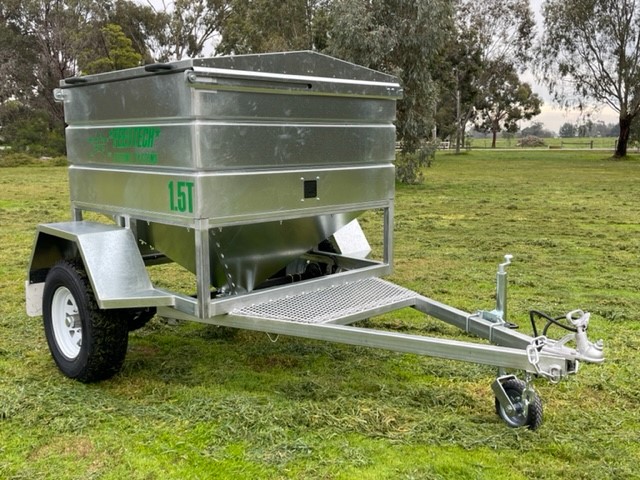
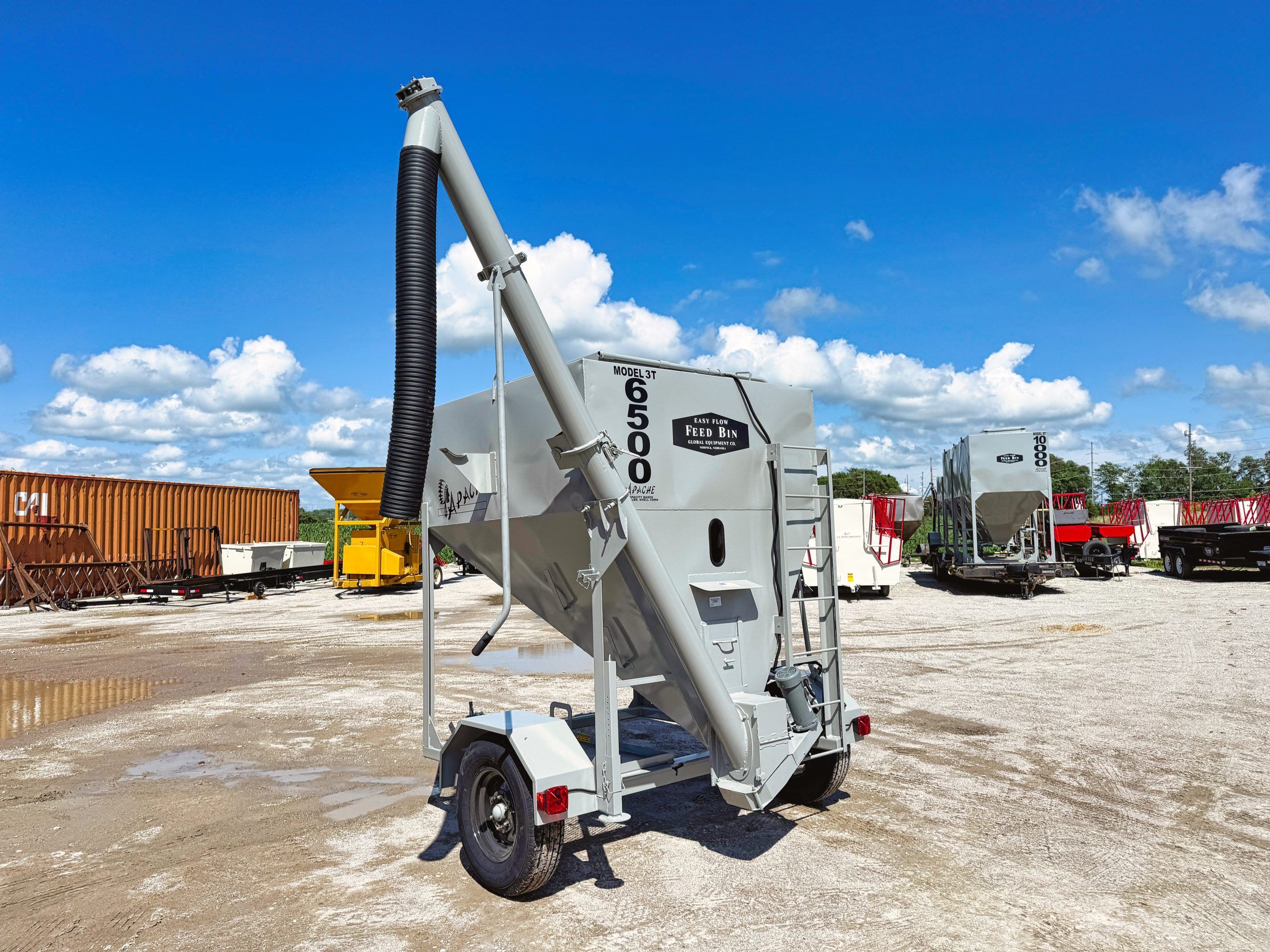
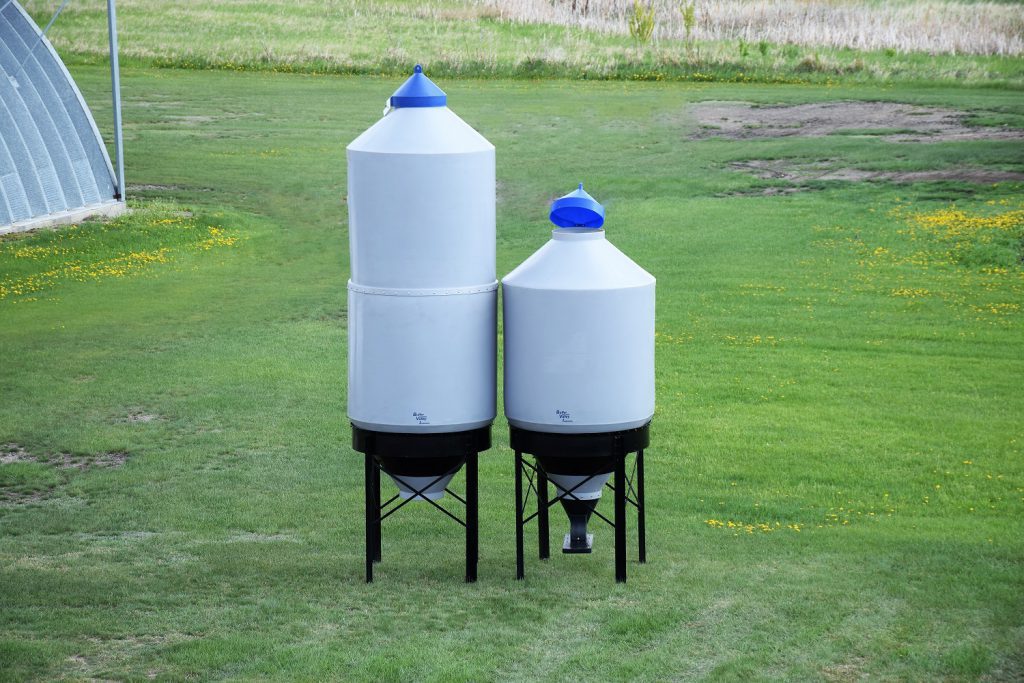
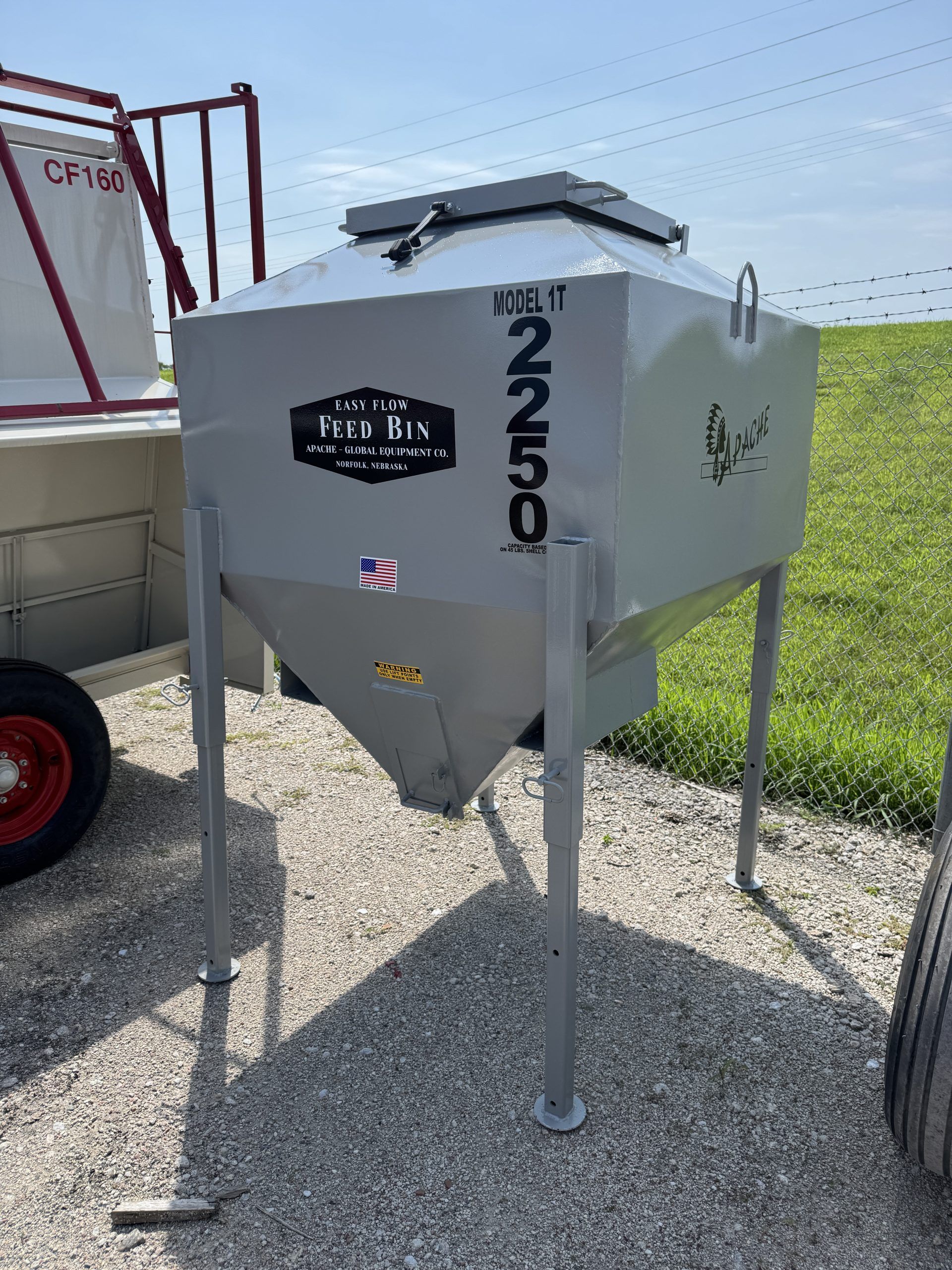
| Product Name | Galvanized Small Feed Bin | ||||||||||||||||||||||||||
| Product Image | 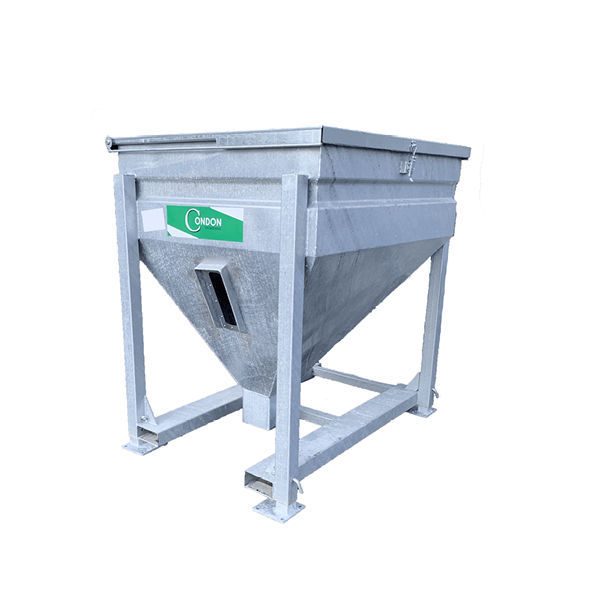 |
||||||||||||||||||||||||||
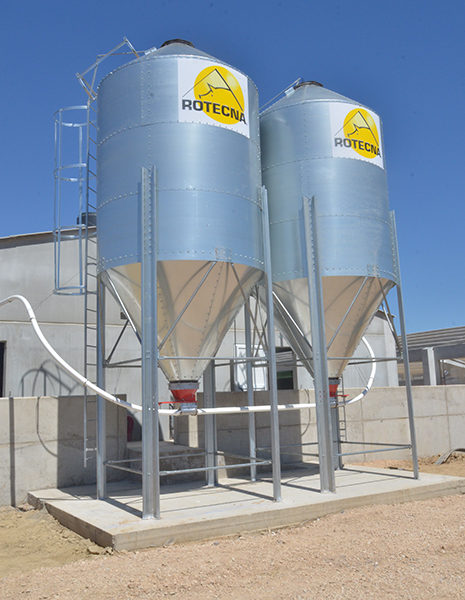
| Product Overview | The Galvanized Small Feed Bin is a compact bulk feed storage solution designed for livestock farms requiring convenient storage close to animal houses, feeding rooms or feed preparation areas. Its galvanized steel construction provides good corrosion resistance and mechanical strength for demanding agricultural environments. The bin typically combines an enclosed upper storage compartment with a sloped hopper bottom that directs feed toward the discharge outlet by gravity. This structure supports efficient emptying while reducing residual feed accumulation compared with flat-bottom storage containers. Compact feed bins are particularly suitable for pig houses, poultry houses, calf facilities, goat-farming-equipment/" target="_blank" class="keylink">sheep and goat farms, breeder units, research farms and smaller feeding zones where a full-size outdoor silo is unnecessary. The bin can be configured for manual bagging discharge or connection with compatible auger and automatic feeding equipment. |
||||||||||||||||||||||||||
| Key Features |
|
||||||||||||||||||||||||||
| Structural Components |
|
||||||||||||||||||||||||||
| Working Principle | Feed is loaded through the upper lid or compatible filling connection and stored inside the galvanized bin body. The sloped hopper panels continuously direct the feed toward the bottom outlet under gravity. For manual feeding applications, an operator opens the discharge gate or chute to release the required amount into a bucket, feed cart or bag. The outlet is then closed to stop the flow. For semi-automatic or automatic feeding projects, the bottom outlet can be connected to a compatible auger or conveying system. Feed then moves from the storage bin into the livestock house feeding line according to the system operating sequence. |
||||||||||||||||||||||||||
| Technical Specifications |
|
||||||||||||||||||||||||||
| Applications |
|
||||||||||||||||||||||||||
| Customization Options | The Galvanized Small Feed Bin can be configured according to livestock type, daily feed consumption, required storage period, feed characteristics and available installation space. Available options may include storage capacity, bin dimensions, hopper geometry, support-leg height, discharge outlet size, manual slide gate, bagging chute, sight window, forklift pockets, filling arrangement and auger connection. For complete livestock projects, the feed bin can be coordinated with automatic feeding equipment, feed rooms, service passages and steel structure farm buildings. Final configuration can be designed according to local climate and farm conditions. |
||||||||||||||||||||||||||
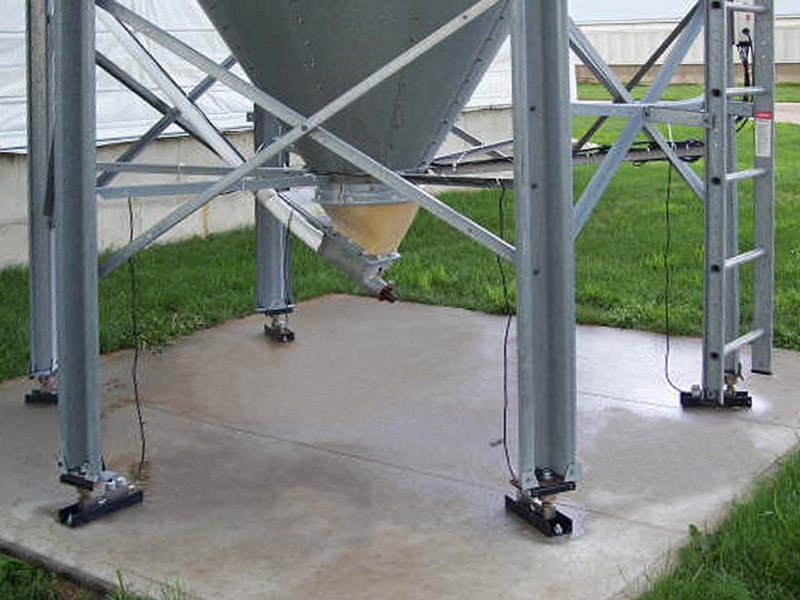
| Installation & Maintenance | Install the feed bin on a stable, level floor or properly designed concrete foundation capable of supporting the fully loaded equipment. The support frame should be level so that loads are distributed correctly and the hopper outlet remains aligned with downstream feeding equipment. When connecting an auger or conveyor, ensure that the outlet adapter and conveying line do not impose excessive mechanical load on the hopper. Manual discharge areas should have sufficient clearance for safe access to buckets, carts or bags. Routine maintenance includes checking galvanized panels, bolts, structural supports, lid hinges, discharge gates and conveying connections. Remove accumulated feed dust and inspect the hopper periodically for bridged or spoiled feed. The bin should be emptied and cleaned at suitable intervals according to the farm's feed hygiene and biosecurity program. Any damaged galvanized surface should be treated promptly to maintain corrosion protection. |
||||||||||||||||||||||||||
| Project Cases | On commercial pig and poultry farms, small galvanized feed bins can be positioned near individual livestock houses to provide local buffer storage between bulk feed delivery and the internal feeding system. They are also suitable for separate feed formulations, breeder groups, nursery units or other production areas where feed quantities are lower than those requiring a full-size silo. For new steel structure farm buildings, the bin position, filling access, service aisle, discharge height and auger route can be coordinated during the equipment layout stage. Compact bins can also be incorporated into existing farms where installation space is restricted. |
||||||||||||||||||||||||||
| Product FAQ | Q: What is a galvanized small feed bin used for? A: It provides compact storage for dry livestock feed and can supply feed manually or through a compatible conveying system. Q: Why use galvanized steel for a feed bin? A: Galvanized steel provides mechanical strength together with improved corrosion resistance for agricultural and livestock environments. Q: Can the storage capacity be customized? A: Yes. Capacity and overall dimensions can be selected according to feed consumption, storage requirements and available space. Q: Can the bin connect to an automatic feed auger? A: Yes. The bottom outlet can be configured for compatible flexible auger or other conveying equipment according to project requirements. Q: Can feed be discharged directly into buckets? A: Yes. A manual slide gate and bagging chute configuration can be supplied for convenient small-volume discharge. Q: Can a feed-level window be added? A: Yes. A sight window is available upon request for convenient visual monitoring of the stored feed level. Q: Can the feed bin be moved with a forklift? A: Forklift pockets can be incorporated into suitable configurations. The bin should normally be empty before relocation unless the structure is specifically designed and approved otherwise. Q: What information is required for quotation? A: Recommended information includes livestock type, required storage capacity, feed type, available installation dimensions, required discharge height, filling method and whether manual or automatic feed discharge is needed. |
||||||||||||||||||||||||||
| Product Gallery | 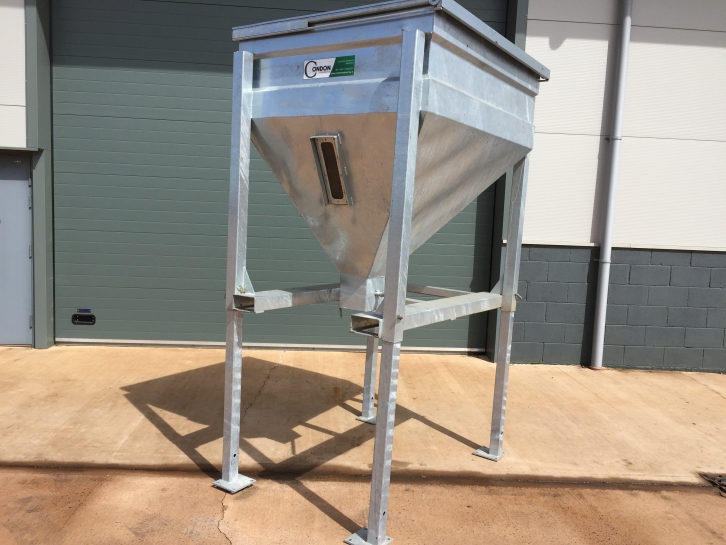 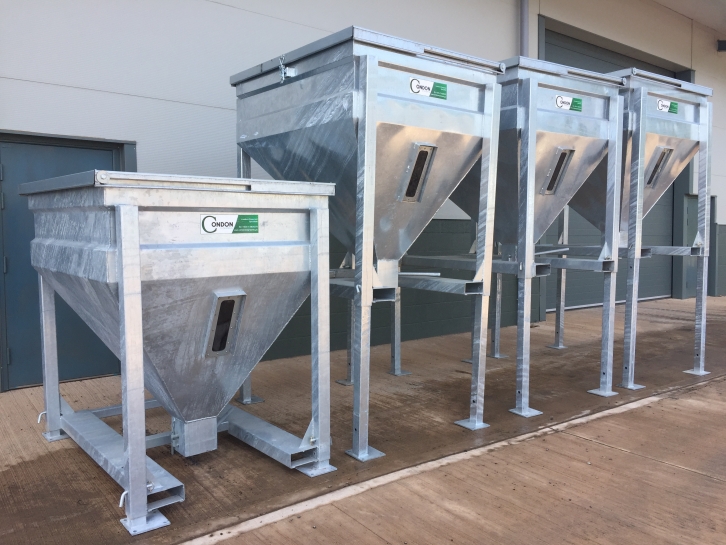   |
- Home
-
Products
- Pig Farming Equipment
- Cattle Farming Equipment
- Sheep & Goat Farming Equipment
- Poultry Farming Equipment
- Feeding & Drinking Systems
- Veterinary & Breeding Equipment
- Testing & Diagnostic Equipment
- Cleaning & Biosecurity Equipment
- Climate Control Equipment
- Livestock Weighing Equipment
- Manure & Waste Management
- Farm Transport & Handling
-
Solutions
- Pig Farm Solutions
- Dairy Farm Solutions
- Beef Cattle Farm Solutions
- Sheep & Goat Farm Solutions
- Layer Farm Solutions
- Broiler Farm Solutions
- Feeding & Drinking System Solutions
- Climate Control Solutions
- Biosecurity & Disinfection Solutions
- Manure & Waste Management
- Smart Farming Solutions
- Farm Renovation and Upgrade Solutions
- Partners
- Projects
- Resources
- News
- About Us
- Contact



Comments & Inquiries
Leave your questions or requirements below. We will reply as soon as possible.