
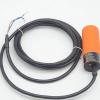
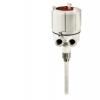
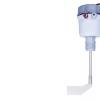
| Product Name | Multi-Silo Feed Level Monitoring System | ||||||||||||||||||||||||||
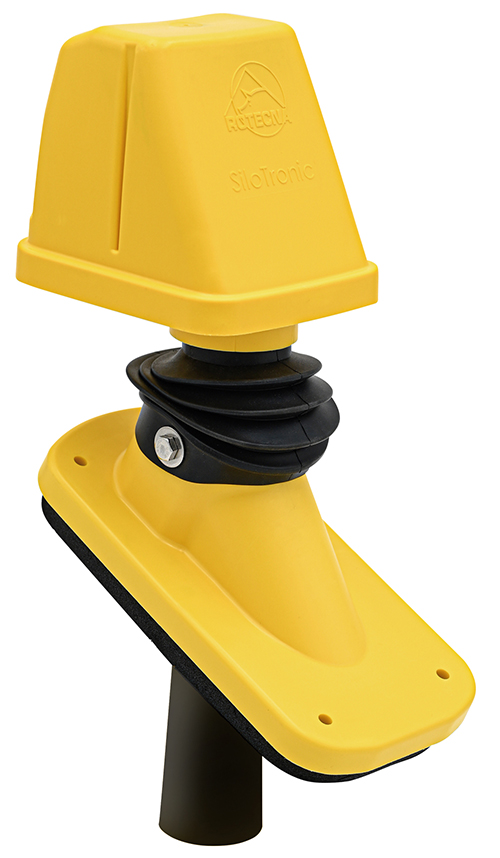
| Product Image | 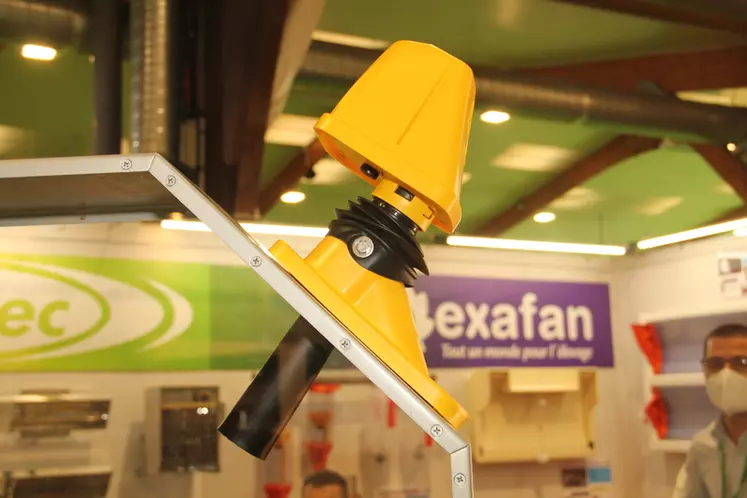 |
||||||||||||||||||||||||||
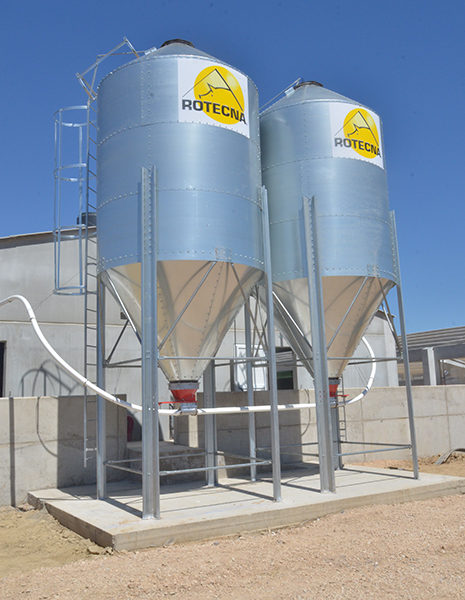
| Product Overview | The Multi-Silo Feed Level Monitoring System is a smart livestock equipment solution designed to monitor feed inventory across multiple storage silos without requiring routine visual inspection from the silo roof. The system uses non-contact laser level sensing to measure the distance between the sensor and the stored material. Data from individual silos can be transmitted through a wireless communication network to a central gateway and online monitoring platform, allowing farm managers, integrators and feed suppliers to access silo status remotely. By providing timely information on feed availability, the system supports more accurate feed ordering, replenishment planning and delivery-route management. It is particularly suitable for commercial pig farms, poultry operations, feed storage facilities and multi-site livestock production groups. The reference Silotronic architecture supports real-time silo-level visibility, historical readings, configurable measurement intervals, user management, geolocation, color-coded status displays and alert functions. :contentReference[oaicite:0]{index=0} |
||||||||||||||||||||||||||
| Key Features |
The reference system specifically provides platform customization, user levels, silo and feed configuration, email alerts and anomaly monitoring for temperature, dirt and battery status. :contentReference[oaicite:1]{index=1} |
||||||||||||||||||||||||||
| Structural Components | A typical Multi-Silo Feed Level Monitoring System consists of the following functional modules:
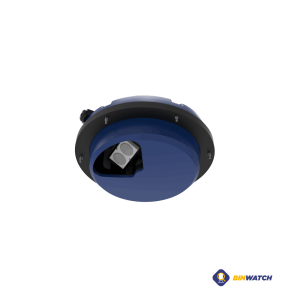
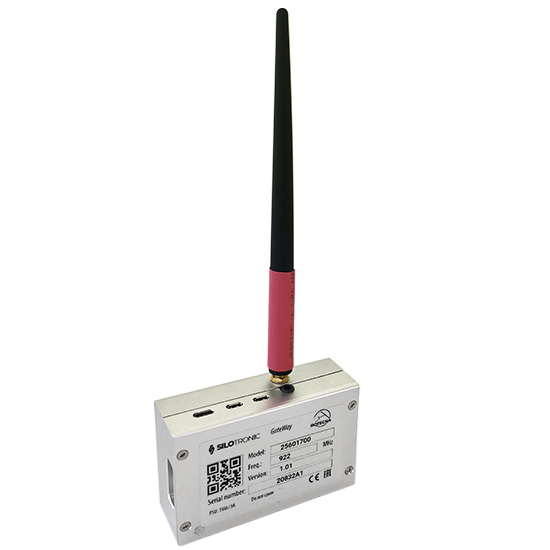
The reference Silotronic system lists gateway and repeater accessories and uses a dedicated compartment for electronics and batteries to improve enclosure tightness. :contentReference[oaicite:2]{index=2} |
||||||||||||||||||||||||||
| Working Principle / Structural Principle | The sensor is installed at the upper section of each feed silo and directed toward the surface of the stored material. A laser beam measures the distance from the sensor to the feed surface without physical contact. When feed is consumed, the material surface moves downward and the measured distance increases. When new feed is delivered, the material surface rises and the measured distance decreases. The system converts the measured distance into silo-level information based on the configured silo dimensions and material parameters. Measurement data is transmitted wirelessly to a gateway or communication network and then made available through the monitoring platform. Users can view the condition of individual silos, compare multiple storage points and review historical changes. The reference system supports laser measurement, radio-frequency communication, internet-connected data access and customizable reading intervals. :contentReference[oaicite:3]{index=3} |
||||||||||||||||||||||||||
| Technical Specifications |
The listed reference values are based on the published Silotronic technical data. Final specifications should be confirmed according to the selected sensor, communication architecture, silo geometry and project requirements. :contentReference[oaicite:4]{index=4} |
||||||||||||||||||||||||||
| Applications | The Multi-Silo Feed Level Monitoring System is suitable for:
In commercial pig production, centralized silo monitoring can help coordinate feed purchasing with daily consumption, production stages and feed delivery schedules. It is especially useful where several silos or farms must be managed from one operational platform. :contentReference[oaicite:5]{index=5} |
||||||||||||||||||||||||||
| Customization Options | The monitoring system can be configured according to farm size, number of silos, silo geometry, communication distance and feed management requirements. Customizable options may include sensor quantity, measurement interval, communication architecture, gateway arrangement, repeater deployment, user permissions, farm grouping, silo identification, geolocation, feed type, alert thresholds and data-access functions. For multi-site livestock groups, the software structure can be organized by farm, production unit or silo. Different access levels can be assigned to farm managers, corporate users, distributors or feed suppliers according to project requirements. The system can also be designed for retrofit installations or incorporated into new pig farm construction, poultry house construction and steel structure building projects. Final configuration should be designed according to local climate, farm conditions, silo arrangement and required communication coverage. :contentReference[oaicite:6]{index=6} |
||||||||||||||||||||||||||
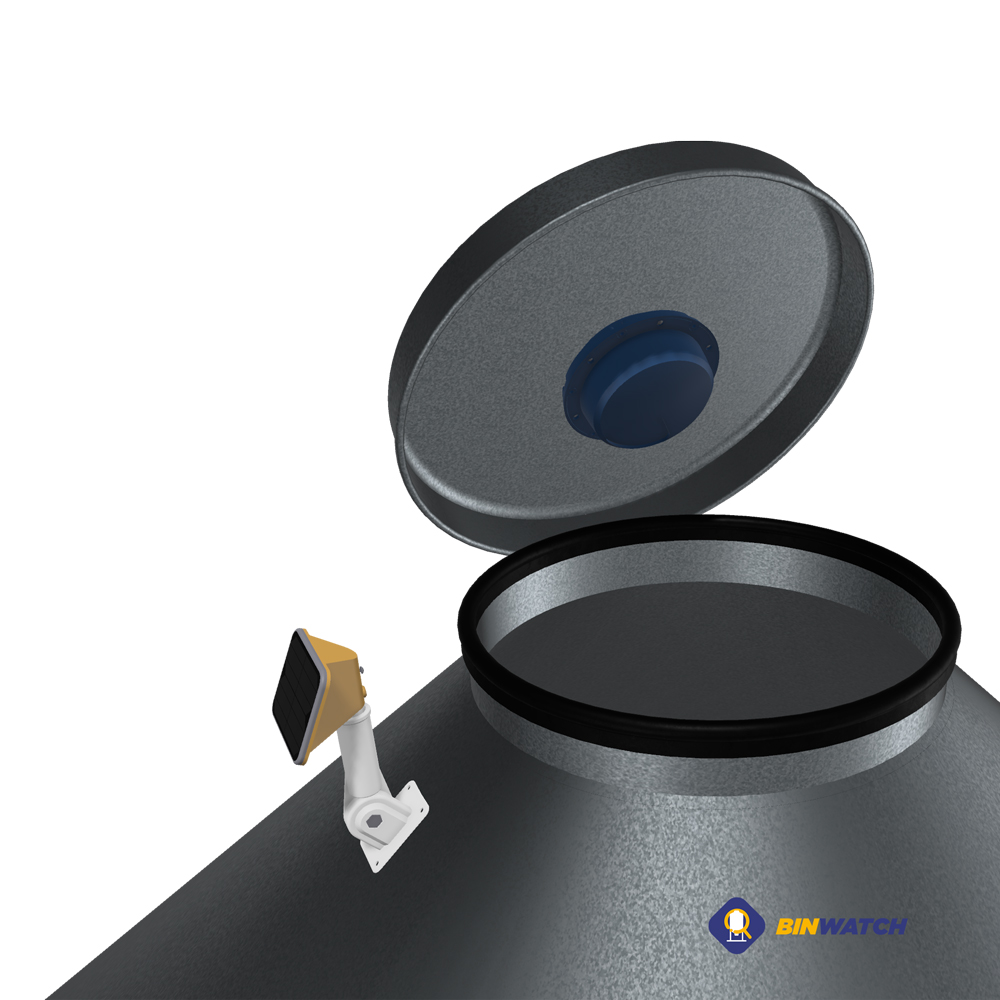
| Installation & Maintenance | The sensor is installed on the upper cone or suitable top surface of each silo, with a clear measurement path toward the stored feed. The mounting position should be selected to avoid interference from silo structures, filling pipes, ladders or other internal and external obstructions. For new projects, sensor positions should be coordinated with silo fabrication, roof access, feed delivery pipes, automatic feeding systems, electrical infrastructure and the farm building layout. For retrofit projects, the top-mounted design allows installation with limited modification to existing storage equipment. The reference system is designed for easy installation without conventional signal cabling or a local control cabinet. :contentReference[oaicite:7]{index=7} During commissioning, each silo should be identified and configured with the appropriate dimensions, feed type and empty-silo reference. The tare function can be used to establish the empty condition where supported. Routine maintenance should include inspection of sensor housing, mounting hardware, power supply, communication status and measurement quality. The electronics compartment should remain properly sealed, and sensor surfaces should be kept clean where required for reliable measurement. |
||||||||||||||||||||||||||
| Project Integration | The Multi-Silo Feed Level Monitoring System can be integrated into a complete livestock feed management solution together with feed silos, silo extraction pipes, automatic auger systems, feed lines and farm management software. For pig farm construction projects, the monitoring network can be planned together with silo positioning, feed delivery access, steel structure building layout, electrical systems and communication coverage. This helps create a coordinated digital feed inventory system from the beginning of the project. For established farms, the system can be added to existing silo installations to reduce manual inspections and provide centralized visibility of feed stocks. The reference system has been used to monitor multiple farms and supports historical readings, feed consumption analysis and low-level alerts, providing a practical basis for improving feed-ordering and delivery logistics. :contentReference[oaicite:8]{index=8} |
||||||||||||||||||||||||||
| Product FAQ |
Q1: What is a Multi-Silo Feed Level Monitoring System? Q2: How does the system measure feed level? Q3: Can multiple silos be monitored from one platform? Q4: Is the system suitable for pig farms? Q5: Can the feed level be checked remotely? Q6: Can the system send low-feed alerts? Q7: Does installation require signal cables? Q8: Can it be installed on existing feed silos? Q9: What information is required for system design? |
||||||||||||||||||||||||||
| Product Gallery |
  |
- Home
-
Products
- Pig Farming Equipment
- Cattle Farming Equipment
- Sheep & Goat Farming Equipment
- Poultry Farming Equipment
- Feeding & Drinking Systems
- Veterinary & Breeding Equipment
- Testing & Diagnostic Equipment
- Cleaning & Biosecurity Equipment
- Climate Control Equipment
- Livestock Weighing Equipment
- Manure & Waste Management
- Farm Transport & Handling
-
Solutions
- Pig Farm Solutions
- Dairy Farm Solutions
- Beef Cattle Farm Solutions
- Sheep & Goat Farm Solutions
- Layer Farm Solutions
- Broiler Farm Solutions
- Feeding & Drinking System Solutions
- Climate Control Solutions
- Biosecurity & Disinfection Solutions
- Manure & Waste Management
- Smart Farming Solutions
- Farm Renovation and Upgrade Solutions
- Partners
- Projects
- Resources
- News
- About Us
- Contact



Comments & Inquiries
Leave your questions or requirements below. We will reply as soon as possible.