
| Product Name | Rotary Paddle Feed Level Sensor | ||||||||||||||||||||||||||||
| Product Image | 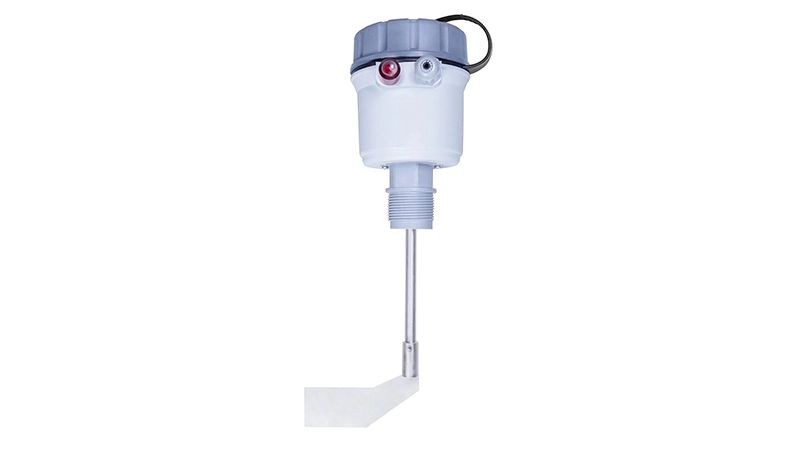 |
||||||||||||||||||||||||||||
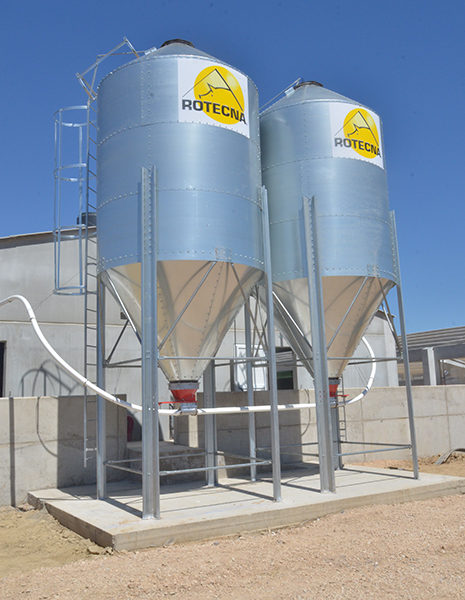
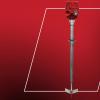
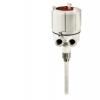
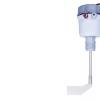
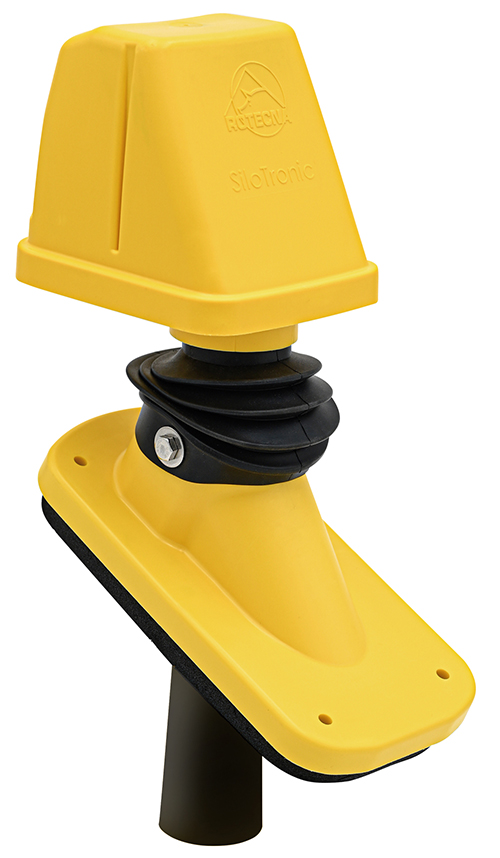
| Product Overview | The Rotary Paddle Feed Level Sensor is an electromechanical point-level switch designed for detecting the presence or absence of dry bulk feed in silos, feed bins, hoppers and conveying systems. A low-speed motor continuously rotates a paddle inside the storage vessel. When feed reaches the paddle, material resistance stops its rotation and actuates an internal switch or relay. The resulting signal can be connected to an alarm, indicator light, PLC, auger controller or automatic livestock feeding system. The sensor is suitable for commercial pig farms, poultry farms, dairy farms, feed mills and livestock equipment projects where dependable high-level, low-level or intermediate feed detection is required. |
||||||||||||||||||||||||||||
| Key Features |
|
||||||||||||||||||||||||||||
| Structural Components |
|
||||||||||||||||||||||||||||
| Working Principle | When no feed is in contact with the sensing paddle, the motor rotates the paddle freely. As the feed level rises and surrounds the paddle, resistance from the bulk material stops the paddle from turning. The internal mechanism responds to the stalled paddle and changes the state of the output relay. This signal can trigger a high-level alarm, stop a filling auger, switch an indicator lamp or provide an input to the farm's automatic control system. For low-level detection, the paddle remains covered while sufficient feed is present. When the feed level drops below the paddle, resistance disappears, the paddle resumes rotation and the relay changes state to signal a low-feed condition or start upstream conveying equipment. |
||||||||||||||||||||||||||||
| Technical Specifications |
|
||||||||||||||||||||||||||||
| Applications |
|
||||||||||||||||||||||||||||
| Customization Options | The Rotary Paddle Feed Level Sensor can be configured according to silo material, installation position, feed bulk density, detection height and farm control-system requirements. Available options may include paddle geometry, shaft length, mounting plate, process connection, supply voltage, relay configuration, housing type, cable entry and extended shaft arrangement. For complete livestock projects, the sensor can be coordinated with feed silos, augers, chain-disc conveyors, feed bins, alarm panels and automatic farm controllers according to project requirements. |
||||||||||||||||||||||||||||
| Installation & Maintenance | For high-level detection, the sensor can be installed through the silo roof or near the upper side wall. For low- or intermediate-level detection, side-wall or hopper-cone installation is commonly used. The sensing paddle should be positioned away from the direct impact zone of incoming feed. Where necessary, a protective deflector or flexible shaft arrangement can be used to reduce mechanical impact during silo filling. The paddle must have sufficient free space to rotate without contacting the silo wall, internal bracing or other equipment. Electrical wiring should be completed according to the selected sensor's wiring diagram and local electrical regulations. Routine maintenance includes checking paddle movement, shaft condition, mounting tightness, cable glands and enclosure sealing. Feed accumulation around the shaft or paddle should be removed if it could interfere with reliable rotation. |
||||||||||||||||||||||||||||
| Project Cases | On a commercial pig or poultry farm, one rotary paddle sensor can be installed near the top of the feed silo to provide a full-level signal and stop the filling or conveying system when the selected level is reached. A second sensor can be installed near the hopper cone to provide a low-level warning before the silo becomes empty. This arrangement helps farm personnel schedule feed deliveries while reducing the risk of feeding interruptions. For automated projects, relay signals can be connected to a PLC or farm controller for alarm indication, auger start-stop control or integration with centralized feed-management equipment. |
||||||||||||||||||||||||||||
| Product FAQ | Q: What does a rotary paddle feed level sensor measure? A: It provides point-level detection, indicating whether feed is present or absent at the specific height where the paddle is installed. Q: Can it measure the exact percentage of feed remaining? A: No. A standard rotary paddle sensor is a point-level switch rather than a continuous level transmitter. Multiple sensors can be installed at different heights when several level points are required. Q: Can it be used as a high-level alarm? A: Yes. When feed reaches the paddle, the relay can trigger an alarm or stop upstream filling equipment. Q: Can it be used for low-level detection? A: Yes. A sensor mounted near the lower silo section can signal when feed falls below the selected level. Q: Can the sensor control a feed auger? A: The relay output can provide a control signal to compatible auger controls, relays or PLC systems according to the electrical design. Q: Which paddle should be selected? A: Paddle size and shape should be selected according to feed bulk density and flow characteristics. Larger-area paddles are commonly used for lighter materials, while smaller or single-vane paddles can suit denser bulk solids. Q: Can the shaft be extended? A: Yes. Extended shaft configurations are available when the required sensing point is farther from the mounting surface. Q: What information is required for quotation? A: Recommended information includes feed type, bulk density if known, silo material, installation position, required detection level, mounting method, supply voltage and required relay or control interface. |
||||||||||||||||||||||||||||
| Product Gallery | 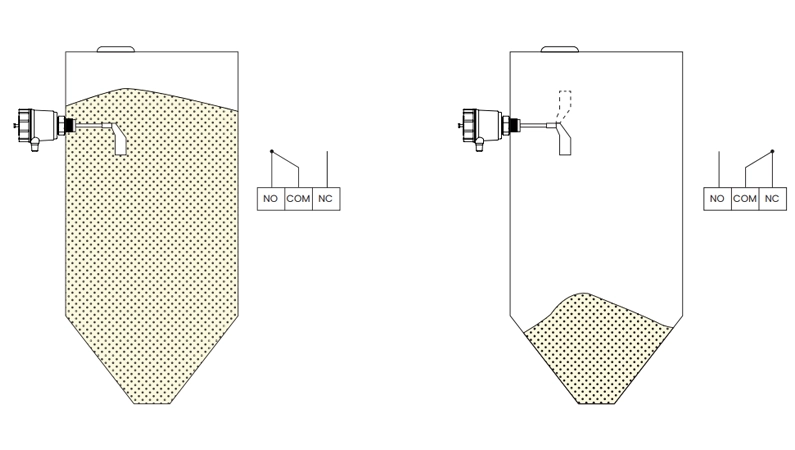  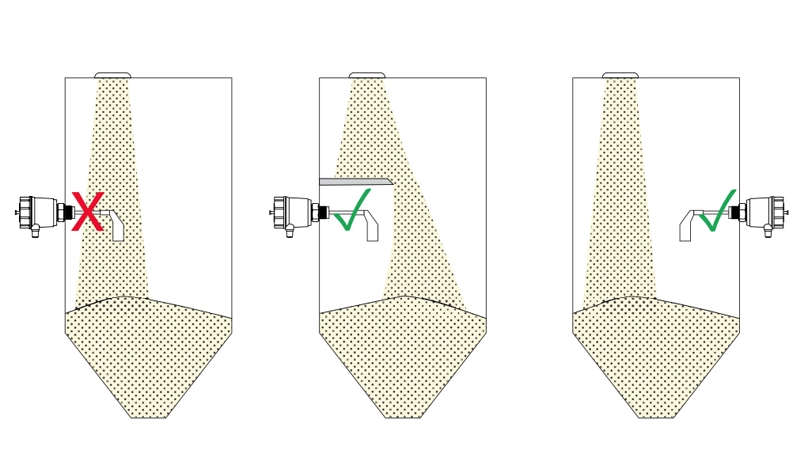 |
- Home
-
Products
- Pig Farming Equipment
- Cattle Farming Equipment
- Sheep & Goat Farming Equipment
- Poultry Farming Equipment
- Feeding & Drinking Systems
- Veterinary & Breeding Equipment
- Testing & Diagnostic Equipment
- Cleaning & Biosecurity Equipment
- Climate Control Equipment
- Livestock Weighing Equipment
- Manure & Waste Management
- Farm Transport & Handling
-
Solutions
- Pig Farm Solutions
- Dairy Farm Solutions
- Beef Cattle Farm Solutions
- Sheep & Goat Farm Solutions
- Layer Farm Solutions
- Broiler Farm Solutions
- Feeding & Drinking System Solutions
- Climate Control Solutions
- Biosecurity & Disinfection Solutions
- Manure & Waste Management
- Smart Farming Solutions
- Farm Renovation and Upgrade Solutions
- Partners
- Projects
- Resources
- News
- About Us
- Contact



Comments & Inquiries
Leave your questions or requirements below. We will reply as soon as possible.