
| Product Name | Feed Bin High-Level Sensor | ||||||||||||||||||||||||||
| Product Image | 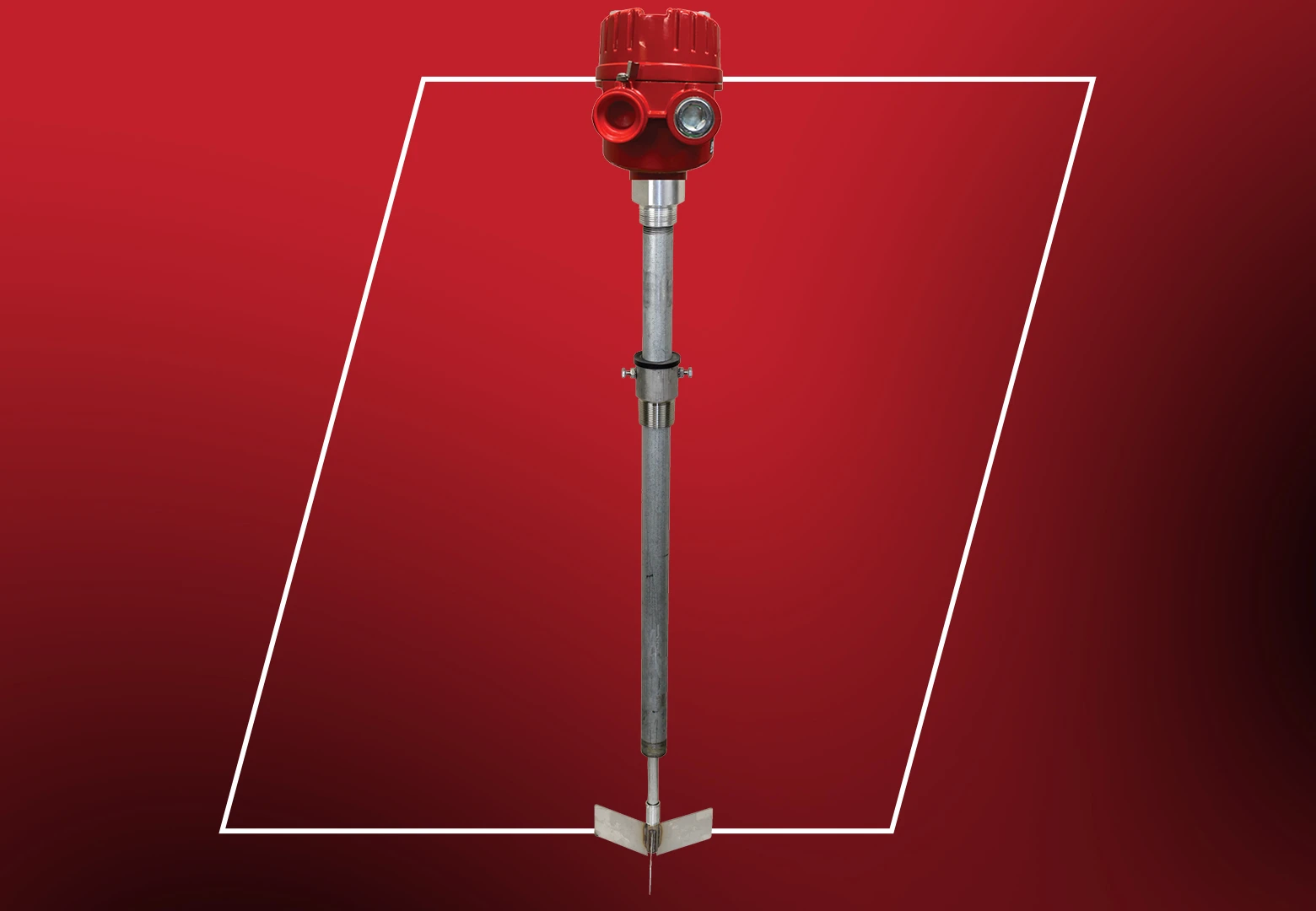 |
||||||||||||||||||||||||||
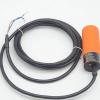
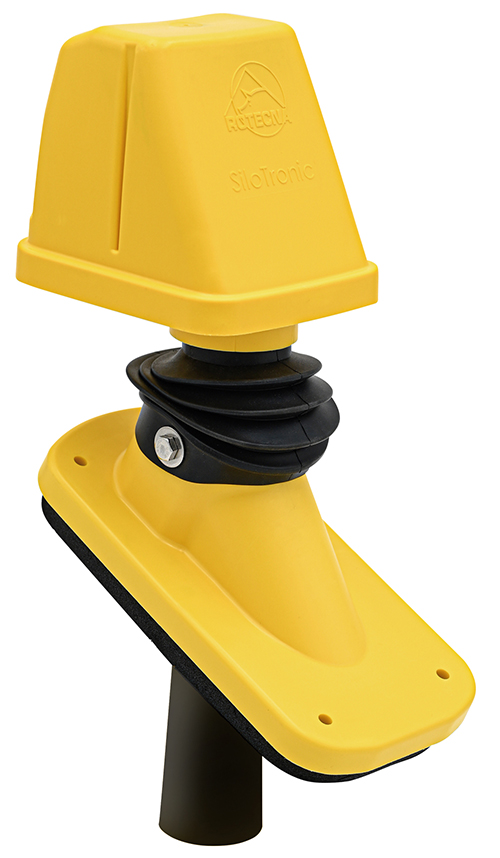
| Product Overview | The Feed Bin High-Level Sensor is a rotary paddle point-level switch designed to detect when livestock feed, grain, pellets or other free-flowing bulk solids reach a preset level inside a feed bin, silo or hopper. For high-level detection, the sensor is normally installed near the upper section of the storage vessel. During filling, the paddle rotates freely until rising material reaches the sensing point. Resistance from the material stops paddle rotation and activates an internal switching mechanism, allowing the sensor to trigger a warning light, audible alarm, control panel input or automatic shutdown of the filling equipment. The sensor is suitable for commercial pig farms, poultry farms, cattle facilities, feed mills and livestock feeding projects where reliable overfill protection and automated feed-storage management are required. |
||||||||||||||||||||||||||
| Key Features |
|
||||||||||||||||||||||||||
| Structural Components |
|
||||||||||||||||||||||||||
| Working Principle | When the feed level is below the sensing point, a small motor continuously rotates the paddle. As the silo or feed bin is filled, material eventually reaches the paddle and creates resistance that stops or restrains its rotation. The resulting mechanical movement activates the internal switch or relay. This signal can be used to illuminate a high-level warning lamp, operate an audible alarm, send an input to a PLC or stop the feed filling system. When material later falls away from the paddle, the sensing mechanism returns to its normal condition and paddle rotation resumes. The sensor therefore provides simple and repeatable point-level indication rather than continuous measurement of the entire feed inventory. |
||||||||||||||||||||||||||
| Technical Specifications |
|
||||||||||||||||||||||||||
| Applications |
|
||||||||||||||||||||||||||
| Customization Options | The Feed Bin High-Level Sensor can be configured according to silo construction, feed characteristics, installation position and farm-control requirements. Available options may include paddle geometry, shaft extension length, mounting plate, process connection, top-mount configuration, side-mount configuration, relay arrangement, visual status indication and fail-safe control. For complete livestock projects, the sensor can be integrated with feed silos, flexible augers, chain-disc feeding systems, control cabinets, alarm panels and PLC-based farm automation according to project requirements. |
||||||||||||||||||||||||||
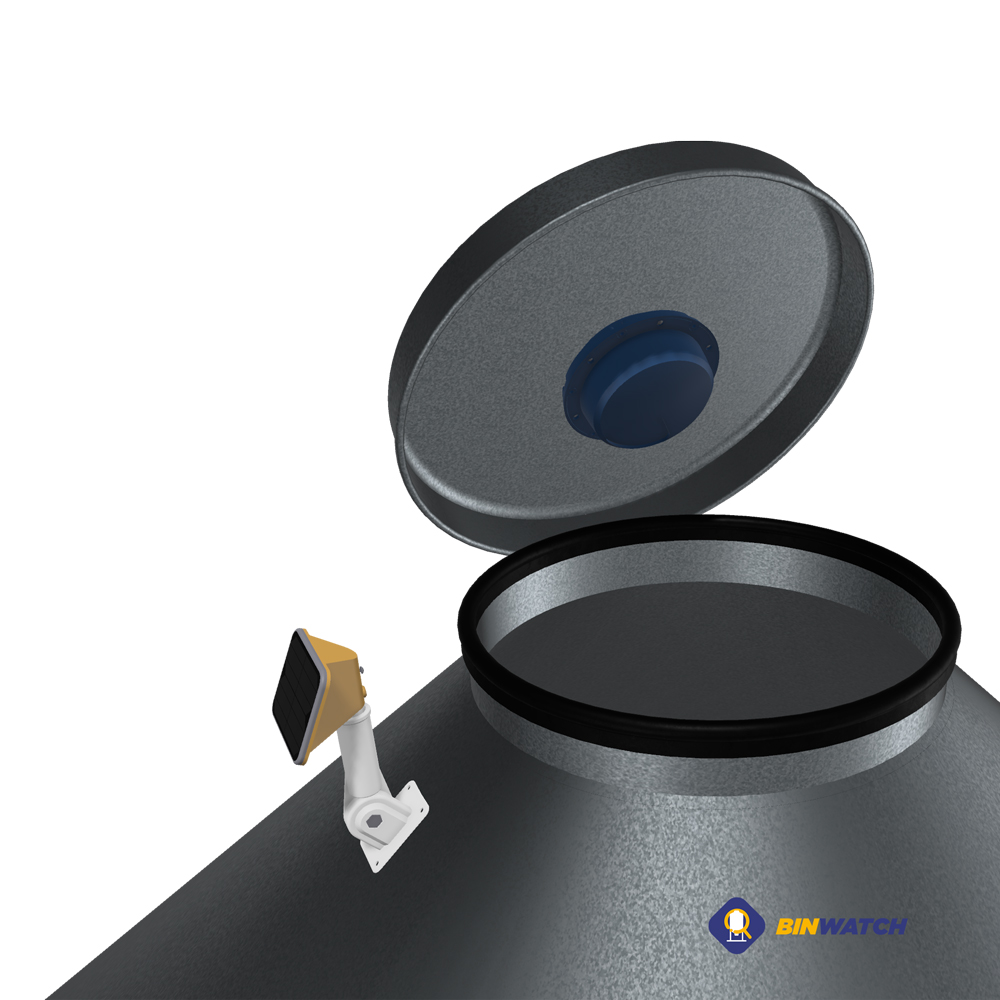
| Installation & Maintenance | For high-level detection, the sensor is normally mounted on the silo roof or near the upper section of the bin wall. The sensing position should be selected according to the desired maximum fill level and the expected feed pile profile. The paddle must have sufficient clearance to rotate freely when uncovered. Avoid installation where falling feed from the filling pipe continuously strikes the paddle directly, because excessive impact can affect sensing performance or shorten component life. All electrical wiring should follow the supplied wiring diagram and local electrical regulations. Relay outputs can be connected to a high-level alarm, farm controller or filling-equipment interlock. Routine maintenance includes checking paddle movement, shaft condition, mounting security, cable glands and accumulated feed around the sensing assembly. Power must be isolated before opening the housing or servicing the sensor. |
||||||||||||||||||||||||||
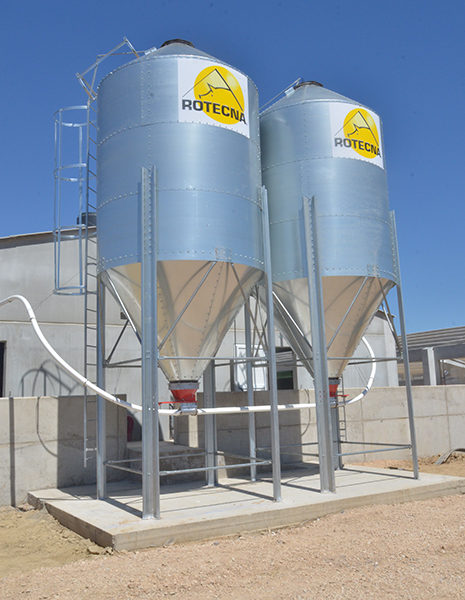
| Project Cases | In commercial pig and poultry farms, the high-level sensor can be installed near the top of each outdoor feed silo and connected to the feed-filling control circuit. When delivered feed reaches the preset level, the sensor provides a signal that can activate an alarm or stop the conveying equipment to reduce the risk of overfilling. In multi-silo projects, individual high-level sensors can be connected to a centralized control cabinet so farm personnel can identify the status of multiple feed-storage vessels from one operating location. |
||||||||||||||||||||||||||
| Product FAQ | Q: What does a feed bin high-level sensor detect? A: It detects when feed reaches a predetermined point near the upper section of a bin or silo and provides an electrical switching signal. Q: How does a rotary paddle sensor work? A: The paddle rotates freely when uncovered. When feed reaches the paddle and prevents rotation, the internal switch changes state and generates a level signal. Q: Can it stop the feed filling auger automatically? A: Yes. The relay output can be integrated with a compatible control circuit to stop an auger, conveyor or other filling equipment when the high-level condition is detected. Q: Is it suitable for pellet feed and meal feed? A: Rotary paddle sensors are widely used with pellets, powders and granular bulk solids. The correct paddle should be selected according to material density and flow characteristics. Q: Can the sensor be installed from the top of the silo? A: Yes. Top mounting is commonly used for high-level detection, and shaft extensions are available when the required sensing point is below the silo roof. Q: Is this a continuous level sensor? A: No. It is a point-level switch that detects whether material has reached one defined sensing position. Q: Can fail-safe operation be supplied? A: Yes. Fail-safe configurations are available upon request for applications where additional protection against sensor or power failure is required. Q: What information is required for quotation? A: Recommended information includes silo type, mounting position, feed material, required sensing depth, power supply, required output signal and whether alarm, PLC or filling-equipment interlock integration is needed. |
||||||||||||||||||||||||||
| Product Gallery | 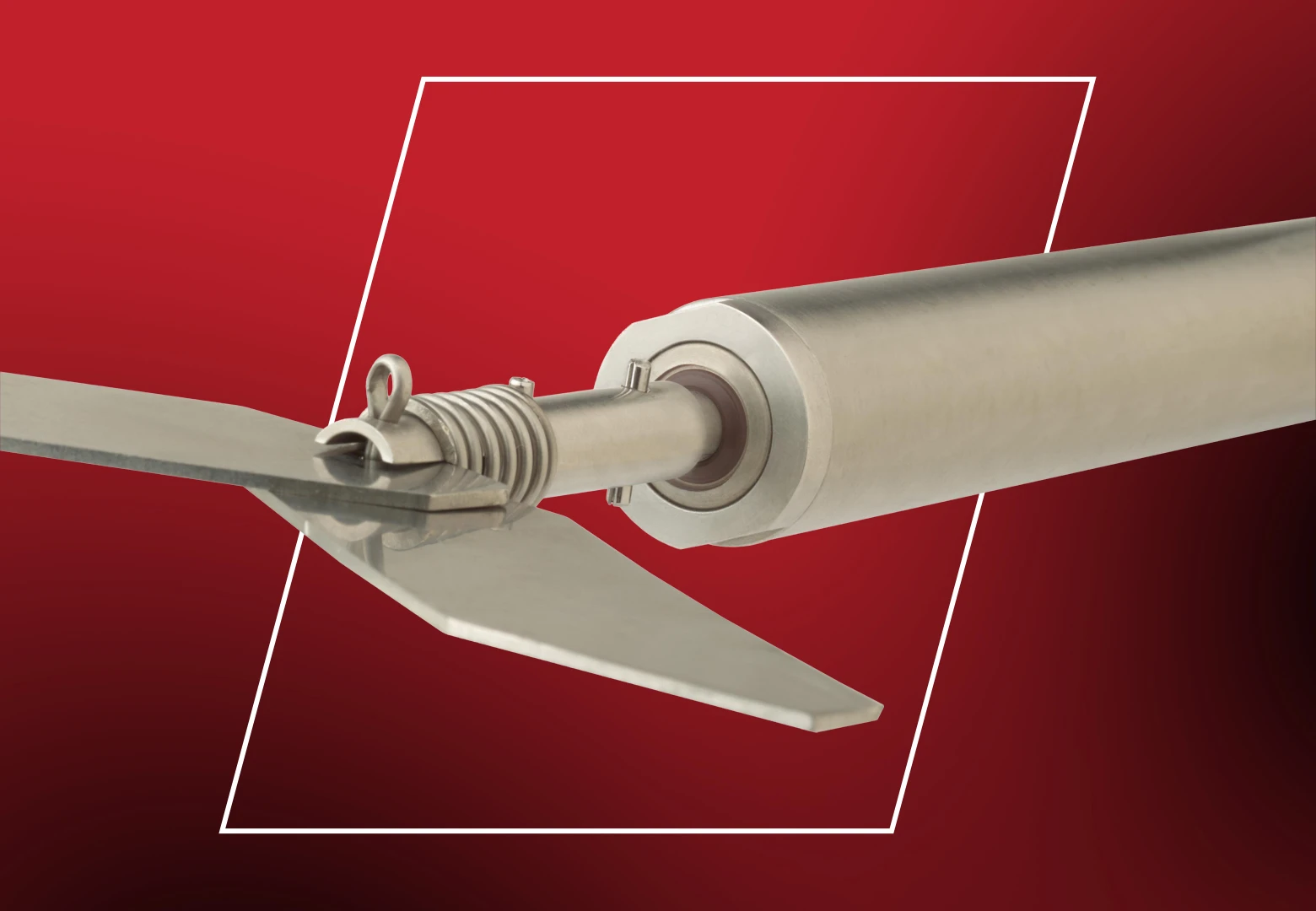  |
- Home
-
Products
- Pig Farming Equipment
- Cattle Farming Equipment
- Sheep & Goat Farming Equipment
- Poultry Farming Equipment
- Feeding & Drinking Systems
- Veterinary & Breeding Equipment
- Testing & Diagnostic Equipment
- Cleaning & Biosecurity Equipment
- Climate Control Equipment
- Livestock Weighing Equipment
- Manure & Waste Management
- Farm Transport & Handling
-
Solutions
- Pig Farm Solutions
- Dairy Farm Solutions
- Beef Cattle Farm Solutions
- Sheep & Goat Farm Solutions
- Layer Farm Solutions
- Broiler Farm Solutions
- Feeding & Drinking System Solutions
- Climate Control Solutions
- Biosecurity & Disinfection Solutions
- Manure & Waste Management
- Smart Farming Solutions
- Farm Renovation and Upgrade Solutions
- Partners
- Projects
- Resources
- News
- About Us
- Contact



Comments & Inquiries
Leave your questions or requirements below. We will reply as soon as possible.