
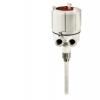
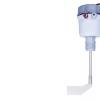
| Product Name | Wireless Smart Feed Silo Sensor | ||||||||||||||||||||||||||
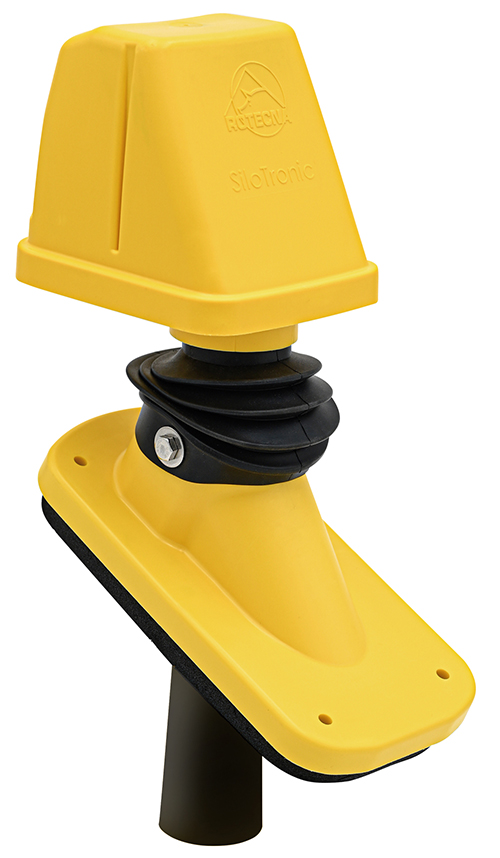
| Product Image | 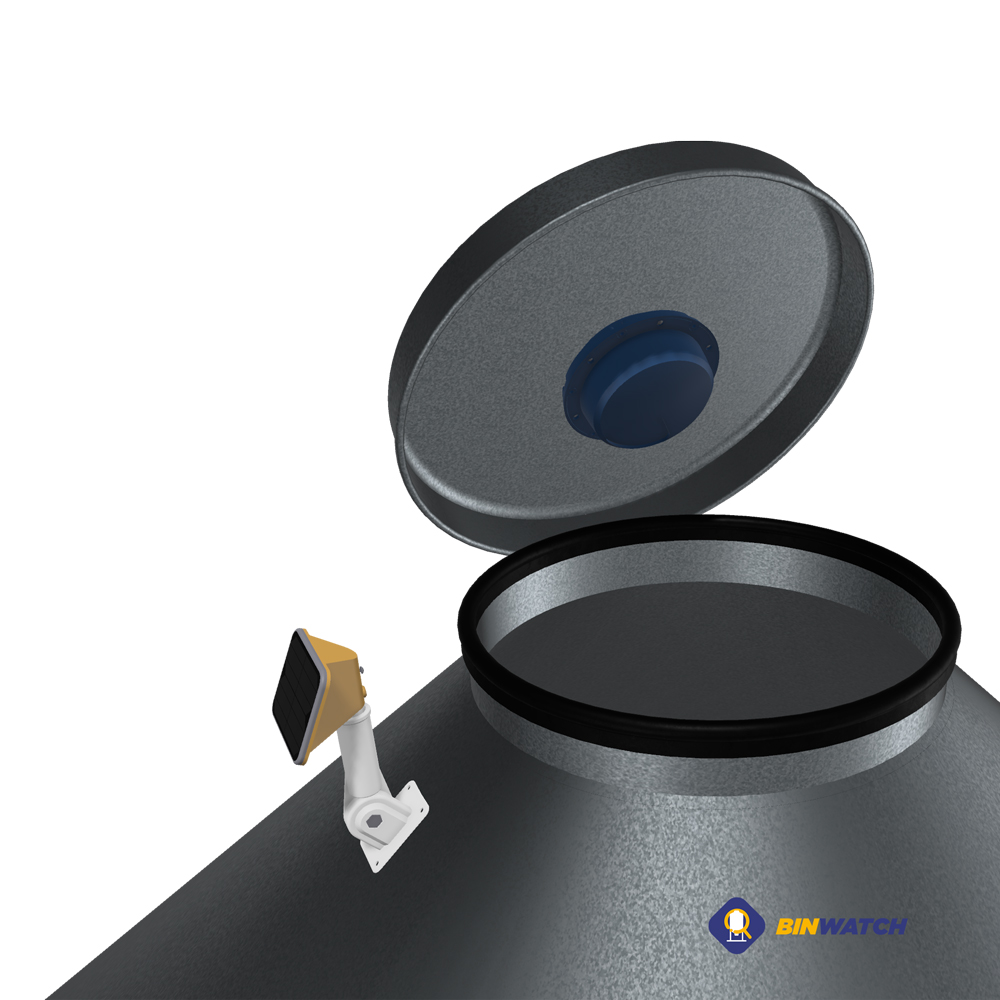 |
||||||||||||||||||||||||||
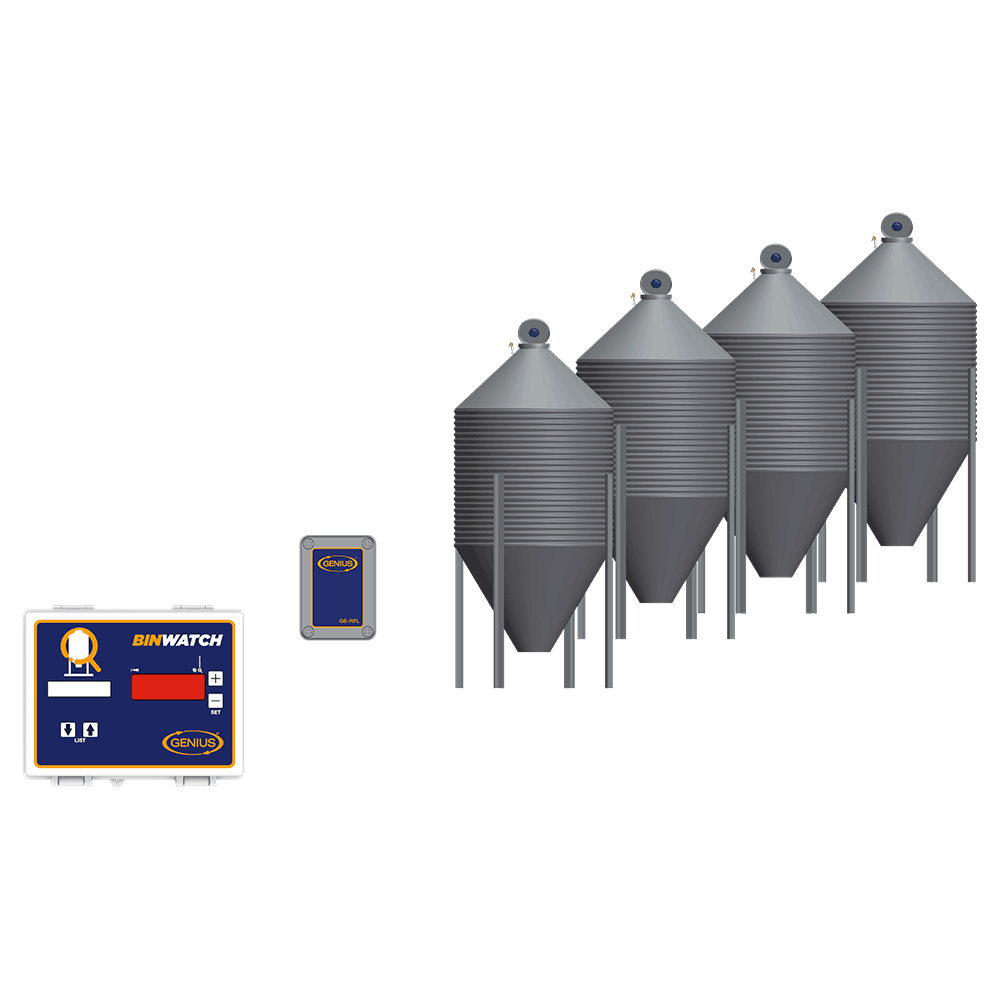
| Product Overview | The Wireless Smart Feed Silo Sensor is designed to provide continuous visibility of feed inventory in livestock and poultry silos. Using non-contact level measurement, the sensor detects the distance to the feed surface and converts the measurement into useful silo-level information. Wireless communication eliminates the need for a dedicated signal cable between the silo and the farm management interface. The sensor can be installed on the silo roof and connected to a compatible RF communication module or gateway for centralized monitoring. This type of smart silo monitoring helps commercial poultry farms, pig farms, dairy operations and agricultural integrators reduce manual silo inspections, improve feed delivery planning and reduce the risk of unexpected feed shortages. The referenced Monitrol system uses ultrasonic distance measurement, wireless communication and a top-mounted installation design. :contentReference[oaicite:0]{index=0} |
||||||||||||||||||||||||||
| Key Features |
The referenced Monitrol sensor specifies wireless communication, top-of-silo installation, IP67 housing and operation from -40 °C to +60 °C. :contentReference[oaicite:1]{index=1} |
||||||||||||||||||||||||||
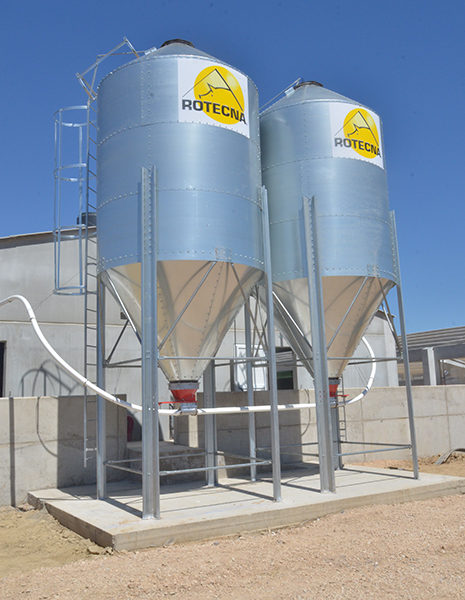
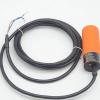
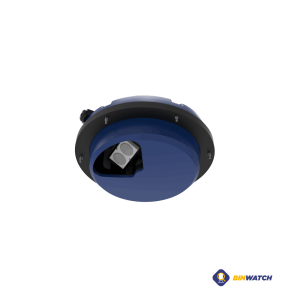
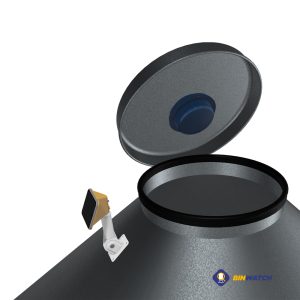
| Structural Components | A typical Wireless Smart Feed Silo Sensor consists of a weather-resistant sensor housing, non-contact ultrasonic sensing module, mounting interface, wireless communication electronics, power supply, antenna and protective enclosure. Depending on the system configuration, the sensor can be paired with a solar-powered antenna or other external communication arrangement. A separate RF communication module or internet gateway can transfer sensor information to a farm management platform. The sensor is mounted at the top of the feed silo so that the measuring beam is directed toward the feed surface. The installation does not require a probe to extend into the stored material, helping minimize contact with feed and mechanical wear. System architecture can include one sensor per silo, an RF communication module and a central gateway for multi-silo inventory management. The referenced Monitrol solution supports this type of architecture. :contentReference[oaicite:2]{index=2} |
||||||||||||||||||||||||||
| Working Principle / Structural Principle | The sensor is installed above the feed inside the silo. It sends an ultrasonic signal toward the surface of the stored feed and receives the reflected signal. The measured distance is used to determine the remaining feed level based on the silo geometry and calibrated reference points. As feed is consumed, the surface moves downward and the measured distance increases. When feed is delivered into the silo, the surface rises and the measured distance decreases. The monitoring system converts these changes into feed-level information for inventory management. Sensor data is transmitted wirelessly to an RF communication module or compatible gateway. Depending on the selected system, the data can then be displayed through a farm management platform, mobile application or computer interface. :contentReference[oaicite:3]{index=3} The measurement principle is non-contact, making it suitable for feed pellets, meal and other dry bulk feed materials when the sensor is correctly selected and calibrated for the silo geometry and material characteristics. |
||||||||||||||||||||||||||
| Technical Specifications |
The listed reference values are based on the Monitrol Bin Precision Sensor: ultrasonic measurement, up to 10 m measurement height, ±1% accuracy depending on silo shape and material density, wireless communication, top mounting, -40 °C to +60 °C operation and IP67 housing. :contentReference[oaicite:4]{index=4} |
||||||||||||||||||||||||||
| Applications | The Wireless Smart Feed Silo Sensor is suitable for:
For commercial poultry and pig farms, the sensor can help coordinate feed inventory with automatic feeding systems, delivery schedules and farm management procedures. The referenced system is specifically intended for poultry, swine and dairy producers and agricultural integrators. :contentReference[oaicite:5]{index=5} |
||||||||||||||||||||||||||
| Customization Options | The Wireless Smart Feed Silo Sensor can be configured according to silo size, silo geometry, feed characteristics, communication distance and farm management requirements. Customization may include measurement range, mounting arrangement, wireless communication method, antenna configuration, gateway type, power supply, solar power option, alarm thresholds, data transmission interval and software integration. Multi-silo systems can be designed for individual barns, centralized feed storage areas or larger livestock complexes. The monitoring architecture can be expanded according to the number of silos and communication layout. For new projects, sensor installation can be coordinated with feed silo construction, automatic feeding lines, electrical systems, farm networking and building layout. Final configuration should be designed according to local climate and farm conditions. |
||||||||||||||||||||||||||
| Installation & Maintenance | The sensor is installed on the upper section or roof of the feed silo with the measuring unit directed toward the feed surface. The mounting position should provide a clear measurement path and avoid interference from internal structures, filling equipment or other obstructions. Installation should be coordinated with the silo manufacturer and farm equipment layout. The mounting method may be magnetic, bolted or otherwise configured according to the silo roof and selected sensor design. After installation, the sensor should be calibrated according to silo dimensions and feed characteristics. Communication with the RF module or gateway should be checked before commissioning. Routine maintenance is limited compared with mechanical level indicators because the measurement is non-contact. Periodic inspection should nevertheless include the sensor housing, mounting hardware, antenna, power supply, communication status and measurement accuracy. The referenced Monitrol system emphasizes easy top mounting and a robust IP67 housing for demanding environmental conditions. :contentReference[oaicite:6]{index=6} |
||||||||||||||||||||||||||
| Project Integration | In a commercial poultry or pig farm project, the Wireless Smart Feed Silo Sensor can be integrated into the complete feed management system. Each silo can be monitored individually while feed inventory is displayed centrally through the selected gateway or farm management platform. The system can support feed delivery planning by providing early visibility of declining inventory. Low-level alerts can help farm managers arrange replenishment before a feed shortage affects the feeding system. For larger projects, multiple sensors can be combined with an RF communication network and centralized gateway. The referenced Monitrol architecture supports monitoring of up to 50 silos in its standalone configuration, while another configuration supports up to 8 silos through an iTouch GENIUS control system. :contentReference[oaicite:7]{index=7} During pig farm construction or poultry house construction, sensor positions, communication coverage, silo access, feed delivery routes and automatic feeding equipment should be considered together to achieve reliable long-term operation. |
||||||||||||||||||||||||||
| Product FAQ |
Q1: What is a Wireless Smart Feed Silo Sensor? Q2: How does the sensor measure feed level? Q3: Can the sensor be used on poultry and pig farms? Q4: Does the sensor require wiring to the silo? Q5: Can feed levels be checked remotely? Q6: How many silos can one monitoring system manage? Q7: Is the sensor suitable for outdoor silo installation? Q8: What information is required for a quotation? |
||||||||||||||||||||||||||
| Product Gallery |
   |
- Home
-
Products
- Pig Farming Equipment
- Cattle Farming Equipment
- Sheep & Goat Farming Equipment
- Poultry Farming Equipment
- Feeding & Drinking Systems
- Veterinary & Breeding Equipment
- Testing & Diagnostic Equipment
- Cleaning & Biosecurity Equipment
- Climate Control Equipment
- Livestock Weighing Equipment
- Manure & Waste Management
- Farm Transport & Handling
-
Solutions
- Pig Farm Solutions
- Dairy Farm Solutions
- Beef Cattle Farm Solutions
- Sheep & Goat Farm Solutions
- Layer Farm Solutions
- Broiler Farm Solutions
- Feeding & Drinking System Solutions
- Climate Control Solutions
- Biosecurity & Disinfection Solutions
- Manure & Waste Management
- Smart Farming Solutions
- Farm Renovation and Upgrade Solutions
- Partners
- Projects
- Resources
- News
- About Us
- Contact



Comments & Inquiries
Leave your questions or requirements below. We will reply as soon as possible.