
| Product Name | Feed Silo Low-Level Sensor | ||||||||||||||||||||||||
| Product Image | 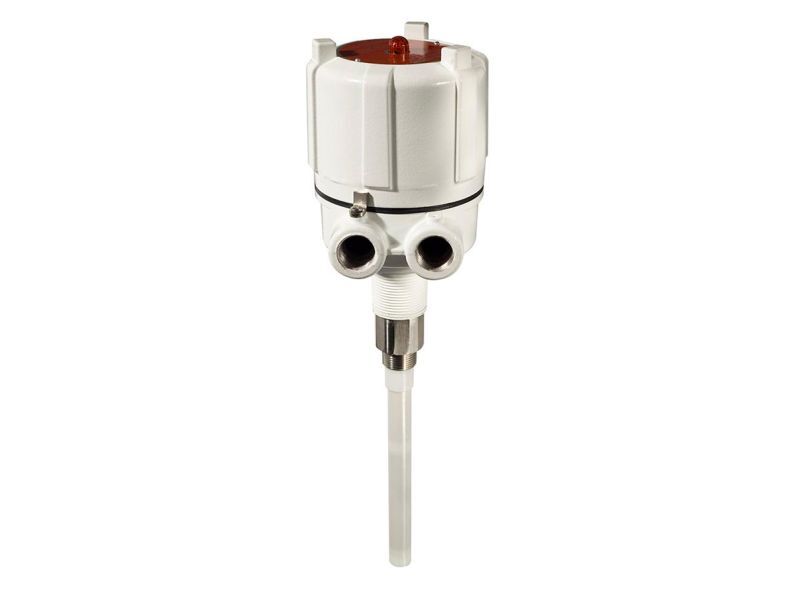 |
||||||||||||||||||||||||
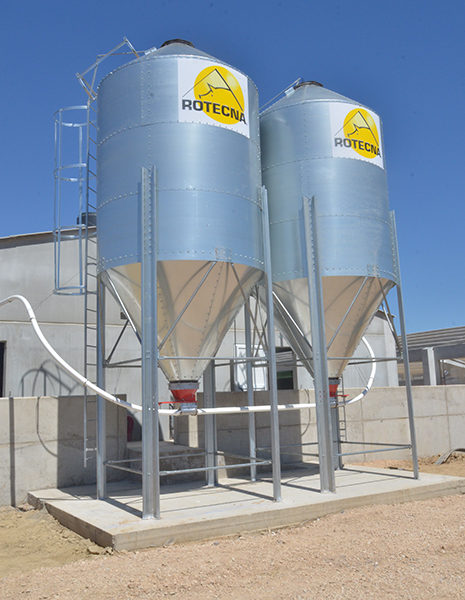
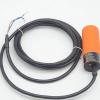
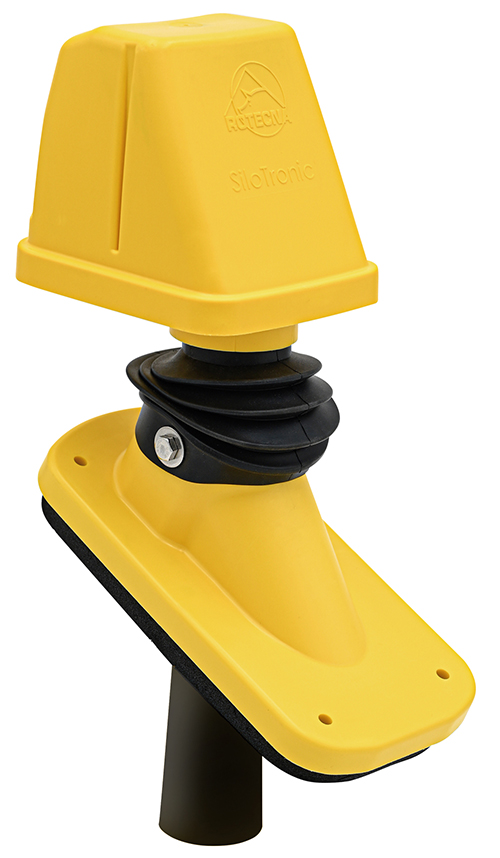
| Product Overview | The Feed Silo Low-Level Sensor is designed to detect when stored feed falls to a predefined minimum level inside a livestock feed silo or bulk feed bin. It provides an early warning before the silo becomes empty, helping farm operators arrange feed replenishment and reduce the risk of interruptions to automatic feeding systems. Depending on the silo material and project configuration, the sensor can use non-intrusive or point-level detection technology. A low-level sensing position is normally selected near the lower part of the silo or hopper, where the sensor monitors whether feed is present at the chosen threshold. The system is suitable for pig farms, poultry farms, cattle facilities, feed mills and integrated livestock projects using outdoor or indoor feed silos. It can operate as a stand-alone warning device or connect with indicator lamps, alarm panels, PLCs and centralized farm management systems. |
||||||||||||||||||||||||
| Key Features |
|
||||||||||||||||||||||||
| Structural Components |
|
||||||||||||||||||||||||
| Working Principle | The sensor is positioned at the feed level that represents the minimum desired inventory inside the silo. While feed remains at or above this point, the sensor detects material presence and maintains the normal status signal. As feed is consumed and the material surface falls below the sensing position, the sensor detects the change and switches its output. The output can activate a warning lamp, alarm device or signal input in the farm control system. Capacitive point-level sensors detect changes in electrical capacitance caused by the difference between air and the stored material. Comparable systems can be used for powders, pellets, granules and grain, while sensitivity can be adjusted to match different feed characteristics. |
||||||||||||||||||||||||
| Technical Specifications |
|
||||||||||||||||||||||||
| Applications |
|
||||||||||||||||||||||||
| Customization Options | The Feed Silo Low-Level Sensor can be selected according to silo material, silo geometry, feed type, required alarm threshold and farm control architecture. Available options may include sensing technology, mounting bracket, adjustable support length, low-level position, signal cable length, local warning lamp, remote indicator, relay output and PLC interface. For complete livestock projects, sensor locations and alarm logic can be coordinated with feed silos, automatic augers, chain-disc feeding systems, feed control cabinets and steel structure farm buildings according to project requirements. |
||||||||||||||||||||||||
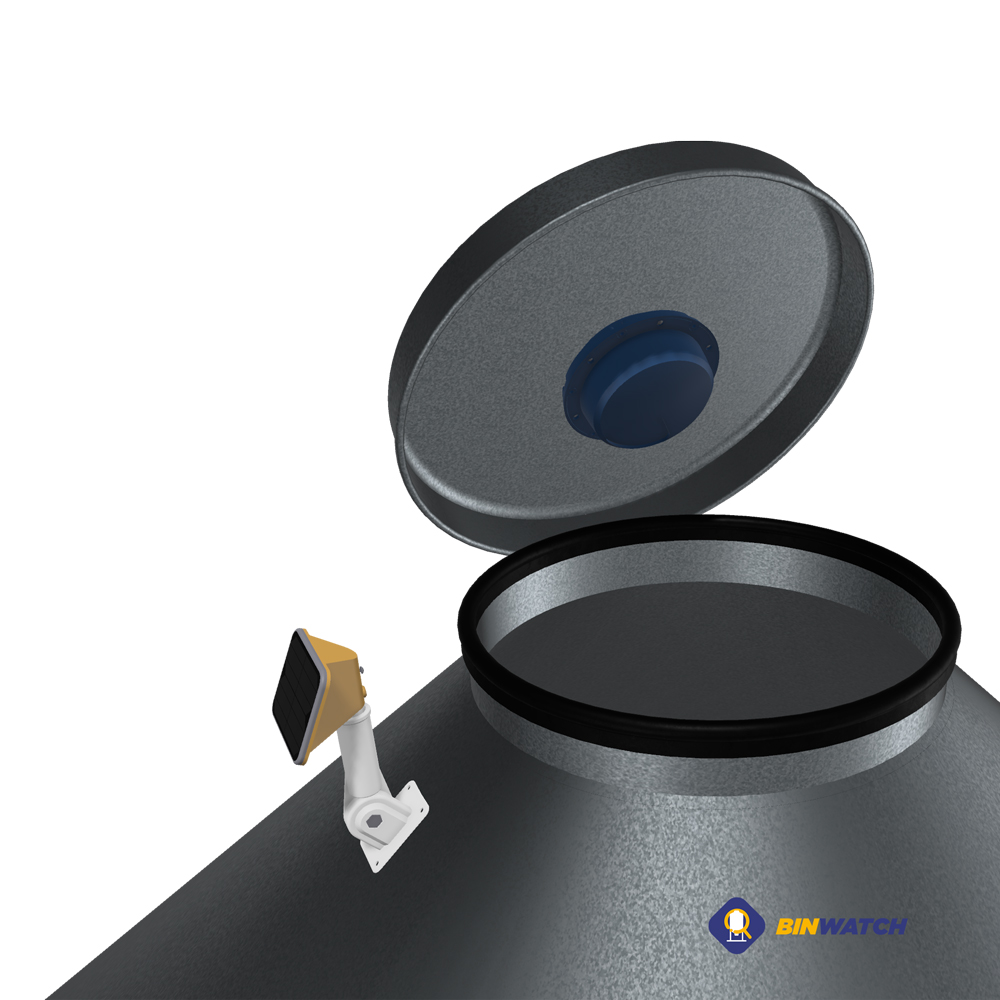
| Installation & Maintenance | Before installation, determine the feed quantity that should remain when the low-level alarm is triggered. Select the sensing position based on silo geometry, hopper angle and the required reserve time before the next feed delivery. For suitable non-intrusive configurations, the sensor can be mounted externally on the lower part of a fiberglass or polyester silo without penetrating the storage wall. Adjustable brackets allow the sensing height to be repositioned when required. After installation, sensitivity should be checked using the actual feed material. Recalibration may be required when feed formulation, density, moisture characteristics or environmental conditions change significantly. Routine maintenance is minimal, but operators should periodically inspect electrical cables, mounting brackets, signal indicators and sensor alignment. Keep the sensing area free from accidental mechanical damage and excessive contamination. |
||||||||||||||||||||||||
| Project Cases | On a commercial pig or poultry farm, the low-level sensor can be positioned near the lower cone of each feed silo and connected to an indicator located at the livestock-house entrance. When feed falls below the selected level, farm personnel receive a clear visual warning and can schedule the next feed delivery. In larger multi-house projects, individual silo sensors can be connected to a centralized control panel so operators can monitor several feed-storage points from one location. This arrangement supports better feed logistics and reduces the need for frequent manual silo inspections. |
||||||||||||||||||||||||
| Product FAQ | Q: What does a feed silo low-level sensor do? A: It detects when stored feed falls below a predefined point and sends a warning signal so the silo can be refilled before it becomes empty. Q: Can it detect different types of feed? A: Yes. Suitable sensor configurations can detect pellets, grain, meal, powders and other dry feed materials. Sensitivity may need adjustment when feed characteristics change. Q: Can it be installed on an existing feed silo? A: Yes. Retrofit installation is possible on compatible existing silos. Non-intrusive models are particularly useful where drilling into a fiberglass or polyester silo should be avoided. Q: Can the low-level position be adjusted? A: Yes. The sensor or mounting support can be positioned according to the required minimum feed reserve and silo configuration. Q: Can the warning light be installed away from the silo? A: Yes. A remote indicator can be installed at a livestock-house entrance, control room or other frequently monitored location. Q: Can the sensor connect to a PLC or farm controller? A: Relay or compatible control outputs are available according to the selected model and project requirements. Q: Does the sensor require regular maintenance? A: Maintenance requirements are generally low, but the mounting, cables, indicator and sensor response should be inspected periodically. Q: What information is required for quotation? A: Recommended information includes silo material, silo diameter, hopper geometry, feed type, required low-level position, power supply, cable length and required alarm or control-system interface. |
||||||||||||||||||||||||
| Product Gallery | 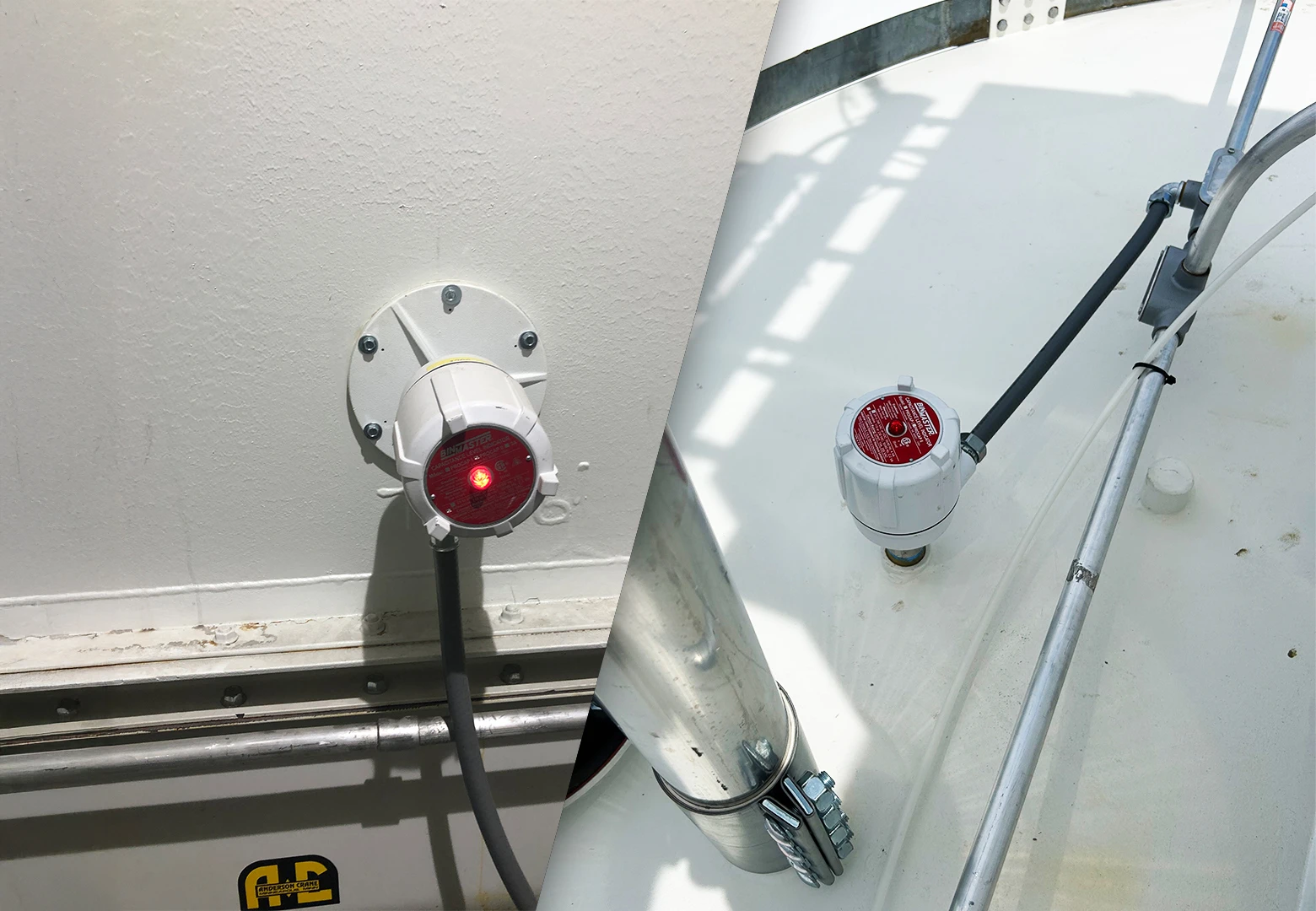 |
- Home
-
Products
- Pig Farming Equipment
- Cattle Farming Equipment
- Sheep & Goat Farming Equipment
- Poultry Farming Equipment
- Feeding & Drinking Systems
- Veterinary & Breeding Equipment
- Testing & Diagnostic Equipment
- Cleaning & Biosecurity Equipment
- Climate Control Equipment
- Livestock Weighing Equipment
- Manure & Waste Management
- Farm Transport & Handling
-
Solutions
- Pig Farm Solutions
- Dairy Farm Solutions
- Beef Cattle Farm Solutions
- Sheep & Goat Farm Solutions
- Layer Farm Solutions
- Broiler Farm Solutions
- Feeding & Drinking System Solutions
- Climate Control Solutions
- Biosecurity & Disinfection Solutions
- Manure & Waste Management
- Smart Farming Solutions
- Farm Renovation and Upgrade Solutions
- Partners
- Projects
- Resources
- News
- About Us
- Contact



Comments & Inquiries
Leave your questions or requirements below. We will reply as soon as possible.