



| Product Name | Feed Silo Load Cell | ||||||||||||||||||||||
| Product Image | 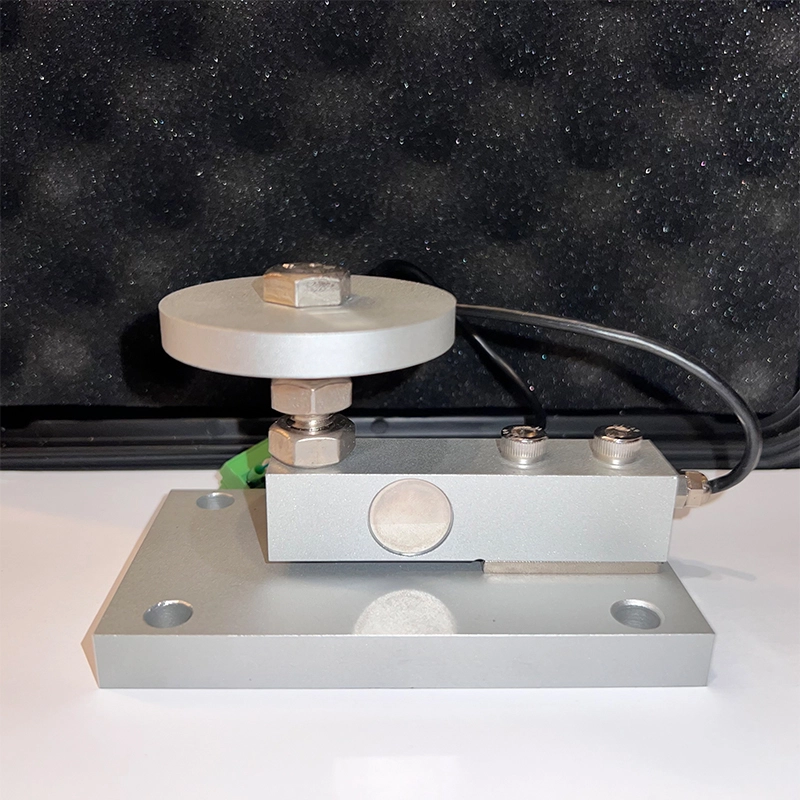 |
||||||||||||||||||||||
| Product Overview |
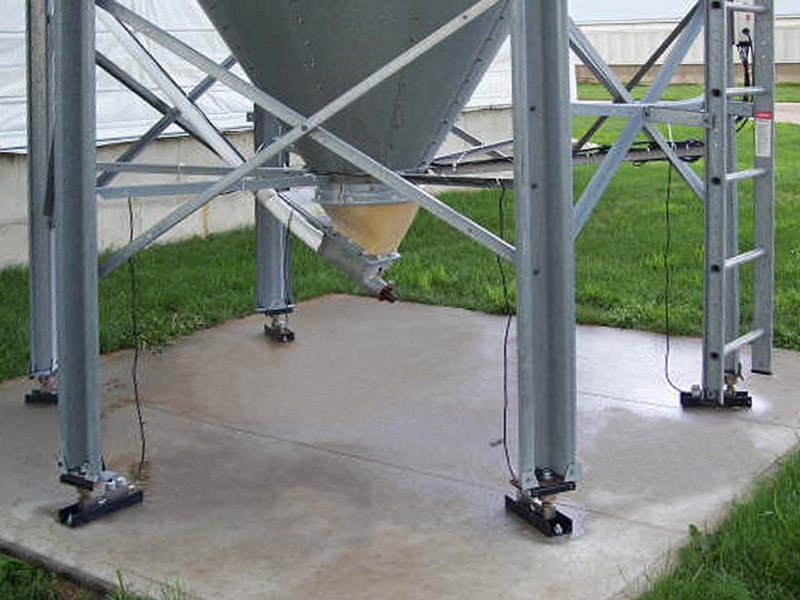
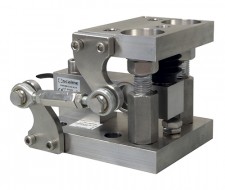
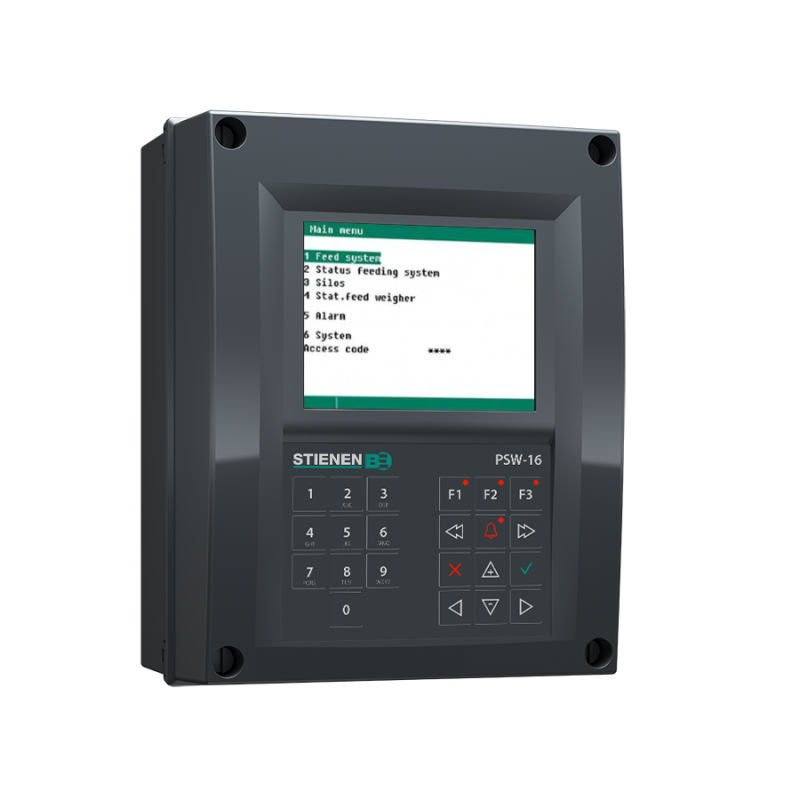
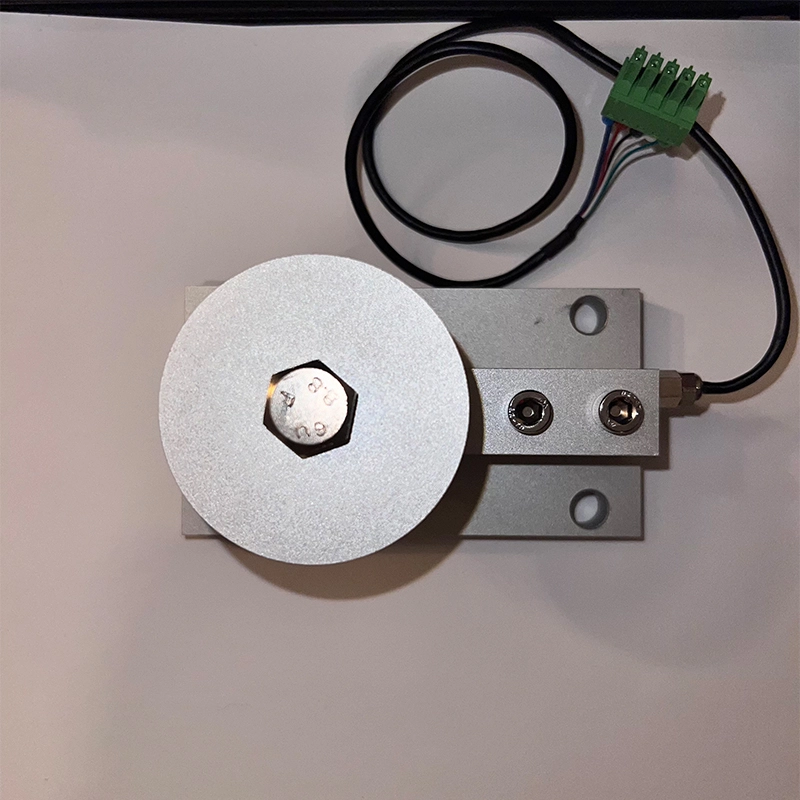
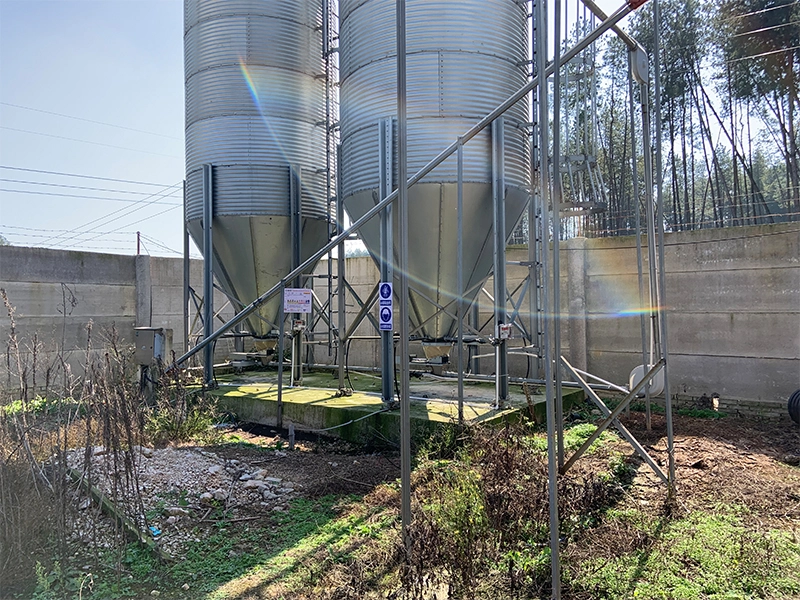
The Feed Silo Load Cell is a precision force sensor designed for feed silo weighing systems used in commercial pig farms, poultry farms and other intensive livestock facilities. Installed at the load-bearing points of a silo, it converts the mechanical force generated by the silo and stored feed into an electrical signal for weight calculation and inventory monitoring. Compared with level-only detection, load-cell weighing directly measures structural load and provides a practical basis for evaluating remaining feed weight, feed deliveries and consumption changes. The measured signal can be connected to a junction box, weighing controller, local indicator or compatible digital farm management system. Feed silo load cells can be incorporated into new pig farm construction, livestock equipment modernization and steel structure building projects. Sensor capacity, mounting arrangement, cable configuration and controller integration can be selected according to silo structure and project requirements. |
||||||||||||||||||||||
| Key Features |
|
||||||||||||||||||||||
| Structural Components |
|
||||||||||||||||||||||
| Working Principle |
When the silo and stored feed apply force to the load cell, the elastic sensing element undergoes a very small, controlled deformation. Strain gauges bonded to the sensing element deform at the same time, producing a corresponding change in electrical resistance. The strain-gauge circuit converts this mechanical deformation into a proportional electrical signal. Where several load cells are used beneath multiple silo legs, the individual signals are normally combined through a junction box and transmitted to a weighing indicator or controller. After correct zero setting and system calibration, the controller converts the load-cell signal into total silo weight. After accounting for the silo tare weight, the system can provide usable information about the quantity of feed stored inside the silo. |
||||||||||||||||||||||
| Technical Specifications |
|
||||||||||||||||||||||
| Applications |
|
||||||||||||||||||||||
| Customization Options |
|
||||||||||||||||||||||
| Installation & Maintenance |
Capacity Selection: Select the sensor capacity based on the maximum loaded silo weight, silo tare weight, number of support points, possible uneven loading and appropriate engineering safety allowance. Structural Installation: Install each load cell at the designated silo support point so that the vertical load is transferred correctly through the weighing module. Side loading, binding and uncontrolled mechanical connections should be minimized. Foundation Condition: The concrete foundation and steel support structure should be stable and sufficiently rigid. Significant settlement or distortion can affect weighing performance. Electrical Installation: Protect signal cables from mechanical damage, moisture and unnecessary electromagnetic interference. Junction boxes and electrical enclosures should be installed in serviceable locations. Calibration: Complete zero adjustment and calibration after the full weighing assembly has been installed. Recalibration may be required after structural changes or replacement of weighing components. Routine Maintenance: Periodically inspect mounting bolts, sensor cables, junction boxes, corrosion protection and surrounding steelwork. Remove material buildup or foreign objects that could create an unintended mechanical bypass around the load cell. |
||||||||||||||||||||||
| Commercial Farm Benefits |
|
||||||||||||||||||||||
| Product FAQ |
Q: What is a feed silo load cell? A: It is a force sensor installed at a silo support point. It converts the load generated by the silo and stored feed into an electrical signal that can be processed by a weighing controller. Q: How many load cells are required for one silo? A: The quantity normally depends on the silo support structure. A silo with several load-bearing legs generally requires weighing points arranged according to those supports and the engineering design. Q: How should the load-cell capacity be selected? A: Capacity should be selected after considering the maximum loaded silo weight, empty silo weight, number of sensors, possible uneven load distribution, dynamic forces and an appropriate engineering safety factor. Q: Can the load cells be installed on an existing feed silo? A: In many cases, yes. The existing support legs, foundation, available installation space and structural loading conditions should be evaluated before retrofit installation. Q: Can the sensor be used outdoors? A: Outdoor configurations are available. The load-cell material, sealing, cable protection and electrical enclosures should be selected according to local climate and farm conditions. Q: Can the load cell connect to a farm management system? A: Yes. Load-cell signals can be connected through suitable junction boxes, weighing indicators or controllers and then integrated with compatible feed management or farm automation platforms. Q: What information is required for a quotation? A: Please provide silo capacity, estimated maximum gross weight, number of silo legs, support-leg dimensions, foundation arrangement, installation environment, number of silos and required controller or communication functions. |
||||||||||||||||||||||
| Product Gallery |
|
- Home
-
Products
- Pig Farming Equipment
- Cattle Farming Equipment
- Sheep & Goat Farming Equipment
- Poultry Farming Equipment
- Feeding & Drinking Systems
- Veterinary & Breeding Equipment
- Testing & Diagnostic Equipment
- Cleaning & Biosecurity Equipment
- Climate Control Equipment
- Livestock Weighing Equipment
- Manure & Waste Management
- Farm Transport & Handling
-
Solutions
- Pig Farm Solutions
- Dairy Farm Solutions
- Beef Cattle Farm Solutions
- Sheep & Goat Farm Solutions
- Layer Farm Solutions
- Broiler Farm Solutions
- Feeding & Drinking System Solutions
- Climate Control Solutions
- Biosecurity & Disinfection Solutions
- Manure & Waste Management
- Smart Farming Solutions
- Farm Renovation and Upgrade Solutions
- Partners
- Projects
- Resources
- News
- About Us
- Contact
Comments & Inquiries
Leave your questions or requirements below. We will reply as soon as possible.