



| Product Name | Industrial Silo Load Cell Kit | ||||||||||||||||||||||||
| Product Image | 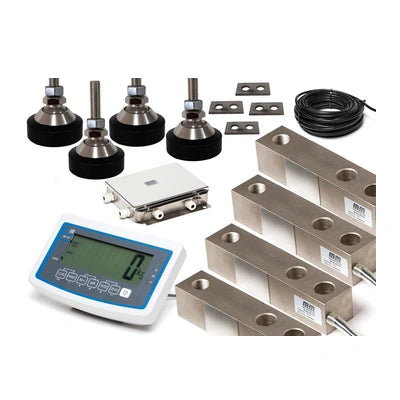 |
||||||||||||||||||||||||
| Product Overview |
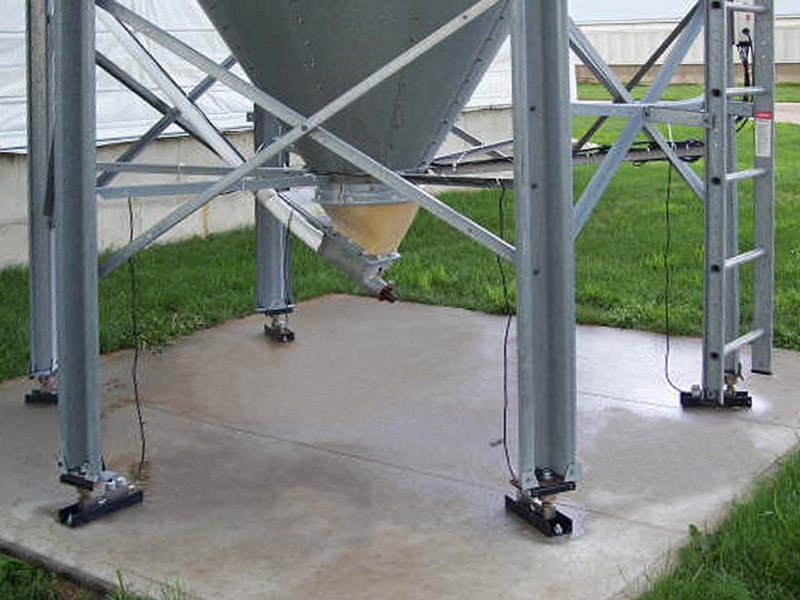
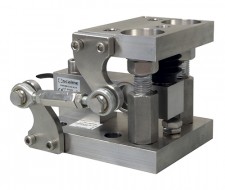
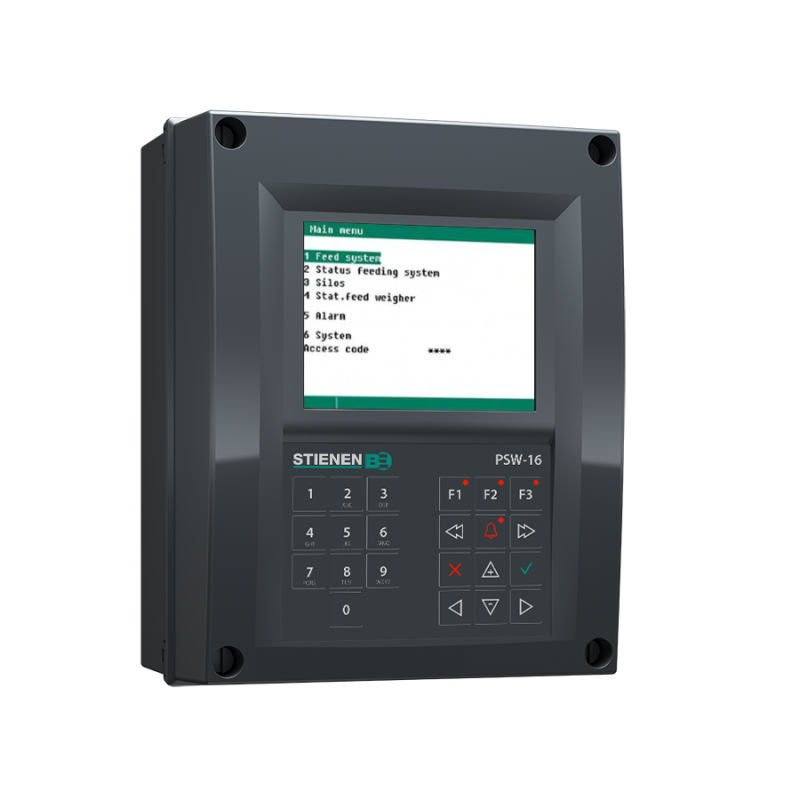
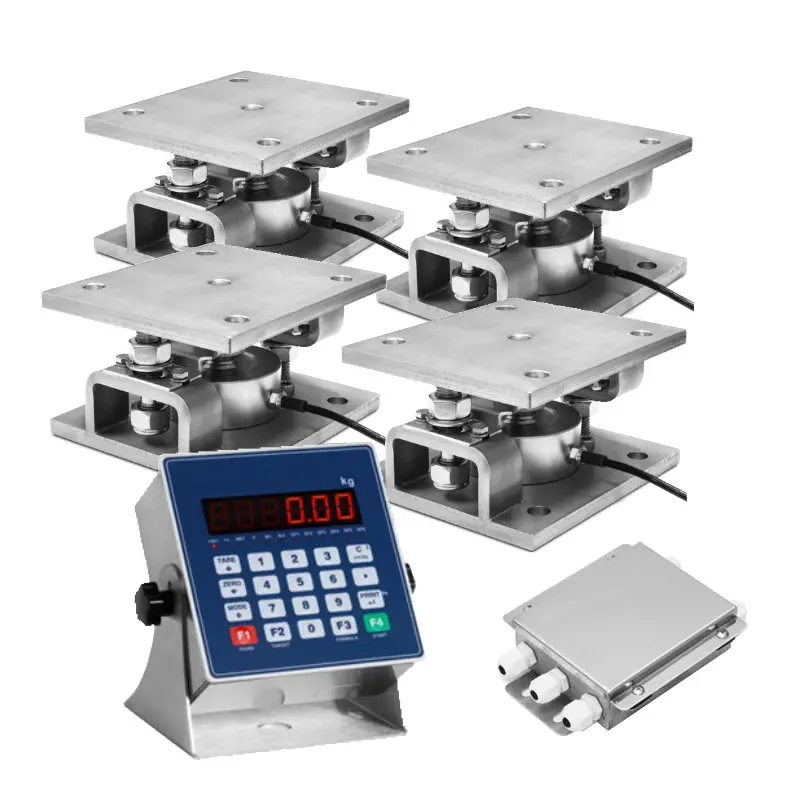
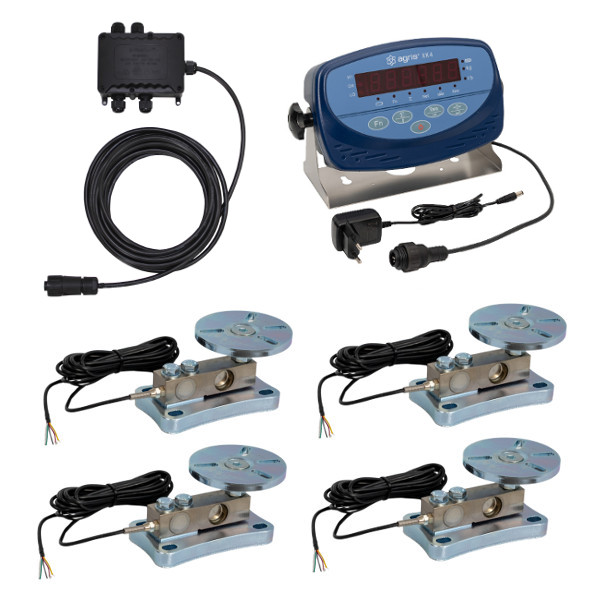
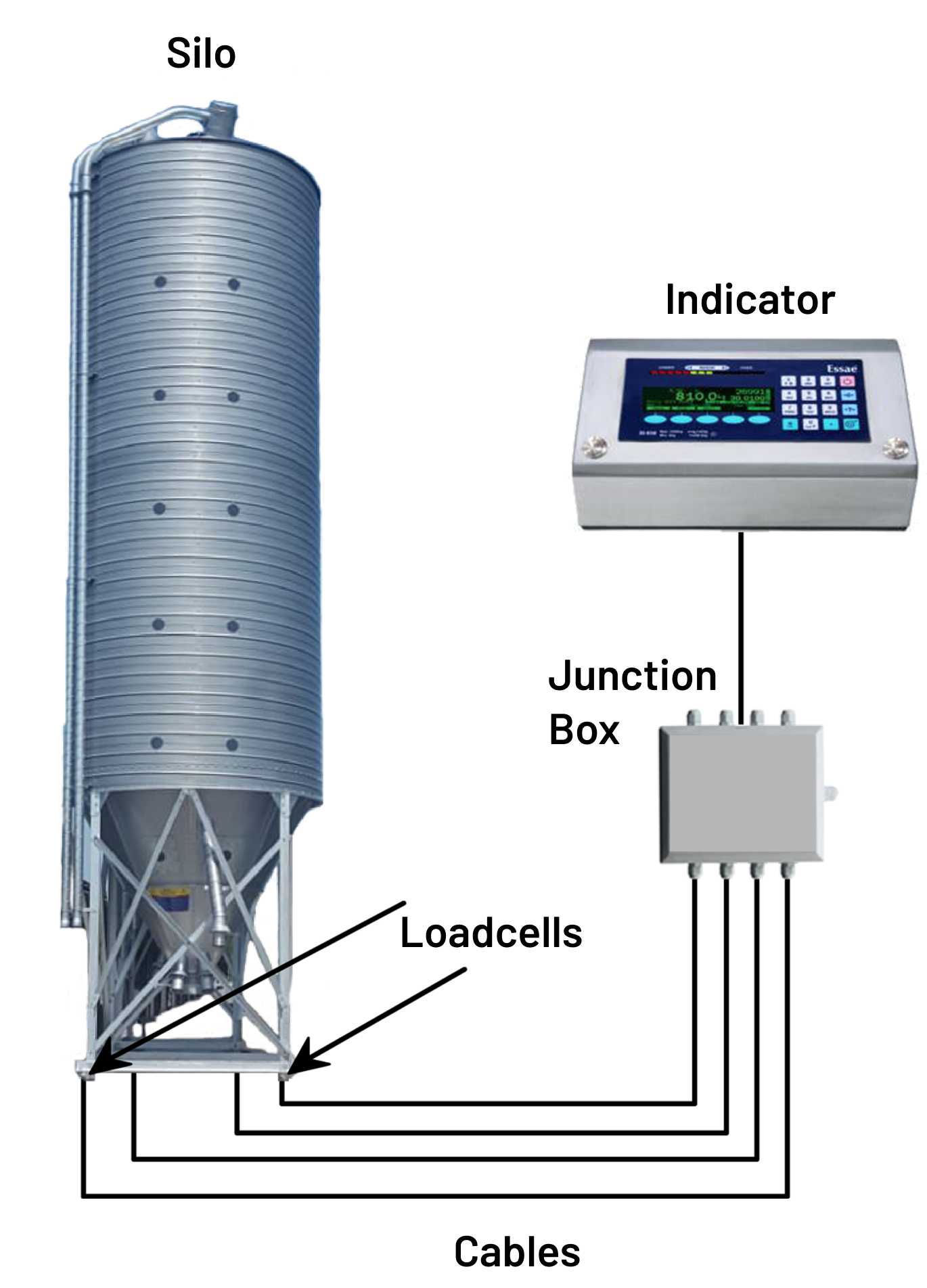
The Industrial Silo Load Cell Kit is a complete weighing solution designed for feed silos, hoppers, tanks and bulk material storage vessels used in commercial livestock farms and industrial agricultural projects. The system typically uses multiple heavy-duty load cells installed beneath the silo support points. These sensors convert the vertical structural load into electrical signals, allowing the weight of stored feed to be monitored accurately through a compatible indicator, controller or farm management system. The kit is suitable for pig farm construction, poultry projects, livestock equipment upgrades and steel structure building applications. Load cell capacity, mounting assemblies, signal junction boxes and controller interfaces can be configured according to silo size, support-leg arrangement and project requirements. |
||||||||||||||||||||||||
| Key Features |
|
||||||||||||||||||||||||
| Structural Components |
|
||||||||||||||||||||||||
| Working Principle |
Each silo support point transfers a proportion of the total structural load through a load cell. As feed is delivered into or discharged from the silo, the applied load changes and the corresponding electrical output of the sensors changes proportionally. Signals from the individual load cells are collected through a junction box and transmitted to a compatible digital weight indicator or controller. After installation, zero adjustment and calibration, the weighing system can calculate the gross silo weight and determine the net feed weight using the known tare value. The resulting data can be used for real-time feed inventory monitoring, delivery verification, daily consumption analysis, low-stock alarms and integration with automatic livestock feeding systems. |
||||||||||||||||||||||||
| Technical Specifications |
|
||||||||||||||||||||||||
| Applications |
|
||||||||||||||||||||||||
| Customization Options |
|
||||||||||||||||||||||||
| Installation & Maintenance |
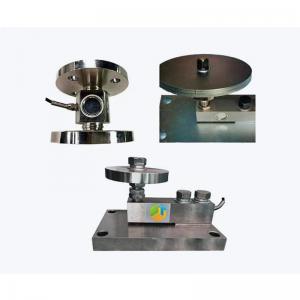
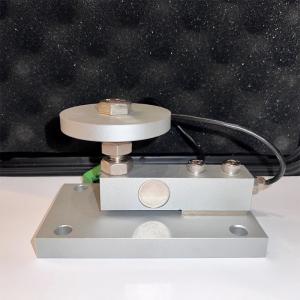
Structural Assessment: Confirm silo tare weight, maximum feed capacity, support-leg quantity, foundation condition and expected wind or lateral loads before selecting the load cells. Mechanical Installation: Each load-bearing point should transfer its force vertically through the weighing module. Mounting surfaces should be level, rigid and aligned to avoid excessive side loading or structural binding. Junction Box Wiring: Load cell cables should be securely connected and protected against moisture, abrasion and damage from livestock farm maintenance activities. Calibration: Zero adjustment and system calibration should be completed after all structural and electrical components have been installed. Maintenance: Periodically inspect mounting bolts, load cells, restraint components, junction boxes and cables. Recalibration is recommended after major structural changes, load cell replacement or significant maintenance to the silo support system. |
||||||||||||||||||||||||
| Project Applications |
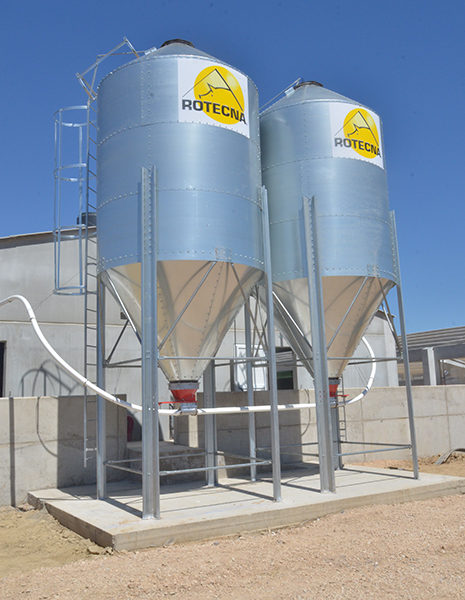
Industrial silo load cell systems are widely used where reliable feed inventory measurement is required across multiple livestock production buildings. A typical project can use individual weighing modules under each silo leg, with signals connected to a centralized indicator or management platform. For large pig farms, the system can support feed replenishment planning, consumption analysis and centralized inventory management. Project configuration should be based on actual silo capacities, structural drawings, foundation conditions and required automation functions. |
||||||||||||||||||||||||
| Product FAQ |
Q: What is normally included in an industrial silo load cell kit? A: A typical system includes load cells, weighing or mounting modules, connection cables and a junction box. A digital indicator, weighing controller or communication module can also be supplied according to project requirements. Q: How many load cells are required for one silo? A: The quantity normally depends on the number and arrangement of structural support points. Four-load-cell systems are common, while other silo structures may require a different configuration. Q: How is the load cell capacity selected? A: Selection should consider the total silo tare weight, maximum stored feed weight, number of supports, expected load distribution and an appropriate engineering safety factor. Q: Can an existing livestock feed silo be converted into a weighing silo? A: In many cases, yes. The existing foundation, silo legs, structural clearances and safe installation method should be evaluated before retrofit work begins. Q: Can the weighing data be monitored remotely? A: Yes, when the load cell kit is connected to a compatible weighing controller, communication module or farm management platform. Q: What project information is required for quotation? A: Please provide silo quantity, total capacity, empty silo weight if available, number of support legs, silo drawings, foundation details, required weighing functions, controller requirements and installation environment. |
||||||||||||||||||||||||
| Product Gallery |
|
- Home
-
Products
- Pig Farming Equipment
- Cattle Farming Equipment
- Sheep & Goat Farming Equipment
- Poultry Farming Equipment
- Feeding & Drinking Systems
- Veterinary & Breeding Equipment
- Testing & Diagnostic Equipment
- Cleaning & Biosecurity Equipment
- Climate Control Equipment
- Livestock Weighing Equipment
- Manure & Waste Management
- Farm Transport & Handling
-
Solutions
- Pig Farm Solutions
- Dairy Farm Solutions
- Beef Cattle Farm Solutions
- Sheep & Goat Farm Solutions
- Layer Farm Solutions
- Broiler Farm Solutions
- Feeding & Drinking System Solutions
- Climate Control Solutions
- Biosecurity & Disinfection Solutions
- Manure & Waste Management
- Smart Farming Solutions
- Farm Renovation and Upgrade Solutions
- Partners
- Projects
- Resources
- News
- About Us
- Contact
Comments & Inquiries
Leave your questions or requirements below. We will reply as soon as possible.