
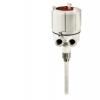
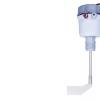
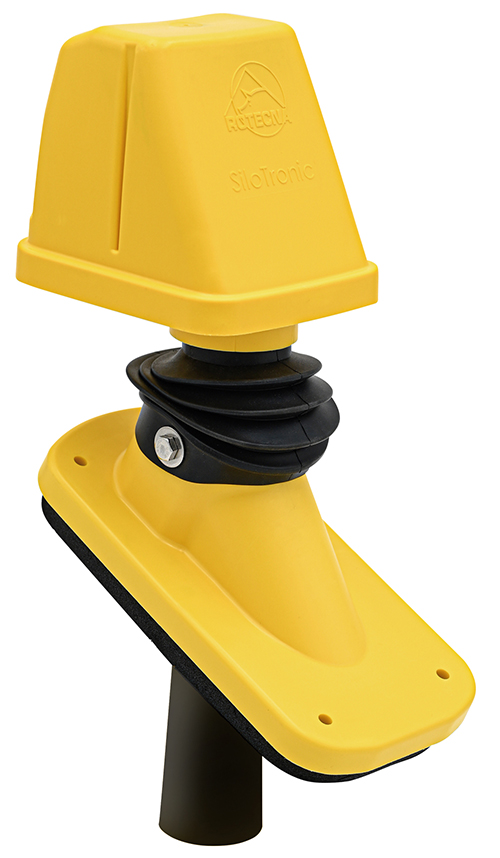
| Product Name | Ultrasonic Feed Silo Level Sensor | ||||||||||||||||||||||||||
| Product Image | 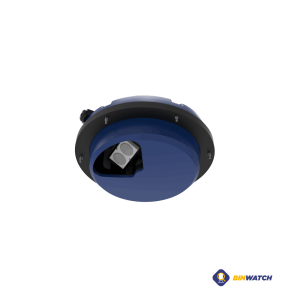 |
||||||||||||||||||||||||||
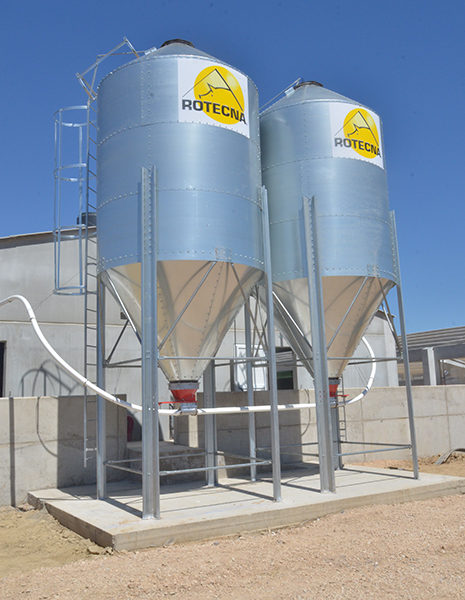
| Product Overview | The Ultrasonic Feed Silo Level Sensor is a non-contact monitoring device designed to measure the remaining feed level inside bulk feed silos and hopper-bottom bins. Mounted near the top of the silo, the sensor measures the distance between the sensing surface and the feed material without requiring direct mechanical contact with the stored product. The measured level can be converted into estimated feed inventory information and transmitted to a local controller, gateway or compatible farm management platform. This gives farm personnel improved visibility of silo status without repeated manual climbing or visual inspection. The system is suitable for commercial poultry farms, pig farms, dairy operations, feed mills and integrated livestock projects where reliable feed inventory information supports purchasing, delivery planning and uninterrupted automatic feeding. |
||||||||||||||||||||||||||
| Key Features |
|
||||||||||||||||||||||||||
| Structural Components |
|
||||||||||||||||||||||||||
| Working Principle | The ultrasonic sensor is installed above the stored feed and directs a sound pulse toward the material surface. The pulse is reflected back to the sensor, and the electronic module calculates the distance according to the signal travel time. Once the internal silo geometry has been configured, measured distance can be converted into level or estimated inventory information. As feed is consumed, the measured distance increases; after feed delivery, the distance decreases. Measurement information can then be transmitted to a local display or remote monitoring platform. When connected to a compatible farm management system, operators can monitor several silos from a centralized interface and use level trends to support feed ordering and consumption management. |
||||||||||||||||||||||||||
| Technical Specifications |
|
||||||||||||||||||||||||||
| Feed Inventory Monitoring | Ultrasonic silo monitoring provides an efficient alternative to routine manual feed-level checks. Because the sensor operates without contacting the feed, there are no rotating paddles or suspended mechanical components inside the material that must move continuously during measurement. Level information can help farm managers confirm feed deliveries, estimate remaining inventory and identify abnormal consumption trends. On multi-house pig and poultry farms, centralized monitoring can provide a clearer overview of feed availability across several production buildings. For inventory calculations, the controller should be configured according to the actual silo dimensions and hopper geometry. Bulk density and the uneven surface profile of stored feed may also influence estimated mass or volume calculations. |
||||||||||||||||||||||||||
| Applications |
|
||||||||||||||||||||||||||
| Customization Options | The Ultrasonic Feed Silo Level Sensor can be configured according to silo height, silo diameter, hopper geometry, feed characteristics, communication distance and required farm management functions. Available options may include measurement range, mounting adapter, wireless communication, gateway, local display, alarm functions, solar-assisted power supply, remote data access and multi-silo monitoring. For complete livestock projects, sensor quantities and communication architecture can be designed according to the number and location of feed silos, steel structure livestock buildings and farm control rooms. |
||||||||||||||||||||||||||
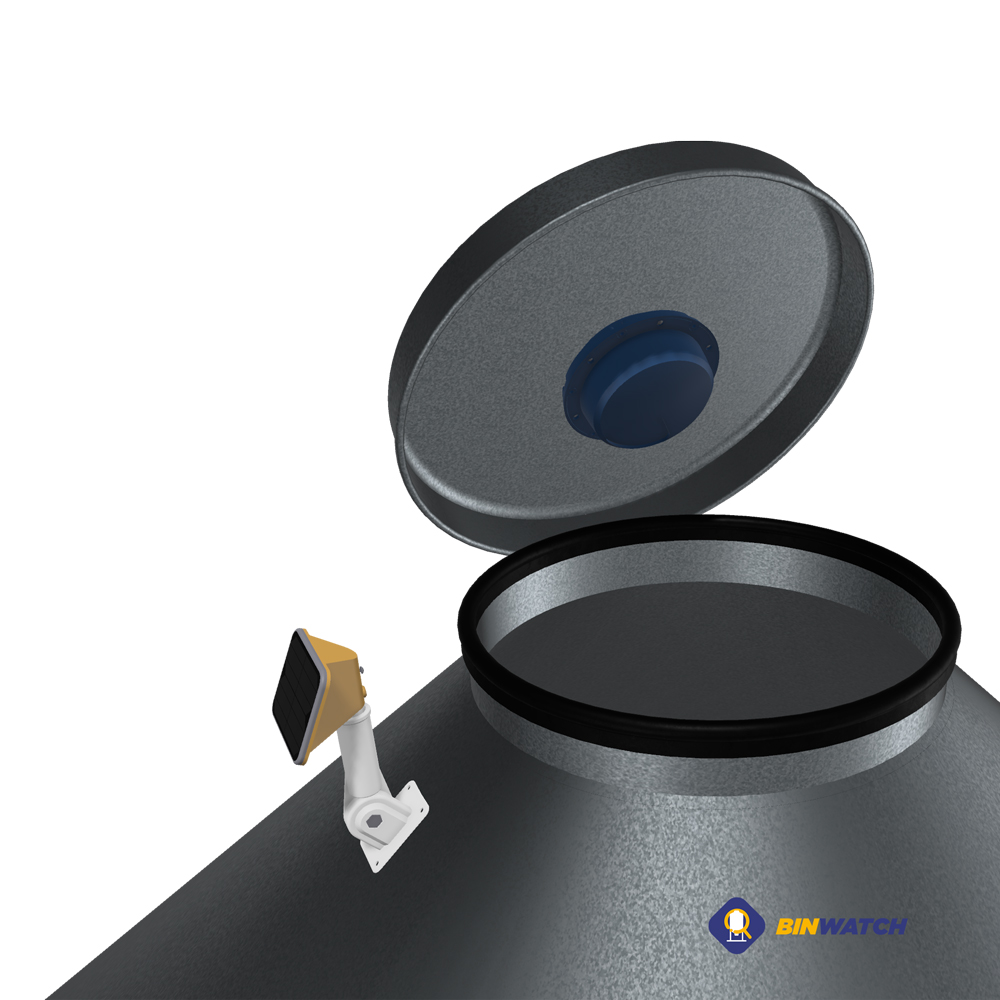
| Installation & Maintenance | The sensor should be mounted securely near the top of the silo with an unobstructed measurement path toward the feed surface. Installation position should avoid filling pipes, internal braces, ladders and other structural components that may generate false ultrasonic reflections. The sensor should be aimed according to the silo geometry and manufacturer's installation requirements. Silo height and hopper dimensions should then be entered into the monitoring system where inventory calculation is required. After installation, verify readings at several known feed levels whenever practical. Routine maintenance mainly consists of checking the mounting hardware, sensor face, enclosure, power supply and communication components. Feed dust or contamination on the sensing surface should be removed when necessary. Safe access procedures and fall-protection requirements must be followed whenever personnel work on the silo roof. |
||||||||||||||||||||||||||
| Project Cases | On a commercial pig or poultry farm, one ultrasonic sensor can be installed on each feed silo and connected to a common gateway or farm controller. Farm personnel can then view feed levels for several animal houses from one monitoring interface instead of inspecting each silo individually. In larger integrated projects, historical silo-level information can support centralized feed purchasing, route planning and delivery scheduling. Sensor installation can be coordinated with silo foundations, automatic feed conveying systems, farm control rooms and steel structure livestock buildings during the project engineering stage. |
||||||||||||||||||||||||||
| Product FAQ | Q: How does an ultrasonic feed silo level sensor work? A: It sends an ultrasonic pulse toward the feed surface and calculates the distance from the time required for the reflected signal to return. Q: Does the sensor touch the feed? A: No. Ultrasonic measurement is non-contact, so the sensing element is installed above the stored material. Q: Can it monitor feed silos remotely? A: Yes. Wireless communication and remote monitoring can be provided with a compatible gateway or farm management platform. Q: Can several silos be monitored through one system? A: Yes. Multi-silo monitoring can be configured according to the communication system and project requirements. Q: Can the sensor be installed on fiberglass and galvanized steel silos? A: Yes. Suitable mounting arrangements can be developed for both GRP fiberglass and galvanized steel feed silos. Q: Does the system measure feed weight directly? A: No. An ultrasonic sensor measures distance or level. Estimated volume or feed quantity is calculated from configured silo geometry and material information. A load-cell weighing system is recommended where direct silo weight measurement is required. Q: What can affect ultrasonic level readings? A: Silo geometry, filling pipes, internal structures, feed surface angle, dust conditions and incorrect sensor alignment can influence measurement performance. Q: What information is required for quotation? A: Recommended information includes silo type, silo height and diameter, hopper geometry, feed type, number of silos, distance between silos and control room, and required local or remote monitoring functions. |
||||||||||||||||||||||||||
| Product Gallery | 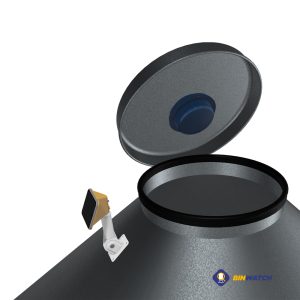 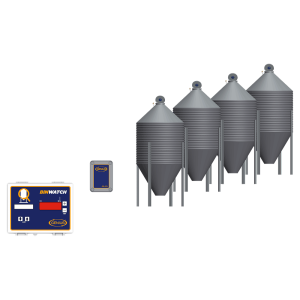 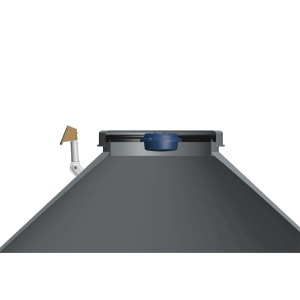 |
- Home
-
Products
- Pig Farming Equipment
- Cattle Farming Equipment
- Sheep & Goat Farming Equipment
- Poultry Farming Equipment
- Feeding & Drinking Systems
- Veterinary & Breeding Equipment
- Testing & Diagnostic Equipment
- Cleaning & Biosecurity Equipment
- Climate Control Equipment
- Livestock Weighing Equipment
- Manure & Waste Management
- Farm Transport & Handling
-
Solutions
- Pig Farm Solutions
- Dairy Farm Solutions
- Beef Cattle Farm Solutions
- Sheep & Goat Farm Solutions
- Layer Farm Solutions
- Broiler Farm Solutions
- Feeding & Drinking System Solutions
- Climate Control Solutions
- Biosecurity & Disinfection Solutions
- Manure & Waste Management
- Smart Farming Solutions
- Farm Renovation and Upgrade Solutions
- Partners
- Projects
- Resources
- News
- About Us
- Contact



Comments & Inquiries
Leave your questions or requirements below. We will reply as soon as possible.