
| Product Name | Portable Small Feed Bin | ||||||||||||||||||||||||
| Product Image | 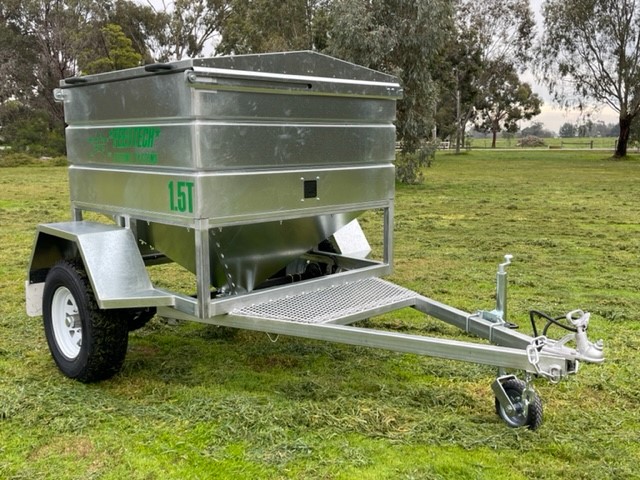 |
||||||||||||||||||||||||
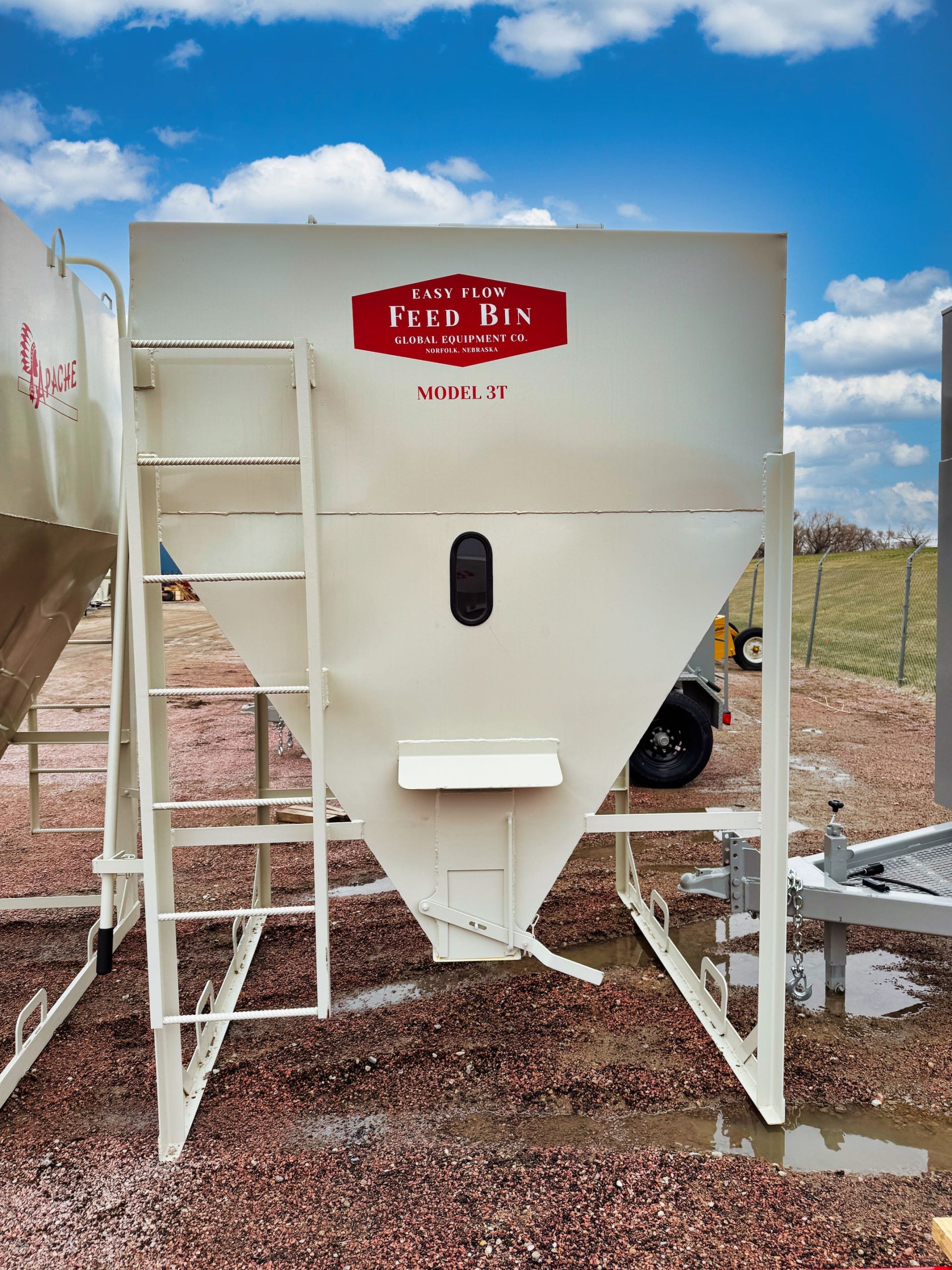
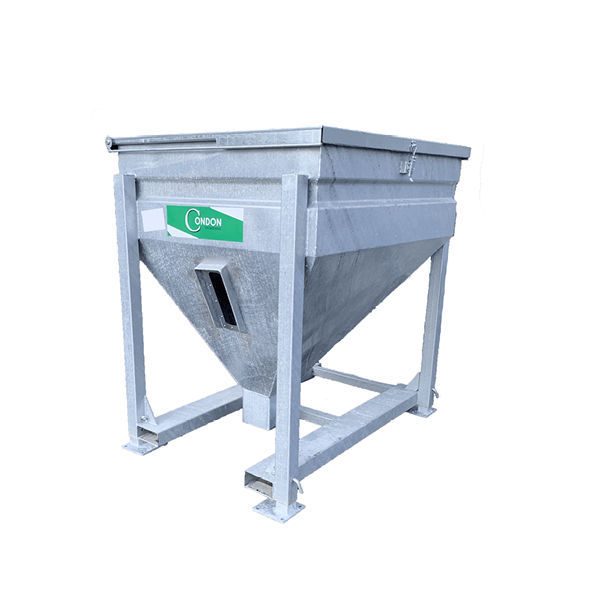
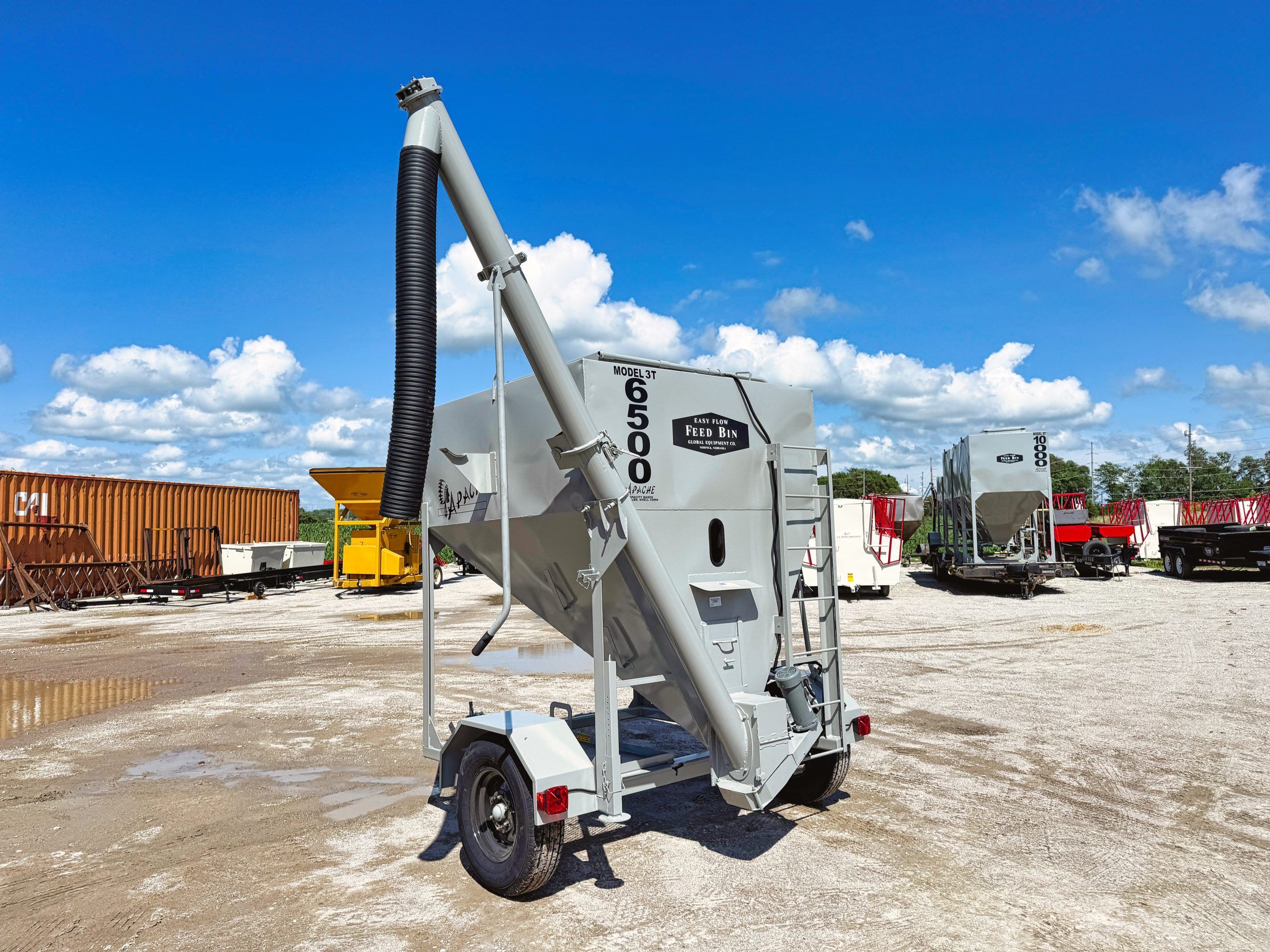
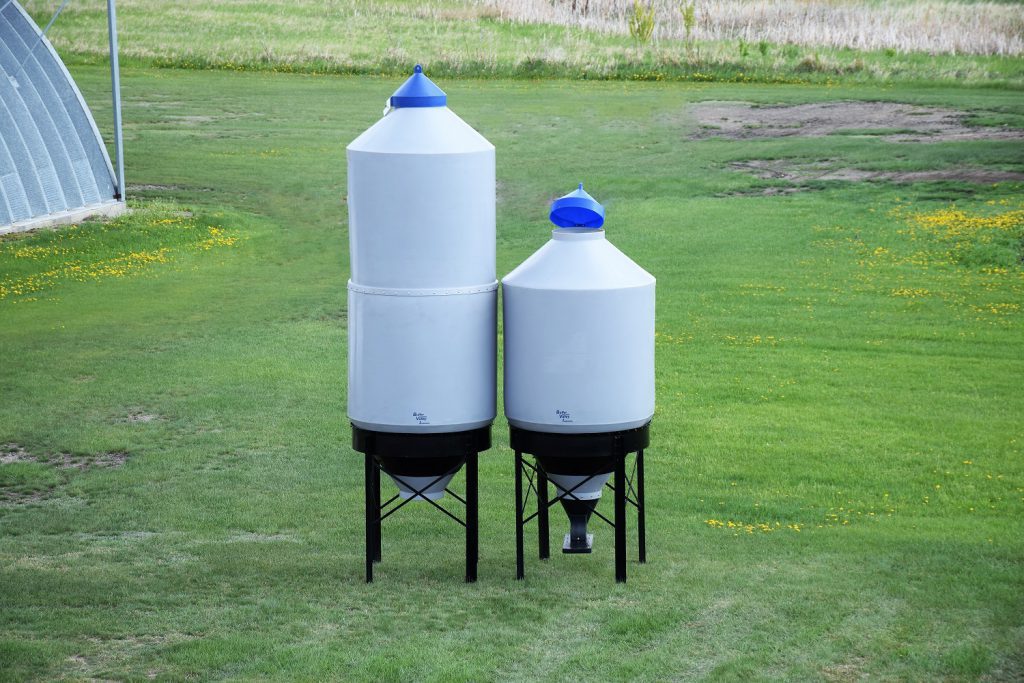
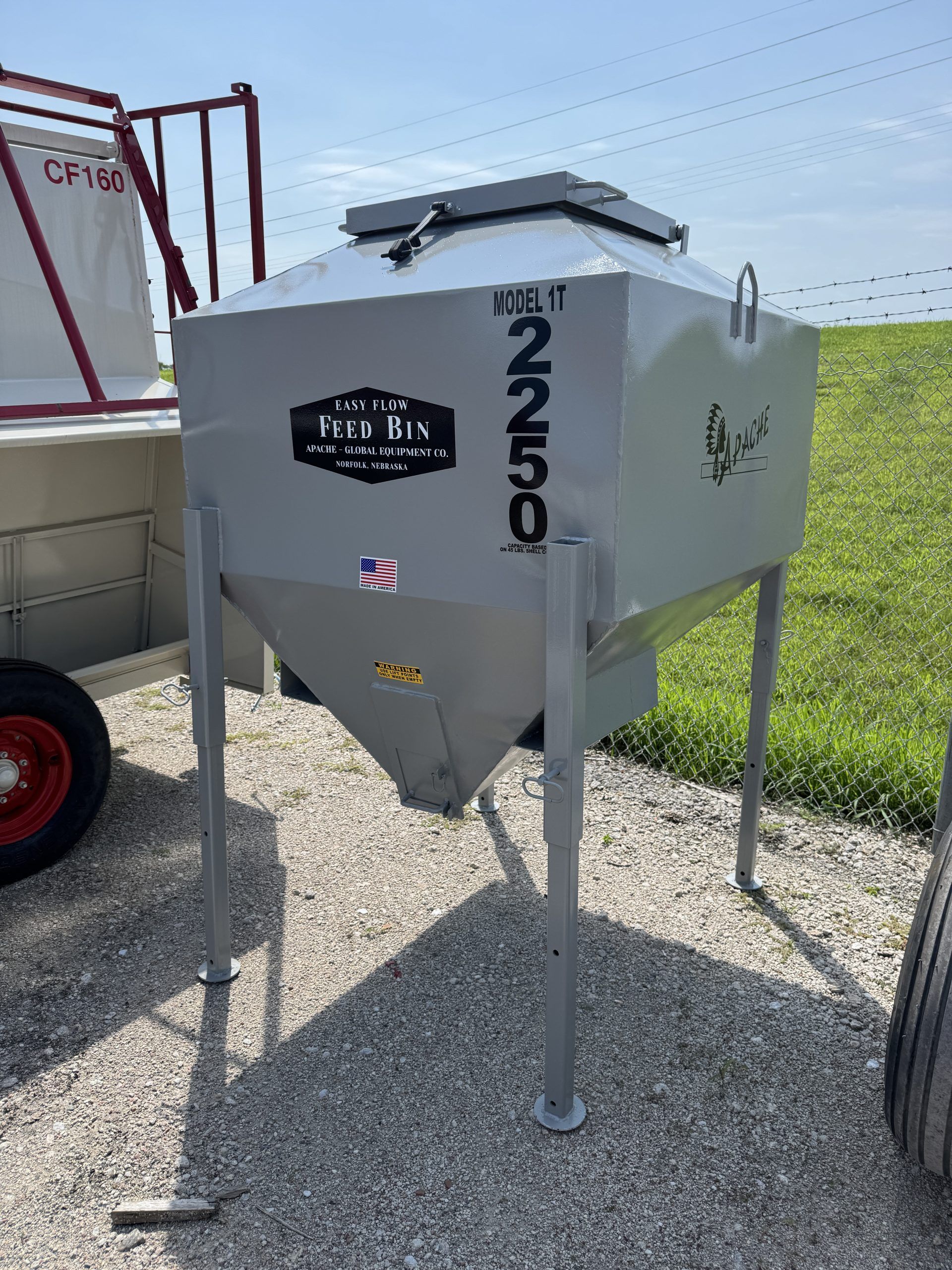
| Product Overview | The Portable Small Feed Bin is a compact bulk-feed storage and transfer solution designed for livestock farms that require flexible feed handling between barns, paddocks, service areas and temporary feeding locations. The bin combines a weather-protected storage hopper, sloped lower section and gravity discharge outlet with a mobile support chassis. The portable configuration allows feed to be moved closer to livestock or farm equipment instead of relying on fixed feed storage at every location. It is suitable for pellets, grain and other compatible free-flowing livestock feeds used on pig farms, poultry farms, cattle farms, goat-farming-equipment/" target="_blank" class="keylink">sheep and goat operations and agricultural project sites. |
||||||||||||||||||||||||
| Key Features |
|
||||||||||||||||||||||||
| Structural Components |
|
||||||||||||||||||||||||
| Working Principle | Bulk livestock feed is loaded through the upper opening and stored inside the hopper. The enclosed body helps protect the material until it is required for distribution. When feed is needed, the operator positions the bin at the required location and opens the bottom discharge gate. Feed moves downward through the sloped hopper by gravity and exits into a bucket, trough, cart or compatible conveying system. After feeding is completed, the gate is closed and the portable bin can be relocated to another area. Optional mechanical or powered auger systems can be fitted where faster or elevated feed transfer is required. |
||||||||||||||||||||||||
| Technical Specifications |
|
||||||||||||||||||||||||
| Applications |
|
||||||||||||||||||||||||
| Customization Options | The Portable Small Feed Bin can be configured according to livestock type, daily feed usage, transport requirements, farm road conditions and available operating space. Available options may include storage capacity, hopper dimensions, galvanized or coated surface, trailer chassis, wheel configuration, towing arrangement, sight glass, access ladder, discharge gate, auger system, forklift pockets and top-lid design. Final configuration can be designed according to local climate and farm conditions and coordinated with livestock housing, automatic feeding systems and overall farm logistics. |
||||||||||||||||||||||||
| Installation & Maintenance | For trailer-mounted configurations, the portable feed bin normally requires minimal site installation. Before use, confirm that the tow hitch, wheels, tires, wheel hubs, safety connections and support jack are in proper condition. The bin should be parked on firm, reasonably level ground before filling or discharging. Do not exceed the approved operating load of the selected chassis, axle or towing vehicle. Routine maintenance includes cleaning accumulated feed dust, checking the discharge gate, inspecting the hopper for corrosion or coating damage, lubricating applicable moving parts and checking chassis fasteners, wheel bearings and tires. Keep the top cover closed when the unit is not being filled to reduce moisture ingress and contamination. Empty and clean the bin before prolonged storage or when changing feed formulations where cross-contamination is a concern. |
||||||||||||||||||||||||
| Product FAQ | Q: What is a portable small feed bin used for? A: It stores bulk livestock feed and allows the feed supply to be moved between barns, paddocks or other farm locations where permanent silos are not practical. Q: What types of feed can be stored? A: The bin is suitable for compatible free-flowing materials such as pellets, grain, meal and selected livestock feed mixes. Flow characteristics should be confirmed for unusually fibrous or high-moisture materials. Q: Can the feed bin be moved when loaded? A: Trailer-mounted models are designed for mobility, but the permitted loaded condition, towing speed and operating surface must follow the selected chassis and project specifications. Q: Can an auger be added? A: Yes. Manual, electric or other project-specific auger discharge options can be supplied upon request. Q: Can the capacity be customized? A: Yes. Capacity and hopper dimensions can be selected according to feed consumption, delivery frequency, towing requirements and available space. Q: Is the bin suitable for outdoor use? A: Yes. Weather-resistant steel construction and covered filling openings can be specified for outdoor agricultural use according to local climate and farm conditions. Q: What information is required for quotation? A: Recommended information includes required feed capacity, feed type, towing method, discharge method, preferred material, site conditions and whether options such as an auger, sight glass or forklift pockets are required. |
||||||||||||||||||||||||
| Product Gallery | 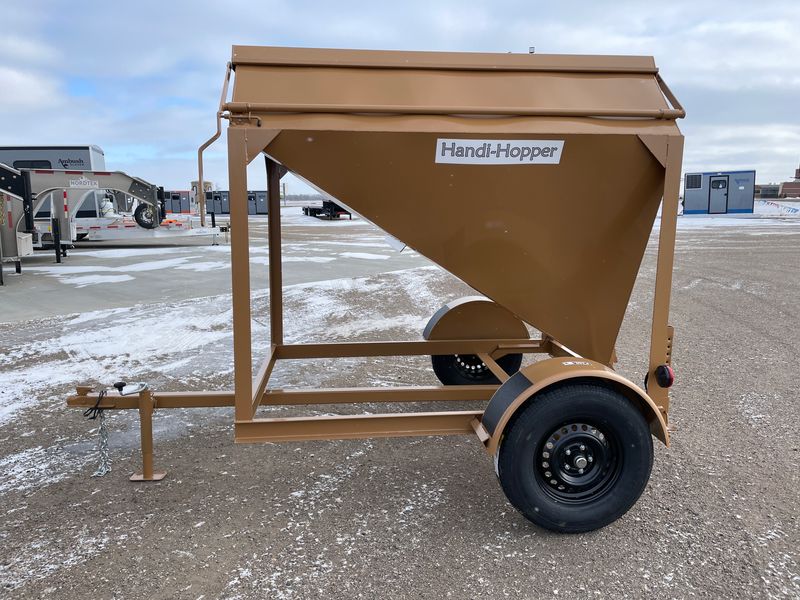 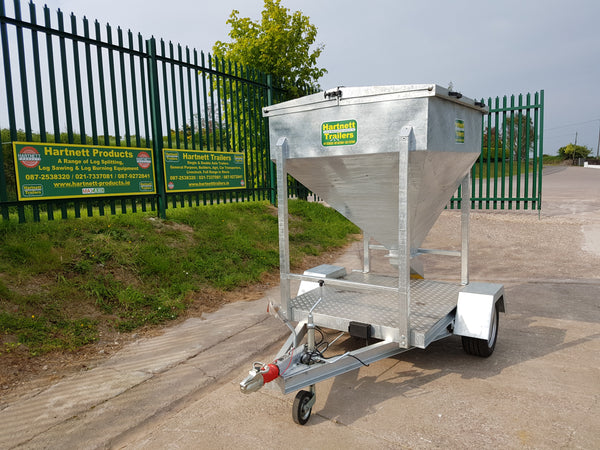  |
- Home
-
Products
- Pig Farming Equipment
- Cattle Farming Equipment
- Sheep & Goat Farming Equipment
- Poultry Farming Equipment
- Feeding & Drinking Systems
- Veterinary & Breeding Equipment
- Testing & Diagnostic Equipment
- Cleaning & Biosecurity Equipment
- Climate Control Equipment
- Livestock Weighing Equipment
- Manure & Waste Management
- Farm Transport & Handling
-
Solutions
- Pig Farm Solutions
- Dairy Farm Solutions
- Beef Cattle Farm Solutions
- Sheep & Goat Farm Solutions
- Layer Farm Solutions
- Broiler Farm Solutions
- Feeding & Drinking System Solutions
- Climate Control Solutions
- Biosecurity & Disinfection Solutions
- Manure & Waste Management
- Smart Farming Solutions
- Farm Renovation and Upgrade Solutions
- Partners
- Projects
- Resources
- News
- About Us
- Contact



Comments & Inquiries
Leave your questions or requirements below. We will reply as soon as possible.