
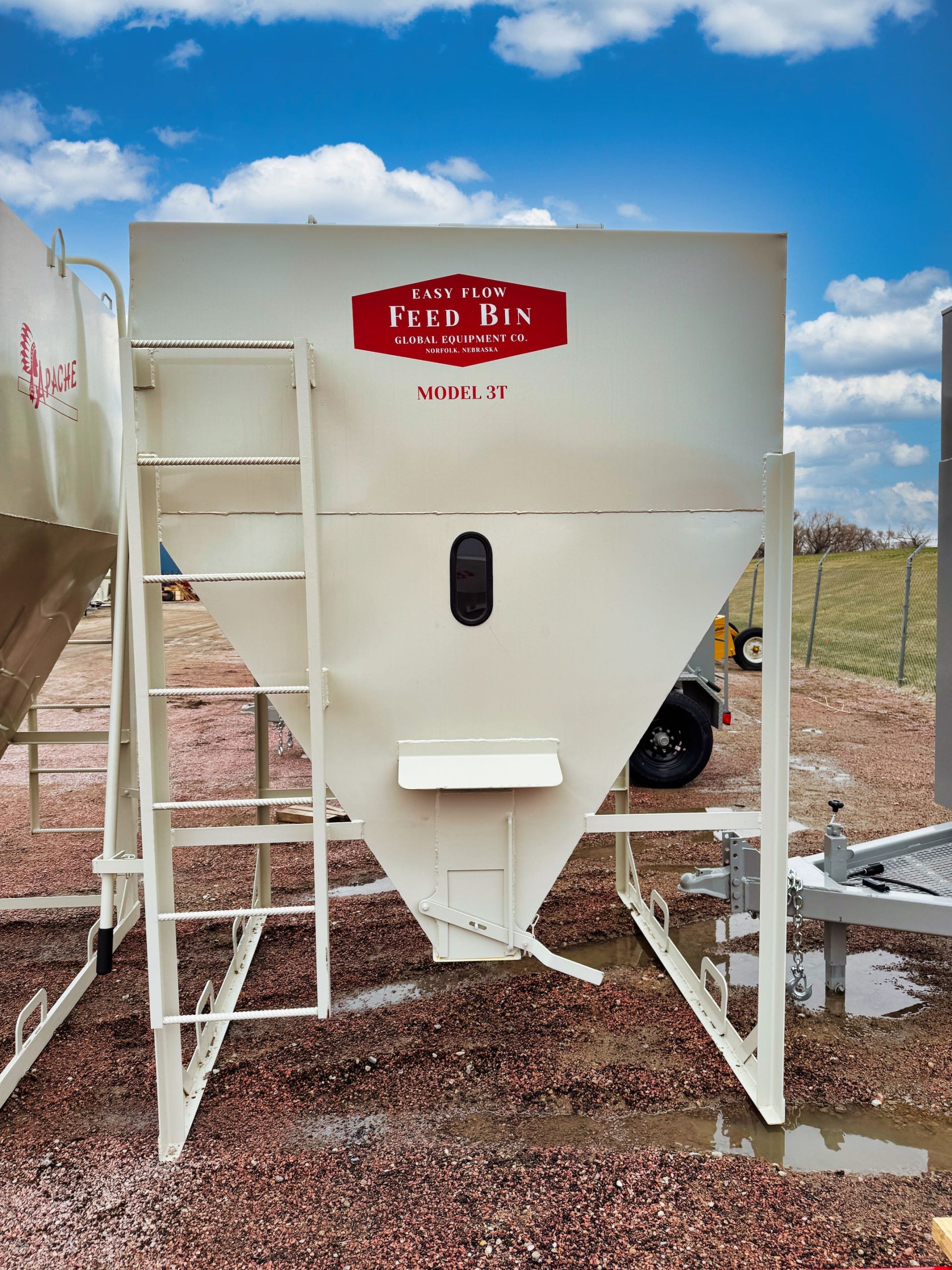
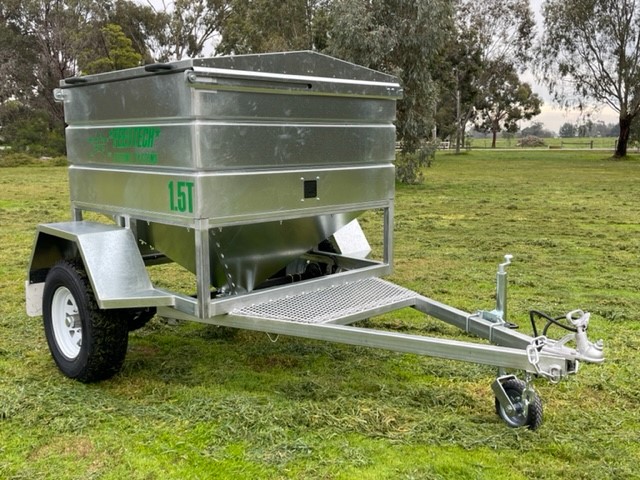
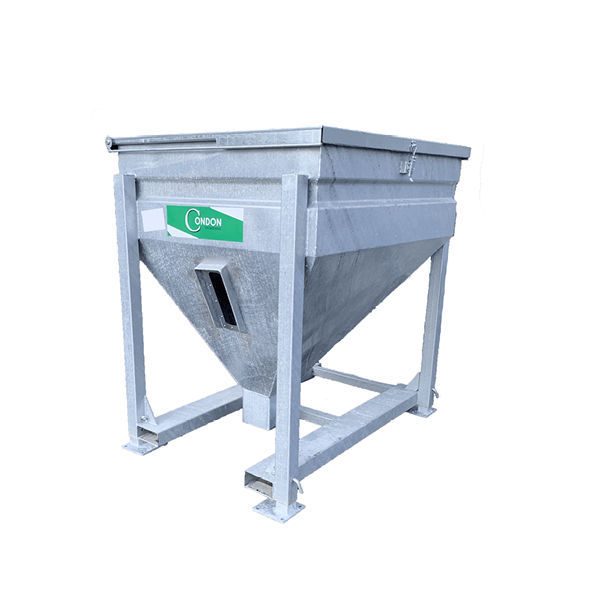
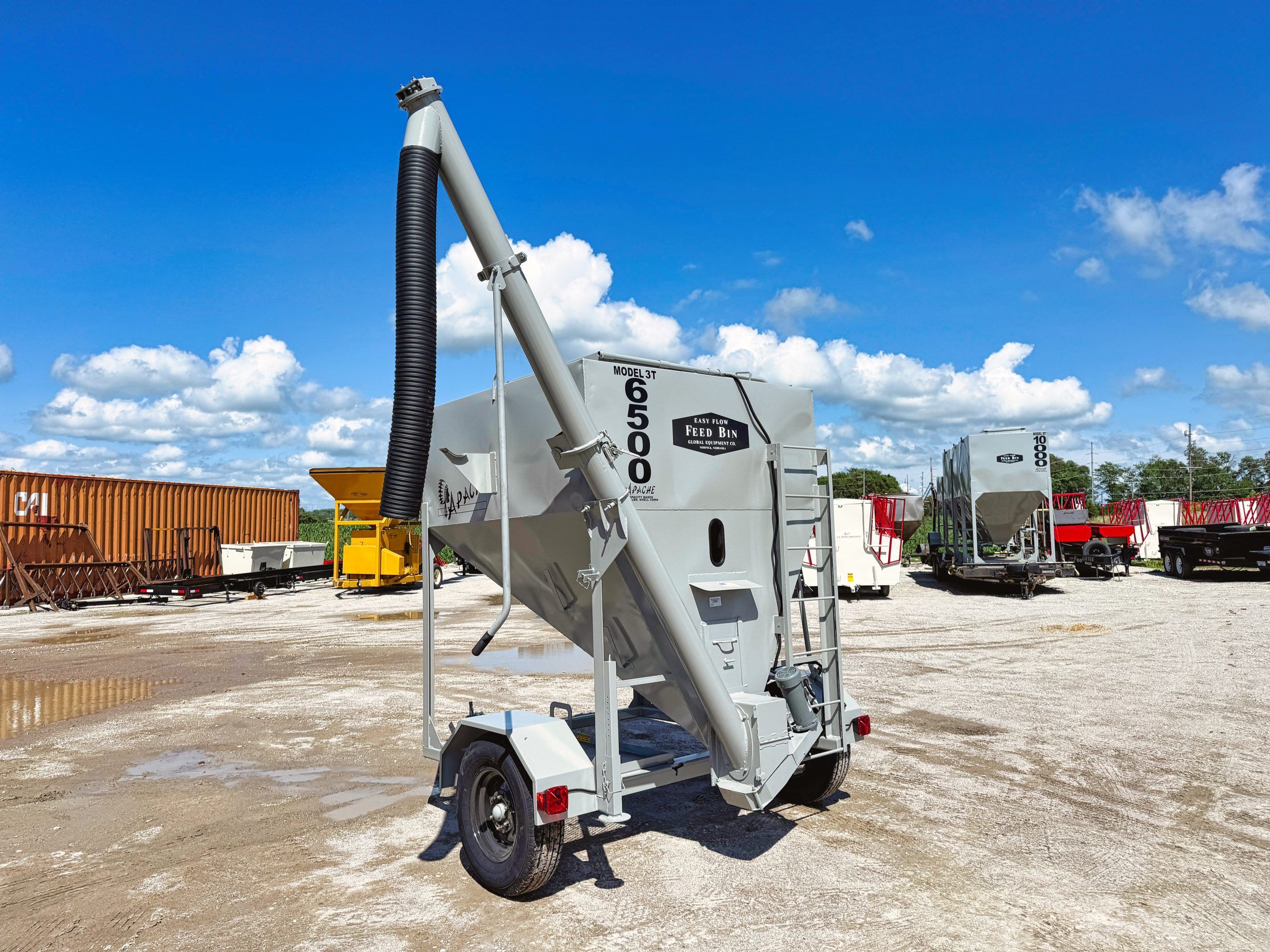
| Product Name | Poly Hopper Bottom Feed Bin | ||||||||||||||||||||||
| Product Image | 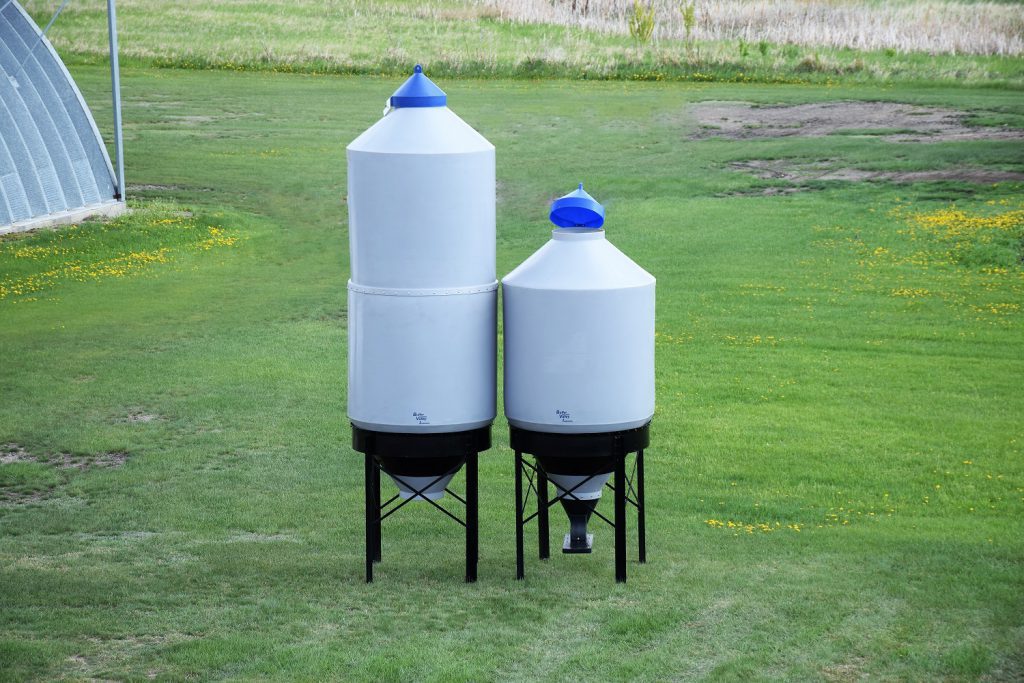 |
||||||||||||||||||||||
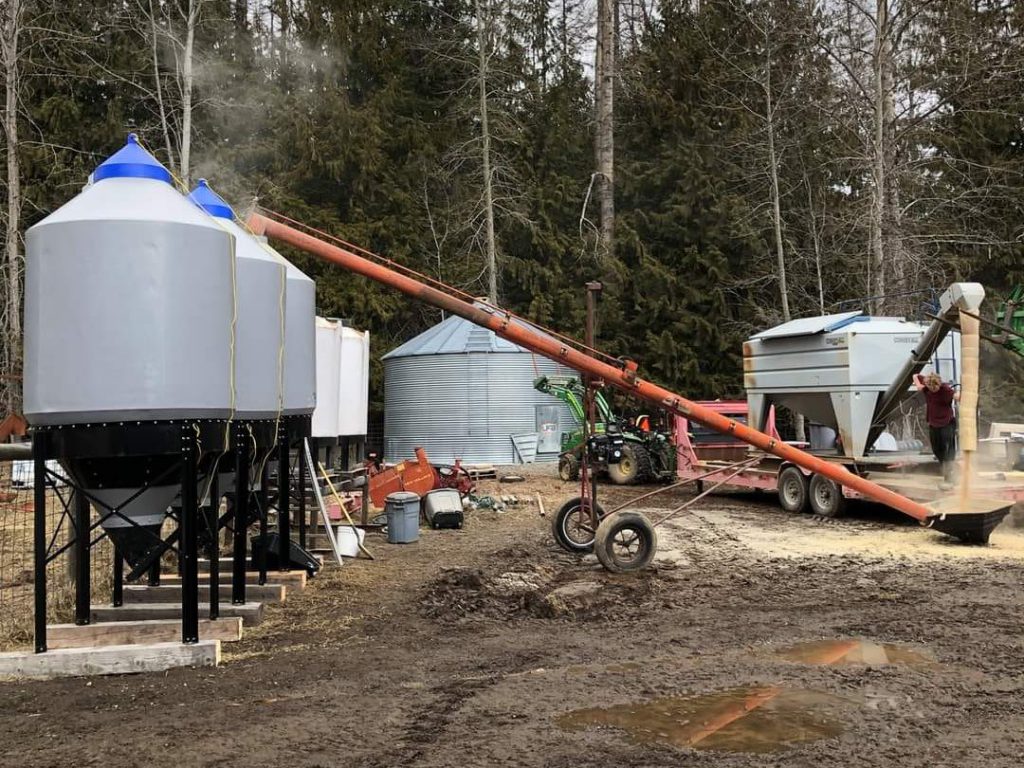
| Product Overview | The Poly Hopper Bottom Feed Bin is a compact bulk storage solution for poultry feed, livestock feed, seed and other dry agricultural materials. Its polyethylene bin body is combined with a rigid steel support frame and a sloped hopper bottom to provide secure storage and convenient material discharge. Compared with conventional small steel storage bins, polyethylene construction provides strong resistance to rust and corrosion while offering a smooth internal surface that is easier to clean. The bin is also designed to protect stored materials from rain, moisture and rodents when properly closed. The hopper-bottom configuration promotes gravity-assisted material flow toward the discharge point, reducing the need for manual handling. The discharge can be connected to a slide gate, boot or suitable feed conveying equipment according to project requirements. |
||||||||||||||||||||||
| Key Features |
|
||||||||||||||||||||||
| Structural Components | The Poly Hopper Bottom Feed Bin is composed of a rotational-molded or molded polyethylene storage body, conical hopper section, top filling lid, steel support frame, hopper discharge boot and slide-control assembly. The upper cylindrical section provides bulk storage volume, while the tapered lower section directs feed toward the center discharge. The steel stand raises the bin above floor level to provide clearance for feed collection, transfer equipment or an auger unloading system. The discharge boot can be configured to suit the required conveying direction. An optional auger attachment can be used where mechanical transfer is required. |
||||||||||||||||||||||
| Working Principle / Structural Principle | Feed is loaded through the top opening using a feed auger, conveyor or other suitable bulk material handling equipment. The enclosed lid helps protect the stored material from rain, debris and pests. During unloading, feed moves downward through the hopper under gravity. The sloped hopper bottom directs material toward the discharge opening, where the adjustable boot and slider regulate the flow. The discharge can be operated manually or connected to a mechanical conveying system such as an auger. For poultry or swine feeding systems, the outlet can be coordinated with the feed line layout and farm building configuration. The hopper angle and discharge arrangement should be selected according to the stored feed characteristics, required flow rate and conveying equipment. |
||||||||||||||||||||||
| Technical Specifications |
The reference manufacturer lists 100- and 150-bushel versions with 120 and 180 cubic feet of volume respectively, a 60-inch diameter, a 55° hopper slope and adjustable discharge configurations. Final specifications should be confirmed according to the selected model and project requirements. |
||||||||||||||||||||||
| Applications | The Poly Hopper Bottom Feed Bin is suitable for a wide range of agricultural and livestock applications:
For commercial pig and poultry farms, the bin can be positioned outside or near the feed room and connected to an auger or other feed conveying system to supply automatic feeding lines. |
||||||||||||||||||||||
| Customization Options | Feed bin configuration can be customized according to project requirements, farm capacity and feed-handling system. Available options may include storage capacity, bin diameter, overall height, hopper angle, steel stand dimensions, discharge boot orientation, slider configuration, auger connection, lid arrangement and accessory selection. For poultry and swine projects, the bin outlet can be coordinated with feed augers, feed lines, drop pipes and the building layout. Multiple bins can also be arranged to provide separate storage for different feed formulas or production stages. Equipment can be designed according to local climate, farm conditions, feed characteristics and installation requirements. |
||||||||||||||||||||||
| Installation & Maintenance | The feed bin should be installed on a stable and properly prepared foundation capable of supporting the fully loaded bin and steel support structure. Foundation and anchor details should be determined according to the final bin capacity, local structural requirements and site conditions. Installation should provide adequate clearance around the bin for filling, discharge operation, inspection and maintenance. The discharge height and boot orientation should be coordinated with the selected auger or feed conveying system. Before operation, check the steel stand, fasteners, bin connections, lid, discharge slider and conveying connection. All structural components should be inspected periodically for wear, deformation or loose fasteners. The smooth polyethylene interior can be washed and cleaned more easily than many conventional metal storage surfaces. The bin should be emptied and cleaned according to the farm's feed hygiene and biosecurity procedures before changing feed types where required. |
||||||||||||||||||||||
| Project Integration | For commercial livestock projects, the Poly Hopper Bottom Feed Bin can form part of a complete feed storage and conveying system. Its capacity and outlet should be coordinated with the daily feed consumption, feed delivery schedule, auger capacity and automatic feeding line requirements. In new poultry house or pig farm construction, the bin location can be planned together with the building foundation, feed room, electrical system, feed auger route, service access and vehicle delivery area. For steel structure buildings and livestock facilities, proper coordination of bin height, roof clearance, feed inlet access and discharge elevation helps simplify installation and long-term operation. |
||||||||||||||||||||||
| Product FAQ |
Q1: What is a Poly Hopper Bottom Feed Bin? Q2: What feed can be stored in the bin? Q3: What capacities are available? Q4: Is the bin suitable for poultry farms? Q5: Can it be used on a pig farm? Q6: Does the polyethylene body resist corrosion? Q7: Can the feed bin connect to an auger? Q8: What information is needed for a quotation? |
||||||||||||||||||||||
| Product Gallery |
   |
- Home
-
Products
- Pig Farming Equipment
- Cattle Farming Equipment
- Sheep & Goat Farming Equipment
- Poultry Farming Equipment
- Feeding & Drinking Systems
- Veterinary & Breeding Equipment
- Testing & Diagnostic Equipment
- Cleaning & Biosecurity Equipment
- Climate Control Equipment
- Livestock Weighing Equipment
- Manure & Waste Management
- Farm Transport & Handling
-
Solutions
- Pig Farm Solutions
- Dairy Farm Solutions
- Beef Cattle Farm Solutions
- Sheep & Goat Farm Solutions
- Layer Farm Solutions
- Broiler Farm Solutions
- Feeding & Drinking System Solutions
- Climate Control Solutions
- Biosecurity & Disinfection Solutions
- Manure & Waste Management
- Smart Farming Solutions
- Farm Renovation and Upgrade Solutions
- Partners
- Projects
- Resources
- News
- About Us
- Contact



Comments & Inquiries
Leave your questions or requirements below. We will reply as soon as possible.