
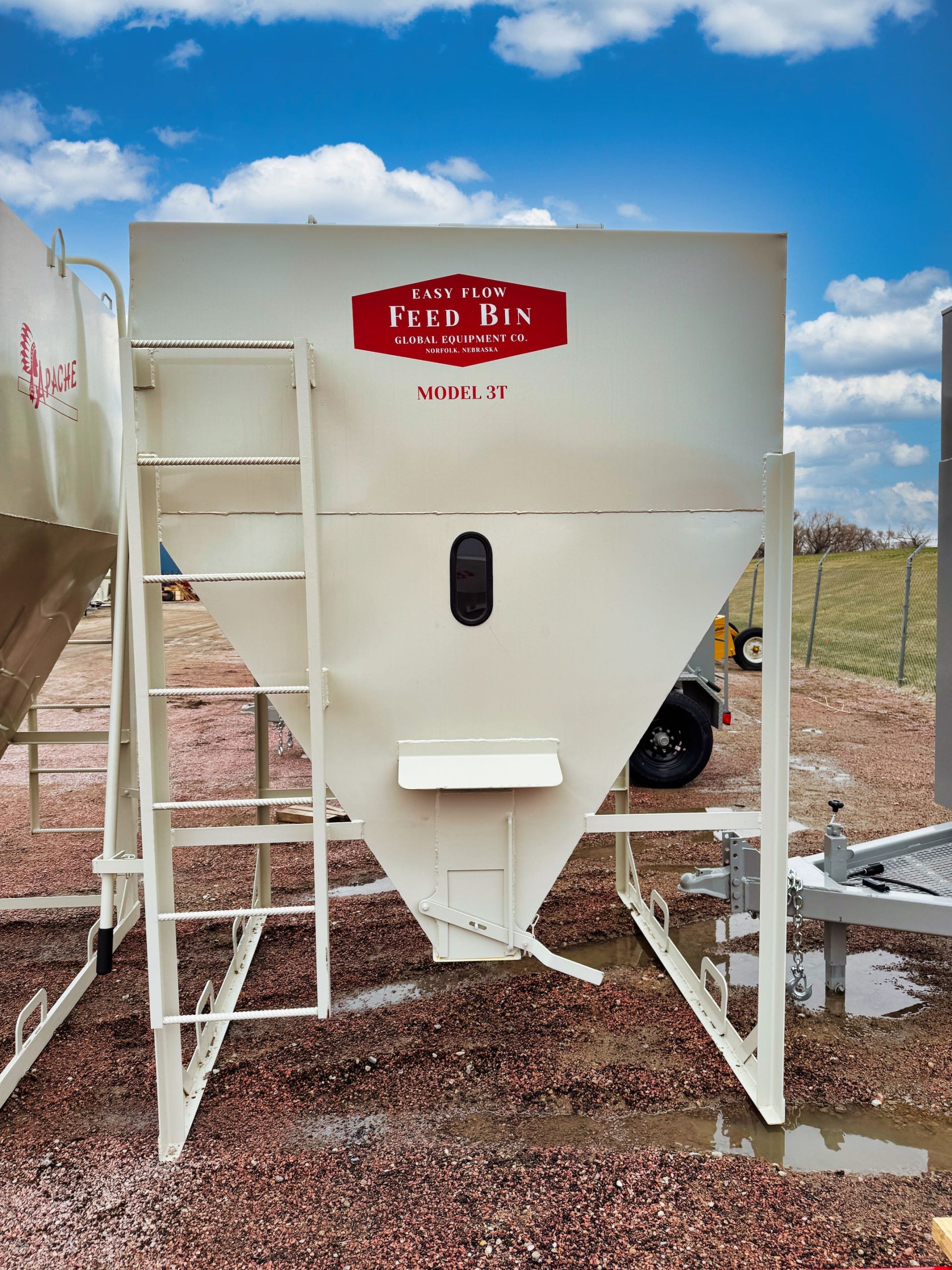
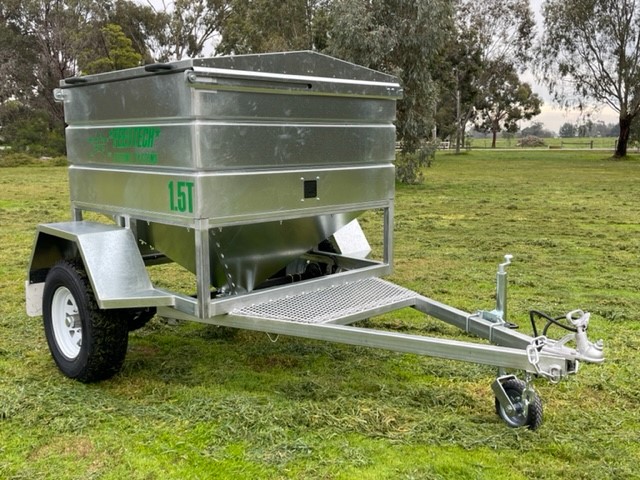
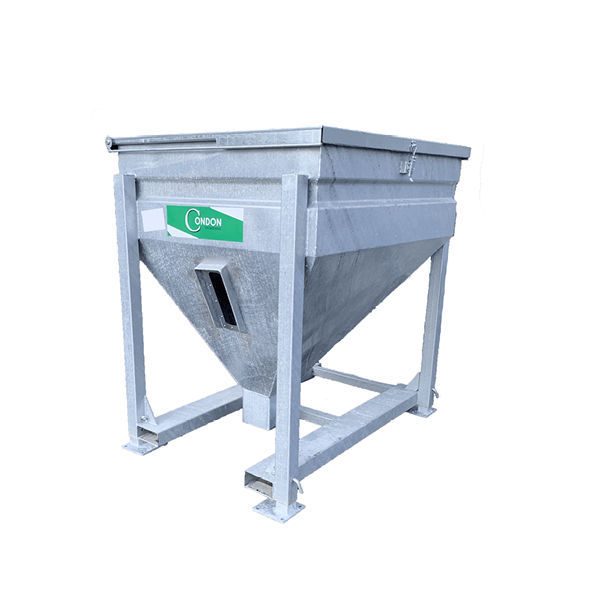
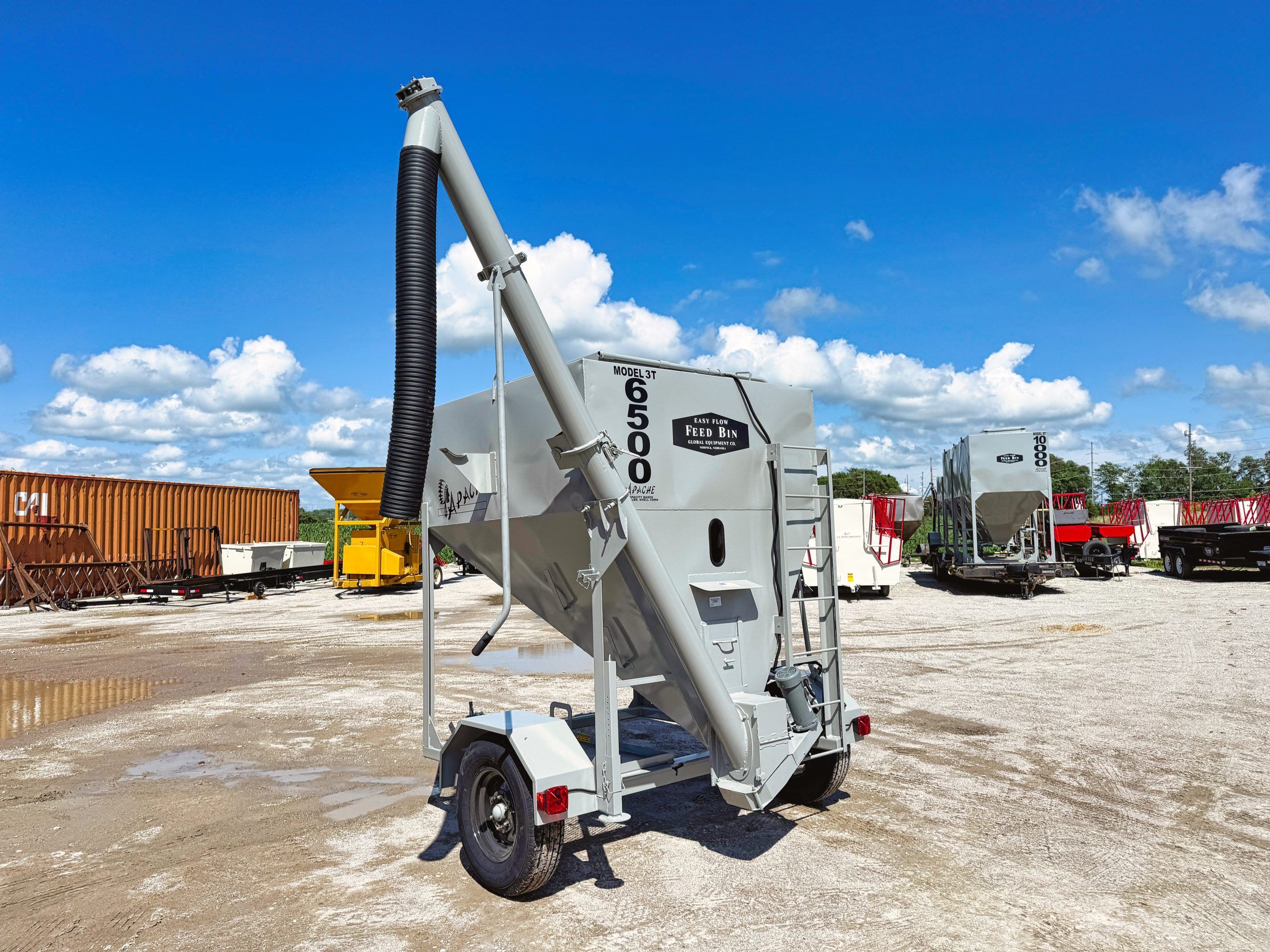
| Product Name | Two-Compartment Small Feed Bin | ||||||||||||||||||||||
| Product Image | 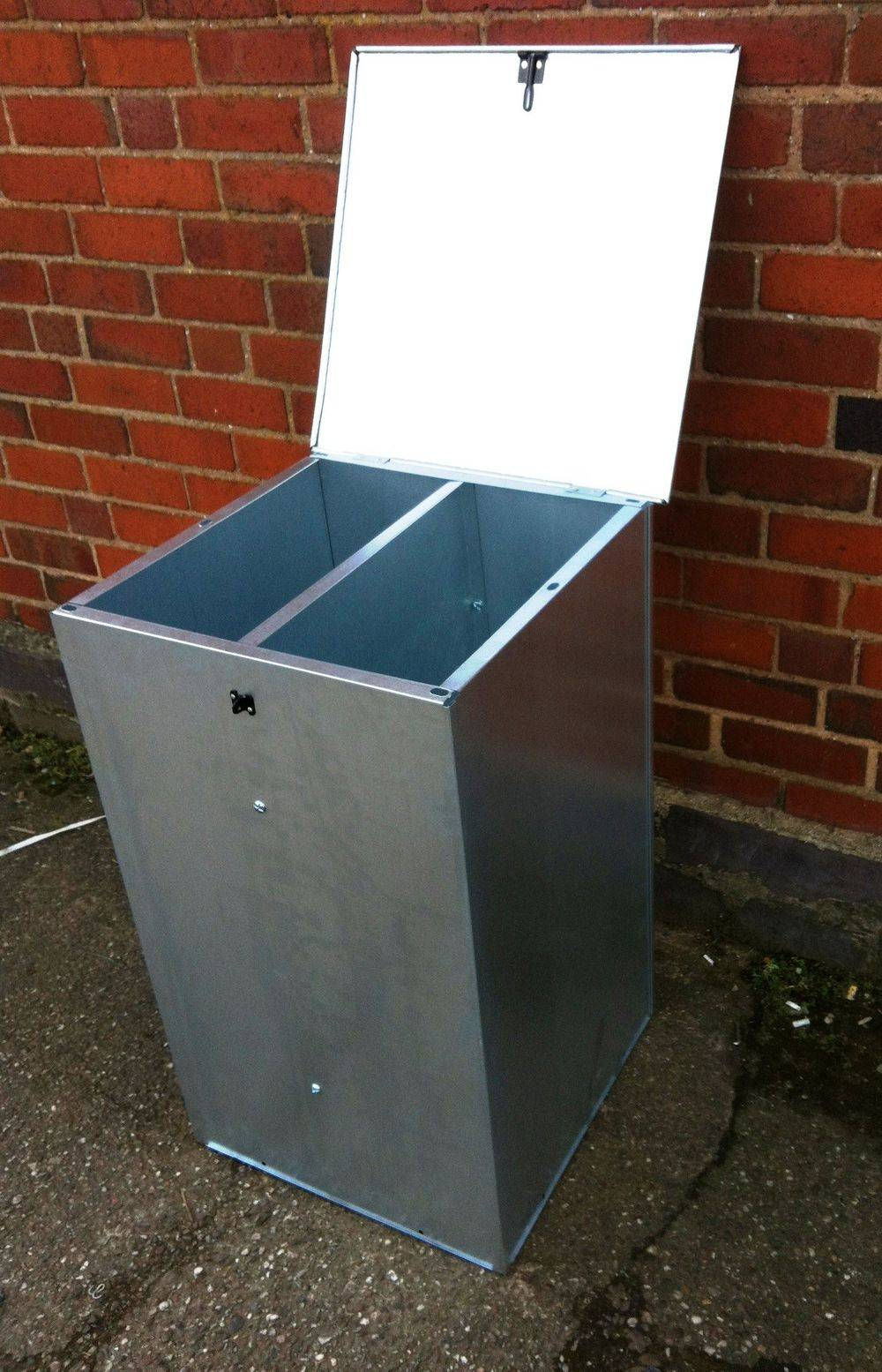 |
||||||||||||||||||||||
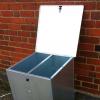
| Product Overview | The Two-Compartment Small Feed Bin is a compact dry-feed storage solution designed for livestock farms, poultry farms, breeding facilities and agricultural service areas where two feed types or feed batches need to be stored separately. A fixed internal divider separates the storage space into two independent compartments, helping operators organize different rations, grains, premixes or feed ingredients while reducing accidental mixing. The galvanized steel enclosure provides durable everyday protection in demanding farm environments, while the hinged top lid allows convenient filling and manual feed removal. The compact footprint makes the bin particularly suitable for feed rooms, service corridors, veterinary areas, nursery units, poultry houses and other locations where a full-size bulk feed silo is unnecessary. |
||||||||||||||||||||||
| Key Features |
|
||||||||||||||||||||||
| Structural Components |
|
||||||||||||||||||||||
| Structural Principle | The feed bin uses a simple enclosed cabinet structure with a rigid internal partition. Dry feed is loaded from the top into either compartment and remains physically separated until manually removed with a scoop, bucket or other farm handling tool. The galvanized outer panels form a protective barrier around the feed, while the covered top reduces direct exposure to moisture, rodents and environmental contamination. Because the system relies on manual filling and removal, it has no motor, auger or electrical control components and requires minimal operating infrastructure. |
||||||||||||||||||||||
| Technical Specifications |
|
||||||||||||||||||||||
| Applications |
|
||||||||||||||||||||||
| Customization Options | The Two-Compartment Small Feed Bin can be manufactured according to farm layout, daily feed requirements, available installation space and the type of feed being stored. Customization options may include overall dimensions, compartment proportions, galvanized sheet specification, lid configuration, handle design, locking arrangement and packaging method. For livestock construction projects, the bin dimensions and placement can be coordinated with feed rooms, service corridors, steel structure buildings and other farm equipment according to project requirements. |
||||||||||||||||||||||
| Installation & Maintenance | Install the feed bin on a level, dry and stable surface with sufficient clearance for the lid to open fully. Where the product is supplied flat-packed, assemble the panels, divider, lid and locking hardware according to the supplied installation sequence and tighten all fasteners securely. Position the bin away from direct wash-down spray, standing water and corrosive chemicals. Feed should be dry before storage, and the lid should remain closed when the bin is not being filled or accessed. Routine maintenance consists of removing old feed and dust, cleaning both compartments, inspecting hinges and fasteners, and checking the galvanized surfaces for mechanical damage. Before changing feed formulations, empty and clean the relevant compartment to reduce cross-contamination. |
||||||||||||||||||||||
| Project Cases | On commercial livestock farms, a dual-compartment feed bin can be positioned inside a feed preparation room to keep two commonly used diets or supplements available beside the animal housing area. For nursery, breeding or veterinary sections, the two compartments can be allocated to different feed formulations while maintaining physical separation within one compact storage unit. In new steel structure farm projects, feed-bin locations can be planned together with internal service corridors, storage rooms and daily feed-handling routes. |
||||||||||||||||||||||
| Product FAQ | Q: What is the advantage of a two-compartment feed bin? A: Two separate compartments allow different feeds, grains or supplements to be stored in one compact unit without routine mixing between the two materials. Q: Is the feed bin suitable for outdoor use? A: Galvanized steel and a covered design provide good farm-environment durability. For long service life, installation in a sheltered location and protection from persistent standing water are recommended. Q: Does the bin help protect feed from rodents? A: The enclosed metal construction and closable lid are designed to provide strong rodent resistance when the bin is correctly assembled and kept closed. Q: Can the lid be locked? A: Yes. A padlockable closure can be supplied according to the selected configuration. Q: Can each compartment have a different size? A: Yes. Compartment proportions can be customized according to the quantities and types of feed that need to be stored. Q: Does the bin require power? A: No. It is a simple manual feed-storage unit with no electrical or mechanical drive system. Q: Can it be supplied flat-packed for export? A: Flat-pack configurations are available according to product design and project requirements, helping simplify international transport and on-site assembly. Q: What information is required for quotation? A: Recommended information includes required overall size or storage capacity, feed types, compartment ratio, quantity, preferred locking configuration and whether flat-pack or assembled delivery is required. |
||||||||||||||||||||||
| Product Gallery | 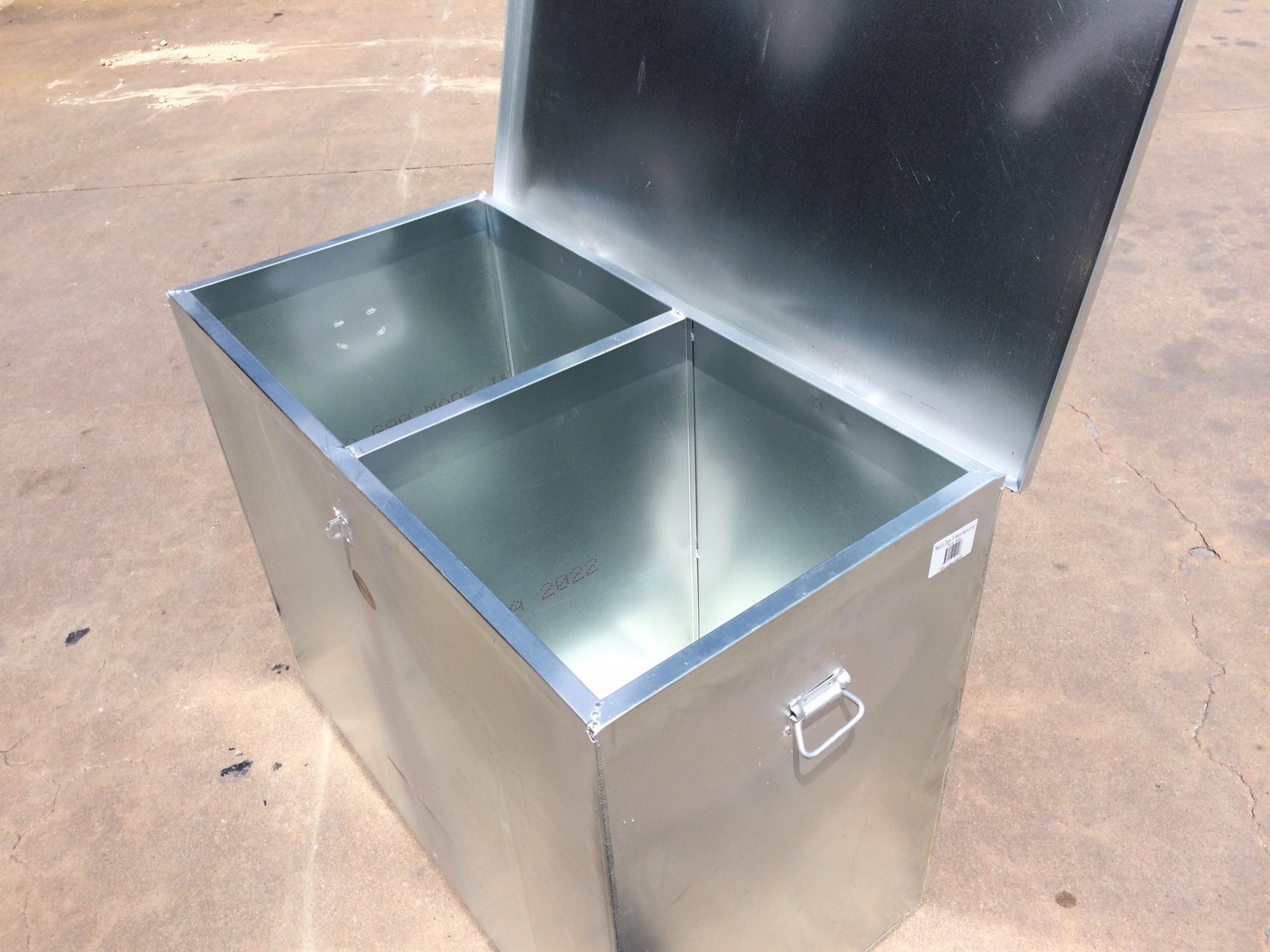 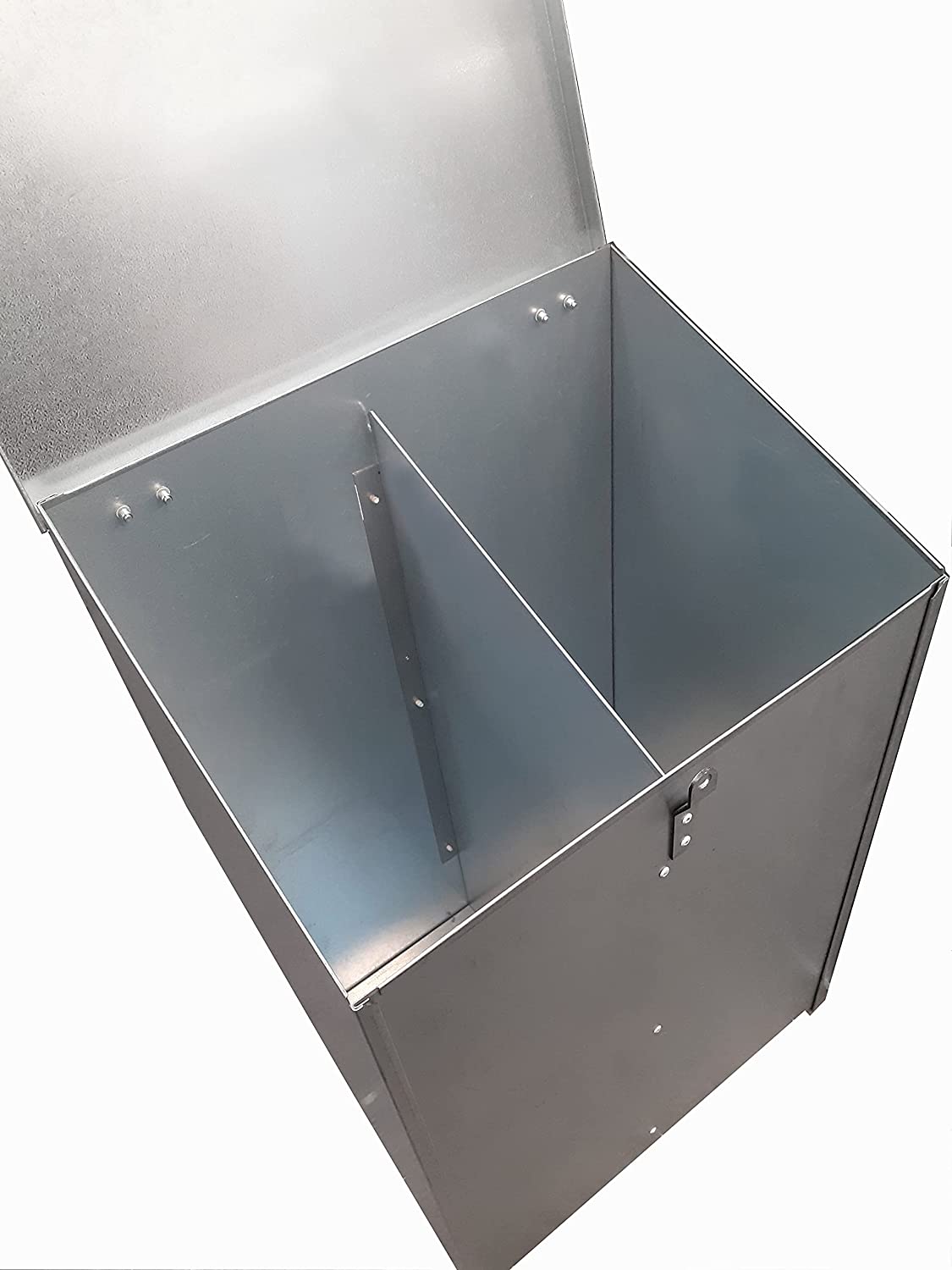  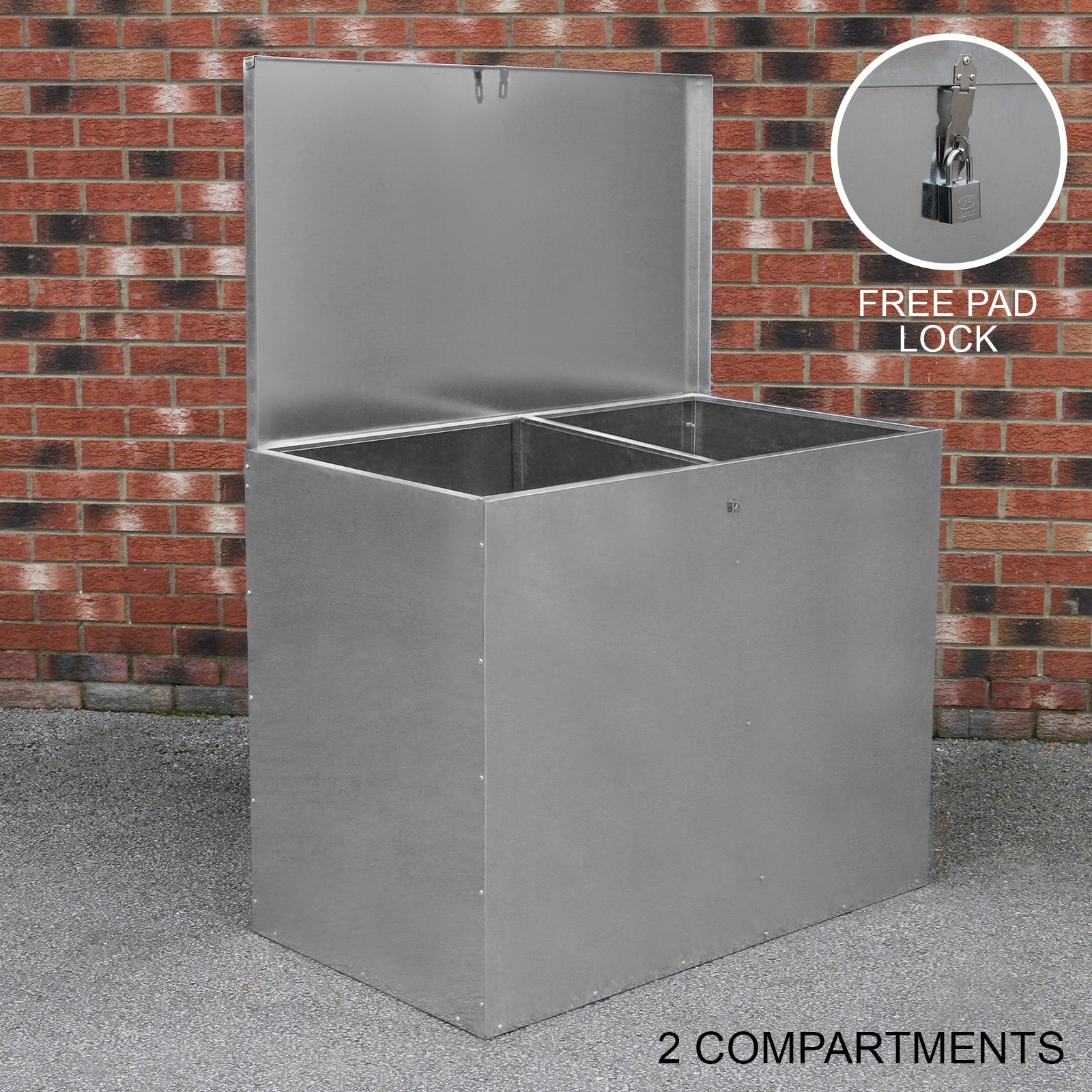 |
- Home
-
Products
- Pig Farming Equipment
- Cattle Farming Equipment
- Sheep & Goat Farming Equipment
- Poultry Farming Equipment
- Feeding & Drinking Systems
- Veterinary & Breeding Equipment
- Testing & Diagnostic Equipment
- Cleaning & Biosecurity Equipment
- Climate Control Equipment
- Livestock Weighing Equipment
- Manure & Waste Management
- Farm Transport & Handling
-
Solutions
- Pig Farm Solutions
- Dairy Farm Solutions
- Beef Cattle Farm Solutions
- Sheep & Goat Farm Solutions
- Layer Farm Solutions
- Broiler Farm Solutions
- Feeding & Drinking System Solutions
- Climate Control Solutions
- Biosecurity & Disinfection Solutions
- Manure & Waste Management
- Smart Farming Solutions
- Farm Renovation and Upgrade Solutions
- Partners
- Projects
- Resources
- News
- About Us
- Contact



Comments & Inquiries
Leave your questions or requirements below. We will reply as soon as possible.