
| Product Name | Small Feed Bin with Auger | ||||||||||||||||||||||||||
| Product Image | 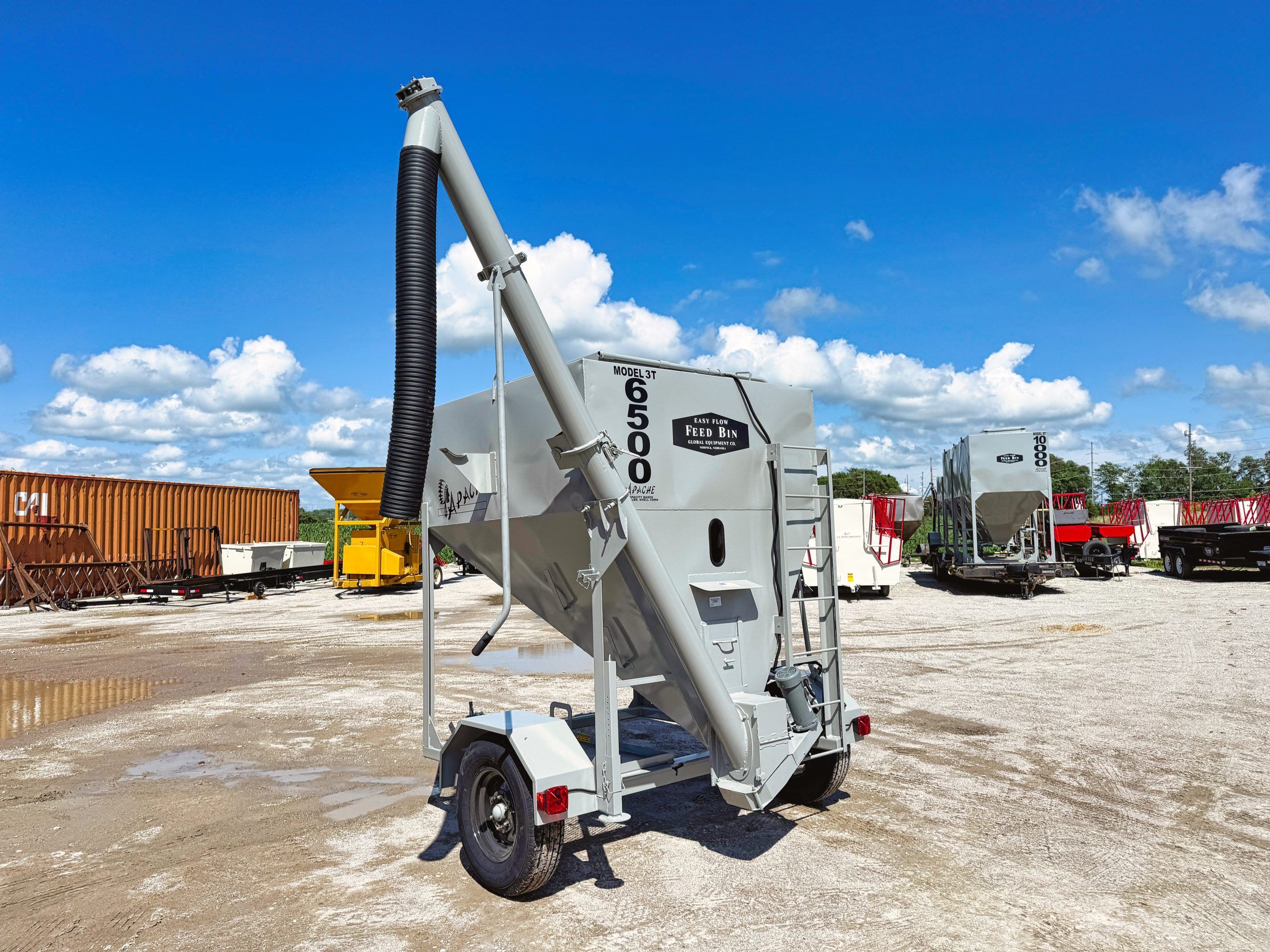 |
||||||||||||||||||||||||||
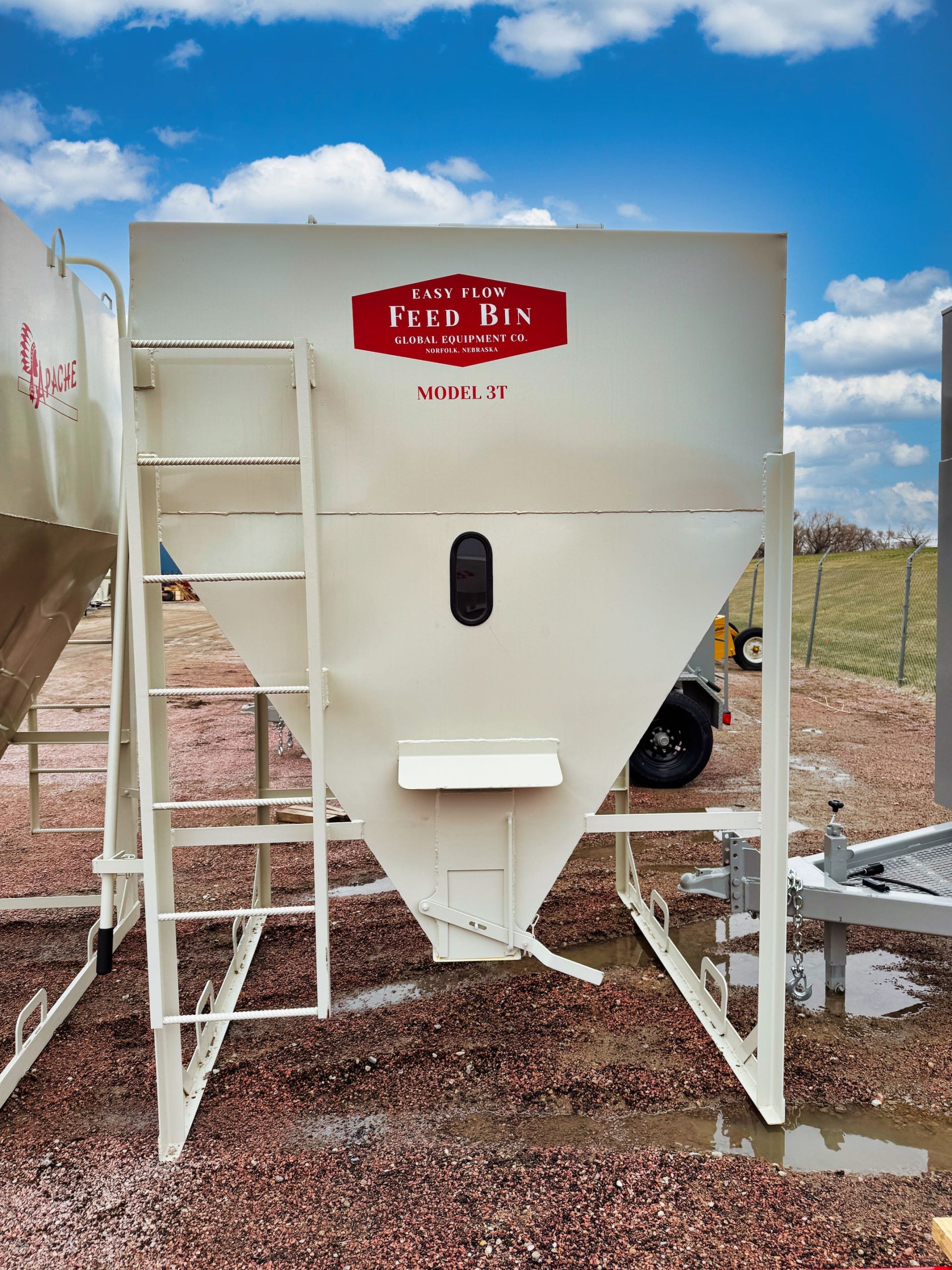
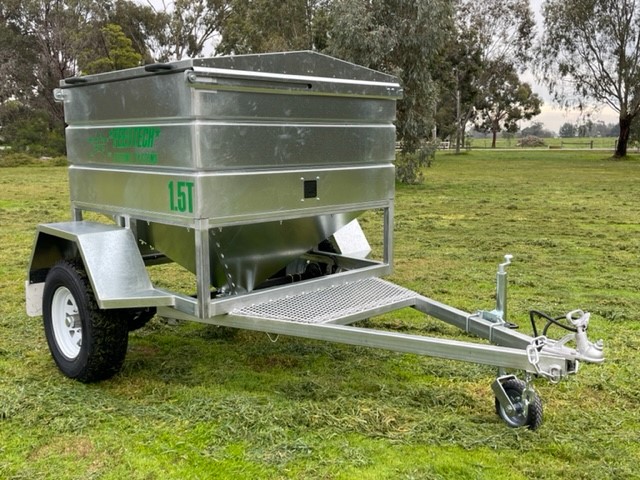
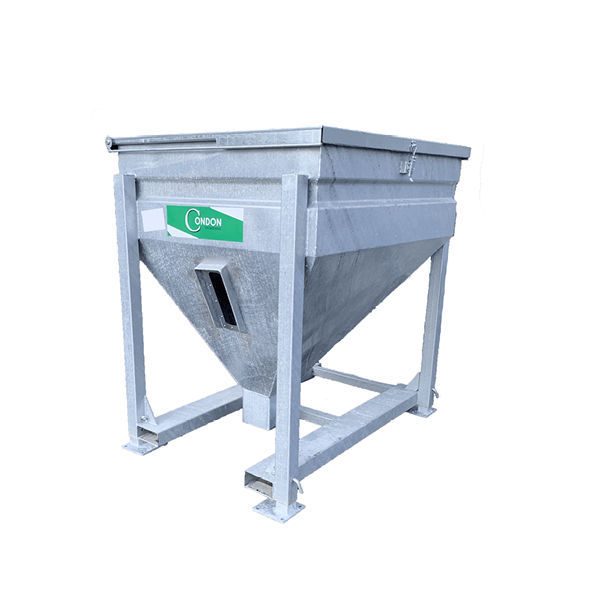
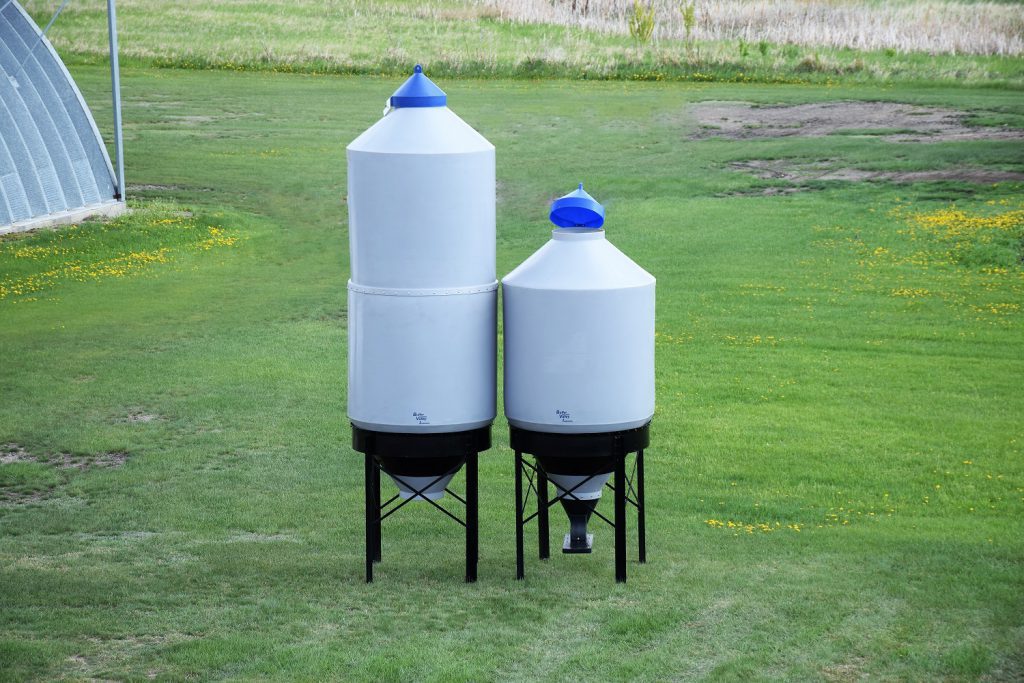
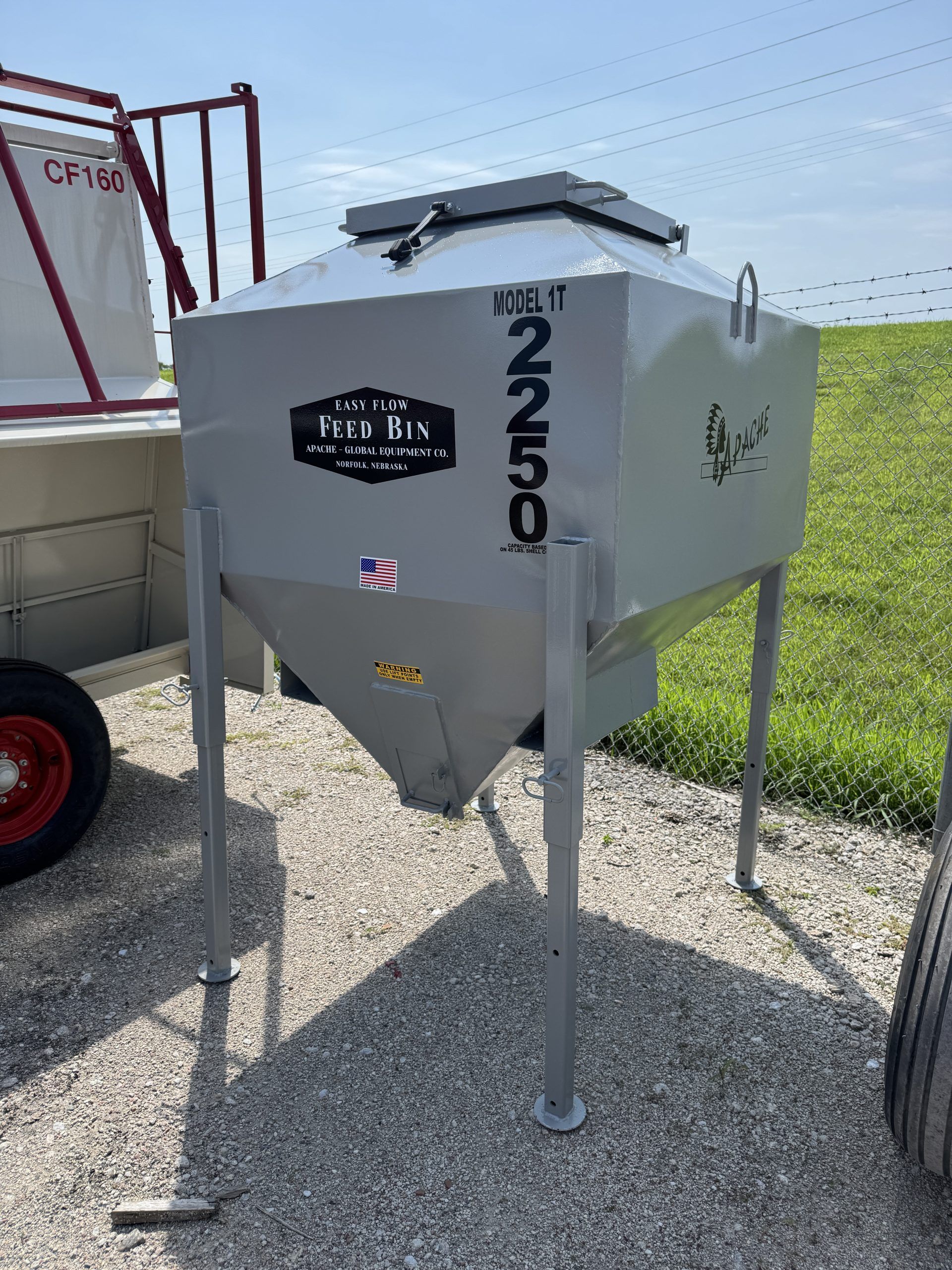
| Product Overview | The Small Feed Bin with Auger is a compact bulk feed storage and dispensing solution designed for livestock farms, feed rooms, breeding facilities and localized feeding applications. It combines a weather-resistant storage hopper with an auger discharge system to provide controlled transfer of dry feed from the bin to feeders, carts, mixers or receiving containers. The sloped hopper bottom directs material toward the auger inlet, helping maintain consistent discharge while reducing residual feed accumulation. Compared with manual bucket handling, the integrated auger can improve feed handling efficiency and reduce repetitive labor. The system is suitable for pig farms, poultry farms, cattle operations, goat-farming-equipment/" target="_blank" class="keylink">sheep and goat facilities, research farms and agricultural projects where a full-size outdoor silo is unnecessary or where different feed formulations need to be stored separately. |
||||||||||||||||||||||||||
| Key Features |
|
||||||||||||||||||||||||||
| Structural Components |
|
||||||||||||||||||||||||||
| Working Principle | Dry feed is loaded through the upper filling opening and stored inside the bin. The inclined hopper section guides the feed downward by gravity toward the auger intake. When the auger drive is activated, the rotating screw flighting moves feed through the enclosed tube toward the discharge spout. Feed can then be delivered into a feed cart, mixer, feeder, bagging point or another section of the feeding system. Once the required quantity has been discharged, the auger is stopped. A slide gate or flow-control arrangement can be added between the hopper and auger where required for maintenance or feed-flow isolation. |
||||||||||||||||||||||||||
| Technical Specifications |
|
||||||||||||||||||||||||||
| Applications |
|
||||||||||||||||||||||||||
| Customization Options | The Small Feed Bin with Auger can be configured according to livestock type, daily feed consumption, required storage volume, feed characteristics and available installation space. Customization options may include bin capacity, hopper geometry, support-frame height, auger diameter, auger length, discharge height, discharge direction, drive method, slide gate, top cover and portable chassis. For integrated livestock projects, the bin and auger layout can be coordinated with feeders, mixers, automatic feed lines and steel structure farm buildings according to project requirements. |
||||||||||||||||||||||||||
| Installation & Maintenance | Stationary feed bins should be installed on a stable, level foundation capable of supporting the fully loaded equipment. Confirm filling access, auger discharge direction and service clearance before fixing the support frame. The auger tube should be aligned correctly and securely supported. Electric motors, guards and wiring should be installed according to local electrical and machinery-safety requirements. Portable configurations should be stabilized before filling or operating the auger. Routine maintenance includes checking hopper surfaces, structural fasteners, auger flighting, bearings, drive components, guards and discharge connections. Remove accumulated feed and dust regularly and inspect for moisture ingress, corrosion or damaged components. Power must be isolated before opening, cleaning or servicing the auger because rotating screw conveyors present serious entanglement and crushing hazards. |
||||||||||||||||||||||||||
| Project Cases | On commercial livestock farms, a small feed bin can be used for feed ingredients or formulations that do not require a full-size silo. The auger provides convenient delivery to a feed cart, mixer or localized feeding line while minimizing repeated bag handling. For multi-building projects, individual bins can be allocated to nursery areas, quarantine buildings, breeder units or other production zones requiring independent feed storage. Portable versions can also provide flexible feed distribution between different livestock areas. |
||||||||||||||||||||||||||
| Product FAQ | Q: What is a small feed bin with auger used for? A: It stores dry livestock feed and uses a screw auger to transfer the material to a feeder, cart, mixer or another receiving point. Q: Can the storage capacity be customized? A: Yes. Bin dimensions and storage capacity can be selected according to feed consumption, available space and project requirements. Q: What types of feed can be handled? A: The system is intended primarily for compatible free-flowing dry materials such as grain and livestock feed pellets. Feed characteristics should be confirmed before final auger selection. Q: Can the auger length be customized? A: Yes. Auger length, inclination and discharge height can be configured to match the required receiving equipment. Q: Can the feed bin be portable? A: Yes. Stationary and portable configurations are available according to project requirements. Q: Can it connect to an automatic feeding system? A: Yes. The outlet and auger arrangement can be coordinated with compatible feed conveyors, mixers and automatic feeding equipment. Q: What information is required for quotation? A: Recommended information includes required storage capacity, feed type, auger length, discharge height, installation location, stationary or portable requirement and local electrical supply. |
||||||||||||||||||||||||||
| Product Gallery |  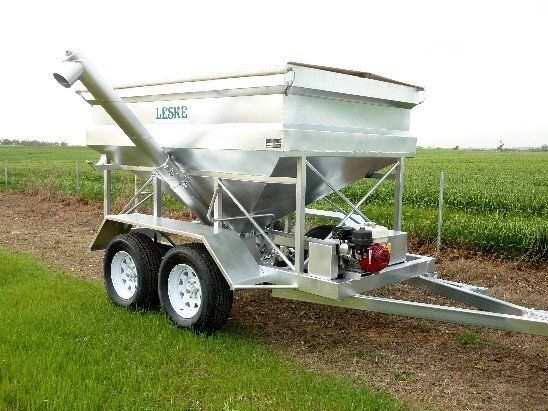 |
- Home
-
Products
- Pig Farming Equipment
- Cattle Farming Equipment
- Sheep & Goat Farming Equipment
- Poultry Farming Equipment
- Feeding & Drinking Systems
- Veterinary & Breeding Equipment
- Testing & Diagnostic Equipment
- Cleaning & Biosecurity Equipment
- Climate Control Equipment
- Livestock Weighing Equipment
- Manure & Waste Management
- Farm Transport & Handling
-
Solutions
- Pig Farm Solutions
- Dairy Farm Solutions
- Beef Cattle Farm Solutions
- Sheep & Goat Farm Solutions
- Layer Farm Solutions
- Broiler Farm Solutions
- Feeding & Drinking System Solutions
- Climate Control Solutions
- Biosecurity & Disinfection Solutions
- Manure & Waste Management
- Smart Farming Solutions
- Farm Renovation and Upgrade Solutions
- Partners
- Projects
- Resources
- News
- About Us
- Contact



Comments & Inquiries
Leave your questions or requirements below. We will reply as soon as possible.