
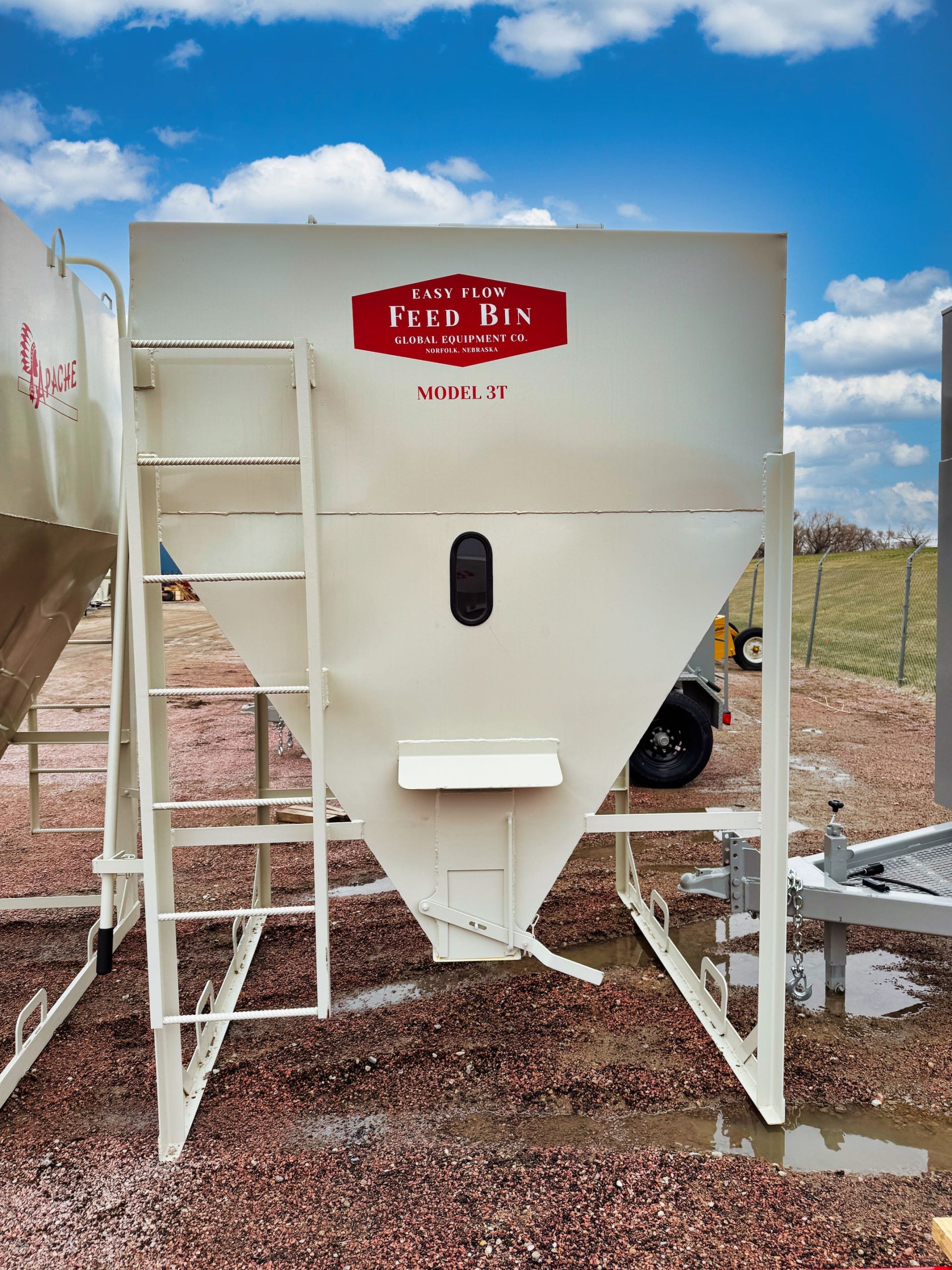
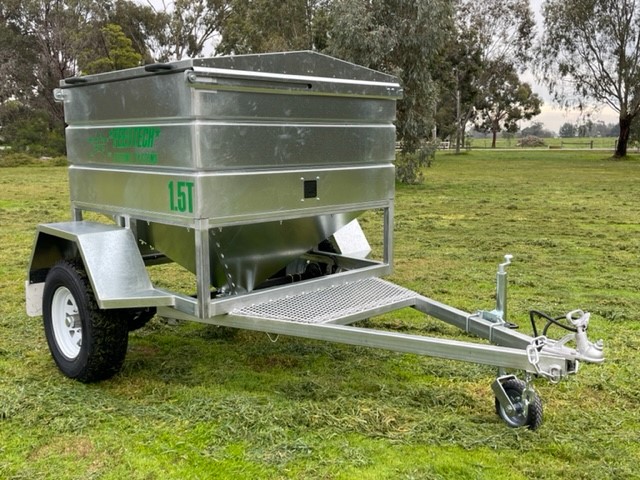
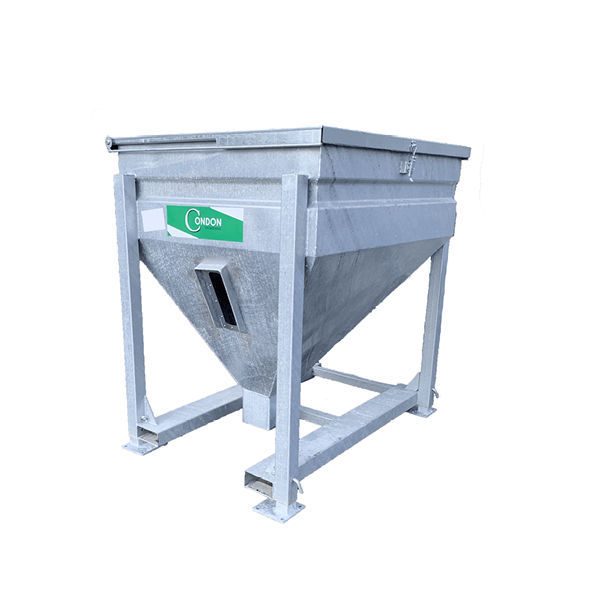
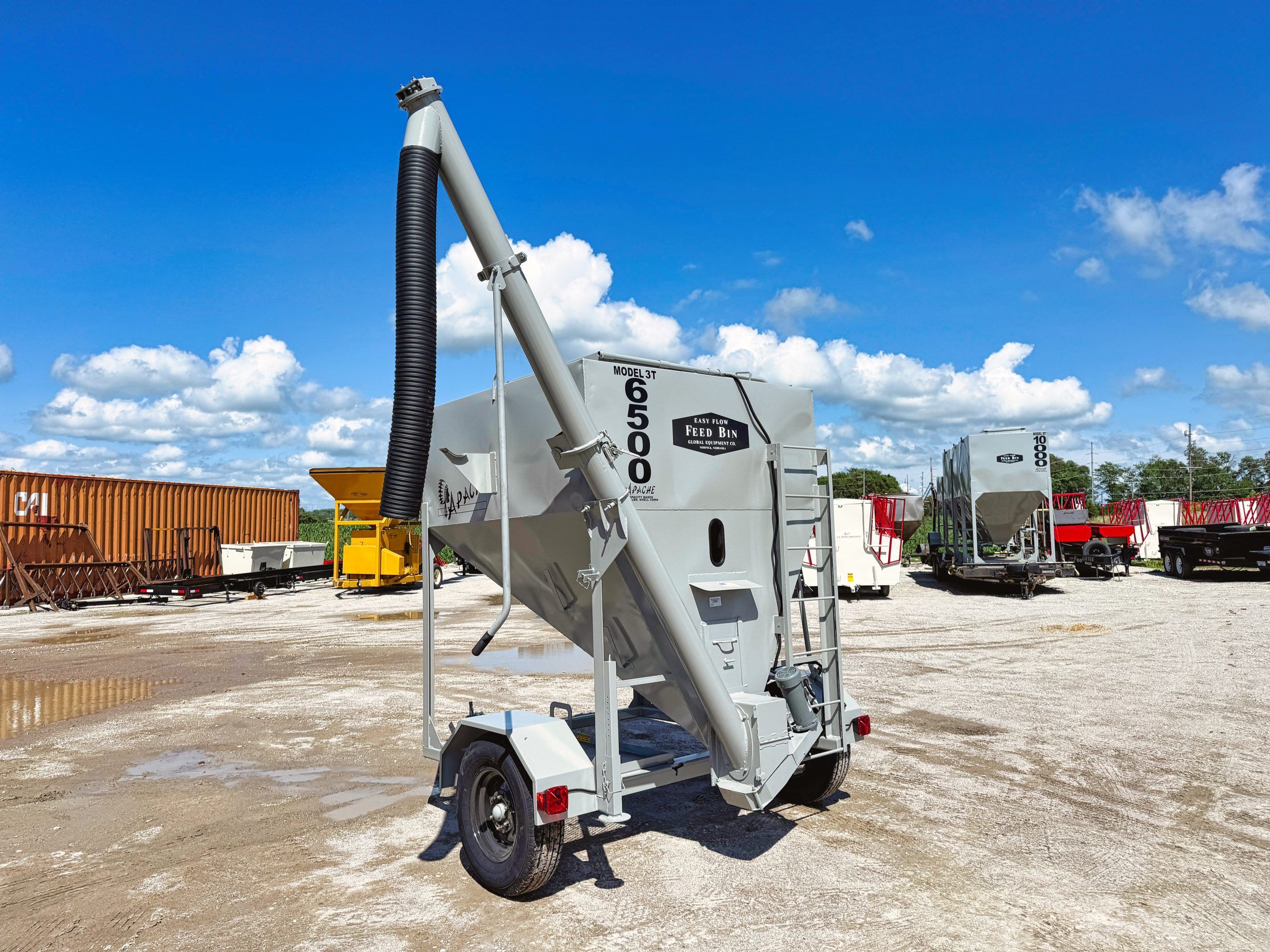
| Product Name | Small Stationary Feed Bin | ||||||||||||||||||||||||
| Product Image | 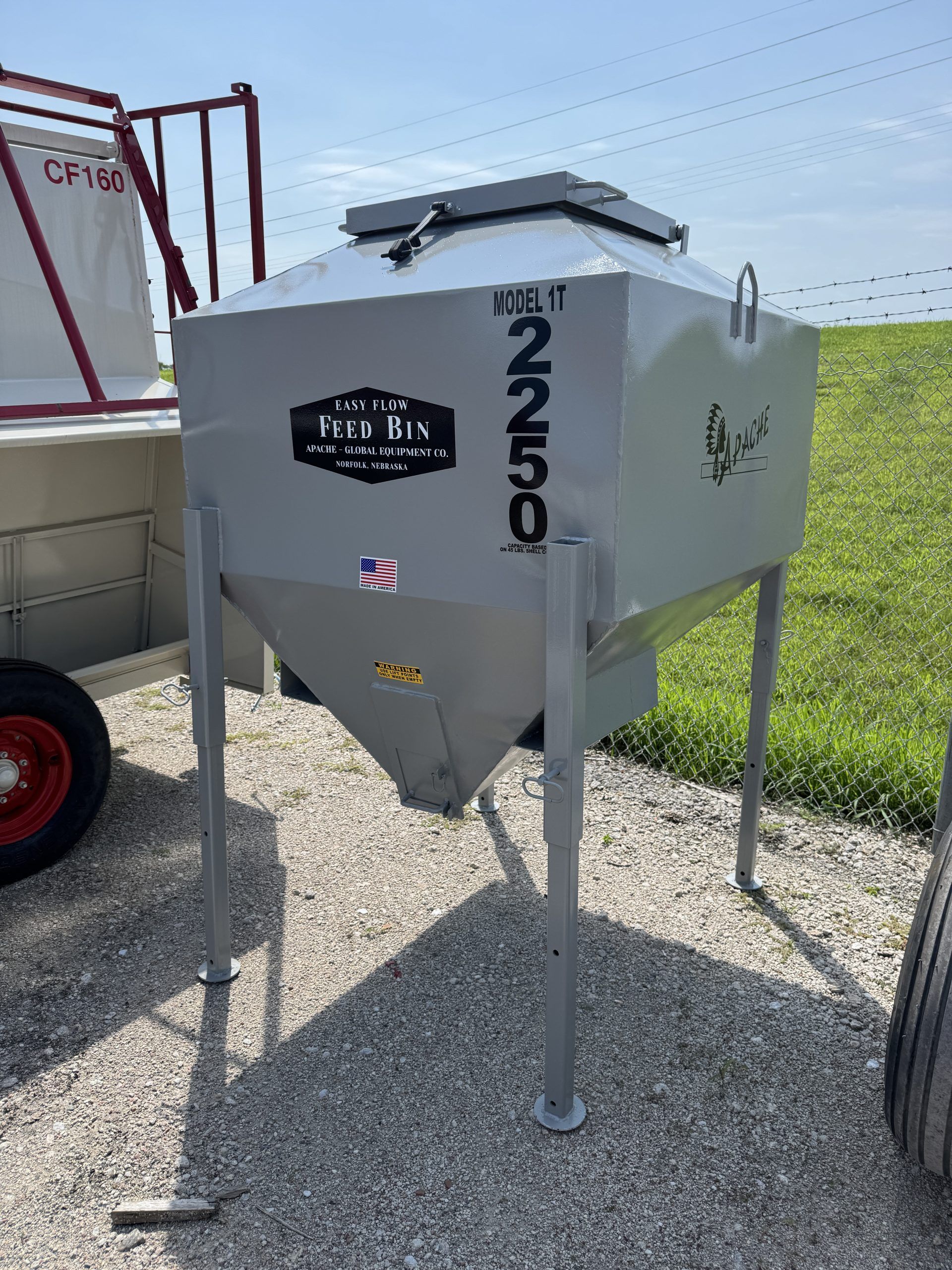 |
||||||||||||||||||||||||
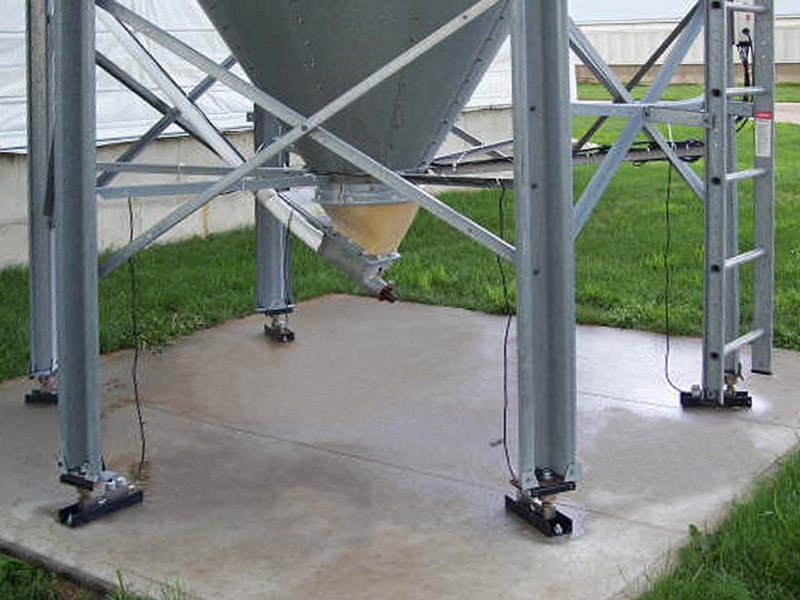
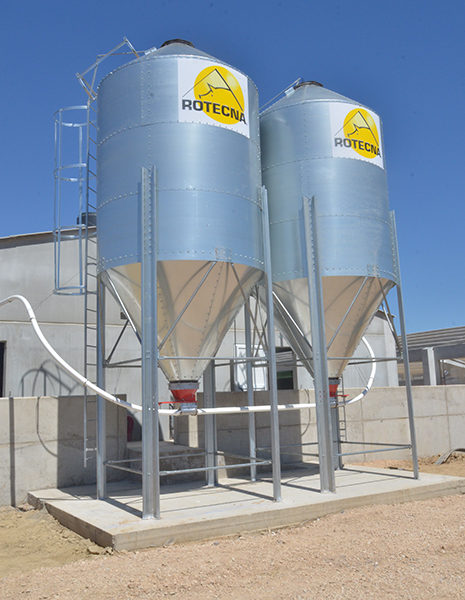
| Product Overview | The Small Stationary Feed Bin is a compact bulk feed storage solution designed for livestock farms, poultry houses, breeding facilities and agricultural projects where moderate feed capacity and permanent installation are required. The bin combines a weather-resistant steel storage body, sloped gravity-flow hopper and stable supporting legs to provide convenient storage and discharge of pellets, grain, meal and other suitable livestock feeds. Galvanized steel construction is commonly used for this type of agricultural feed bin because it offers practical corrosion resistance and durability for outdoor farm environments. Its compact footprint makes the unit particularly suitable for individual livestock houses, small production units, specialty feed storage, test farms and projects where a full-size commercial feed silo is unnecessary. |
||||||||||||||||||||||||
| Key Features |
|
||||||||||||||||||||||||
| Structural Components |
|
||||||||||||||||||||||||
| Working Principle | Bulk feed is loaded through the upper filling opening and stored inside the weather-protected bin body. The hopper-bottom geometry directs the material downward by gravity toward the discharge outlet. When the outlet gate is opened or the connected feed conveyor is operated, stored feed flows from the hopper into a bucket, feed cart, auger or automatic feeding line. The sloped hopper helps maintain consistent material movement and reduces areas where feed can remain trapped. For automated livestock feeding projects, the stationary bin can serve as a local feed-storage buffer connected directly to a flexible auger or other mechanical feed conveying system. |
||||||||||||||||||||||||
| Technical Specifications |
|
||||||||||||||||||||||||
| Applications |
|
||||||||||||||||||||||||
| Customization Options | The Small Stationary Feed Bin can be configured according to livestock type, animal population, daily feed consumption, feed delivery frequency and available installation space. Customization options may include storage capacity, bin dimensions, hopper geometry, support-leg height, discharge outlet, slide gate, auger connection, top filling arrangement, inspection window, ladder and corrosion-resistant surface treatment. For complete livestock farm projects, the feed bin can be coordinated with automatic feeding systems, steel structure buildings, service roads and feed delivery routes. Structural configuration can be designed according to local climate and farm conditions. |
||||||||||||||||||||||||
| Installation & Maintenance | The feed bin should be installed on a stable, level foundation capable of supporting the fully loaded equipment. Foundation dimensions and anchor requirements should be determined according to the selected bin capacity, support-leg arrangement and local site conditions. During installation, verify that the support legs are vertical, structural braces are secure and the hopper outlet is correctly aligned with the downstream feed conveyor or collection point. Adequate clearance should be maintained around the discharge area for operation and maintenance. Routine maintenance includes checking fasteners, support legs, bracing, hopper seams, outlet gates, covers and auger connections. Remove accumulated feed dust and inspect stored feed regularly for moisture ingress, spoilage or bridging. Personnel should not enter a loaded feed bin. Inspection, cleaning and maintenance procedures must follow appropriate confined-space, lockout and bulk-material safety practices. |
||||||||||||||||||||||||
| Project Cases | On small and medium livestock farms, a stationary feed bin can be positioned beside an individual animal house to provide dedicated bulk storage for one feed formula. The bottom outlet can discharge directly into a flexible auger that supplies feeders inside the building. In larger commercial projects, several small bins can be assigned to different animal groups, feed formulations or production buildings. This arrangement provides flexible feed management without requiring every feed type to use a large central silo. For new steel structure livestock houses, bin foundations, filling access, service roads and feed conveyor routes can be coordinated during the project engineering stage. |
||||||||||||||||||||||||
| Product FAQ | Q: What is a small stationary feed bin used for? A: It provides fixed bulk storage for livestock feed and can supply feed manually or through a compatible automatic conveying system. Q: What is the difference between a stationary and portable feed bin? A: A stationary bin is designed for fixed installation on a prepared foundation, while a portable bin is equipped with a frame or running gear intended for relocation. Q: Can the storage capacity be customized? A: Yes. Capacity and dimensions can be selected according to livestock population, feed consumption and available installation space. Q: Can the bin connect to an automatic feed auger? A: Yes. The bottom outlet can be configured for connection to a compatible flexible auger or other feed conveying equipment. Q: Is galvanized steel suitable for outdoor farm use? A: Galvanized steel is commonly used for agricultural feed bins because the zinc coating improves resistance to corrosion. Final material and coating selection should consider the local climate and farm environment. Q: What types of feed can be stored? A: The bin is suitable for free-flowing pellets, grain, meal and other compatible livestock feeds. Material characteristics should be confirmed for feeds with unusual moisture content or poor flowability. Q: What information is required for quotation? A: Recommended information includes required storage capacity, feed type and bulk density, livestock species, daily consumption, filling method, discharge method, auger size and installation-site dimensions. |
||||||||||||||||||||||||
| Product Gallery | 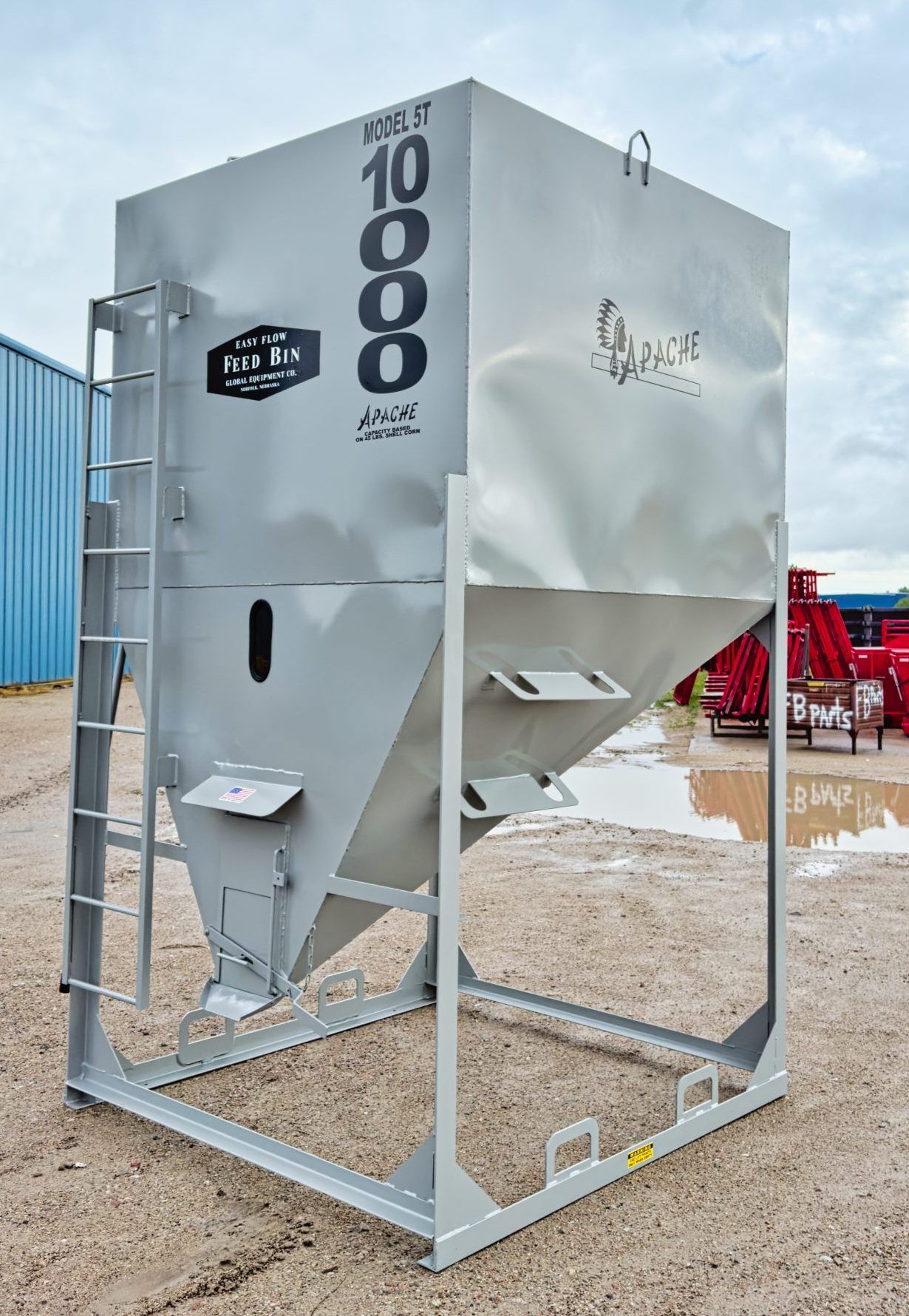 |
- Home
-
Products
- Pig Farming Equipment
- Cattle Farming Equipment
- Sheep & Goat Farming Equipment
- Poultry Farming Equipment
- Feeding & Drinking Systems
- Veterinary & Breeding Equipment
- Testing & Diagnostic Equipment
- Cleaning & Biosecurity Equipment
- Climate Control Equipment
- Livestock Weighing Equipment
- Manure & Waste Management
- Farm Transport & Handling
-
Solutions
- Pig Farm Solutions
- Dairy Farm Solutions
- Beef Cattle Farm Solutions
- Sheep & Goat Farm Solutions
- Layer Farm Solutions
- Broiler Farm Solutions
- Feeding & Drinking System Solutions
- Climate Control Solutions
- Biosecurity & Disinfection Solutions
- Manure & Waste Management
- Smart Farming Solutions
- Farm Renovation and Upgrade Solutions
- Partners
- Projects
- Resources
- News
- About Us
- Contact



Comments & Inquiries
Leave your questions or requirements below. We will reply as soon as possible.