
| Product Name | Livestock Feed Day Bin | ||||||||||||||||||||||||||
| Product Image |  |
||||||||||||||||||||||||||
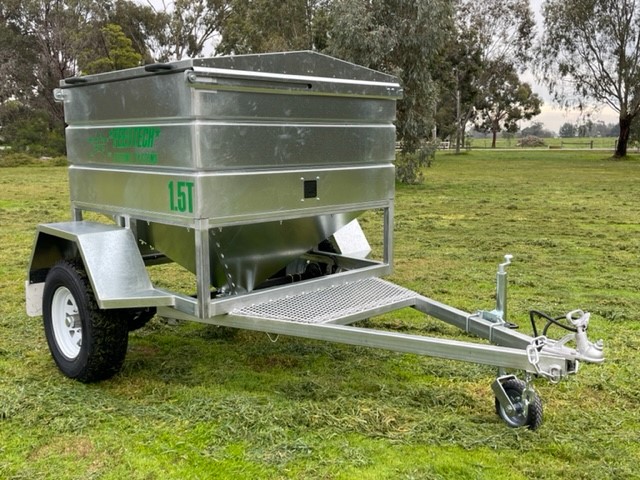
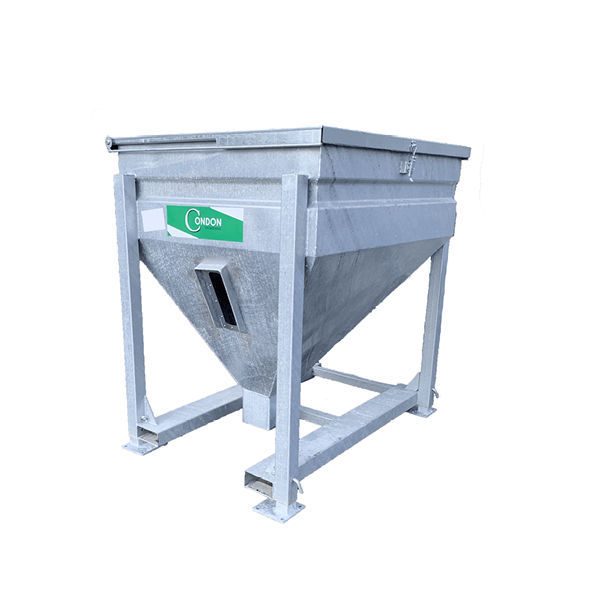
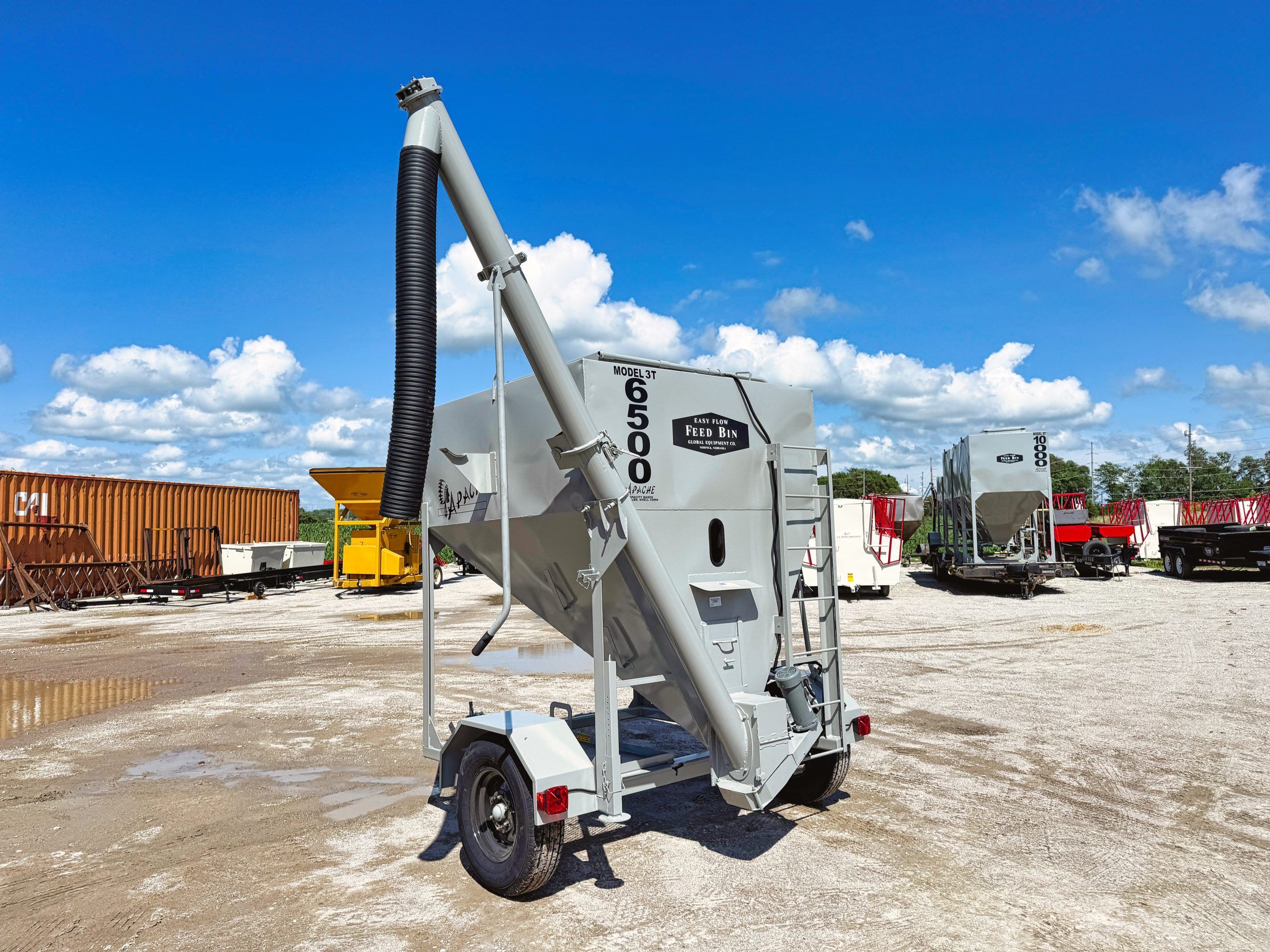
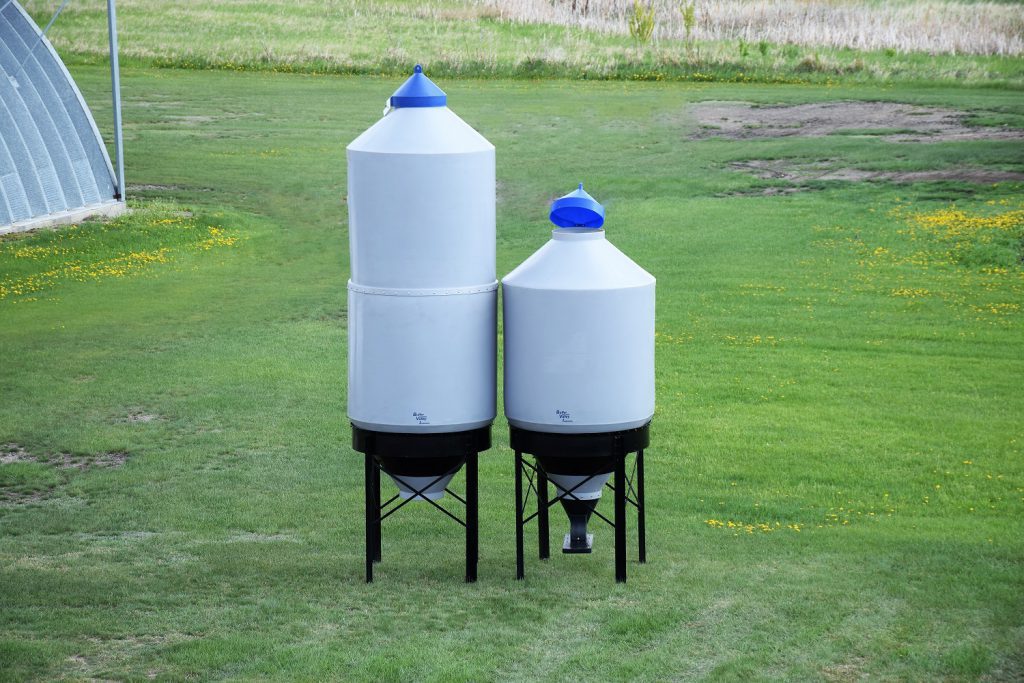
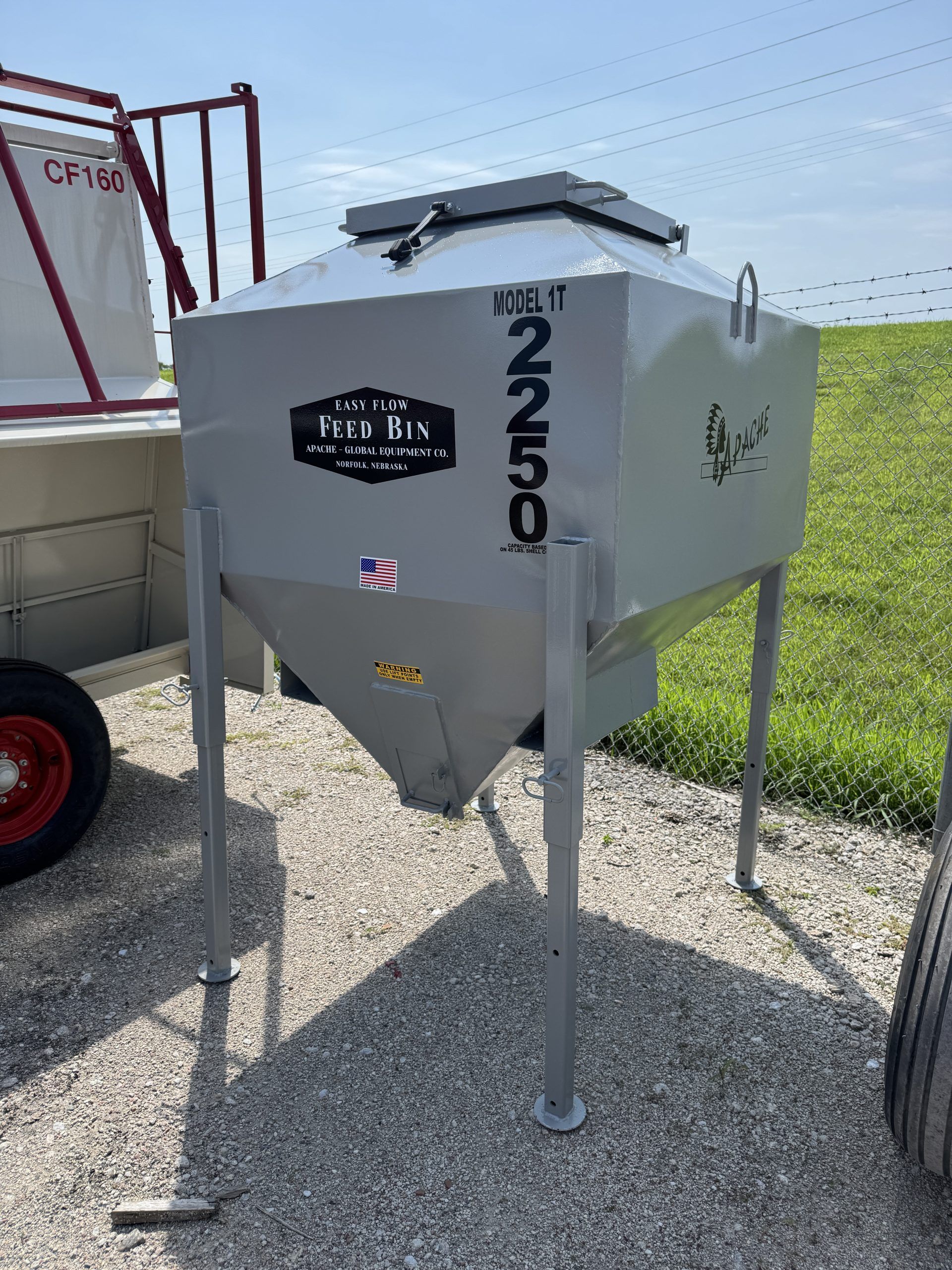
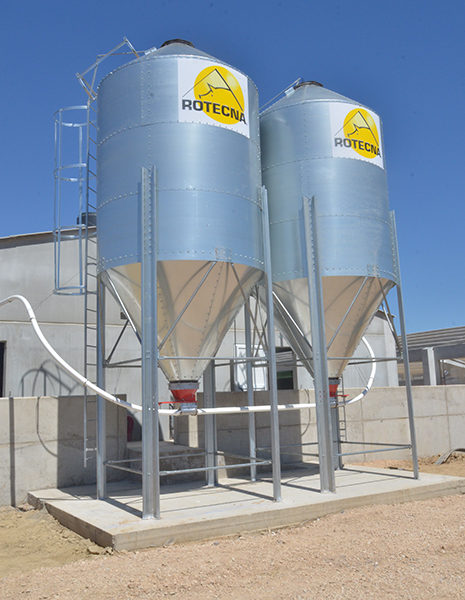
| Product Overview | The Livestock Feed Day Bin is a compact intermediate feed-storage unit designed to hold a controlled quantity of feed close to the livestock house or feeding line. It is particularly suitable for commercial poultry breeder farms, pig units and other intensive livestock facilities where daily feed rations need to be prepared, temporarily stored and distributed according to a scheduled feeding program. In a typical system, feed is transferred from a main bulk storage silo through a feed weigher or dosing device and deposited into the day bin before feeding begins. When the feeding cycle starts, feed is discharged by gravity into a spiral auger, screw conveyor, chain-disc system or another compatible feed transport line. The compact hopper-bottom structure provides reliable material flow while requiring less installation space than a full-size outdoor storage silo. Optional weighing, level sensing and automatic control functions allow the day bin to become an integrated component of precision livestock feeding systems. |
||||||||||||||||||||||||||
| Key Features |
|
||||||||||||||||||||||||||
| Structural Components |
|
||||||||||||||||||||||||||
| Working Principle | Feed is transported from the main storage silo to a weighing or dosing system. The required feed quantity is measured before being transferred into the day bin, allowing the prepared ration to be available before the scheduled feeding cycle. When feeding begins, the bottom outlet opens or the connected conveying system starts. Feed flows from the hopper section into the downstream conveyor and is transported to feeders, feed hoppers or distribution circuits inside the livestock house. When level sensors are installed, the filling process can be controlled automatically. A high-level sensor can stop incoming feed when the required storage level has been reached, while a low-level or empty-bin signal can be used to coordinate the next filling or feeding sequence. |
||||||||||||||||||||||||||
| Technical Specifications |
|
||||||||||||||||||||||||||
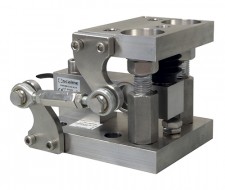
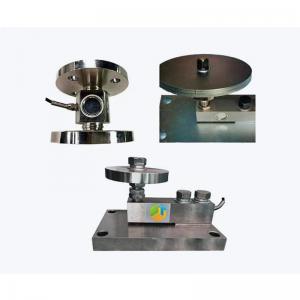
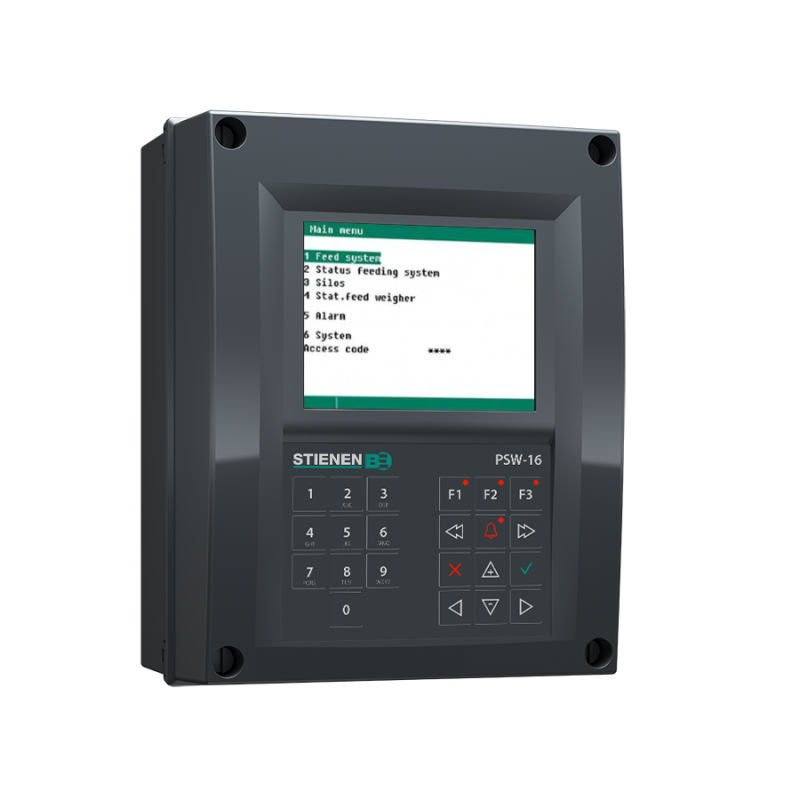
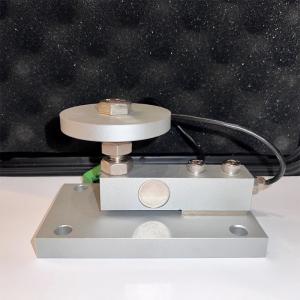
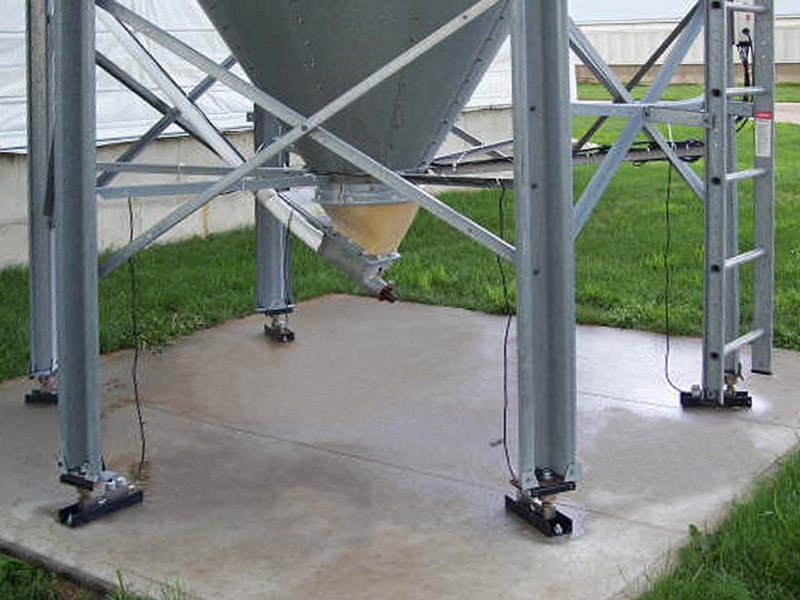
| Feed Weighing & Dosing Integration | Day bins are particularly useful in controlled livestock feeding programs where a predetermined feed quantity is prepared before distribution. In broiler breeder management, for example, feed may be weighed in advance and transferred to a day feed silo so the complete ration is ready before the feeding system starts. Depending on the project, weighing can be carried out by an upstream batch weigher or through load cells installed beneath the day bin. The selected configuration can support ration control, consumption monitoring and separate feeding programs for different animal groups. For automated farms, the day bin can be coordinated with feed weighers, level sensors, motor controls and centralized livestock house controllers. |
||||||||||||||||||||||||||
| Applications |
|
||||||||||||||||||||||||||
| Customization Options | The Livestock Feed Day Bin can be customized according to animal population, maximum daily ration, feed bulk density, feeding frequency, available installation space and conveying-system layout. Available options may include storage capacity, bin material, hopper geometry, support-frame height, discharge outlet, slide gate, top cover, inspection opening, load cells, level sensors and automation interfaces. The feed inlet and outlet can be coordinated with flexible augers, screw conveyors, chain-disc systems or other livestock feed transport equipment. Complete configurations can be designed according to local climate and farm conditions and the dimensions of the livestock or steel structure building. |
||||||||||||||||||||||||||
| Installation & Maintenance | The day bin should be installed on a structurally adequate, level support surface with sufficient clearance for the discharge conveyor and routine maintenance. The support frame must be securely anchored or installed according to the approved project design. Before commissioning, confirm that the feed inlet, hopper outlet, slide gate and downstream conveying equipment are correctly aligned. Where load cells are used, the bin must remain mechanically isolated from unintended structural contact that could affect weight measurement. Routine maintenance includes checking the bin body, support frame, fasteners, hopper outlet, level sensors, load cells and conveyor connections. Accumulated feed and dust should be removed regularly to support feed hygiene and reduce contamination. Personnel should never enter a day bin containing feed. Any internal inspection must follow the farm's lockout, confined-space and feed-bin safety procedures. |
||||||||||||||||||||||||||
| Project Cases | In a commercial broiler breeder house, the required daily feed quantity can be weighed before the scheduled feeding time and transferred from the main storage silo into a day bin. When feeding starts, the prepared ration is discharged rapidly into appropriately sized conveyor circuits for uniform distribution throughout the house. For farms using separate male and female feeding systems, dedicated day bins can support independent feed types and ration quantities. In multi-house projects, bin location, conveyor routing, electrical controls and service access can be coordinated with the livestock building layout during engineering design. |
||||||||||||||||||||||||||
| Product FAQ | Q: What is a livestock feed day bin? A: A day bin is a smaller intermediate feed-storage hopper used to hold a prepared daily or batch feed quantity close to the feeding system before distribution. Q: How is a day bin different from a main feed silo? A: The main silo normally stores several days or weeks of bulk feed, while a day bin typically holds a smaller quantity required for a specific feeding period or production group. Q: Can feed be weighed before entering the day bin? A: Yes. An upstream feed weigher can measure the required ration before transferring it into the day bin. Q: Can the day bin itself be equipped with load cells? A: Yes. Load-cell weighing is available upon request for applications requiring direct bin-weight and feed-consumption monitoring. Q: Can it connect to an automatic feeding system? A: Yes. The discharge outlet can be configured for spiral augers, screw conveyors, chain-disc conveyors or other compatible livestock feed transport systems. Q: Can level sensors be installed? A: Yes. High-level and low-level sensors can be integrated to coordinate automatic filling and feeding sequences. Q: How should the required capacity be selected? A: Capacity should be based on maximum daily feed consumption, feed bulk density, feeding frequency, animal group size and the required operating reserve. Q: What information is required for quotation? A: Recommended information includes livestock type, animal quantity, daily feed requirement, feed type and bulk density, feeding schedule, preferred weighing method, conveyor type and available installation dimensions. |
||||||||||||||||||||||||||
| Product Gallery | 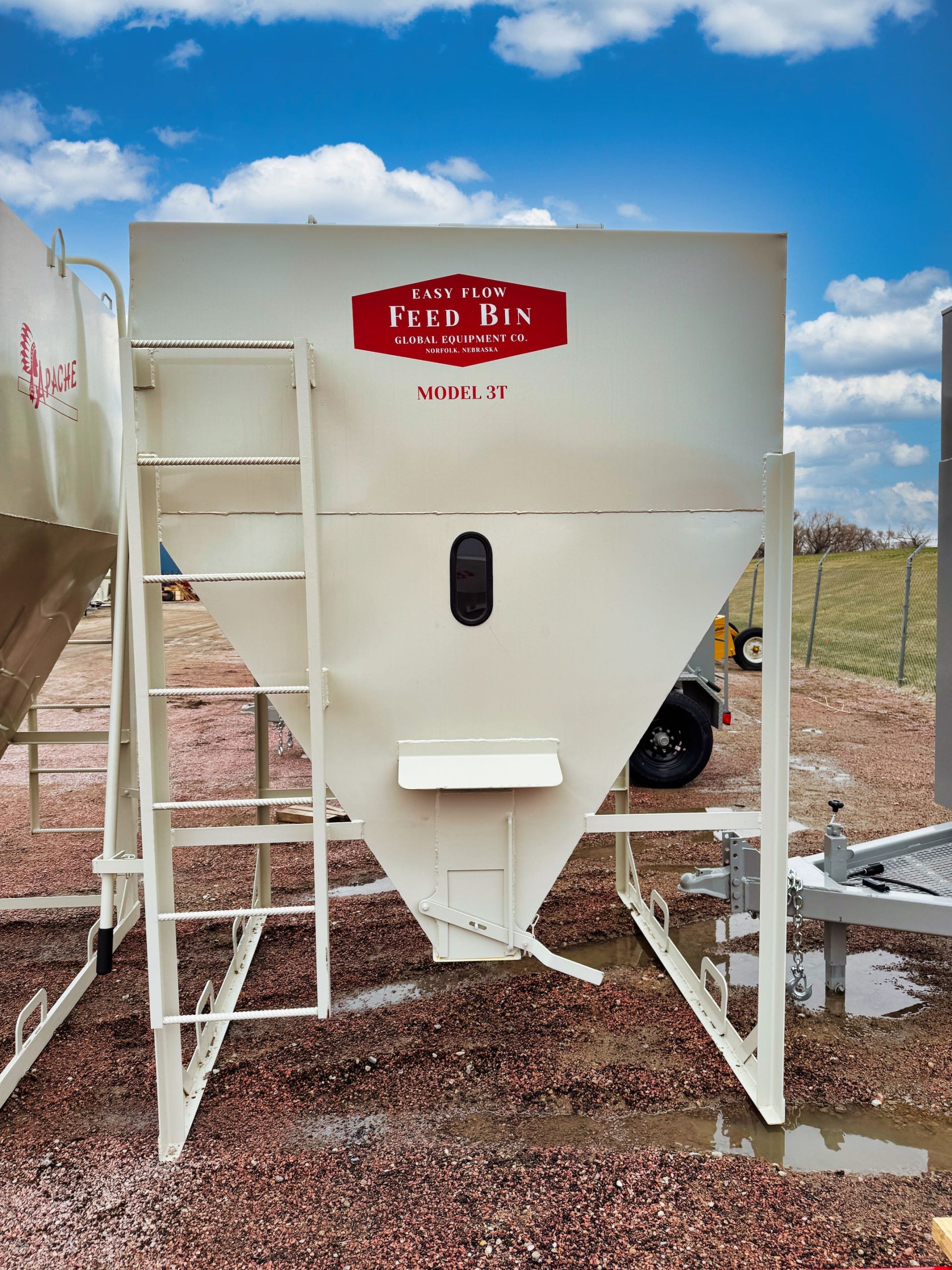 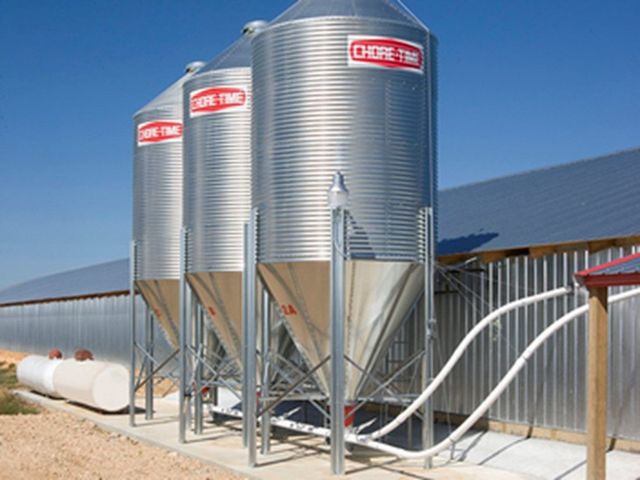  |
- Home
-
Products
- Pig Farming Equipment
- Cattle Farming Equipment
- Sheep & Goat Farming Equipment
- Poultry Farming Equipment
- Feeding & Drinking Systems
- Veterinary & Breeding Equipment
- Testing & Diagnostic Equipment
- Cleaning & Biosecurity Equipment
- Climate Control Equipment
- Livestock Weighing Equipment
- Manure & Waste Management
- Farm Transport & Handling
-
Solutions
- Pig Farm Solutions
- Dairy Farm Solutions
- Beef Cattle Farm Solutions
- Sheep & Goat Farm Solutions
- Layer Farm Solutions
- Broiler Farm Solutions
- Feeding & Drinking System Solutions
- Climate Control Solutions
- Biosecurity & Disinfection Solutions
- Manure & Waste Management
- Smart Farming Solutions
- Farm Renovation and Upgrade Solutions
- Partners
- Projects
- Resources
- News
- About Us
- Contact



Comments & Inquiries
Leave your questions or requirements below. We will reply as soon as possible.