
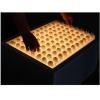
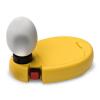
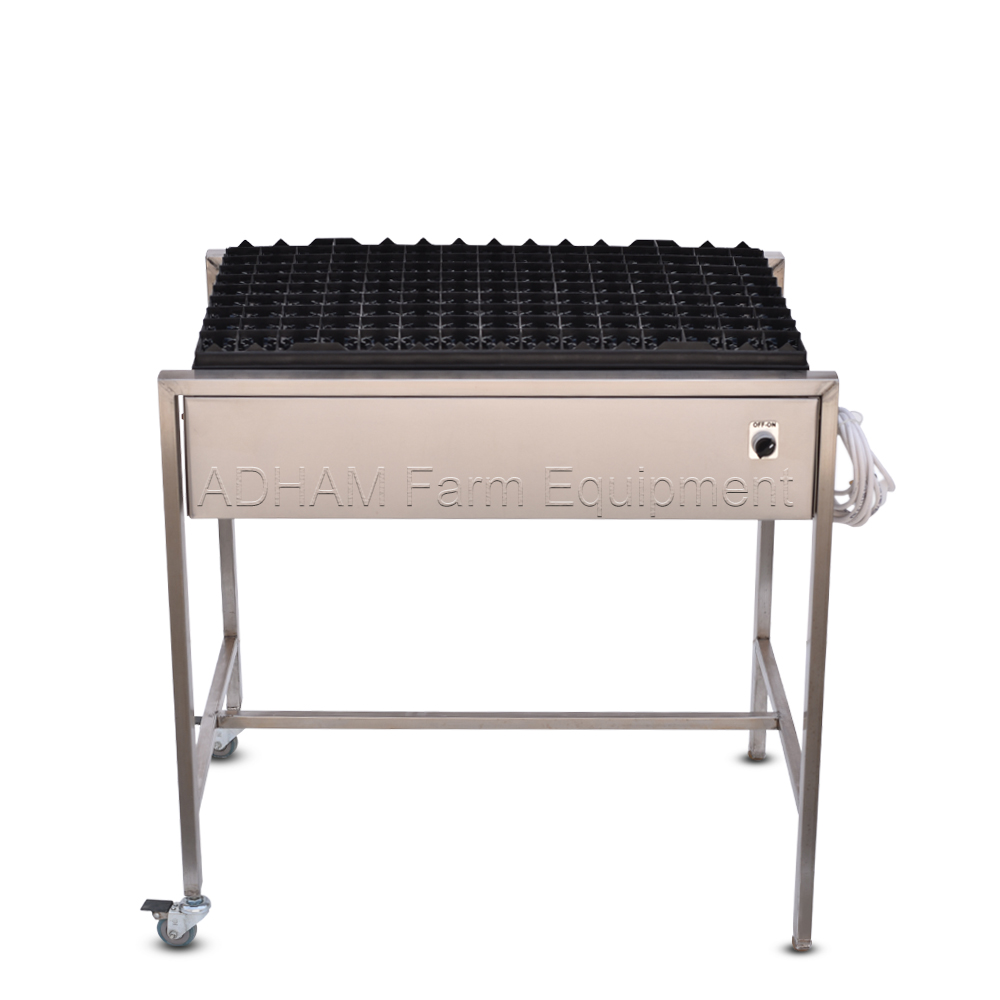


| Product Name | Automatic Hatching Egg Candling Machine | ||||||||||||||||||||||||||
| Product Image | 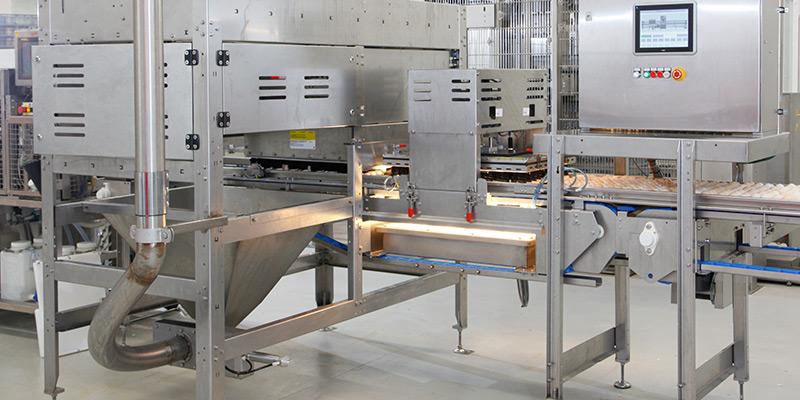 |
||||||||||||||||||||||||||
| Product Overview | The Automatic Hatching Egg Candling Machine is an industrial hatchery inspection system designed to evaluate developing eggs automatically during incubation. It can be integrated into the egg transfer line between setter incubation and subsequent hatchery processing, helping reduce dependence on manual candling and improve batch-level inspection consistency. Advanced configurations use controlled illumination and optical sensing to analyze light transmission through the egg. Vital-sign detection configurations can additionally evaluate embryo heartbeat and movement, allowing the system to distinguish viable developing eggs from infertile or development-stopped eggs. The machine is suitable for commercial broiler and layer hatcheries, poultry breeding centers, integrated poultry groups and automated hatchery projects requiring efficient egg inspection, traceable production data and hygienic equipment design. |
||||||||||||||||||||||||||
| Key Features |
|
||||||||||||||||||||||||||
| Structural Components |
|
||||||||||||||||||||||||||
| Working Principle | Setter trays containing developing eggs enter the machine automatically through the conveyor. As each tray passes through the inspection section, a controlled light source illuminates the eggs and sensors analyze the transmitted light. In advanced embryo-detection configurations, the system also evaluates biological signals such as heartbeat and embryo movement. These signals provide additional information for distinguishing normally developing embryos from infertile eggs or embryos that have stopped developing. The inspection result is processed electronically and can be displayed in real time. Where an automatic take-out system is installed, identified non-hatching eggs are removed from the setter tray while viable eggs continue toward transfer into hatcher baskets or the next hatchery processing stage. |
||||||||||||||||||||||||||
| Technical Specifications |
|
||||||||||||||||||||||||||
| Inspection & Data Management | Automatic candling allows hatcheries to obtain more consistent inspection information than traditional high-volume manual examination. Depending on the selected sensor package, the system can evaluate light transmission and embryo vital signs to provide more detailed information about developing eggs. Inspection results can be displayed during operation and recorded for production analysis. Hatchery managers can use batch data to review fertility, embryo development and non-hatching egg patterns, supporting breeder-flock evaluation and hatchery process optimization. |
||||||||||||||||||||||||||
| Applications |
|
||||||||||||||||||||||||||
| Customization Options | The Automatic Hatching Egg Candling Machine can be configured according to hatchery throughput, setter tray format, poultry species, existing transfer equipment and required inspection level. Customization options may include processing capacity, tray compatibility, sensor configuration, automatic reject system, conveyor length, control interface, data recording, transfer equipment and downstream hatcher basket handling. Complete line layouts can be designed according to project requirements, available hatchery floor space and existing equipment interfaces. |
||||||||||||||||||||||||||
| Installation & Maintenance | The machine should be installed on a level floor with sufficient space for setter tray movement, operator access, cleaning and technical maintenance. Upstream and downstream conveyor heights should be coordinated during hatchery line design. Electrical supply, compressed air and data connections should be prepared according to the final machine configuration. Where the equipment is connected to an automatic egg transfer system, tray pitch and transfer timing should be verified during commissioning. Routine maintenance includes cleaning optical surfaces, checking sensors, conveyors, pneumatic components, reject mechanisms and electrical connections. Egg-contact parts should be cleaned and disinfected according to hatchery biosecurity procedures. |
||||||||||||||||||||||||||
| Project Cases | In an automated commercial hatchery, the candling machine can be positioned in the transfer room after setter trays are unloaded from incubation equipment. Eggs pass automatically through the inspection station, non-hatching eggs are identified or removed, and viable eggs continue toward transfer into hatcher baskets. For large poultry projects, the candling line can also be integrated with tray conveyors, automatic take-out equipment, vacuum egg transfer systems, basket conveyors, stackers and washing equipment to create a continuous hatchery workflow. |
||||||||||||||||||||||||||
| Product FAQ | Q: What does an automatic hatching egg candling machine detect? A: Depending on the inspection configuration, it can identify viable developing eggs, infertile eggs and eggs in which embryo development has stopped. Q: How are developing eggs inspected without breaking them? A: Controlled light is directed through the egg and optical sensors analyze transmitted light. Advanced systems can also evaluate embryo heartbeat and movement. Q: Can non-hatching eggs be removed automatically? A: Yes. Automatic take-out systems can be integrated according to project requirements. Q: Can the system work with different setter trays? A: Tray compatibility can be configured according to the setter equipment and tray format used by the hatchery. Q: Can inspection results be recorded? A: Yes. Data monitoring and production recording can be supplied for hatchery analysis and process management. Q: Can the candling machine connect directly to an egg transfer system? A: Yes. It can be incorporated into a continuous line linking setter tray handling, automatic candling, egg rejection and transfer to hatcher baskets. Q: What information is required for quotation? A: Recommended information includes required hourly throughput, setter tray type, poultry species, existing incubator system, available floor space, required reject method and desired level of automation. |
||||||||||||||||||||||||||
| Product Gallery |  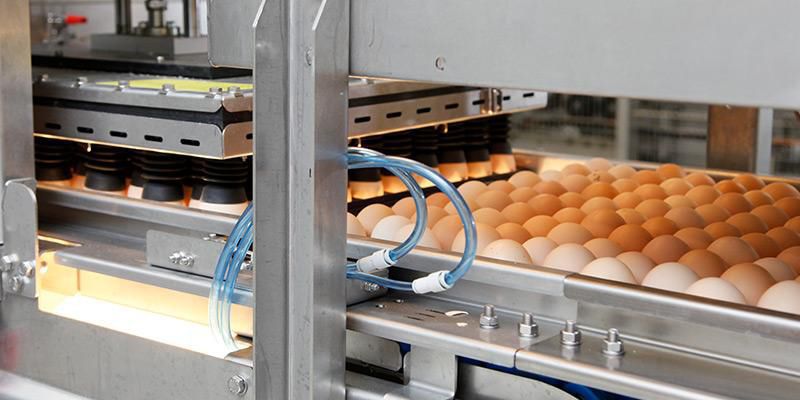 |
- Home
-
Products
- Pig Farming Equipment
- Cattle Farming Equipment
- Sheep & Goat Farming Equipment
- Poultry Farming Equipment
- Feeding & Drinking Systems
- Veterinary & Breeding Equipment
- Testing & Diagnostic Equipment
- Cleaning & Biosecurity Equipment
- Climate Control Equipment
- Livestock Weighing Equipment
- Manure & Waste Management
- Farm Transport & Handling
-
Solutions
- Pig Farm Solutions
- Dairy Farm Solutions
- Beef Cattle Farm Solutions
- Sheep & Goat Farm Solutions
- Layer Farm Solutions
- Broiler Farm Solutions
- Feeding & Drinking System Solutions
- Climate Control Solutions
- Biosecurity & Disinfection Solutions
- Manure & Waste Management
- Smart Farming Solutions
- Farm Renovation and Upgrade Solutions
- Partners
- Projects
- Resources
- News
- About Us
- Contact




Comments & Inquiries
Leave your questions or requirements below. We will reply as soon as possible.