


| Product Name | LED Egg Candler | ||||||||||||||||||||
| Product Image | 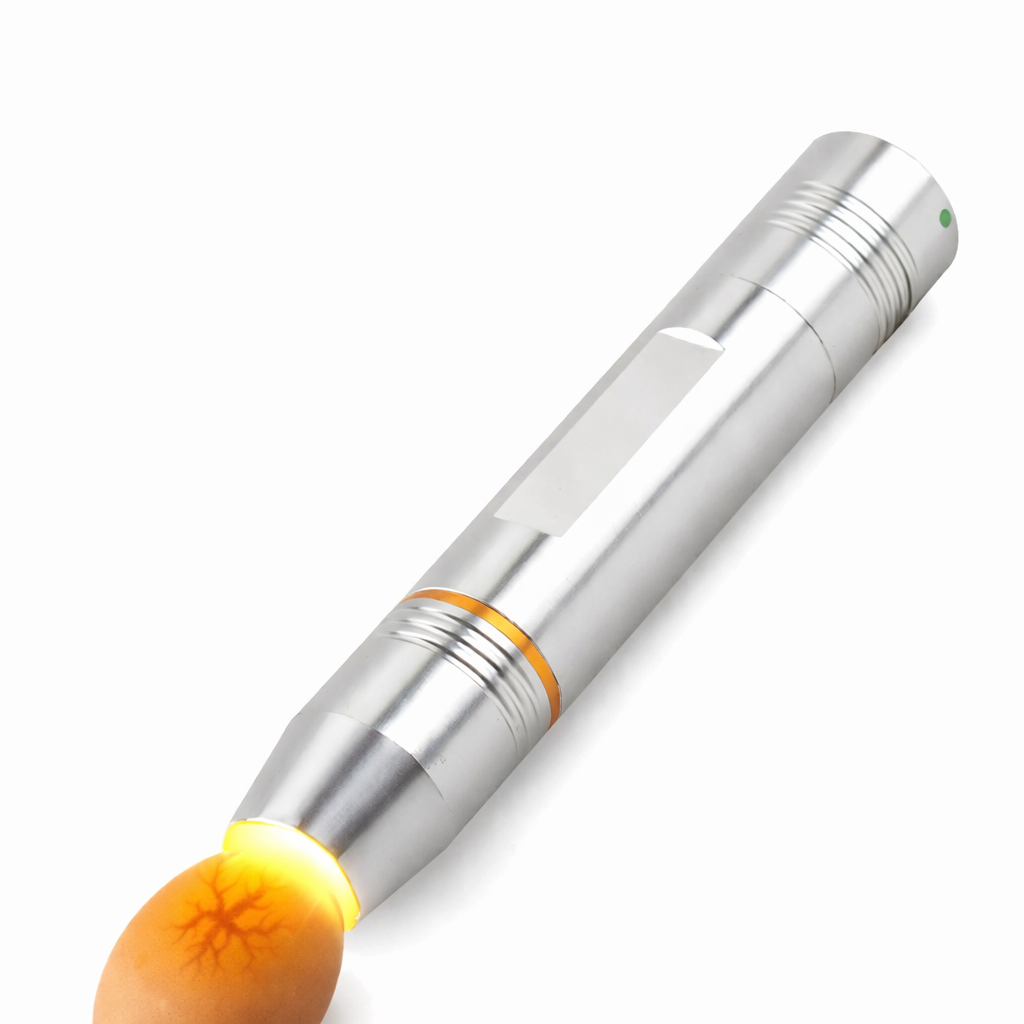 |
||||||||||||||||||||
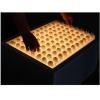
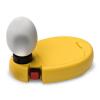
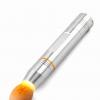
| Product Overview | The LED Egg Candler is a compact poultry hatchery inspection tool designed to illuminate the internal structure of fertile eggs without opening or damaging the shell. A focused LED beam passes through the egg to help operators observe fertility, embryo development, blood-vessel formation, air-cell size and other visible internal changes during incubation. Compared with traditional high-heat candling lamps, LED illumination produces substantially less heat during short inspection periods, making it suitable for routine hatchery checks when correct handling procedures are followed. High-intensity versions can improve visibility through darker, thicker or mottled shells. The candler is suitable for poultry farms, breeding operations, hatcheries, research facilities and livestock equipment projects requiring simple and rapid egg inspection. |
||||||||||||||||||||
| Key Features |
|
||||||||||||||||||||
| Structural Components |
|
||||||||||||||||||||
| Working Principle | The operator places the light outlet or flexible adapter against the broad or suitable viewing area of the egg shell. When the LED is switched on, concentrated light passes through the shell and illuminates visible internal structures. In a dark or shaded inspection area, developing blood vessels, embryo shadows, air-cell boundaries and other internal features become easier to observe. Infertile or non-developing eggs can then be separated according to the hatchery's established candling procedure. Candling should be performed efficiently so eggs are not kept outside the controlled incubator environment longer than necessary. |
||||||||||||||||||||
| Technical Specifications |
|
||||||||||||||||||||
| Applications |
|
||||||||||||||||||||
| Customization Options | The LED Egg Candler can be configured according to poultry species, egg shell color, inspection frequency and hatchery workflow. Available options may include standard or high-intensity LED output, rechargeable power supply, battery configuration, brightness adjustment, housing material, egg contact adapters and packaging. Product configuration can be supplied according to project requirements and distributor order requirements. |
||||||||||||||||||||
| Installation & Maintenance | Handheld LED egg candlers normally require no fixed installation. Before use, confirm that the power source is correctly installed or fully charged and that the light outlet is clean. For best visibility, perform candling in a darkened or shaded area and place the light outlet firmly against the shell to reduce external light leakage. Avoid excessive pressure on the egg. After use, wipe the housing and egg contact area with a suitable cleaning method according to hatchery hygiene procedures. Keep the optical surface free from dust and contamination, and inspect batteries, charging ports, switches and adapters regularly. |
||||||||||||||||||||
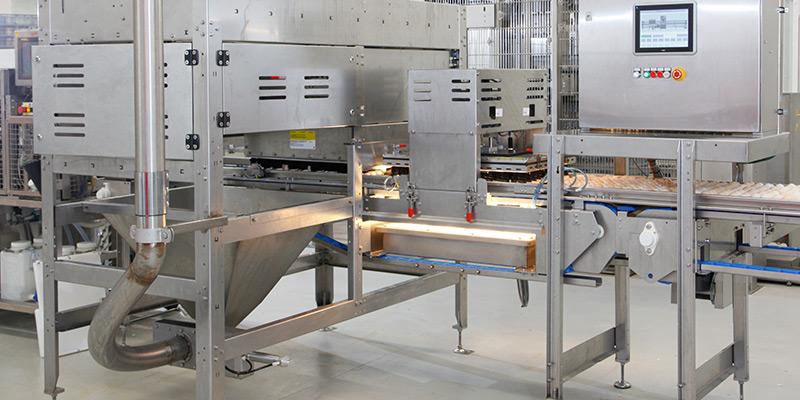
| Project Cases | In commercial hatchery operations, LED egg candlers can be used at scheduled inspection points to identify infertile eggs, observe embryo development and monitor air-cell enlargement. Portable units are particularly suitable for breeder farms and smaller hatcheries where eggs are inspected manually near incubators. Higher-output or stationary candling equipment can be selected for facilities handling larger quantities or eggs with darker shells. |
||||||||||||||||||||
| Product FAQ | Q: What can an LED egg candler be used to check? A: It can help operators visually assess fertility, embryo development, blood-vessel growth, air-cell size and other visible internal egg conditions. Q: Can it be used for duck and goose eggs? A: Yes. LED candlers can be used with chicken, duck, goose and other poultry eggs, although darker or thicker shells may require higher light intensity. Q: Does LED light overheat the egg? A: LED candlers generate less heat than traditional incandescent candling bulbs, making them suitable for short inspection periods when used correctly. Q: Is a dark room necessary? A: A dark or shaded environment generally improves visibility because less external light reaches the egg shell. Q: Can brightness be adjusted? A: Adjustable brightness is available on selected configurations and can be useful for eggs with different shell thicknesses or colors. Q: Can the product be supplied for distributors? A: Yes. Packaging, power configuration, adapters and other options can be customized according to order and project requirements. |
||||||||||||||||||||
| Product Gallery |  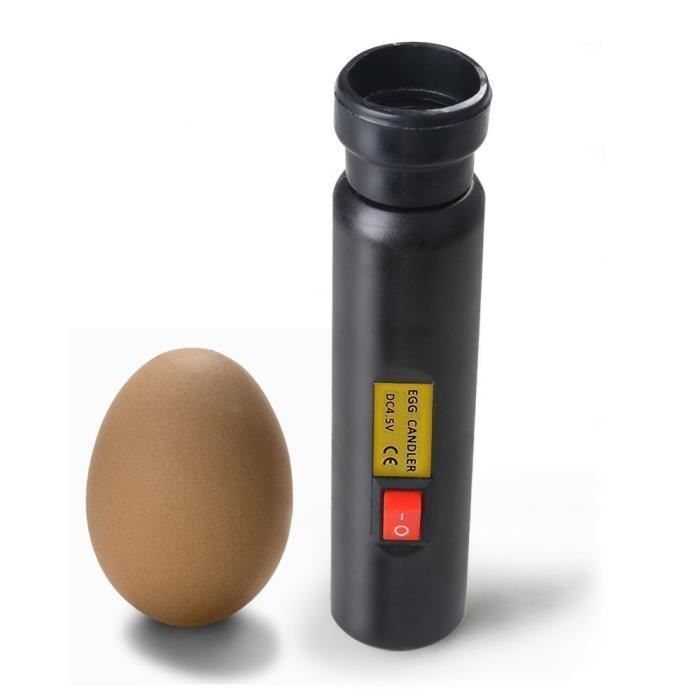 |
- Home
-
Products
- Pig Farming Equipment
- Cattle Farming Equipment
- Sheep & Goat Farming Equipment
- Poultry Farming Equipment
- Feeding & Drinking Systems
- Veterinary & Breeding Equipment
- Testing & Diagnostic Equipment
- Cleaning & Biosecurity Equipment
- Climate Control Equipment
- Livestock Weighing Equipment
- Manure & Waste Management
- Farm Transport & Handling
-
Solutions
- Pig Farm Solutions
- Dairy Farm Solutions
- Beef Cattle Farm Solutions
- Sheep & Goat Farm Solutions
- Layer Farm Solutions
- Broiler Farm Solutions
- Feeding & Drinking System Solutions
- Climate Control Solutions
- Biosecurity & Disinfection Solutions
- Manure & Waste Management
- Smart Farming Solutions
- Farm Renovation and Upgrade Solutions
- Partners
- Projects
- Resources
- News
- About Us
- Contact
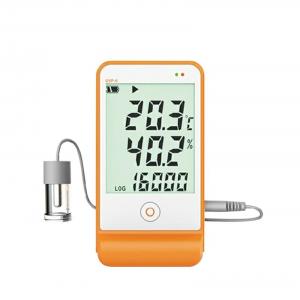
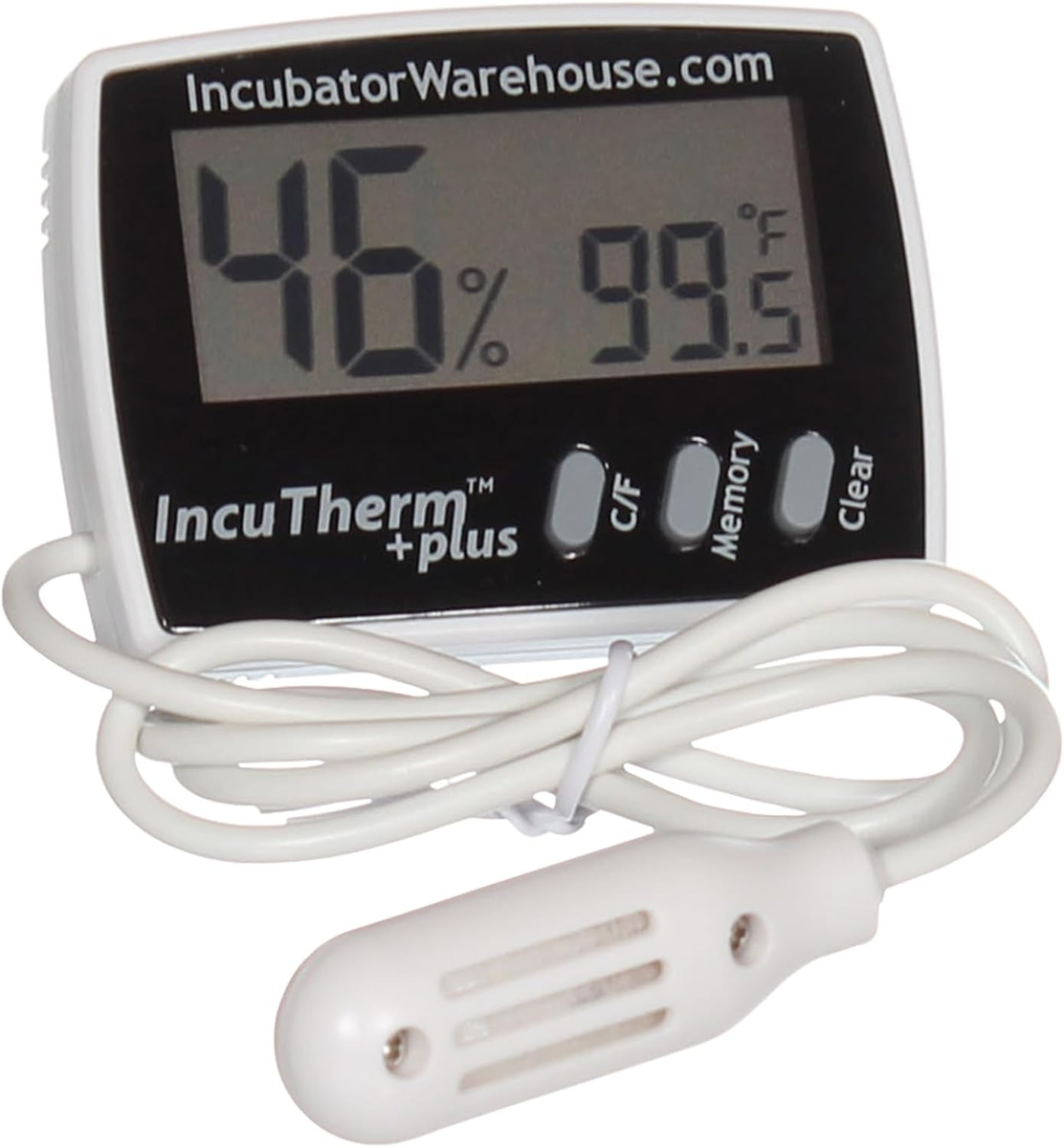

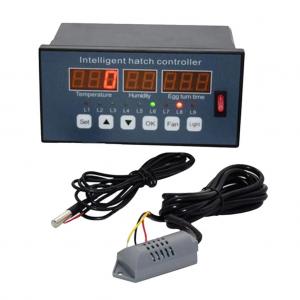


Comments & Inquiries
Leave your questions or requirements below. We will reply as soon as possible.