

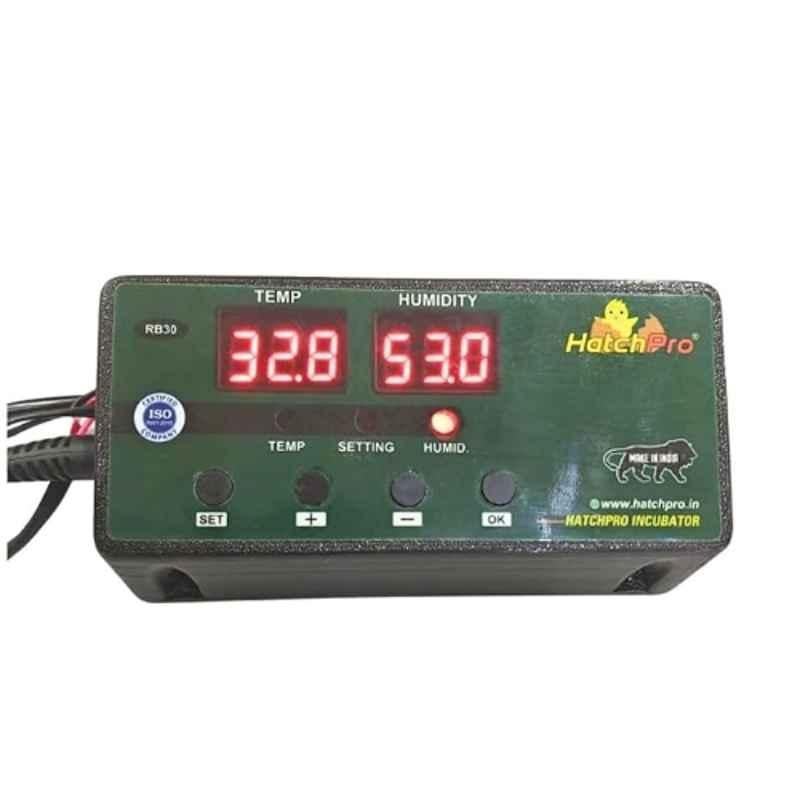
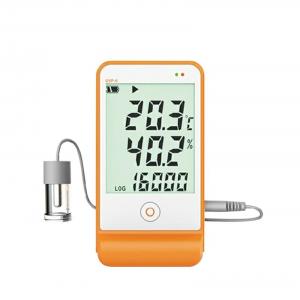
| Product Name | Incubator Humidity Controller | ||||||||||||||||||||||||
| Product Image |  |
||||||||||||||||||||||||
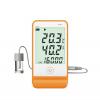
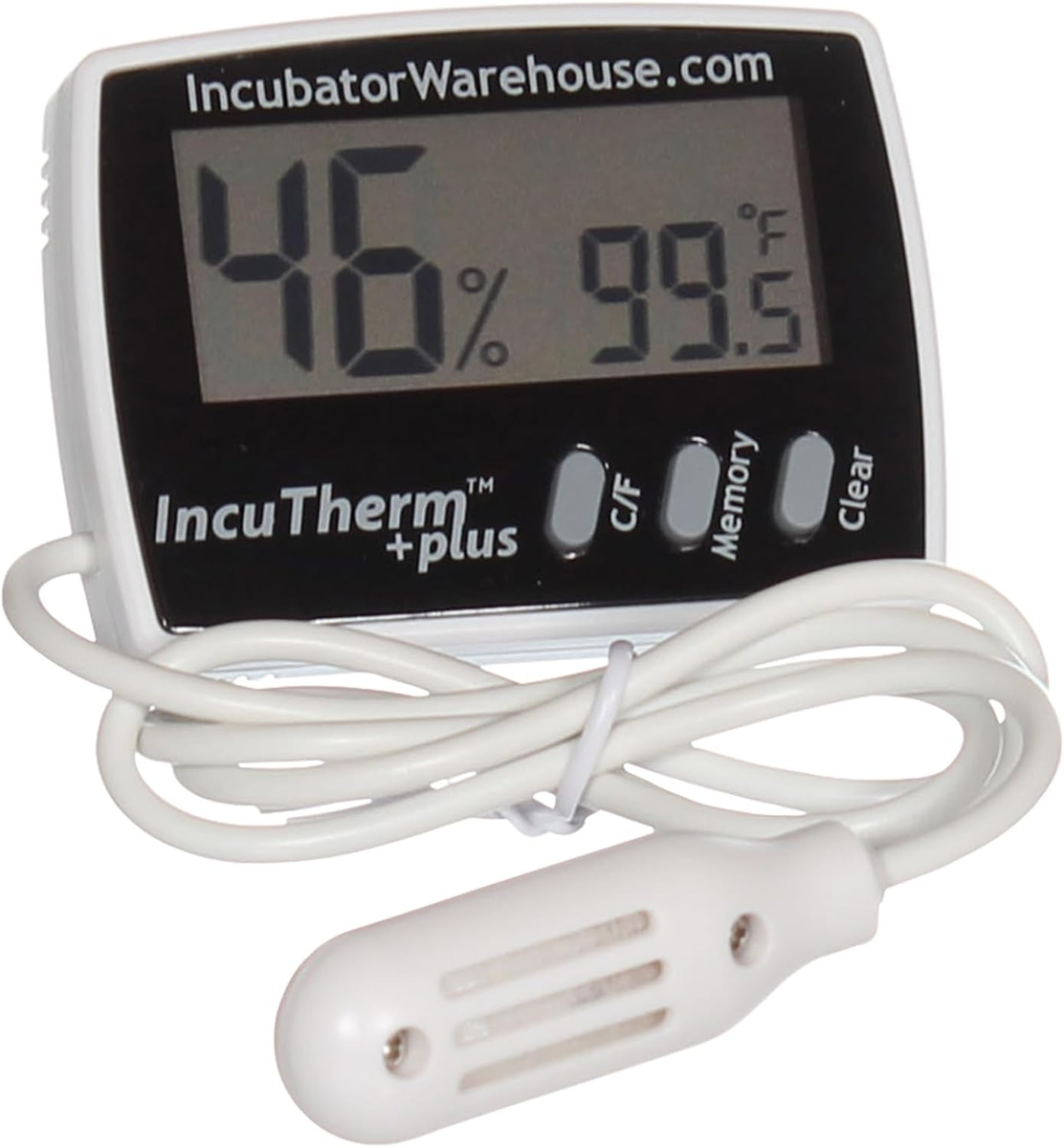
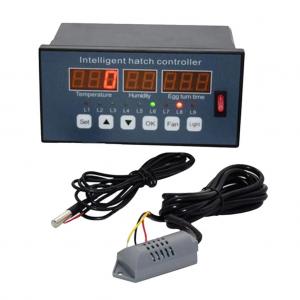
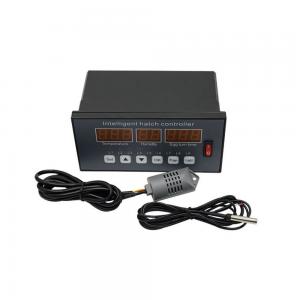
| Product Overview | The Incubator Humidity Controller is designed to monitor and regulate relative humidity inside poultry incubators, setters and hatchers. The system typically combines a digital humidity sensor, control module and water-delivery device to maintain the programmed RH level with reduced manual adjustment. Accurate humidity management is important because egg moisture loss during incubation directly affects air-cell development, while increased humidity during the final hatching stage helps prevent shell membranes from drying excessively. A properly configured controller can compensate for normal changes in room humidity by adjusting water delivery according to the measured RH level. The controller is suitable for small and medium incubators, commercial cabinet incubators and project-specific hatchery control systems. |
||||||||||||||||||||||||
| Key Features |
|
||||||||||||||||||||||||
| Structural Components |
|
||||||||||||||||||||||||
| Working Principle | The humidity sensor continuously measures the relative humidity inside the incubator. The controller compares the measured value with the user-defined RH set point. When humidity falls below the target level, the controller activates the water pump or humidification output. Water is delivered to the evaporation area or humidification device, increasing moisture inside the chamber. As the measured humidity approaches the set point, the controller reduces or stops water delivery according to its control logic. This closed-loop operation helps maintain more stable humidity than manual water filling alone. The achievable humidity range still depends on ambient humidity, ventilation rate, incubator temperature, water surface area and overall chamber design. |
||||||||||||||||||||||||
| Technical Specifications |
|
||||||||||||||||||||||||
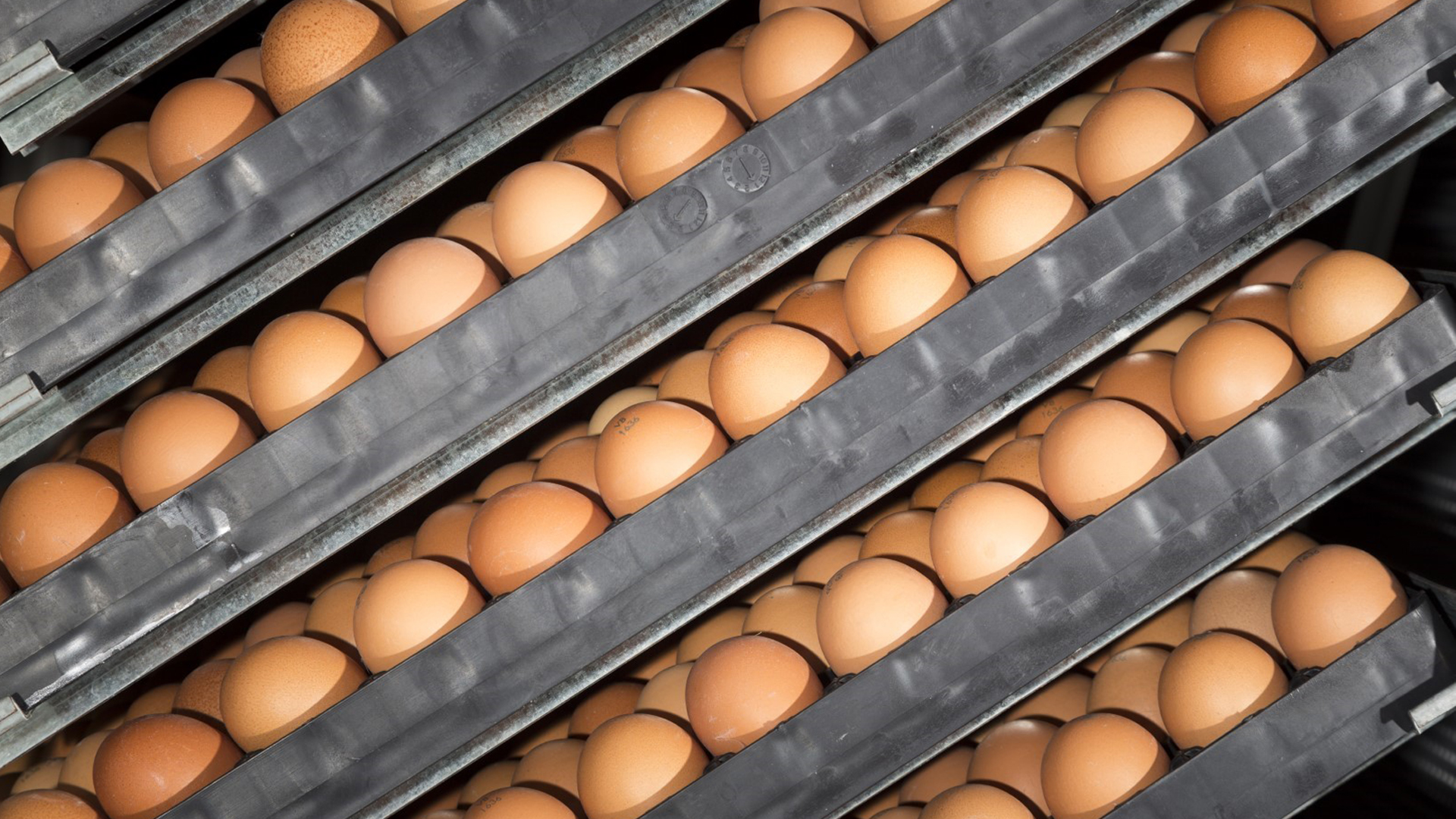
| Humidity Management | Humidity settings should be selected according to poultry species, breeder flock age, egg size, shell characteristics and hatchery management targets rather than relying on one fixed RH value for every batch. During the main incubation period, humidity influences the rate of moisture loss through the porous eggshell. During the final hatching stage, a higher RH level is commonly used to help keep shell membranes flexible during pipping and chick emergence. For professional hatchery management, egg weight loss, air-cell development and hatch results should be monitored together with the controller reading when adjusting humidity programs. |
||||||||||||||||||||||||
| Applications | |||||||||||||||||||||||||
| Customization Options | The Incubator Humidity Controller can be configured according to incubator capacity, required RH range, humidification method and existing control architecture. Customization options may include sensor type, display format, control output, pump capacity, water reservoir volume, alarm function, communication interface, electrical supply and mounting configuration. Complete control solutions can be designed according to local climate and farm conditions, incubation chamber dimensions and project requirements. |
||||||||||||||||||||||||
| Installation & Maintenance | Install the humidity sensor in a representative airflow location inside the incubator, away from direct spray, standing water and heating elements. The sensor should measure chamber conditions rather than the localized humidity immediately beside the humidifier. Install the water pump and reservoir where tubing can run securely without kinking. Use clean water according to the incubator manufacturer's recommendations and keep the reservoir, tubing and evaporation components free from biological contamination. Regularly inspect sensor readings, tubing, pump rollers, electrical connections and water-delivery components. Sensor calibration or verification should be performed according to the maintenance schedule required by the hatchery. |
||||||||||||||||||||||||
| Project Cases | In commercial hatchery projects, humidity controllers can be integrated into setters and hatchers to reduce dependence on manual water filling and provide repeatable environmental management between incubation batches. For cabinet incubator upgrades, an external humidity pump can be connected to a compatible digital controller and water reservoir. In larger hatcheries, multiple humidity-control zones can be coordinated with ventilation and temperature-control systems according to the equipment layout. |
||||||||||||||||||||||||
| Product FAQ | Q: What does an incubator humidity controller do? A: It measures relative humidity and automatically controls water delivery or a humidification device to maintain the programmed RH level. Q: Can it compensate for changes in room humidity? A: A closed-loop humidity controller can compensate for normal ambient humidity changes within the operating limits of the incubator and humidification system. Q: Can the controller reduce humidity? A: A pump-based humidification controller normally increases humidity only. Lower humidity generally requires changes to ventilation, room conditions or a separate dehumidification system. Q: Can it be retrofitted to an existing incubator? A: Yes. Retrofit configurations are available when the incubator has suitable space, electrical connections and a compatible humidification interface. Q: Is the RH set point the same for all poultry species? A: No. Humidity programs should be selected according to poultry species, egg condition, incubation stage and hatchery management objectives. Q: Can alarm functions be added? A: High- and low-humidity alarms or external alarm outputs are available upon request depending on controller configuration. Q: What information is required for quotation? A: Recommended information includes incubator type, chamber volume, poultry species, required RH range, humidification method, power supply and whether the system is for a new installation or retrofit. |
||||||||||||||||||||||||
| Product Gallery |  |
- Home
-
Products
- Pig Farming Equipment
- Cattle Farming Equipment
- Sheep & Goat Farming Equipment
- Poultry Farming Equipment
- Feeding & Drinking Systems
- Veterinary & Breeding Equipment
- Testing & Diagnostic Equipment
- Cleaning & Biosecurity Equipment
- Climate Control Equipment
- Livestock Weighing Equipment
- Manure & Waste Management
- Farm Transport & Handling
-
Solutions
- Pig Farm Solutions
- Dairy Farm Solutions
- Beef Cattle Farm Solutions
- Sheep & Goat Farm Solutions
- Layer Farm Solutions
- Broiler Farm Solutions
- Feeding & Drinking System Solutions
- Climate Control Solutions
- Biosecurity & Disinfection Solutions
- Manure & Waste Management
- Smart Farming Solutions
- Farm Renovation and Upgrade Solutions
- Partners
- Projects
- Resources
- News
- About Us
- Contact
Comments & Inquiries
Leave your questions or requirements below. We will reply as soon as possible.