

| Product Name | Roller-Type Automatic Egg Turning Tray | ||||||||||||||||||||||||||
| Product Image |  |
||||||||||||||||||||||||||
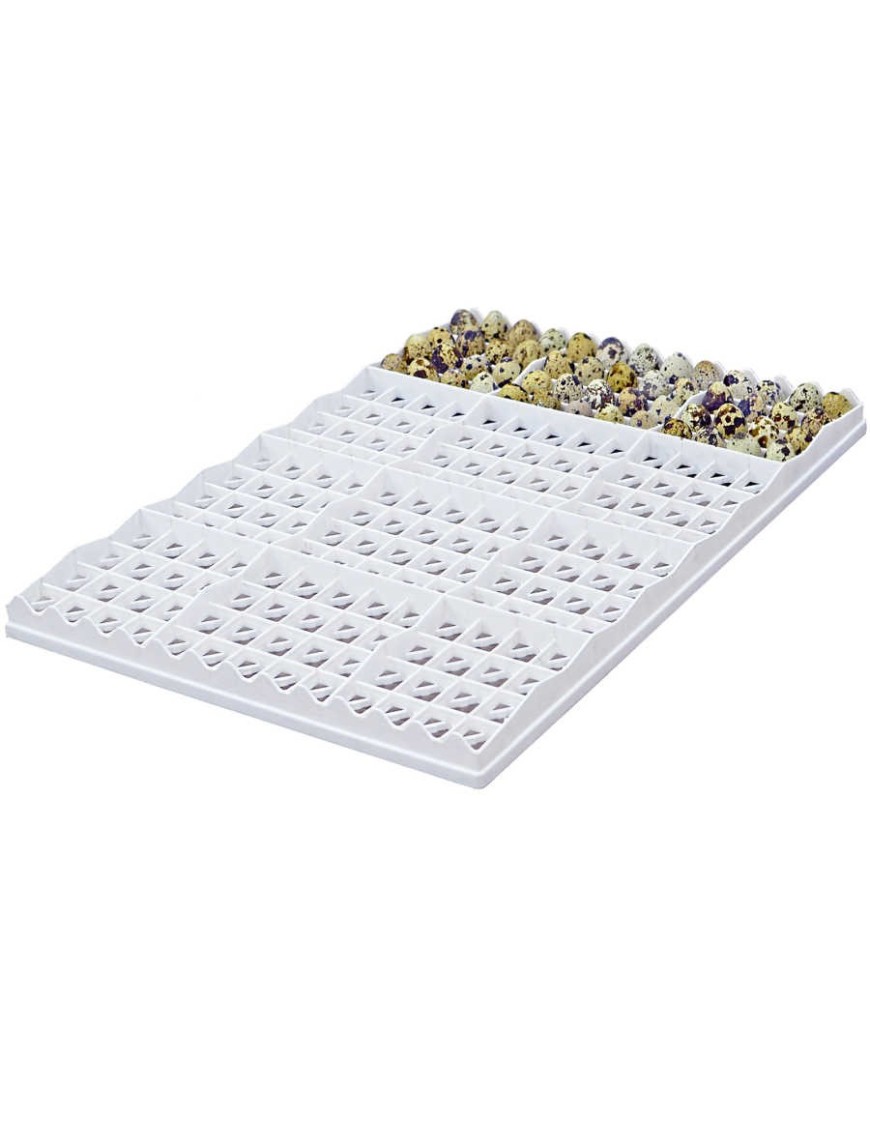
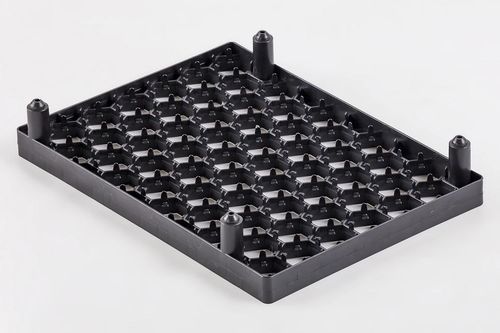
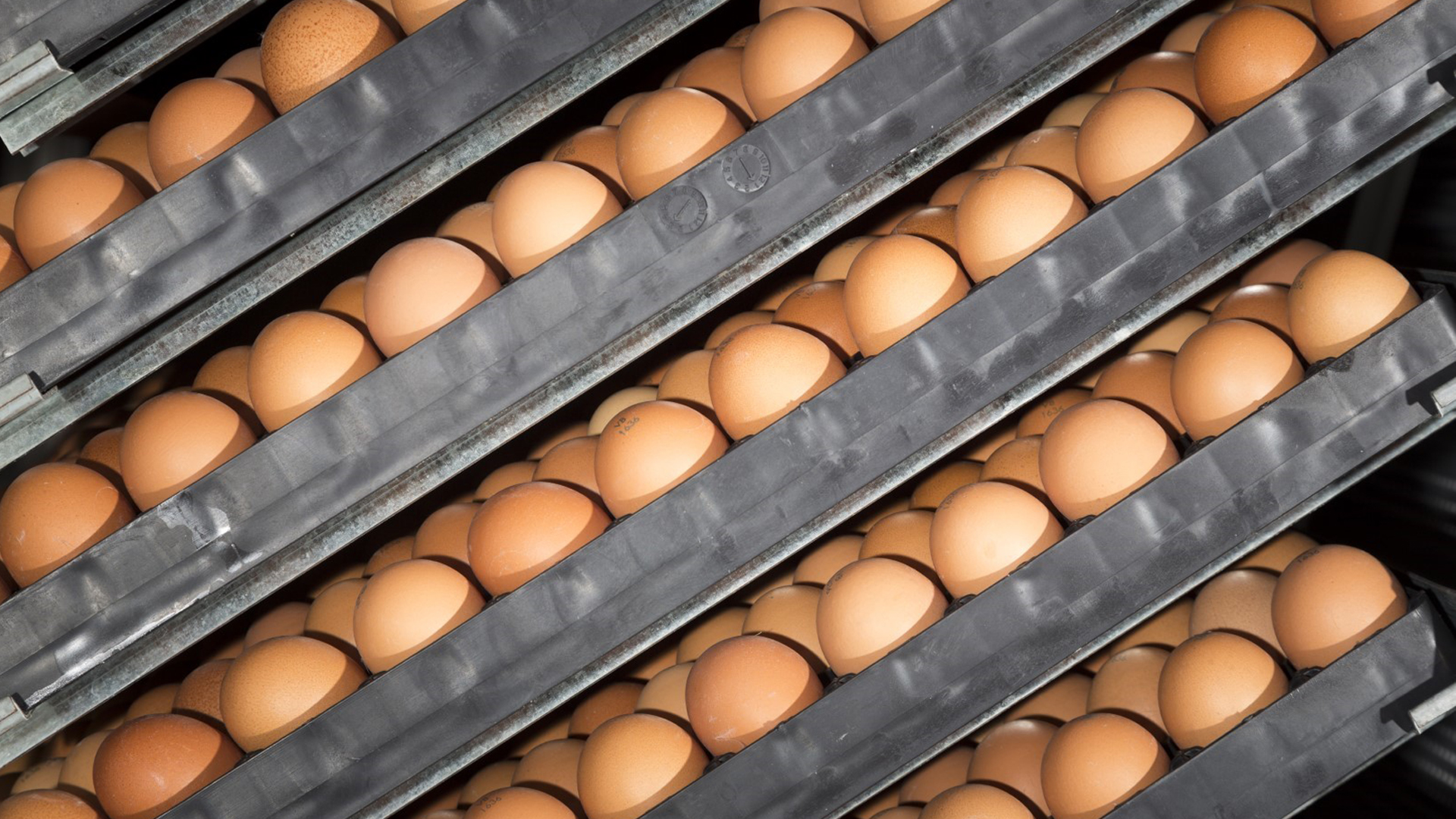
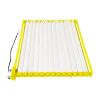
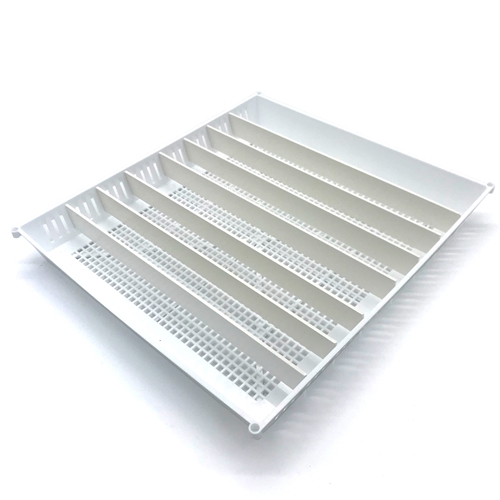
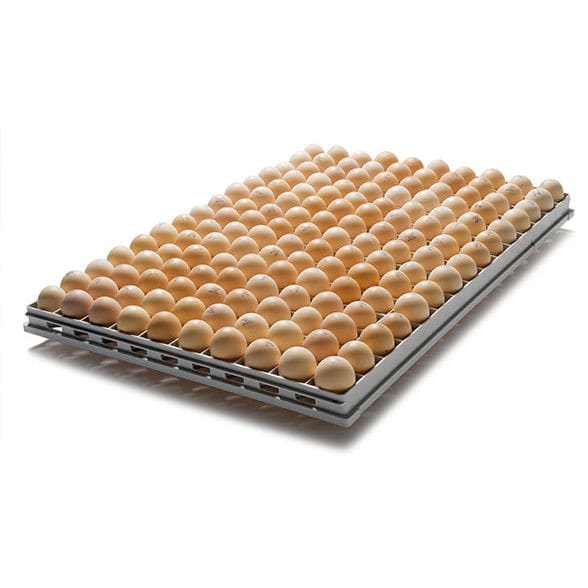
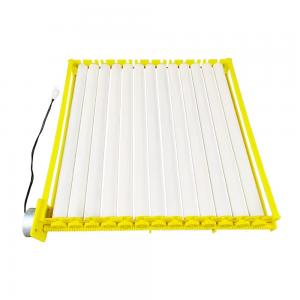
| Product Overview | The Roller-Type Automatic Egg Turning Tray is an incubator accessory designed to rotate fertile poultry eggs automatically during the setter stage. Parallel cylindrical rollers support the eggs and slowly change their position through a motor-driven transmission system, reducing the need for manual egg turning. Unlike fixed-cell egg trays, the roller arrangement can accommodate different egg diameters within the usable spacing of the tray. This makes the design suitable for chicken, duck, pigeon, quail and other poultry eggs when the roller dimensions and spacing are correctly selected. The tray can be incorporated into small incubators, breeding equipment, hatchery testing systems and customized poultry incubation equipment. |
||||||||||||||||||||||||||
| Key Features |
|
||||||||||||||||||||||||||
| Structural Components |
|
||||||||||||||||||||||||||
| Working Principle | Fertile eggs are positioned horizontally between adjacent rollers. When the automatic turning cycle is activated, the drive motor moves the transmission mechanism and rotates the rollers slowly. Contact between the roller surfaces and eggshells causes the eggs to rotate gradually. Repeated turning changes the orientation of the developing embryo and reduces the need for workers to open the incubator for manual turning. The turning interval is controlled by the incubator controller or an external timer. The reference incubation system uses automatic turning at programmed intervals, while commercial configurations can be adjusted according to poultry species and incubation management requirements. |
||||||||||||||||||||||||||
| Technical Specifications |
|
||||||||||||||||||||||||||
| Applications |
|
||||||||||||||||||||||||||
| Customization Options | The Roller-Type Automatic Egg Turning Tray can be customized according to incubator dimensions, poultry species, egg size range and required egg capacity. Available options may include tray length and width, roller quantity, roller diameter, roller spacing, frame configuration, motor voltage, electrical connector and control interface. OEM and project-specific configurations are available upon request. Tray dimensions and electrical specifications can be designed according to the customer's incubator structure and local operating requirements. |
||||||||||||||||||||||||||
| Installation & Maintenance | Place the tray horizontally inside the incubator and confirm that all rollers can rotate freely without contacting the chamber wall or other components. The motor and electrical connector should be connected according to the incubator control-system specification. Before loading fertile eggs, operate the tray without eggs to verify correct roller movement and turning direction. Eggs should be positioned between the rollers with sufficient spacing to prevent excessive pressure or interference between adjacent eggs. After each incubation cycle, remove shell debris and organic contamination from the rollers and frame. Inspect the motor, drive gears, roller supports and electrical connections regularly. The tray should be completely dry before being returned to service. |
||||||||||||||||||||||||||
| Project Cases | In customized incubator projects, roller turning trays can be installed as modular assemblies inside insulated incubation chambers. Multiple trays may be arranged in separate levels according to available chamber height and required egg capacity. For hatchery equipment upgrades, existing manual-turning incubators may be evaluated for conversion to automatic roller turning where chamber dimensions, airflow arrangement and electrical controls are compatible. |
||||||||||||||||||||||||||
| Product FAQ | Q: What is a roller-type egg turning tray? A: It is an incubator tray that uses rotating cylindrical rollers to change the position of fertile eggs automatically during the incubation period. Q: Can one roller tray accommodate different egg sizes? A: Yes. Roller-type trays can accommodate different egg diameters within the designed roller spacing, making them more flexible than many fixed-cell trays. Q: Can it be used for duck and quail eggs? A: Yes, provided that the roller spacing and tray dimensions are suitable for the target egg size. Q: Does the tray turn continuously? A: The turning sequence depends on the connected controller. The motor can be operated at programmed intervals according to the incubation management program. Q: Can the tray size be customized? A: Yes. Tray dimensions, roller quantity and spacing can be customized according to project requirements. Q: Can the tray be installed in an existing incubator? A: Retrofit installation is possible when the chamber dimensions, power supply and control system are compatible with the turning assembly. Q: What information is required for quotation? A: Recommended information includes incubator internal dimensions, poultry species, egg size, required capacity, available power supply and preferred turning control method. |
||||||||||||||||||||||||||
| Product Gallery | 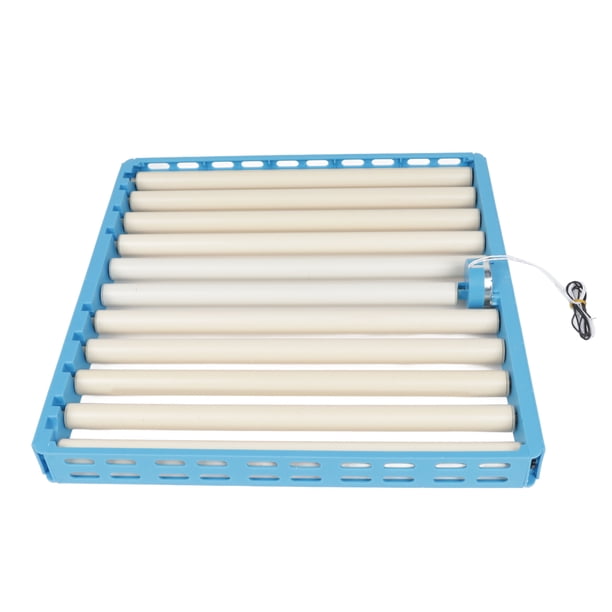  |
- Home
-
Products
- Pig Farming Equipment
- Cattle Farming Equipment
- Sheep & Goat Farming Equipment
- Poultry Farming Equipment
- Feeding & Drinking Systems
- Veterinary & Breeding Equipment
- Testing & Diagnostic Equipment
- Cleaning & Biosecurity Equipment
- Climate Control Equipment
- Livestock Weighing Equipment
- Manure & Waste Management
- Farm Transport & Handling
-
Solutions
- Pig Farm Solutions
- Dairy Farm Solutions
- Beef Cattle Farm Solutions
- Sheep & Goat Farm Solutions
- Layer Farm Solutions
- Broiler Farm Solutions
- Feeding & Drinking System Solutions
- Climate Control Solutions
- Biosecurity & Disinfection Solutions
- Manure & Waste Management
- Smart Farming Solutions
- Farm Renovation and Upgrade Solutions
- Partners
- Projects
- Resources
- News
- About Us
- Contact


Comments & Inquiries
Leave your questions or requirements below. We will reply as soon as possible.