
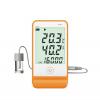
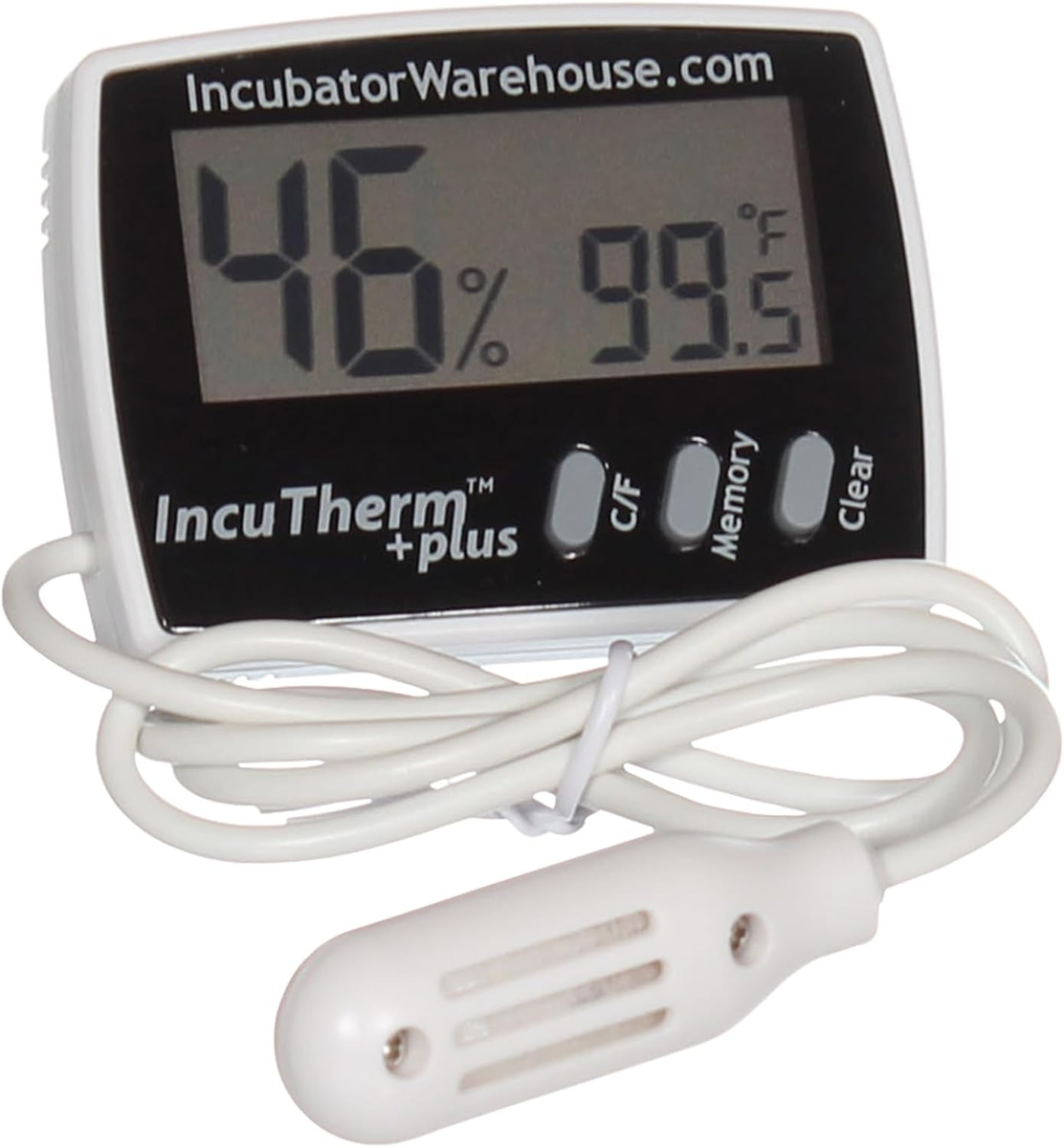

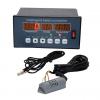

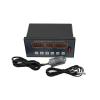
| Product Name | Multi-Output Incubator Climate Controller | ||||||||||||||||||||||||||||
| Product Image | 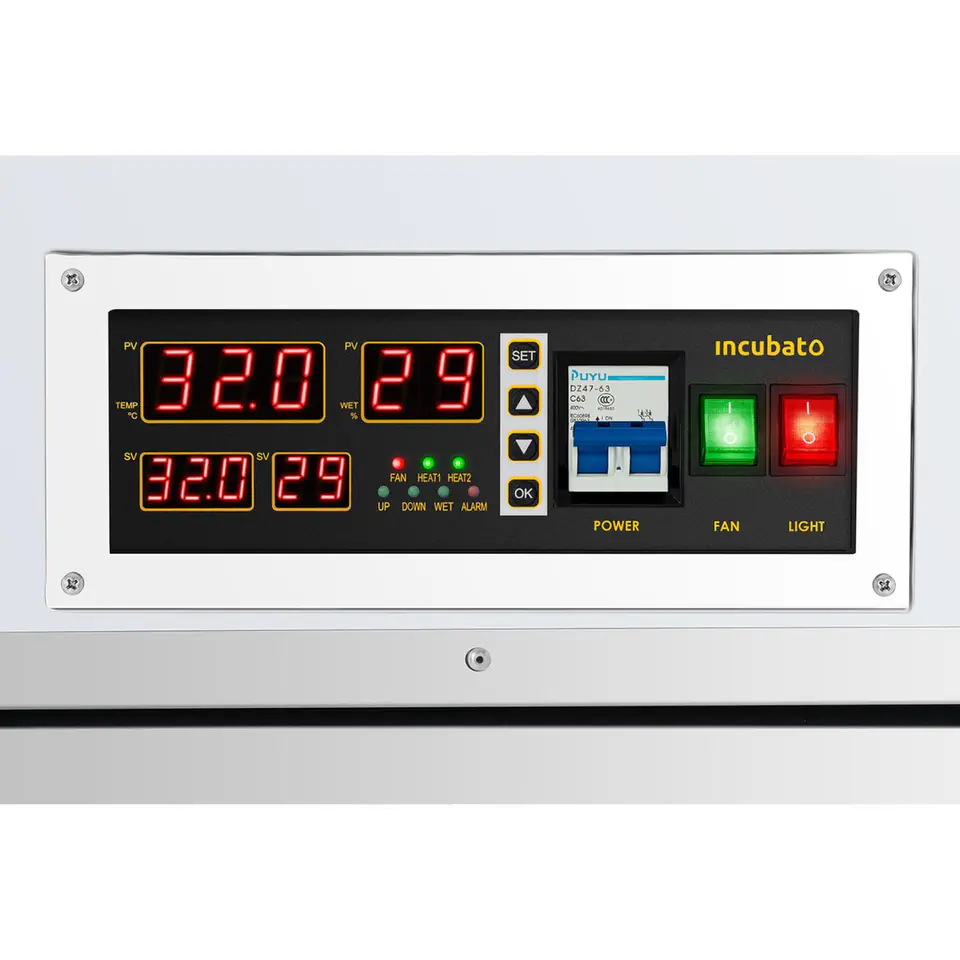 |
||||||||||||||||||||||||||||
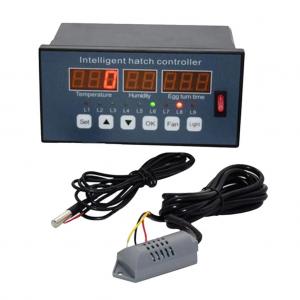
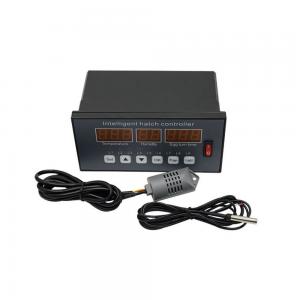
| Product Overview | The Multi-Output Incubator Climate Controller is designed for centralized environmental control in poultry incubators, hatchers and related hatchery equipment. It receives temperature and humidity signals and provides multiple independently configurable outputs for operating heaters, fans, pumps, humidification devices, solenoid valves and other auxiliary loads. A multi-setpoint architecture allows different control functions to be assigned to separate outputs, helping system integrators build compact incubator control panels without relying on several independent controllers. Depending on configuration, outputs can be programmed for high, low, deviation or off-state operation. :contentReference[oaicite:1]{index=1} The controller is suitable for new incubator manufacturing, hatchery equipment upgrades, control cabinet integration and replacement projects where stable climate management and flexible output allocation are required. |
||||||||||||||||||||||||||||
| Key Features |
|
||||||||||||||||||||||||||||
| Structural Components |
|
||||||||||||||||||||||||||||
| Working Principle | The controller continuously receives environmental measurements from installed temperature and humidity sensors. Each measured value is compared with one or more programmed setpoints. When a control condition is reached, the corresponding output changes state and sends a control signal to an external relay, solid-state relay or compatible actuator circuit. In a typical incubator application, separate outputs may be assigned to primary heating, auxiliary heating, ventilation fans, humidification pumps and water solenoid valves. The referenced hatchery controller architecture supports six setpoints and six optically isolated DC control outputs. Output functions can be configured independently, allowing a single controller to coordinate several incubator climate functions. :contentReference[oaicite:2]{index=2} |
||||||||||||||||||||||||||||
| Technical Specifications |
|
||||||||||||||||||||||||||||
| Typical Output Allocation | A multi-output climate controller can be configured to operate several incubator subsystems from one control point. Typical assignments may include:
|
||||||||||||||||||||||||||||
| Applications |
|
||||||||||||||||||||||||||||
| Customization Options | The Multi-Output Incubator Climate Controller can be configured according to incubator capacity, electrical architecture, sensor type and required control functions. Available options may include output quantity, relay or SSR interface, sensor configuration, alarm logic, communication interface, operating voltage, enclosure arrangement and control-panel integration. Output allocation can be customized for heating, cooling, ventilation, humidification, dehumidification, pumps, solenoid valves or other project-specific actuators. Complete solutions are available according to project requirements. |
||||||||||||||||||||||||||||
| Installation & Maintenance | The controller should be mounted in a suitable electrical panel where the front display remains accessible to hatchery personnel. Sensor wiring should be routed separately from high-current heater, motor and contactor cables where practical to reduce electrical interference. External relays or solid-state relays should be selected according to the connected heater, fan, pump or solenoid load. Appropriate circuit protection, grounding and isolation should be incorporated into the complete incubator control cabinet. Routine maintenance includes checking sensor calibration, terminal tightness, relay or SSR operation, alarm functions and display accuracy. Temperature and humidity sensors should be inspected and calibrated according to the hatchery maintenance schedule. |
||||||||||||||||||||||||||||
| Project Cases | In a commercial incubator control cabinet, one multi-output controller can receive dry-bulb and wet-bulb or temperature/humidity signals and distribute commands to several environmental devices. This reduces the number of independent control modules and creates a more centralized operating interface. For hatchery modernization projects, the controller can also be installed as a replacement control module while retaining compatible heaters, fans, pumps and solenoid valves. Optional RS485 communication can support connection with a supervisory computer or broader hatchery monitoring system. :contentReference[oaicite:3]{index=3} |
||||||||||||||||||||||||||||
| Product FAQ | Q: What does a multi-output incubator controller control? A: It can coordinate several incubator functions such as heating, ventilation, humidification, pumps, solenoid valves and alarm outputs from one controller. Q: How many outputs are available? A: Hatchery-oriented configurations can provide up to six programmable setpoints and six corresponding control outputs. :contentReference[oaicite:4]{index=4} Q: Can it operate heaters directly? A: The referenced design provides low-voltage control signals for external relay or SSR modules. Final power switching should be selected according to the connected load. Q: Can it control humidity as well as temperature? A: Yes. Compatible sensor arrangements can be used for temperature and humidity control, including dry/wet bulb sensing or dedicated temperature and relative humidity sensors. Q: Is remote monitoring available? A: Optional RS485 communication using Modbus RTU can be provided for connection to a computer or supervisory system. :contentReference[oaicite:5]{index=5} Q: Can the output functions be customized? A: Yes. Output allocation can be configured according to the incubator's heater, fan, pump, valve and alarm requirements. Q: What information is required for quotation? A: Recommended information includes sensor type, number of outputs, connected loads, required control functions, power supply, communication requirements and control-panel dimensions. |
||||||||||||||||||||||||||||
| Product Gallery | 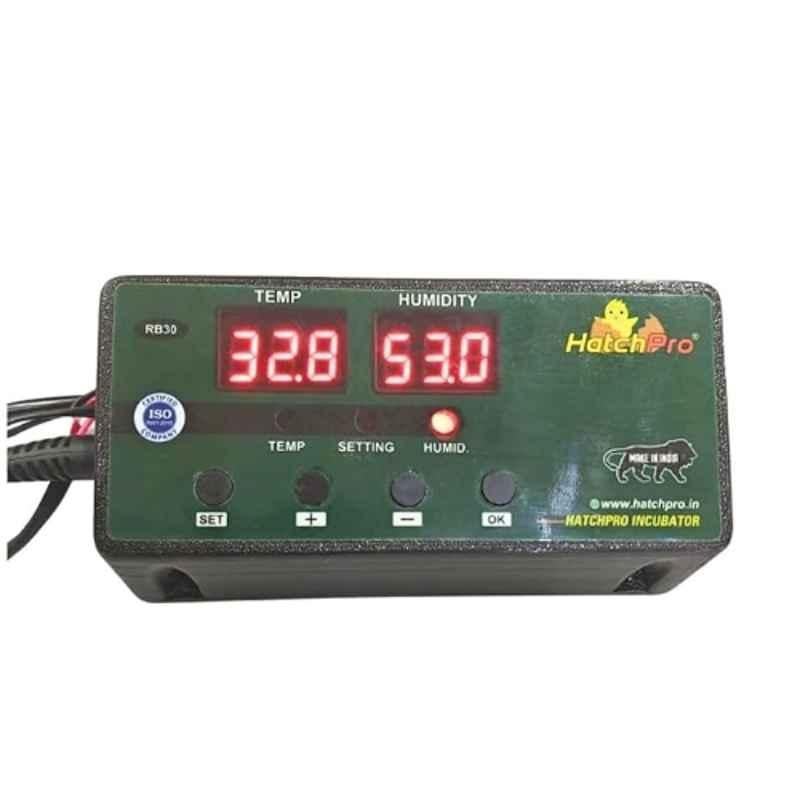 |
- Home
-
Products
- Pig Farming Equipment
- Cattle Farming Equipment
- Sheep & Goat Farming Equipment
- Poultry Farming Equipment
- Feeding & Drinking Systems
- Veterinary & Breeding Equipment
- Testing & Diagnostic Equipment
- Cleaning & Biosecurity Equipment
- Climate Control Equipment
- Livestock Weighing Equipment
- Manure & Waste Management
- Farm Transport & Handling
-
Solutions
- Pig Farm Solutions
- Dairy Farm Solutions
- Beef Cattle Farm Solutions
- Sheep & Goat Farm Solutions
- Layer Farm Solutions
- Broiler Farm Solutions
- Feeding & Drinking System Solutions
- Climate Control Solutions
- Biosecurity & Disinfection Solutions
- Manure & Waste Management
- Smart Farming Solutions
- Farm Renovation and Upgrade Solutions
- Partners
- Projects
- Resources
- News
- About Us
- Contact
Comments & Inquiries
Leave your questions or requirements below. We will reply as soon as possible.