
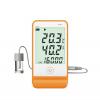
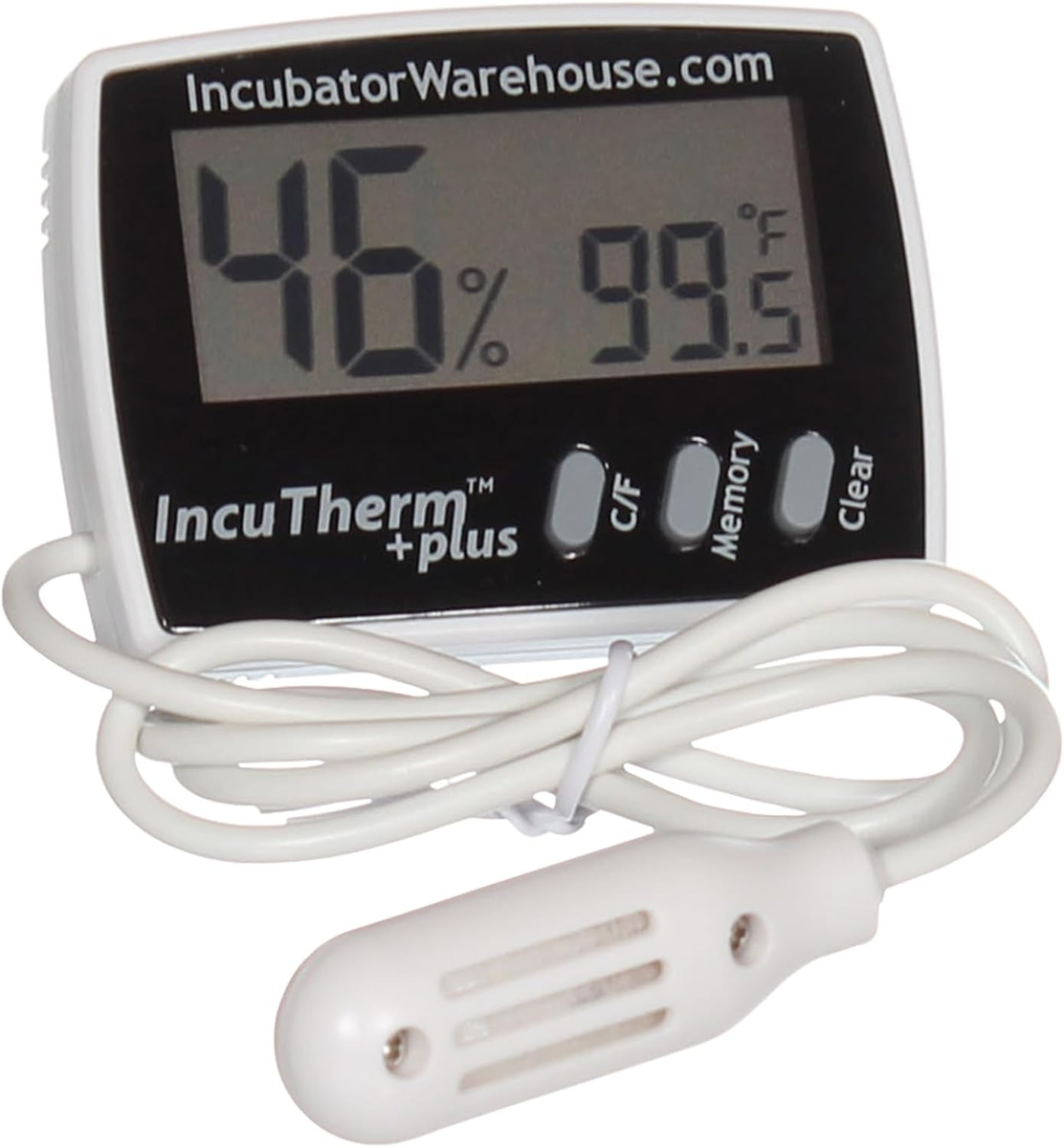

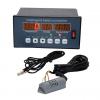

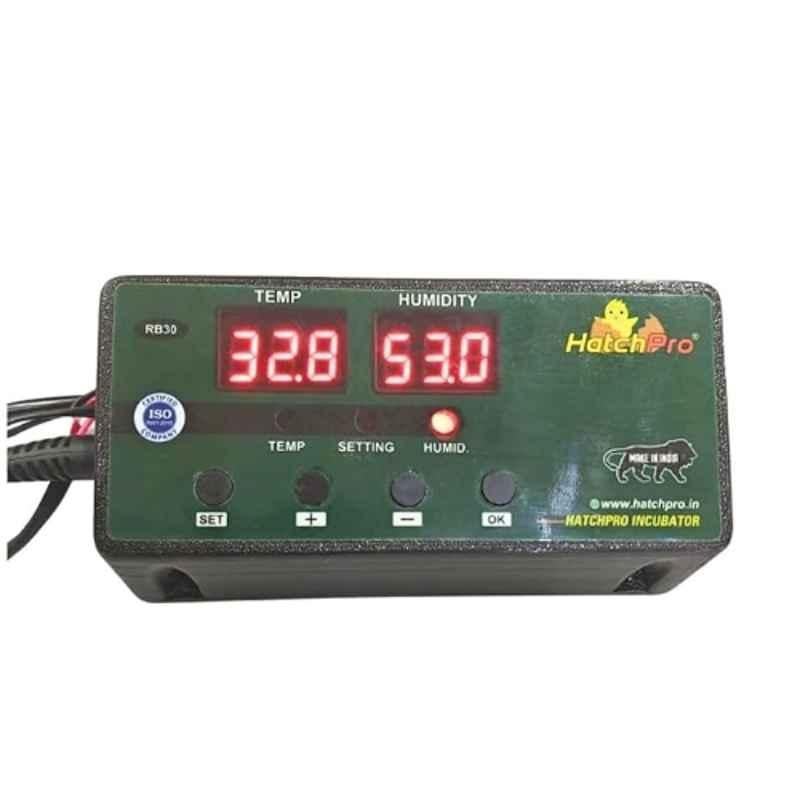
| Product Name | Digital Incubator Temperature Controller | ||||||||||||||||||||||||||||||
| Product Image | 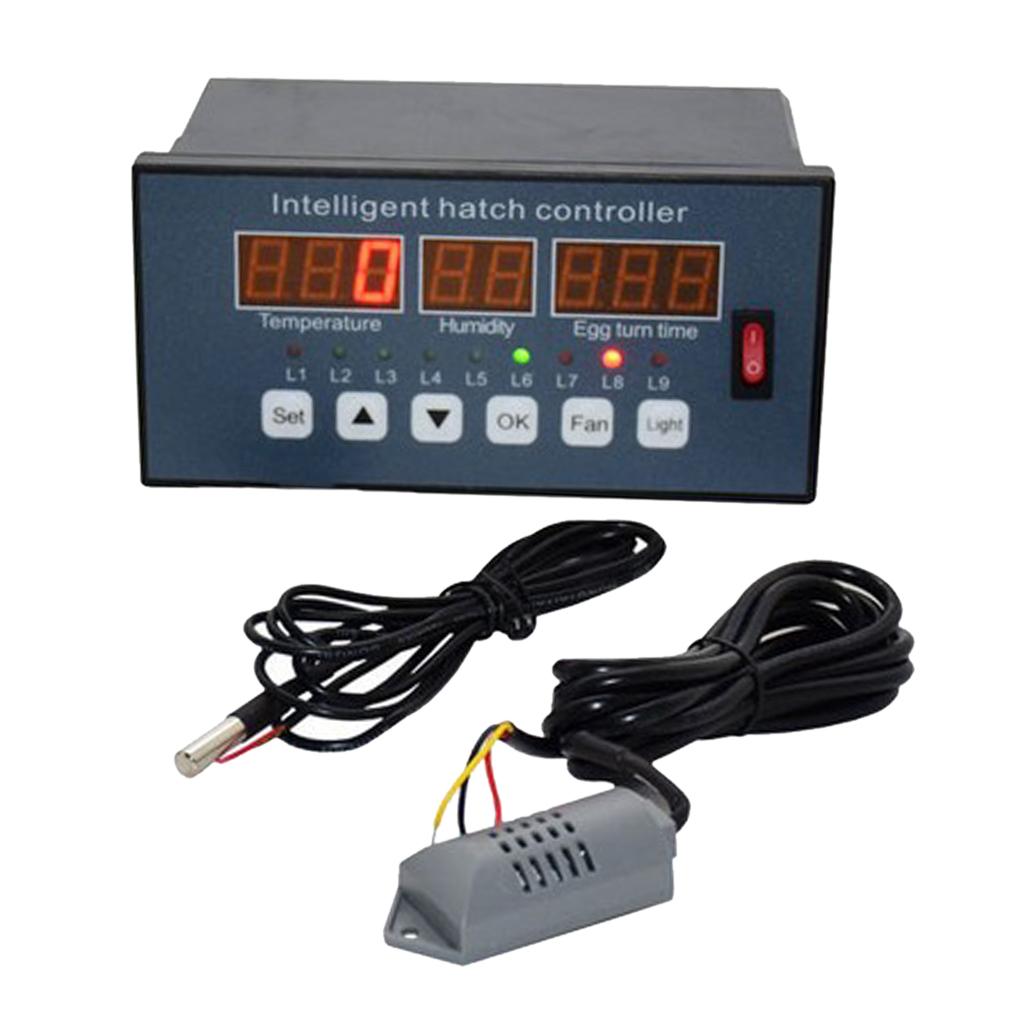 |
||||||||||||||||||||||||||||||
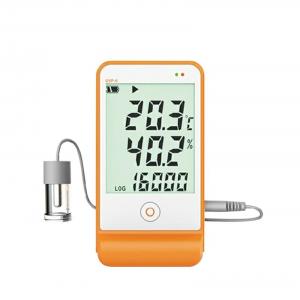
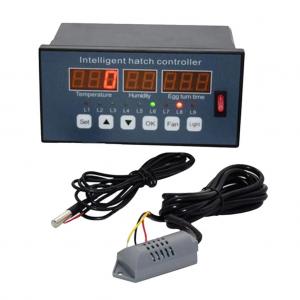
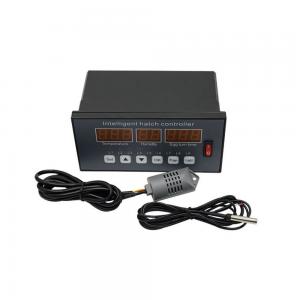
| Product Overview | The Digital Incubator Temperature Controller is a microcontroller-based environmental control unit designed for poultry incubators, hatchers and related hatchery climate-control applications. It provides centralized monitoring and regulation of temperature and, depending on configuration, relative humidity through connected sensors and programmable control outputs. The controller continuously compares measured environmental values with operator-defined setpoints and activates external heaters, humidifiers, fans, pumps, cooling devices or alarm circuits as required. A dual digital display enables operators to monitor incubation conditions directly from the control panel. The unit is suitable for new poultry incubation equipment, hatchery control-panel assembly, incubator retrofit projects and replacement of conventional mechanical thermostats with more precise electronic control. |
||||||||||||||||||||||||||||||
| Key Features |
|
||||||||||||||||||||||||||||||
| Structural Components |
|
||||||||||||||||||||||||||||||
| Working Principle | Temperature and humidity sensors continuously measure the environmental conditions inside the incubator. The controller receives these signals and compares the measured process values with the programmed setpoints. If the incubator temperature falls below the selected control range, the controller can energize a heater output. When the required temperature is reached, the output is switched or modulated according to the selected control method. In temperature-and-humidity configurations, a separate output can operate a humidifier, water valve or other moisture-control device. Additional outputs can be assigned to fans, cooling devices or alarm circuits depending on the control architecture. Programmable hysteresis or PID-based control can be selected according to the application and controller configuration to provide stable operating conditions with reduced temperature fluctuation. |
||||||||||||||||||||||||||||||
| Technical Specifications |
|
||||||||||||||||||||||||||||||
| Control Functions | A digital incubator controller can be configured to coordinate several environmental functions within a poultry incubation system. Depending on the selected model and output architecture, these may include heating control, humidity regulation, fan operation, cooling control, water-pump control, solenoid-valve operation and alarm signaling. Multi-output controllers are particularly useful in commercial hatchery equipment because a single control panel can coordinate several devices while maintaining clearly defined operating setpoints. For larger hatchery projects, optional communication interfaces can connect the controller with a PLC, supervisory computer or centralized monitoring system. |
||||||||||||||||||||||||||||||
| Applications |
|
||||||||||||||||||||||||||||||
| Customization Options | The Digital Incubator Temperature Controller can be configured according to incubator size, sensor type, required number of outputs and environmental-control strategy. Available options may include temperature-only or temperature-and-humidity control, relay outputs, SSR outputs, alarm contacts, multiple programmable setpoints, RS485 communication and different sensor arrangements. Control logic can be designed according to project requirements and coordinated with heaters, humidifiers, fans, pumps, solenoid valves and other incubator electrical equipment. Electrical configuration is available according to local power standards. |
||||||||||||||||||||||||||||||
| Installation & Maintenance | The controller is normally installed in the incubator electrical panel where the display and programming keys remain accessible to the operator. Sensor cables should be routed separately from high-current heater and motor wiring wherever practical to reduce electrical interference. Temperature and humidity probes should be positioned in representative airflow locations rather than directly beside heaters, humidifier outlets or cooling surfaces. Correct sensor placement is essential for stable environmental control. Routine maintenance includes inspecting sensor connections, checking terminal tightness, verifying relay or SSR operation and periodically comparing sensor readings with calibrated reference instruments. Damaged sensors should be replaced before they affect incubation control accuracy. |
||||||||||||||||||||||||||||||
| Project Cases | In a poultry incubator control cabinet, the digital controller can receive signals from chamber temperature and humidity probes and provide control outputs to heaters, humidifiers, fans and alarm devices. In hatchery modernization projects, electronic controllers can replace older mechanical thermostats or separate single-function devices, providing centralized adjustment and clearer digital monitoring. For larger steel structure hatchery buildings, multiple incubator controllers can be incorporated into centralized electrical panels and connected to supervisory monitoring systems according to project requirements. |
||||||||||||||||||||||||||||||
| Product FAQ | Q: Can the controller manage both temperature and humidity? A: Yes. Dual-parameter configurations can monitor and control temperature and relative humidity through compatible sensors and separate outputs. Q: Can it control an incubator heater directly? A: Depending on the connected load and controller output rating, the output may operate a heater through a relay, contactor or solid-state relay. High-power loads should use correctly rated external switching equipment. Q: Can the controller operate a humidifier? A: Yes. A humidity-control output can operate compatible humidification equipment according to the selected control configuration. Q: Are alarm functions available? A: High and low temperature or humidity alarms can be provided according to controller configuration. Q: Can it communicate with a PLC or computer? A: RS485 and Modbus communication can be provided in compatible configurations for centralized monitoring or data acquisition. Q: Can the controller be customized for an existing incubator? A: Yes. Sensor type, control outputs, supply voltage and panel arrangement can be selected according to the existing incubator and project requirements. Q: What information is required for quotation? A: Recommended information includes incubator type, required temperature and humidity functions, sensor type, number and type of outputs, electrical supply, connected loads and communication requirements. |
||||||||||||||||||||||||||||||
| Product Gallery | 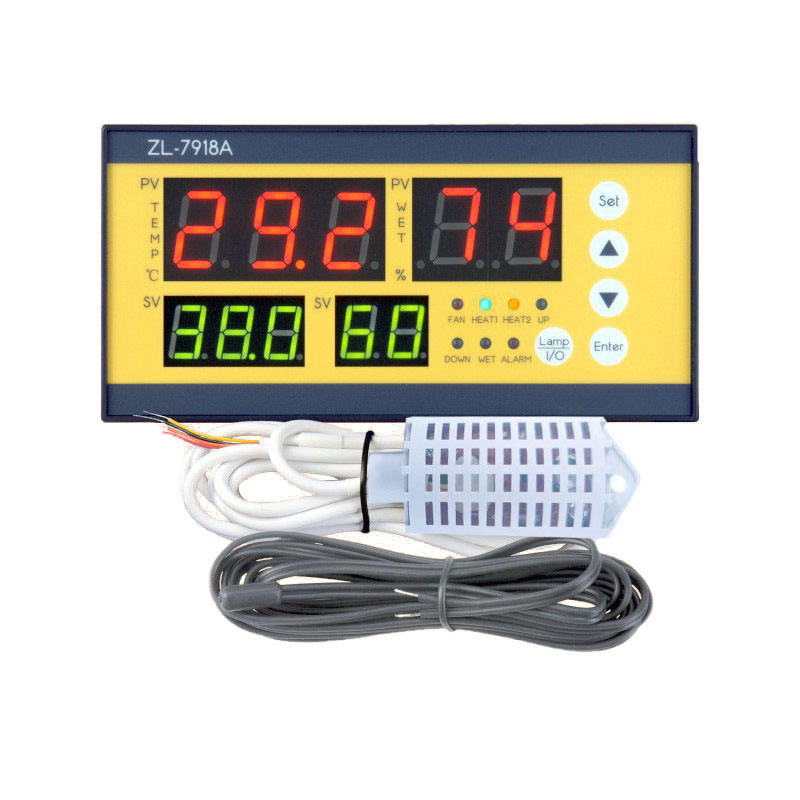 |
- Home
-
Products
- Pig Farming Equipment
- Cattle Farming Equipment
- Sheep & Goat Farming Equipment
- Poultry Farming Equipment
- Feeding & Drinking Systems
- Veterinary & Breeding Equipment
- Testing & Diagnostic Equipment
- Cleaning & Biosecurity Equipment
- Climate Control Equipment
- Livestock Weighing Equipment
- Manure & Waste Management
- Farm Transport & Handling
-
Solutions
- Pig Farm Solutions
- Dairy Farm Solutions
- Beef Cattle Farm Solutions
- Sheep & Goat Farm Solutions
- Layer Farm Solutions
- Broiler Farm Solutions
- Feeding & Drinking System Solutions
- Climate Control Solutions
- Biosecurity & Disinfection Solutions
- Manure & Waste Management
- Smart Farming Solutions
- Farm Renovation and Upgrade Solutions
- Partners
- Projects
- Resources
- News
- About Us
- Contact

Comments & Inquiries
Leave your questions or requirements below. We will reply as soon as possible.