
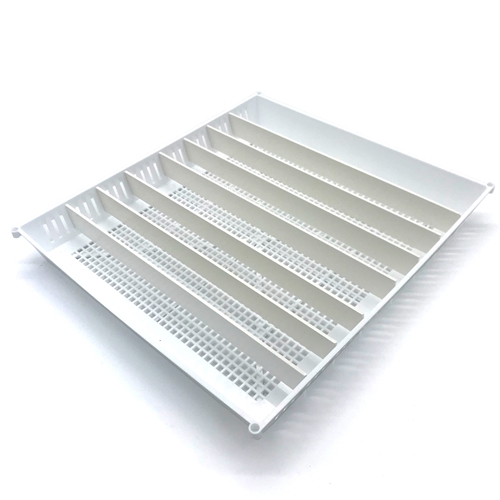
| Product Name | Automation-Compatible Setter Tray | ||||||||||||||||||||||
| Product Image | 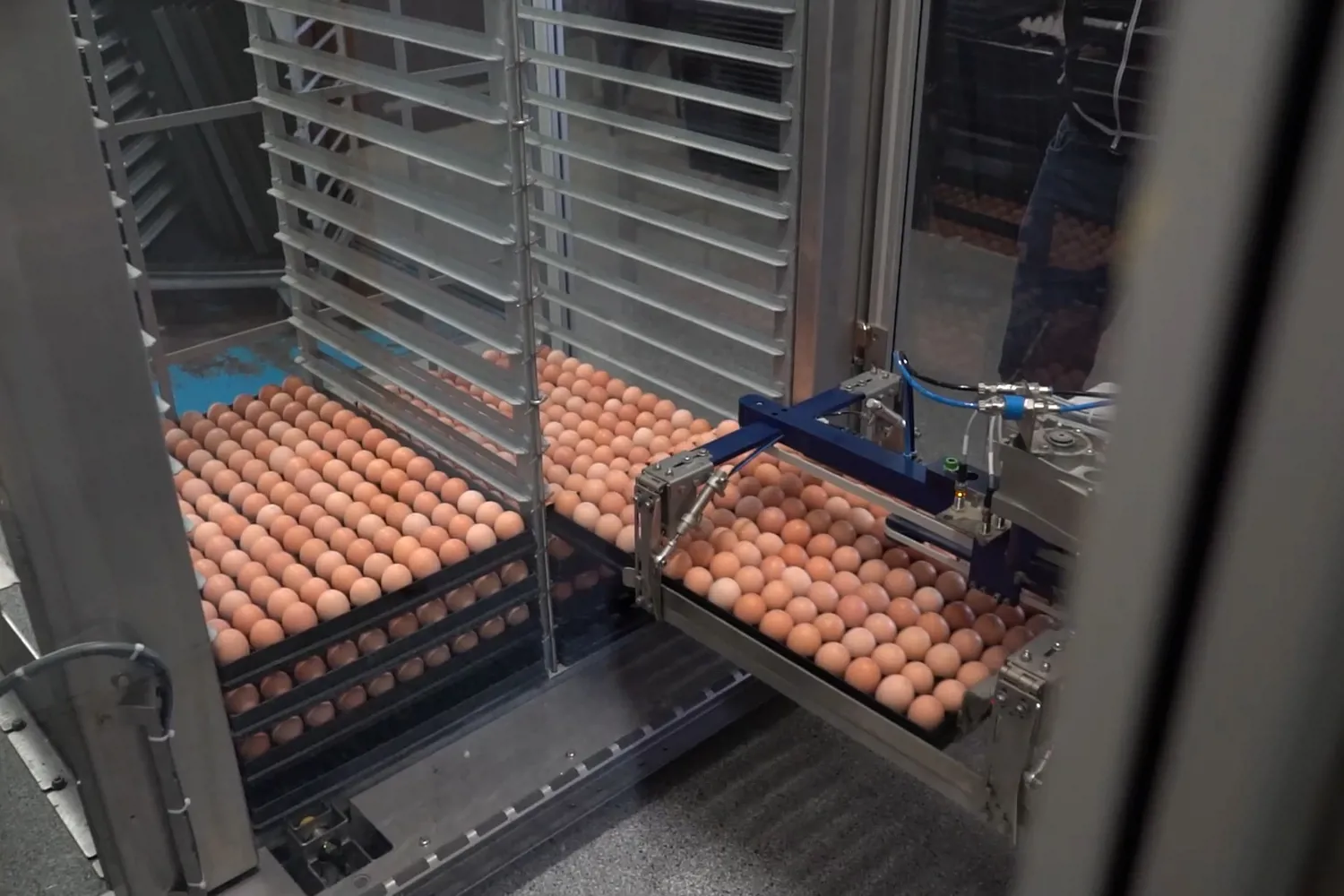 |
||||||||||||||||||||||
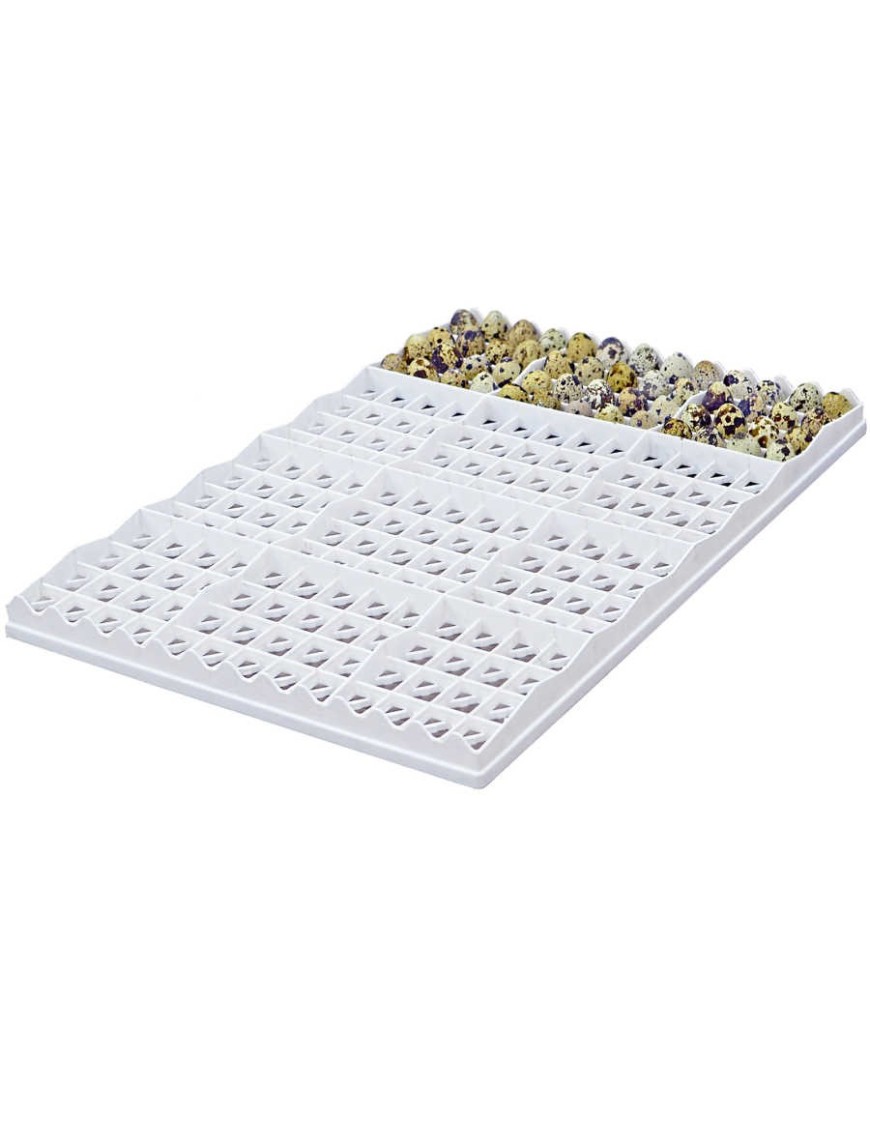
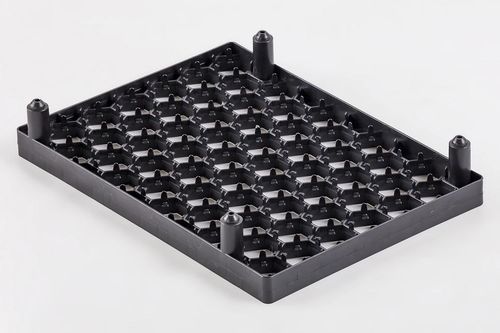
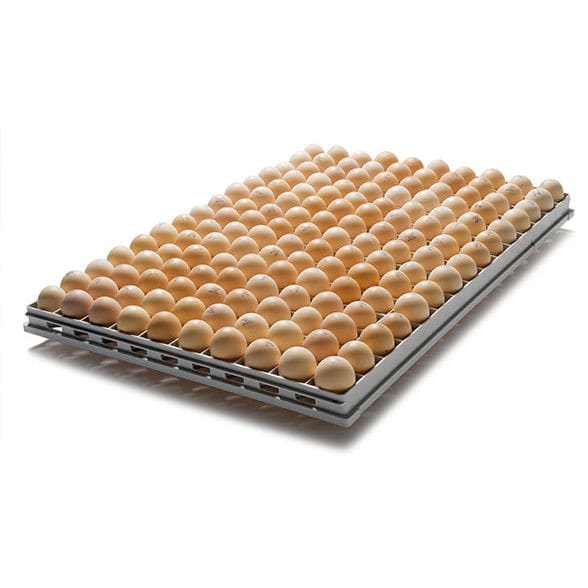
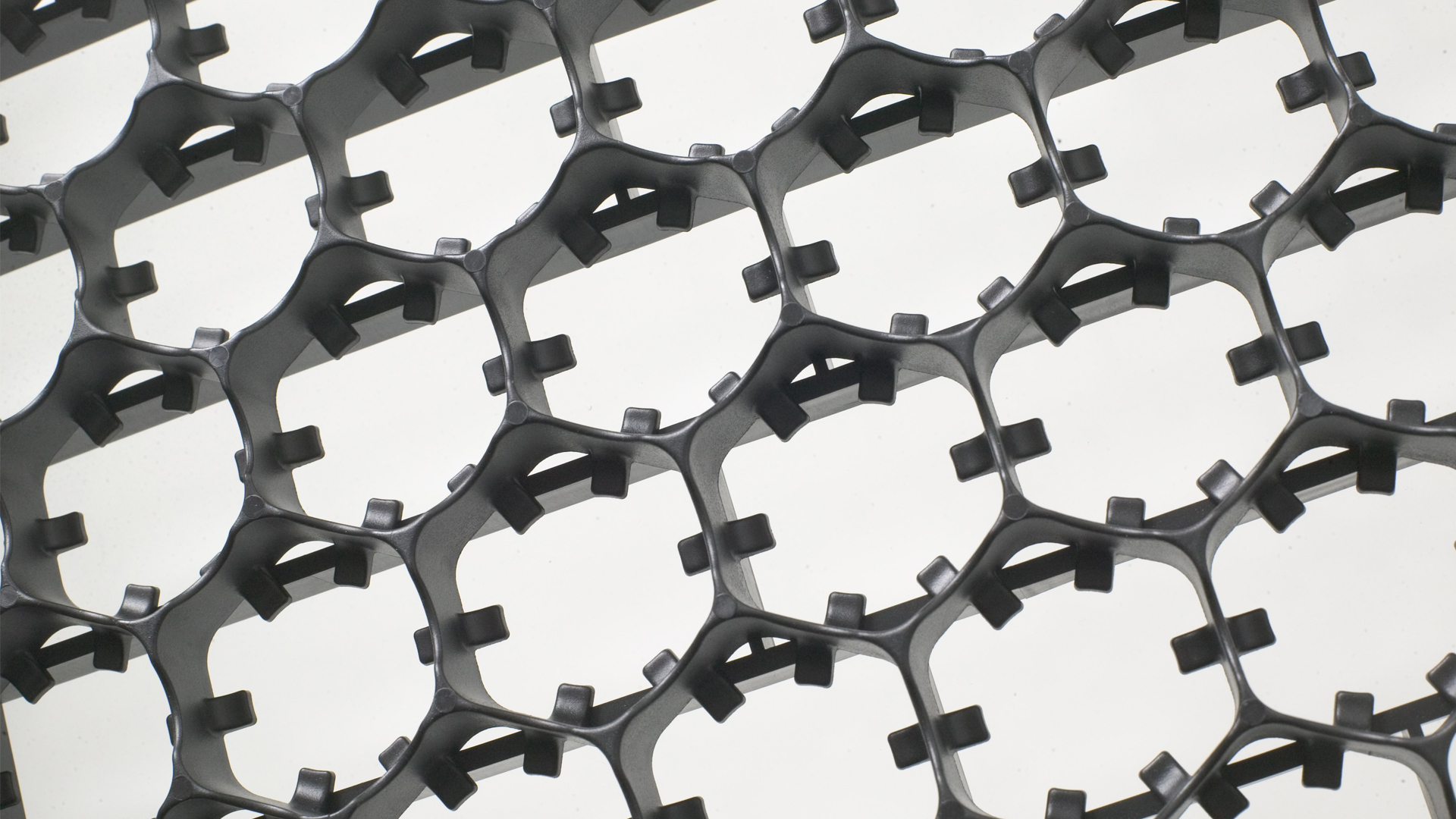
| Product Overview | The Automation-Compatible Setter Tray is designed for professional poultry hatcheries that require reliable egg positioning, smooth mechanical handling and compatibility with automated egg packing, tray transfer and trolley-loading equipment. Its stable geometry helps maintain consistent positioning when trays are picked up, conveyed, stacked or inserted into setter trolleys by automatic handling systems. Individual egg support points help protect fertile eggs against unnecessary movement while allowing air to circulate around the shell during incubation. The tray is suitable for new hatchery automation projects as well as modernization of existing incubation facilities where manual egg handling is being replaced by automated production lines. |
||||||||||||||||||||||
| Key Features |
|
||||||||||||||||||||||
| Structural Components |
|
||||||||||||||||||||||
| Working Principle | Empty setter trays can be manually supplied or automatically separated from a tray stack and delivered to the egg-setting position. Fertilized eggs are then placed into individual tray pockets by manual operators, vacuum transfer equipment or an automatic egg packer. After filling, the complete tray can be transferred by conveyor to a trolley-loading station. An automated gripper or transfer mechanism lifts the filled tray and places it into the correct level of the setter trolley while the eggs remain securely supported. Inside the incubator, the tray keeps eggs organized while its open structure allows conditioned air to circulate around the shell surface. After incubation, the tray can be removed manually or through compatible automated handling equipment. |
||||||||||||||||||||||
| Technical Specifications |
|
||||||||||||||||||||||
| Automation Compatibility | For automated hatchery operation, consistent tray dimensions are essential because mechanical grippers and trolley loaders depend on repeatable positioning. The tray can be engineered to match common commercial setter and trolley formats or developed according to an existing hatchery interface. Compatible applications may include automatic tray denesting, fertilized egg packing, vacuum egg transfer, conveyor transport, robotic or mechanical gripping, trolley loading and automated setter logistics. When upgrading an existing hatchery, tray dimensions, trolley rail spacing, loading direction and gripper contact points should be confirmed before production. |
||||||||||||||||||||||
| Applications |
|
||||||||||||||||||||||
| Customization Options | The Automation-Compatible Setter Tray can be customized according to poultry species, egg dimensions, setter configuration, trolley layout and automatic handling equipment. Customization options may include tray length and width, egg capacity, pocket spacing, edge geometry, stacking structure, gripper contact areas, material, color and identification features. For hatchery engineering projects, trays can be developed according to existing equipment interfaces or coordinated with new automation lines. Final dimensions should be confirmed according to project requirements before production. |
||||||||||||||||||||||
| Installation & Maintenance | Before introducing trays into an automatic production line, verify compatibility with the tray denester, conveyor guides, transfer mechanism, gripper head, setter trolley and incubator rack. Trial loading should confirm smooth movement through each transfer point without excessive clearance, jamming or mechanical interference. Automatic handling parameters should be adjusted to minimize impact on fertile eggs. After use, remove eggshell residue and organic contamination and wash and disinfect the trays according to the hatchery biosecurity program. Inspect tray frames, support pockets and automation contact areas regularly and replace damaged or distorted trays before they affect automatic operation. |
||||||||||||||||||||||
| Project Cases | In an automated commercial hatchery, empty setter trays can be separated automatically, supplied to an egg packer, filled with fertile eggs and transported directly to a trolley-loading station. A mechanical gripper then places each filled tray into the setter trolley without repeated manual lifting. This configuration helps create a continuous egg-handling workflow from egg reception and grading through setting and incubation. Tray specifications can also be coordinated with steel structure hatchery building layouts, equipment positioning and future automation expansion plans. |
||||||||||||||||||||||
| Product FAQ | Q: What makes a setter tray suitable for automation? A: Consistent dimensions, stable geometry, reliable egg positioning and defined mechanical contact areas allow automated equipment to grip, convey and load the tray accurately. Q: Can the tray work with an automatic trolley loader? A: Yes. The tray can be configured for automatic trolley-loading applications when its dimensions and handling interfaces match the loading system. Q: Can it be used with automatic egg packers? A: Yes. The tray can be integrated with fertilized egg packing and transfer systems according to project requirements. Q: Can tray dimensions be customized? A: Yes. Dimensions, egg-pocket arrangement and handling interfaces can be customized according to the customer's setter, trolley and automation equipment. Q: Is the tray reusable? A: Reusable engineering-plastic configurations are designed for repeated washing, disinfection and commercial hatchery operation. Q: Can trays be supplied for different poultry species? A: Yes. Egg-pocket dimensions and tray capacity can be developed for chicken, turkey, duck or other poultry eggs according to project requirements. Q: What information is required for quotation? A: Recommended information includes poultry species, egg dimensions, required tray capacity, tray dimensions, setter model or interface, trolley configuration and details of any automatic handling equipment. |
||||||||||||||||||||||
| Product Gallery | 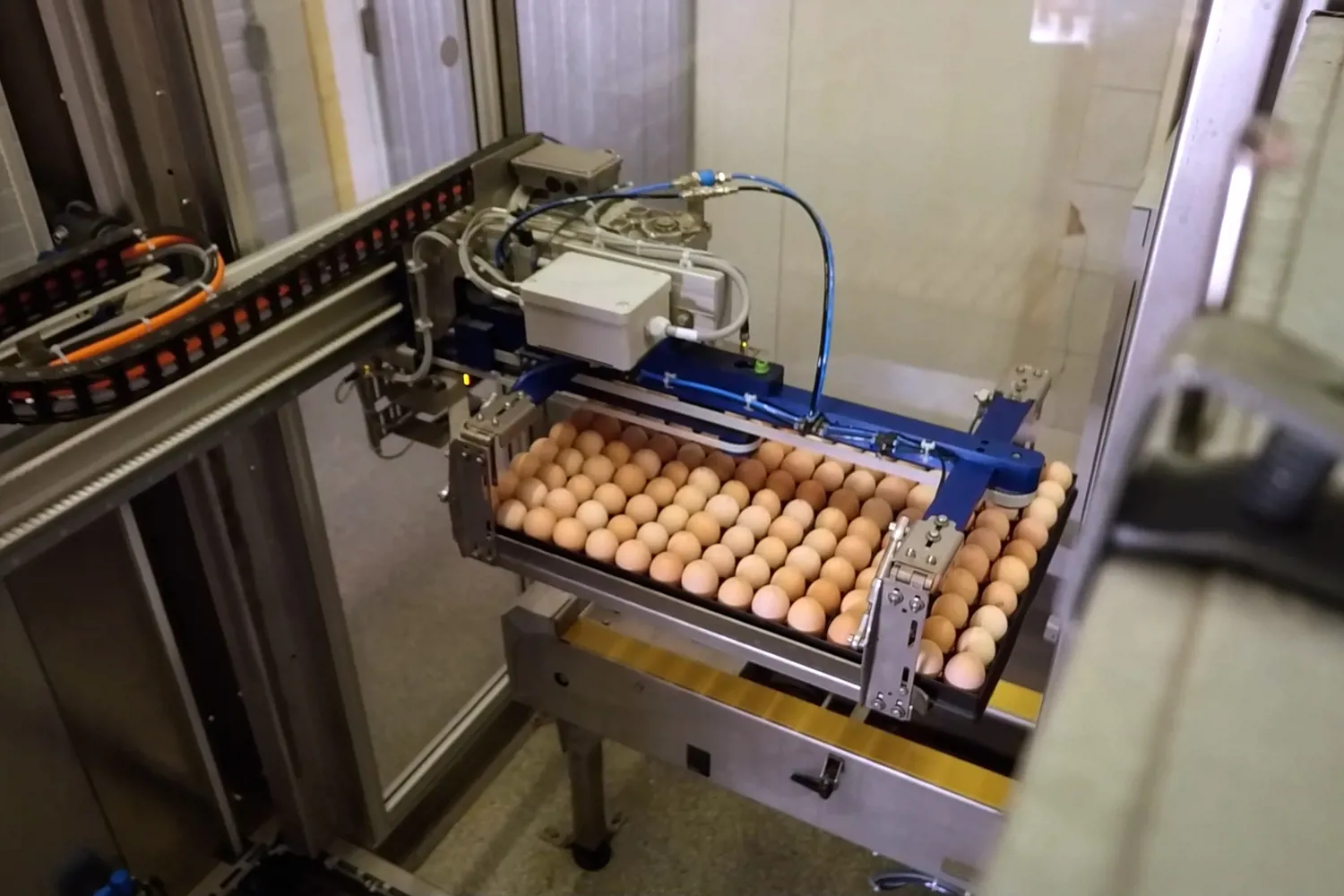 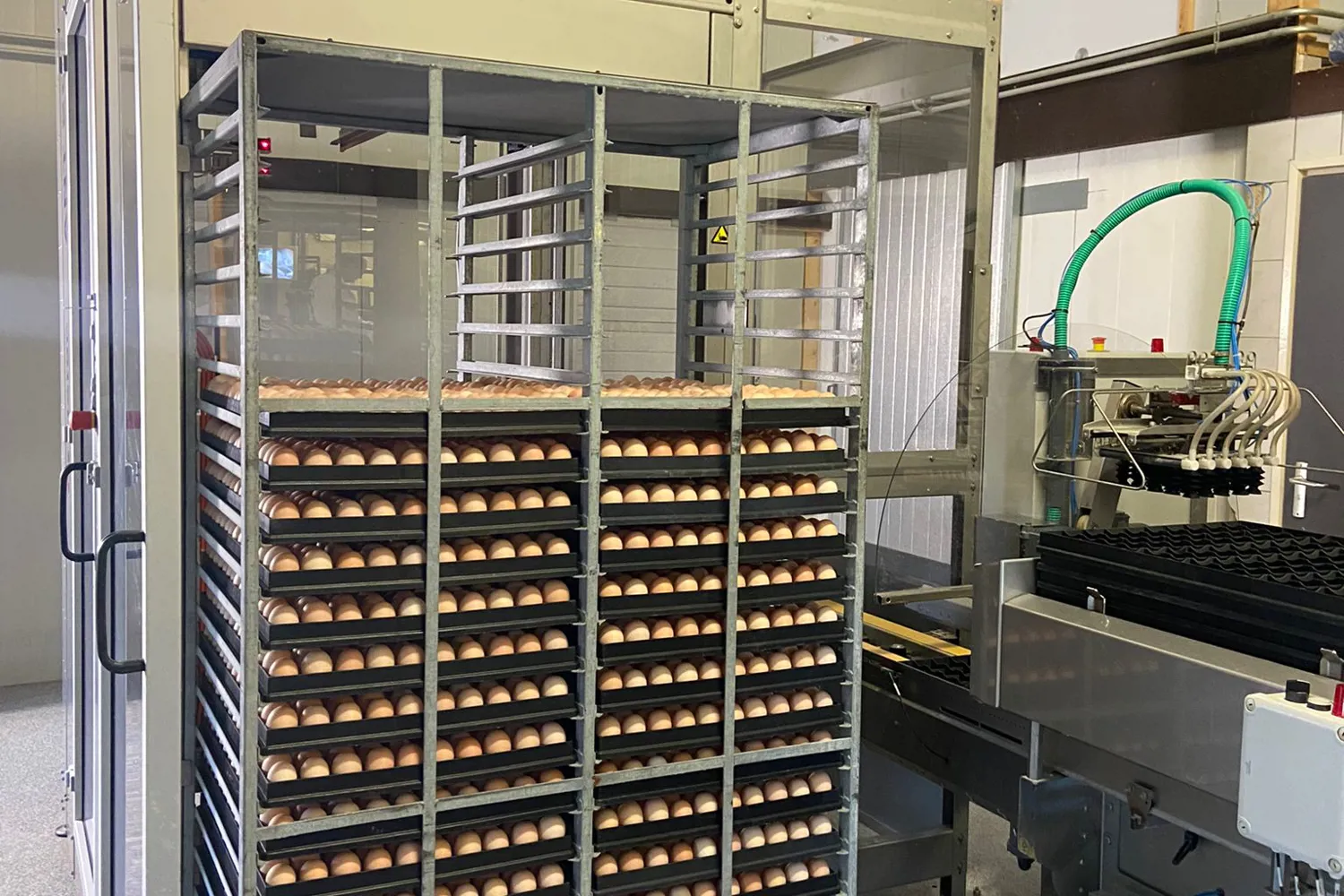 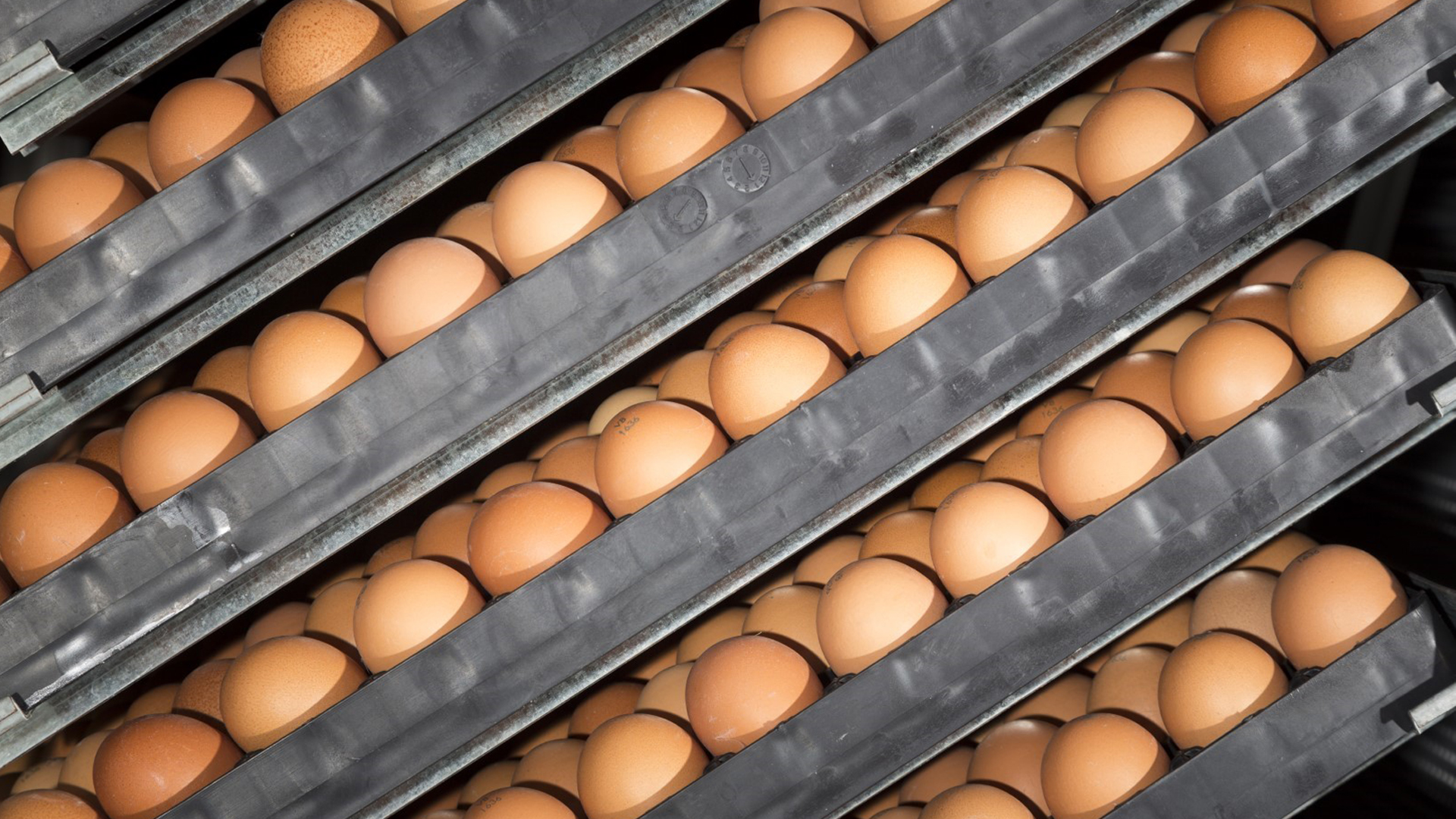 |
- Home
-
Products
- Pig Farming Equipment
- Cattle Farming Equipment
- Sheep & Goat Farming Equipment
- Poultry Farming Equipment
- Feeding & Drinking Systems
- Veterinary & Breeding Equipment
- Testing & Diagnostic Equipment
- Cleaning & Biosecurity Equipment
- Climate Control Equipment
- Livestock Weighing Equipment
- Manure & Waste Management
- Farm Transport & Handling
-
Solutions
- Pig Farm Solutions
- Dairy Farm Solutions
- Beef Cattle Farm Solutions
- Sheep & Goat Farm Solutions
- Layer Farm Solutions
- Broiler Farm Solutions
- Feeding & Drinking System Solutions
- Climate Control Solutions
- Biosecurity & Disinfection Solutions
- Manure & Waste Management
- Smart Farming Solutions
- Farm Renovation and Upgrade Solutions
- Partners
- Projects
- Resources
- News
- About Us
- Contact



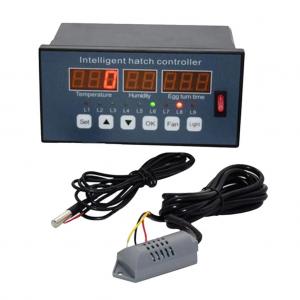

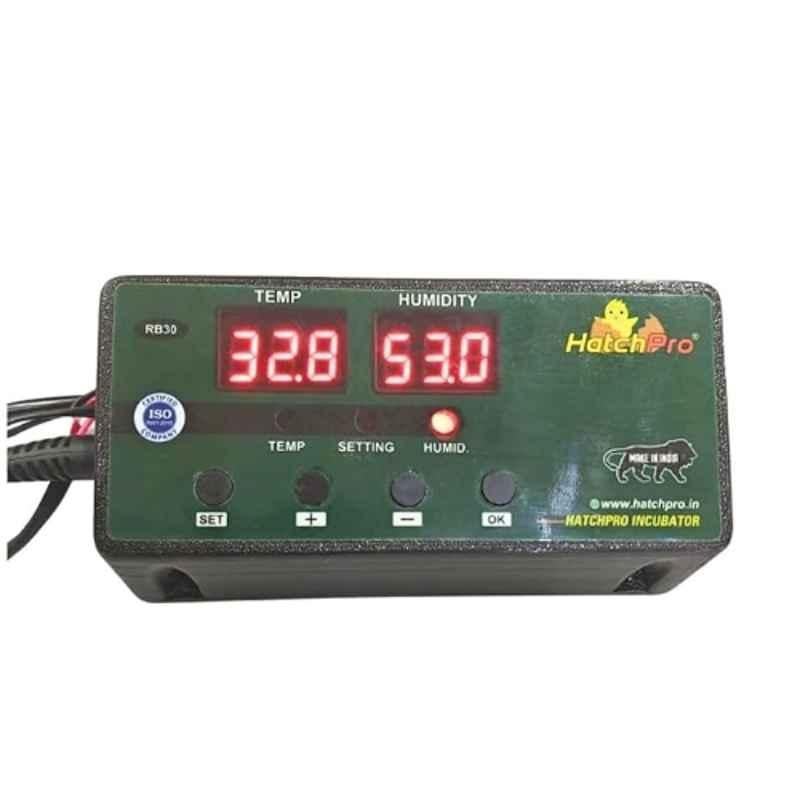

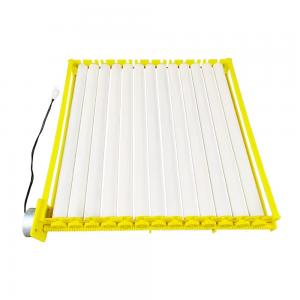
Comments & Inquiries
Leave your questions or requirements below. We will reply as soon as possible.