


| Product Name | Incubator Temperature & Humidity Data Logger | ||||||||||||||||||||||||||||||||
| Product Image | 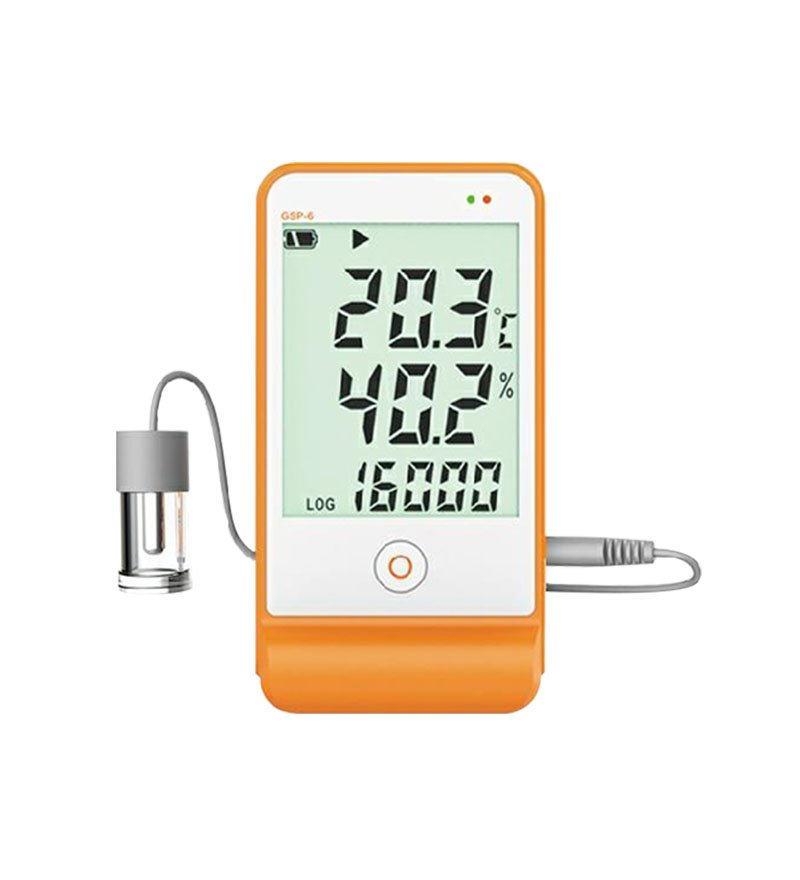 |
||||||||||||||||||||||||||||||||
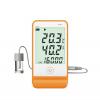
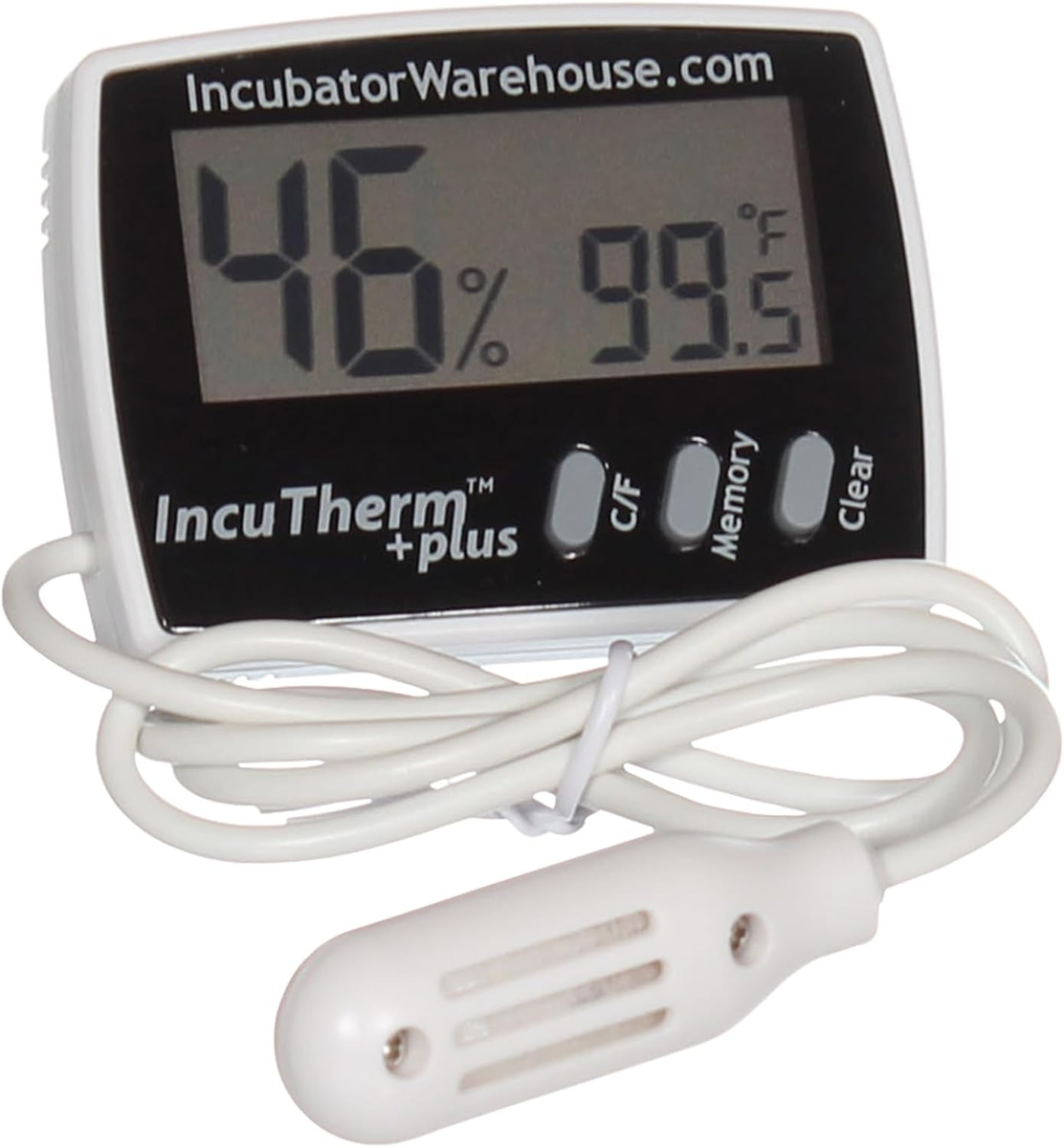
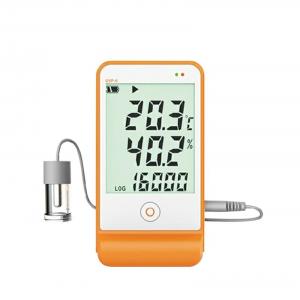
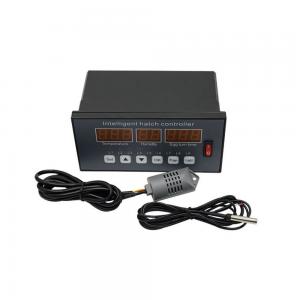
| Product Overview | The Incubator Temperature & Humidity Data Logger is a compact environmental monitoring instrument designed for continuous recording of temperature and relative humidity in poultry incubators, hatchery rooms, egg storage areas and other controlled agricultural environments. The unit combines real-time measurement, historical data recording, configurable logging intervals and alarm functions in one portable device. External sensor capability allows the measuring point to be positioned inside an incubator or controlled chamber while the display remains accessible to operators. Recorded information can be transferred through a USB interface for analysis, reporting and process documentation, helping hatchery managers identify environmental fluctuations that may not be visible from occasional manual readings. |
||||||||||||||||||||||||||||||||
| Key Features |
|
||||||||||||||||||||||||||||||||
| Structural Components |
|
||||||||||||||||||||||||||||||||
| Working Principle | The temperature and humidity sensors continuously measure environmental conditions at the selected monitoring point. The instrument displays the current readings while automatically storing measurements according to the programmed logging interval. If temperature or humidity moves outside configured alarm limits, the logger can provide an audible and visual warning so hatchery personnel can investigate the incubator, ventilation, humidification or cooling system. After a monitoring period, stored records can be transferred through the USB interface for review. Historical trend data helps operators evaluate environmental stability, identify short-duration deviations and document incubation or hatchery conditions. |
||||||||||||||||||||||||||||||||
| Technical Specifications |
|
||||||||||||||||||||||||||||||||
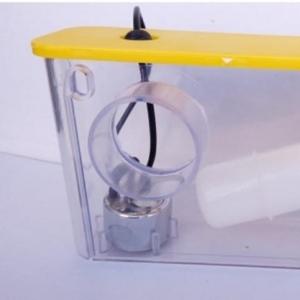
| Incubator Monitoring | Incubator environmental control depends on maintaining stable conditions over long operating periods. A data logger provides an independent historical record rather than only showing the environmental condition at one moment. The sensor can be positioned at a representative location within the incubator or hatchery room while avoiding direct contact with heaters, humidification outlets, cooling surfaces or strong local airflow that could produce unrepresentative readings. For validation work, several loggers can be positioned at different locations to compare environmental uniformity across the incubation chamber, setter trolley area or hatching room. |
||||||||||||||||||||||||||||||||
| Applications |
|
||||||||||||||||||||||||||||||||
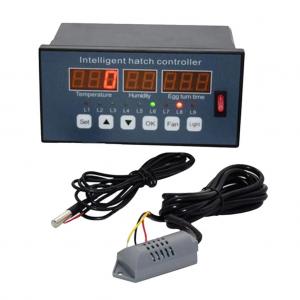
| Customization Options | Configuration can be selected according to the required monitoring location, data-recording period and hatchery management system. Available options may include external temperature probes, combined temperature and humidity probes, probe cable length, alarm settings, recording interval, data reporting requirements and packaging. For project orders, sensor configuration and monitoring quantities can be supplied according to project requirements and designed according to local climate and hatchery operating conditions. |
||||||||||||||||||||||||||||||||
| Installation & Maintenance | Place the sensing probe at a representative monitoring position and keep the main logger where the display and alarm indicators can be accessed conveniently. Avoid placing sensors directly against chamber walls, heaters, cooling pipes or humidification outlets unless the purpose is to measure those specific locations. Before an important incubation cycle or validation test, confirm battery condition, clock settings, alarm limits and logging interval. Where required by the hatchery quality system, sensor accuracy should be checked against a suitable reference instrument. Keep the logger housing clean and dry. Sensor openings and probe assemblies should be protected from dust, condensation and mechanical damage. Recorded files should be downloaded and archived regularly when traceability is required. |
||||||||||||||||||||||||||||||||
| Project Cases | In a commercial hatchery, multiple temperature and humidity data loggers can be positioned at selected locations during equipment commissioning to evaluate environmental uniformity and identify areas affected by airflow, chamber loading or sensor placement. The same instruments can subsequently be used for routine environmental verification in setter rooms, hatchers, fertile egg storage areas and chick handling rooms. Historical records provide useful supporting information when investigating unusual hatch results or environmental alarms. |
||||||||||||||||||||||||||||||||
| Product FAQ | Q: What is an incubator temperature and humidity data logger used for? A: It continuously records temperature and relative humidity so hatchery personnel can review environmental conditions over time instead of relying only on instantaneous readings. Q: Can it be used as an independent check of the incubator controller? A: Yes. A separate logger can provide an independent environmental record for routine verification, commissioning and troubleshooting. Q: How much data can the logger store? A: The referenced configuration stores up to 16,000 groups of temperature and humidity records. Q: Can the recording interval be changed? A: Yes. The referenced configuration supports intervals from 10 seconds to 24 hours. Q: Does it provide an alarm? A: Yes. Audible and visual warnings can indicate when measured temperature or humidity exceeds configured limits. Q: Can recorded data be exported? A: Yes. Data can be transferred through the USB interface for analysis and report generation. Q: Where should the probe be positioned inside an incubator? A: It should normally be installed at a representative measurement point away from direct heater output, humidification spray, cooling surfaces and abnormal local airflow unless those areas are specifically being evaluated. Q: Can probe configuration be customized? A: External probe options and project-specific monitoring configurations are available upon request. |
||||||||||||||||||||||||||||||||
| Product Gallery |  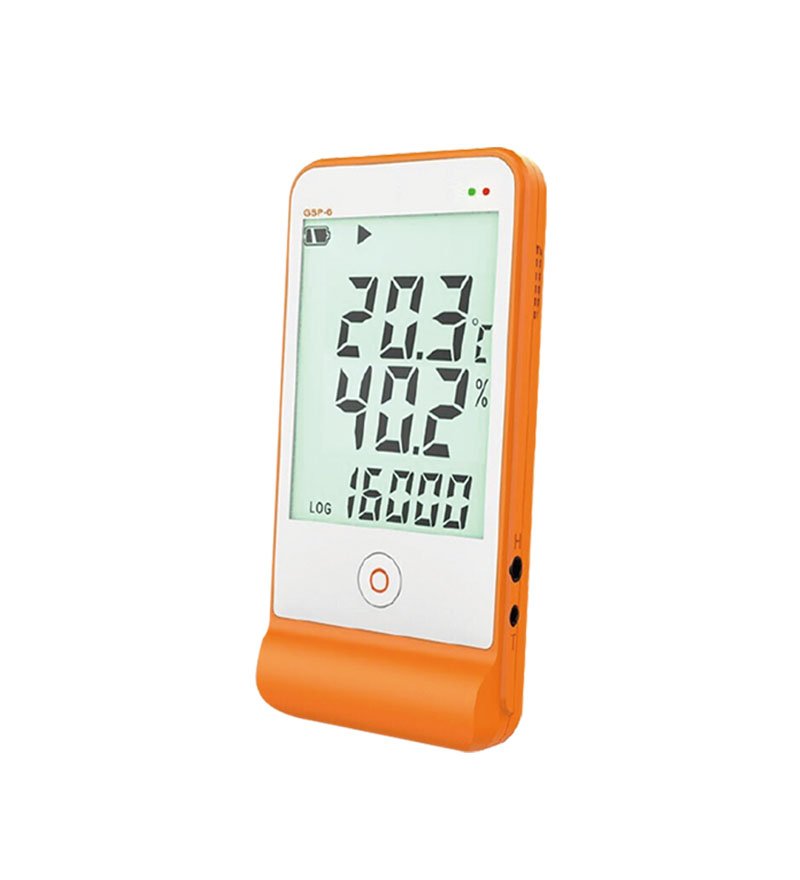 |
- Home
-
Products
- Pig Farming Equipment
- Cattle Farming Equipment
- Sheep & Goat Farming Equipment
- Poultry Farming Equipment
- Feeding & Drinking Systems
- Veterinary & Breeding Equipment
- Testing & Diagnostic Equipment
- Cleaning & Biosecurity Equipment
- Climate Control Equipment
- Livestock Weighing Equipment
- Manure & Waste Management
- Farm Transport & Handling
-
Solutions
- Pig Farm Solutions
- Dairy Farm Solutions
- Beef Cattle Farm Solutions
- Sheep & Goat Farm Solutions
- Layer Farm Solutions
- Broiler Farm Solutions
- Feeding & Drinking System Solutions
- Climate Control Solutions
- Biosecurity & Disinfection Solutions
- Manure & Waste Management
- Smart Farming Solutions
- Farm Renovation and Upgrade Solutions
- Partners
- Projects
- Resources
- News
- About Us
- Contact
Comments & Inquiries
Leave your questions or requirements below. We will reply as soon as possible.