
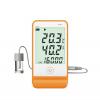
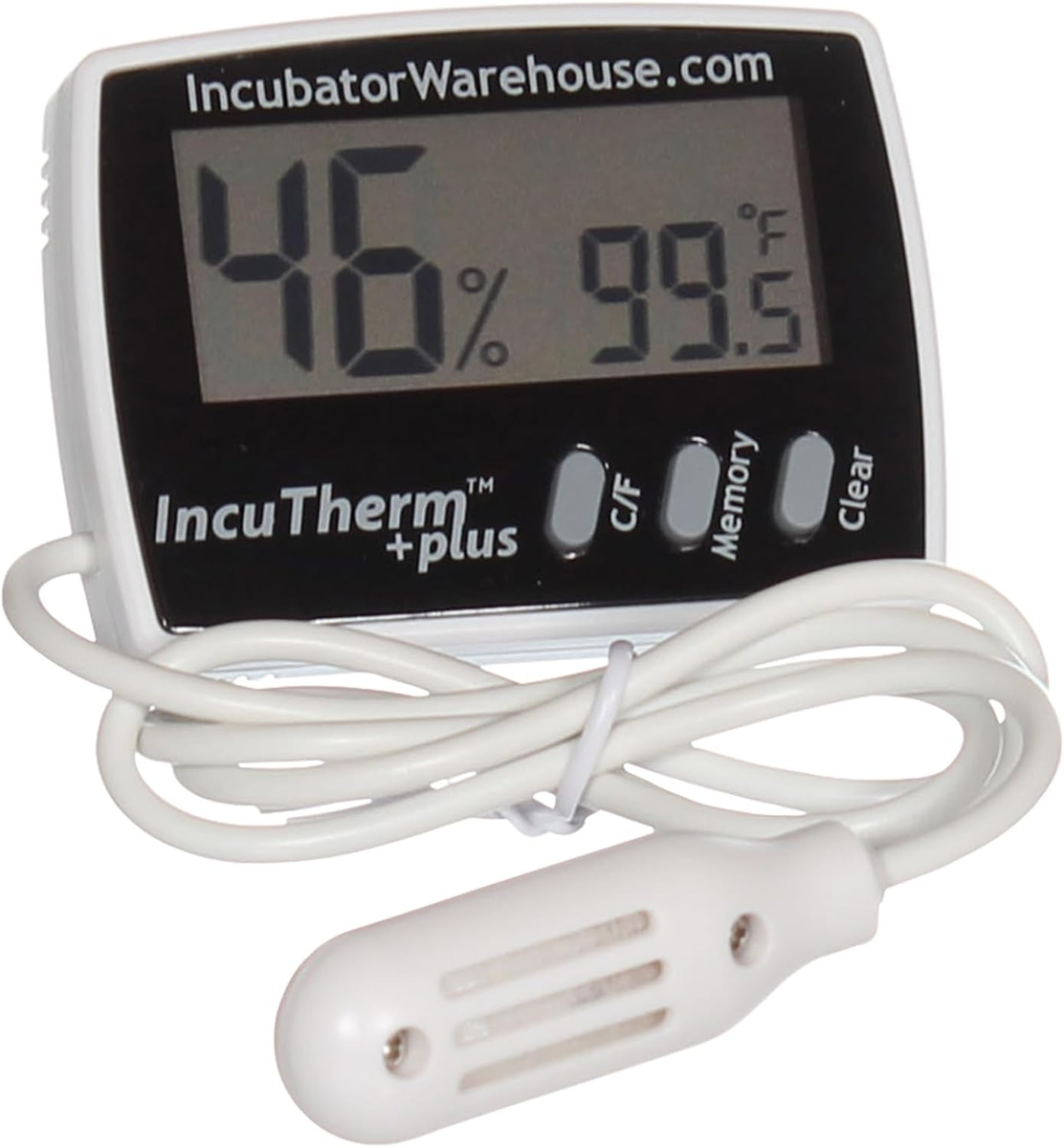

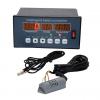

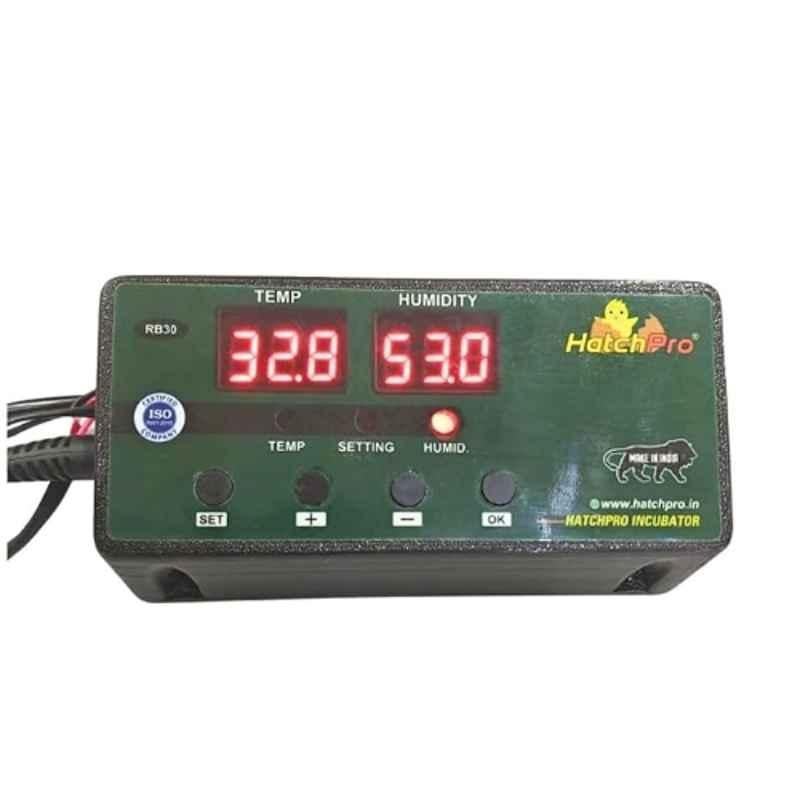
| Product Name | Incubator Temperature & Humidity Controller | ||||||||||||||||||||||||||||||||
| Product Image |  |
||||||||||||||||||||||||||||||||
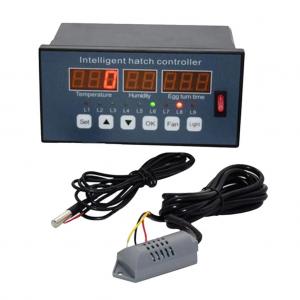
| Product Overview | The Incubator Temperature & Humidity Controller is a microcontroller-based environmental control unit designed for poultry incubators, hatchers and other hatchery climate-control applications. The controller continuously receives signals from temperature and relative humidity sensors, displays the measured values and activates connected heating, humidification, cooling, ventilation or alarm equipment according to programmed set points. It is suitable for commercial poultry incubators, hatchery cabinets, setter rooms, hatching equipment and customized incubation systems requiring dependable environmental monitoring and automatic control. |
||||||||||||||||||||||||||||||||
| Key Features |
|
||||||||||||||||||||||||||||||||
| Structural Components |
|
||||||||||||||||||||||||||||||||
| Working Principle | The temperature and humidity probes continuously measure conditions inside the incubation chamber and send their signals to the controller. The microcontroller compares each measured value with its programmed set point. When temperature falls below the required control range, the controller can activate the heating circuit. When the programmed upper limit is reached, heating is switched off or regulated according to the selected control mode. The humidity channel works in a similar manner by controlling a humidifier, water valve, pump or other moisture-generating equipment. Additional outputs may operate fans, cooling devices or alarm circuits depending on the selected configuration. This closed-loop control process helps maintain stable incubation conditions while reducing the need for continuous manual adjustment. |
||||||||||||||||||||||||||||||||
| Technical Specifications |
|
||||||||||||||||||||||||||||||||
| Control Functions | Depending on the selected controller and hatchery electrical design, output channels can be assigned to several environmental-control functions. Typical applications include heater control, humidifier or water-valve control, circulation fan control, cooling equipment, ventilation devices and audible or visual alarms. For larger commercial incubators, the controller can also provide low-level signals to external relay modules or solid-state relays so that higher-power heaters, motors and auxiliary equipment are isolated from the electronic control circuit. |
||||||||||||||||||||||||||||||||
| Applications |
|
||||||||||||||||||||||||||||||||
| Customization Options | The Incubator Temperature & Humidity Controller can be configured according to incubator size, hatchery capacity, sensor type, heating system, humidification method and required automation level. Customization options may include temperature and humidity sensor type, number of output channels, relay or SSR control, alarm settings, panel dimensions, display format, communication interface and power supply. Additional control functions for ventilation fans, cooling systems, water pumps, solenoid valves or other hatchery equipment are available upon request. The complete control solution can be designed according to local electrical standards, hatchery operating conditions and project requirements. |
||||||||||||||||||||||||||||||||
| Installation & Maintenance | The controller should be mounted in a dry electrical panel or protected area away from direct water spray, excessive condensation and strong sources of electromagnetic interference. The temperature and humidity sensors should be positioned where they can measure representative chamber conditions without direct contact with heaters, humidification spray or uncontrolled fresh-air inlets. Sensor wiring and power wiring should be routed according to electrical installation requirements. High-current heaters, motors and humidification equipment should use appropriately rated relays, contactors or solid-state switching devices. Routine maintenance includes checking sensor calibration, electrical terminals, relay operation, display accuracy and alarm functions. Sensor probes should be kept clean and inspected regularly for moisture damage or contamination. |
||||||||||||||||||||||||||||||||
| Project Cases | In a commercial incubator control panel, the temperature and humidity controller can operate as the central environmental regulation device. Temperature and humidity probes installed inside the incubation chamber continuously provide measurement signals to the controller. Output channels can then be connected to heater contactors, humidifier valves, cooling equipment and alarm circuits. For multi-machine hatchery projects, communication interfaces can be incorporated into centralized monitoring or supervisory control systems. The controller is also suitable for retrofit projects where an older mechanical thermostat or separate temperature and humidity devices are replaced with an integrated digital control solution. |
||||||||||||||||||||||||||||||||
| Product FAQ | Q: Can one controller manage both temperature and humidity? A: Yes. Compatible models use separate sensor inputs and control outputs to monitor and regulate both parameters. Q: Can the controller operate an incubator heater? A: Yes. Heater control can be provided through a relay, SSR output or external contactor according to heater power and system configuration. Q: Can it control an incubator humidifier? A: Yes. A humidity output can operate compatible humidifiers, water valves, pumps or external switching devices. Q: Does the controller provide temperature and humidity alarms? A: High and low alarm outputs are available in compatible configurations and can be connected to audible, visual or centralized alarm systems. Q: Can it be connected to a computer or PLC? A: RS485, Modbus or another communication interface can be supplied according to model and project requirements. Q: Can the controller be used for turkey or duck incubators? A: Yes. The controller can be programmed for different poultry incubation systems provided that the sensor range, output configuration and environmental equipment are suitable for the application. Q: What information is required for quotation? A: Recommended information includes incubator capacity, required temperature and humidity ranges, sensor type, heater power, humidifier type, number of outputs, electrical supply and required communication functions. |
||||||||||||||||||||||||||||||||
| Product Gallery |  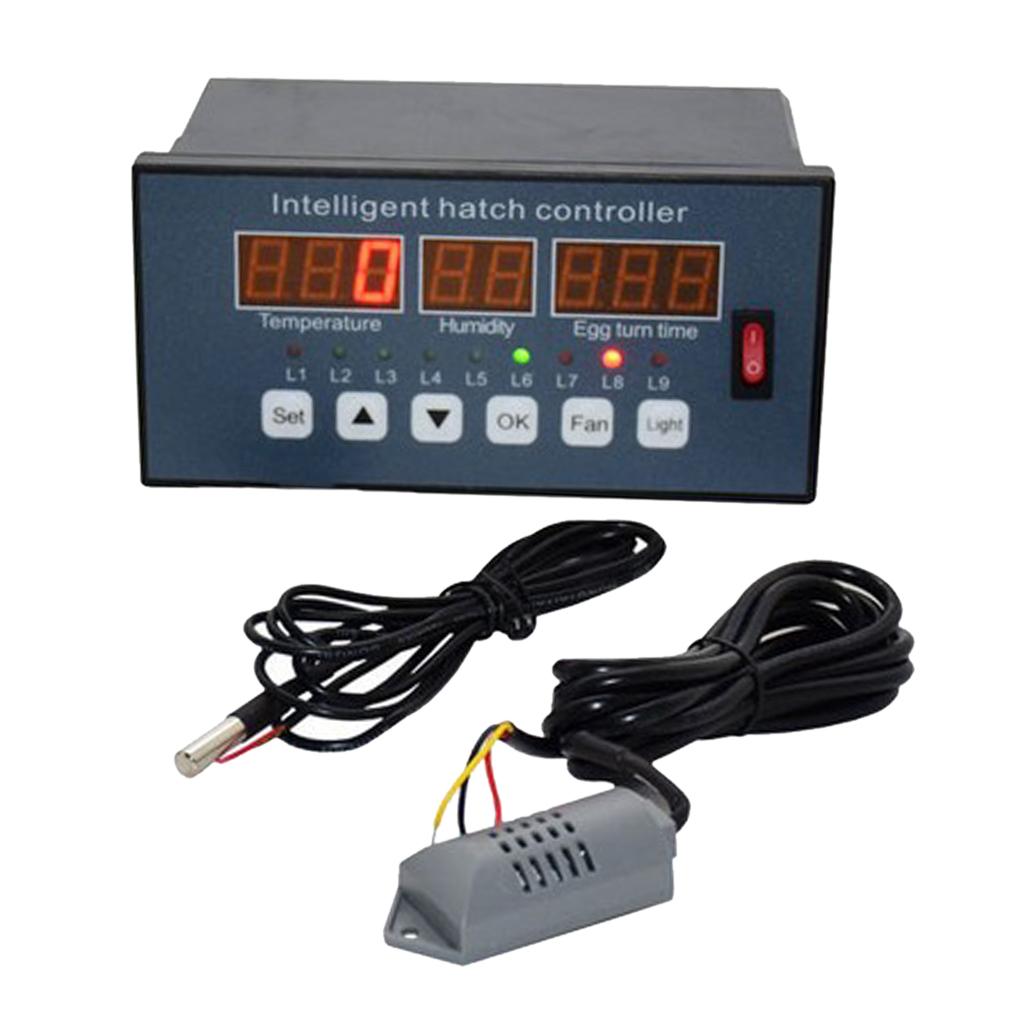 |
- Home
-
Products
- Pig Farming Equipment
- Cattle Farming Equipment
- Sheep & Goat Farming Equipment
- Poultry Farming Equipment
- Feeding & Drinking Systems
- Veterinary & Breeding Equipment
- Testing & Diagnostic Equipment
- Cleaning & Biosecurity Equipment
- Climate Control Equipment
- Livestock Weighing Equipment
- Manure & Waste Management
- Farm Transport & Handling
-
Solutions
- Pig Farm Solutions
- Dairy Farm Solutions
- Beef Cattle Farm Solutions
- Sheep & Goat Farm Solutions
- Layer Farm Solutions
- Broiler Farm Solutions
- Feeding & Drinking System Solutions
- Climate Control Solutions
- Biosecurity & Disinfection Solutions
- Manure & Waste Management
- Smart Farming Solutions
- Farm Renovation and Upgrade Solutions
- Partners
- Projects
- Resources
- News
- About Us
- Contact

Comments & Inquiries
Leave your questions or requirements below. We will reply as soon as possible.