
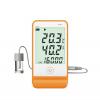


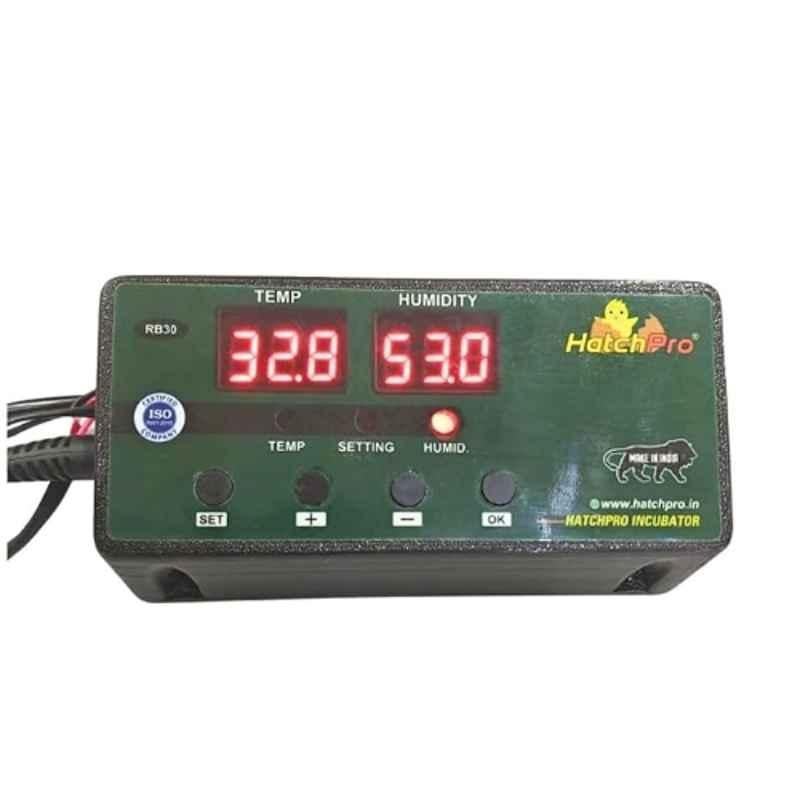
| Product Name | Digital Incubator Thermo-Hygrometer | ||||||||||||||||||||||||||
| Product Image | 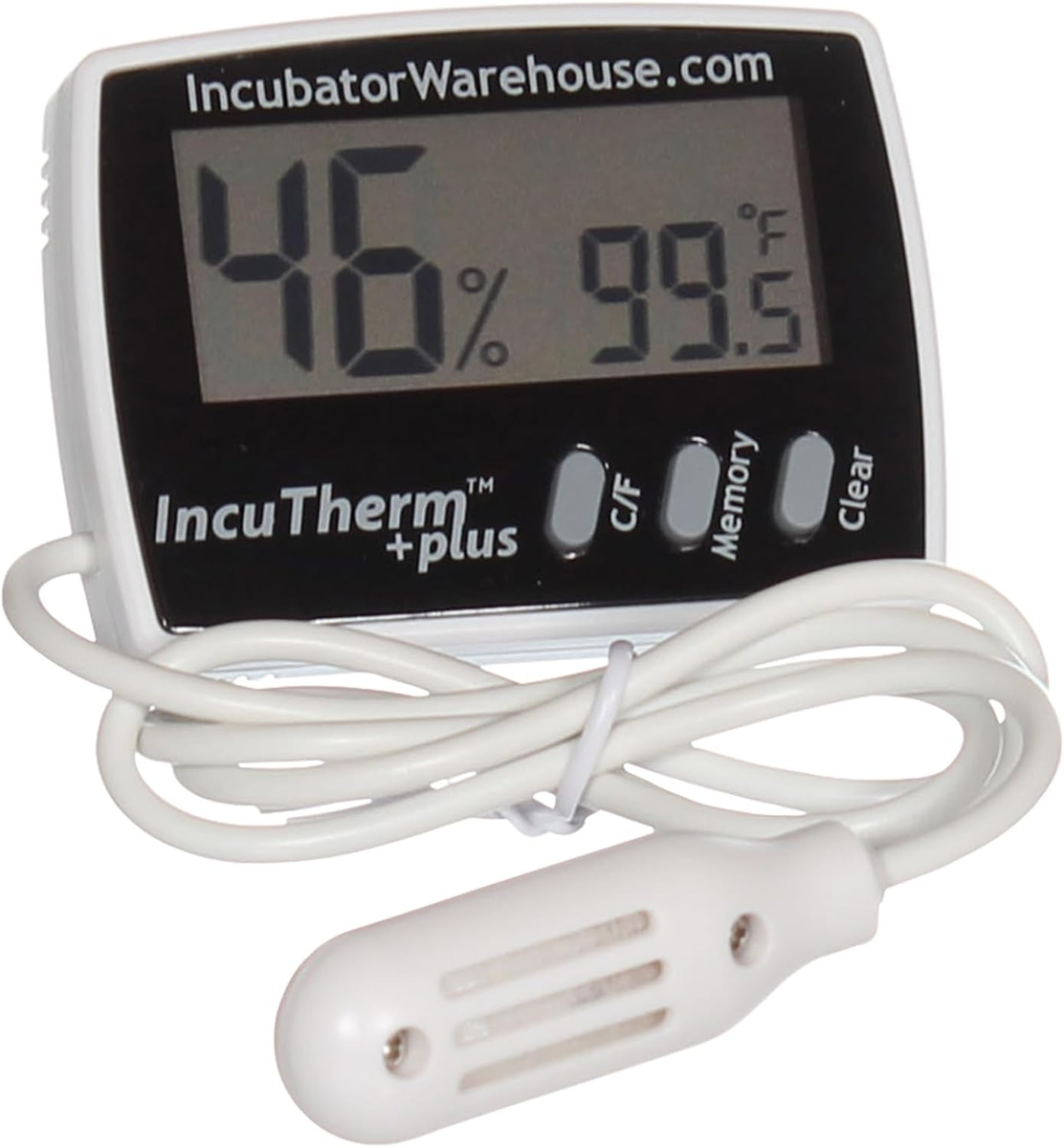 |
||||||||||||||||||||||||||
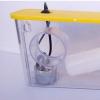
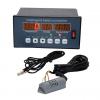
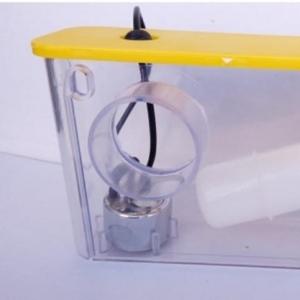
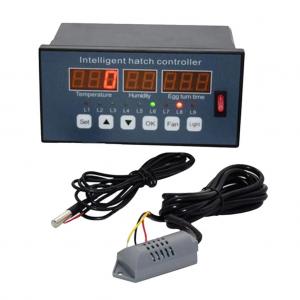
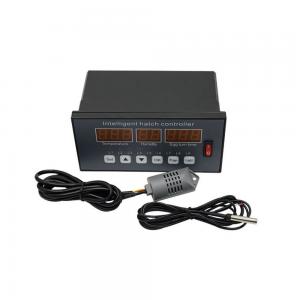
| Product Overview | The Digital Incubator Thermo-Hygrometer is designed for continuous monitoring of temperature and relative humidity inside poultry incubators, hatchers, brooder environments and hatchery rooms. Stable temperature and humidity are critical environmental parameters during poultry incubation. A dedicated digital thermo-hygrometer provides operators with an independent visual reference that can be used to monitor environmental conditions, identify abnormal fluctuations and compare readings with the main incubator controller. Depending on configuration, the display unit can be positioned outside the incubation chamber while an external sensor probe is placed inside through a ventilation opening. This arrangement allows convenient monitoring without repeatedly opening the incubator door and disturbing the internal environment. |
||||||||||||||||||||||||||
| Key Features |
|
||||||||||||||||||||||||||
| Structural Components |
|
||||||||||||||||||||||||||
| Working Principle | The temperature and humidity sensing elements continuously measure environmental conditions at the selected monitoring point. The electronic circuit converts the sensor signals into digital values and presents them on the LCD screen. When an external sensor is used, the probe is positioned close to the egg level or another representative location inside the incubator. The display can remain outside the chamber, helping operators check conditions without unnecessary door opening. The instrument is primarily a monitoring device. It can be used together with the main incubator controller to verify environmental stability, identify unusual fluctuations and support routine hatchery quality-control procedures. |
||||||||||||||||||||||||||
| Technical Specifications |
|
||||||||||||||||||||||||||
| Applications |
|
||||||||||||||||||||||||||
| Customization Options | The Digital Incubator Thermo-Hygrometer can be supplied in different configurations according to project requirements. Available options may include external probe type, cable length, display size, temperature unit, minimum and maximum memory, high/low alarm functions, mounting method and power supply. For larger hatchery projects, monitoring instruments can be selected according to incubator type, hatchery room layout and local operating conditions. |
||||||||||||||||||||||||||
| Installation & Maintenance | For incubator monitoring, position the temperature and humidity sensor at a representative location close to egg level without allowing the probe to contact heaters, cooling surfaces, water reservoirs or direct airflow outlets. If an external probe is used, route the cable through an available ventilation or sensor opening so the incubator door can remain fully closed. Avoid pinching or sharply bending the probe cable. Readings should be checked periodically against a trusted reference instrument. Sensors should be kept clean and protected from condensation, disinfectant spray and excessive contamination. Replace batteries when the display becomes weak or unstable. |
||||||||||||||||||||||||||
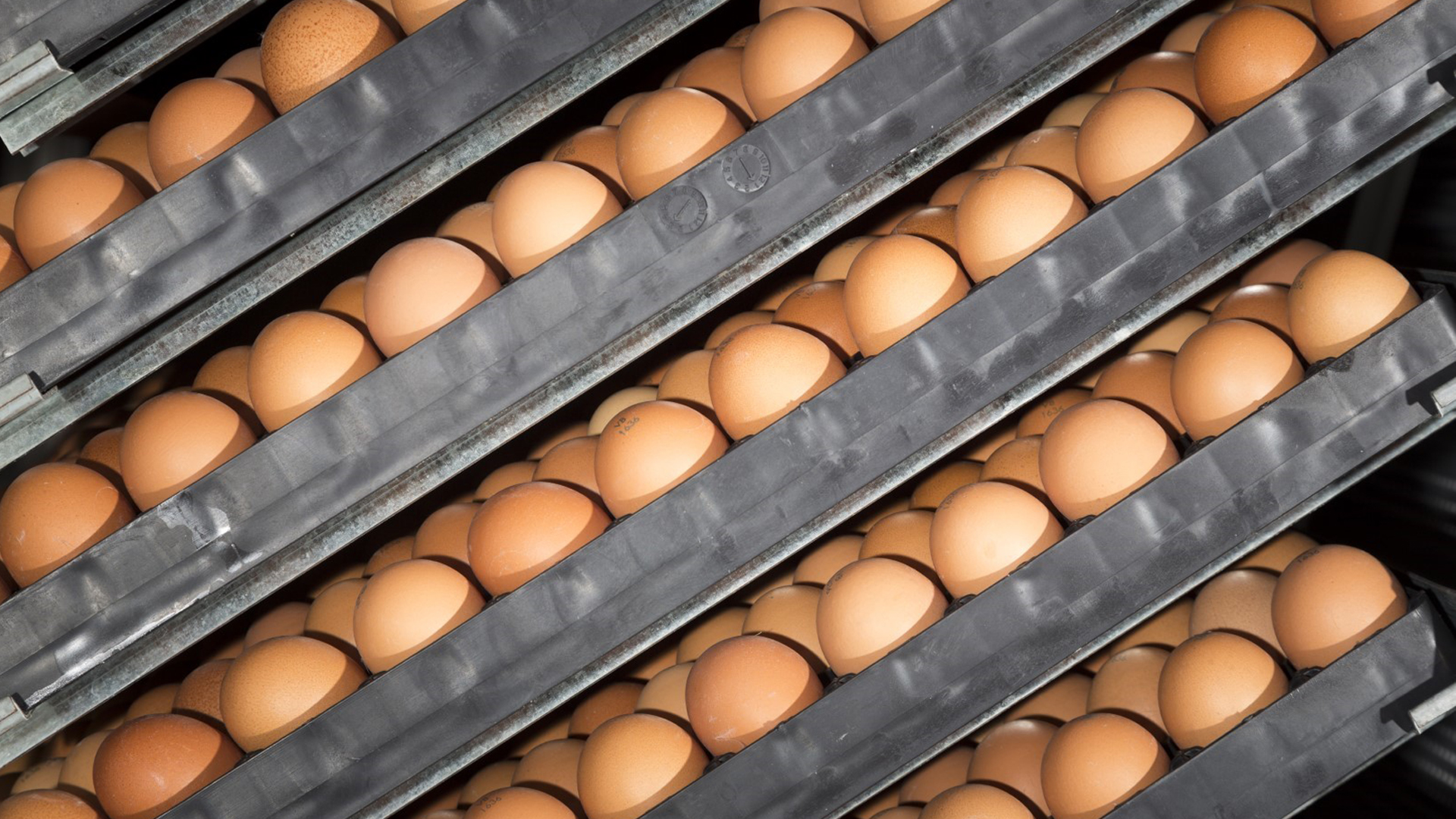
| Project Cases | In commercial hatchery projects, digital thermo-hygrometers can be installed as independent monitoring instruments inside setters, hatchers, egg storage rooms and chick handling areas. Using an independent temperature and humidity monitor provides hatchery personnel with an additional reference during equipment commissioning, routine inspection and troubleshooting. Multiple units can also be deployed at different locations to evaluate environmental uniformity across a room or incubation system. |
||||||||||||||||||||||||||
| Product FAQ | Q: What does an incubator thermo-hygrometer measure? A: It measures temperature and relative humidity, the two primary environmental parameters commonly monitored during poultry incubation. Q: Can the display remain outside the incubator? A: Yes. Models with external sensor probes allow the sensing element to remain inside while the display is positioned outside the chamber. Q: Can it replace the main incubator controller? A: No. A standard thermo-hygrometer is primarily a monitoring instrument. It is commonly used as an independent reference alongside the incubator control system. Q: Where should the sensor be positioned? A: The sensor should be placed in a representative area near egg level and away from direct heater output, cooling surfaces and localized moisture sources. Q: Are alarm functions available? A: High- and low-limit alarm configurations are available upon request. Q: Can the probe cable length be customized? A: Cable length and sensor configuration can be selected according to incubator size and project requirements. Q: Should the meter be calibrated? A: Periodic comparison with a trusted reference instrument is recommended, especially in professional hatchery quality-control applications. |
||||||||||||||||||||||||||
| Product Gallery |  |
- Home
-
Products
- Pig Farming Equipment
- Cattle Farming Equipment
- Sheep & Goat Farming Equipment
- Poultry Farming Equipment
- Feeding & Drinking Systems
- Veterinary & Breeding Equipment
- Testing & Diagnostic Equipment
- Cleaning & Biosecurity Equipment
- Climate Control Equipment
- Livestock Weighing Equipment
- Manure & Waste Management
- Farm Transport & Handling
-
Solutions
- Pig Farm Solutions
- Dairy Farm Solutions
- Beef Cattle Farm Solutions
- Sheep & Goat Farm Solutions
- Layer Farm Solutions
- Broiler Farm Solutions
- Feeding & Drinking System Solutions
- Climate Control Solutions
- Biosecurity & Disinfection Solutions
- Manure & Waste Management
- Smart Farming Solutions
- Farm Renovation and Upgrade Solutions
- Partners
- Projects
- Resources
- News
- About Us
- Contact
Comments & Inquiries
Leave your questions or requirements below. We will reply as soon as possible.