

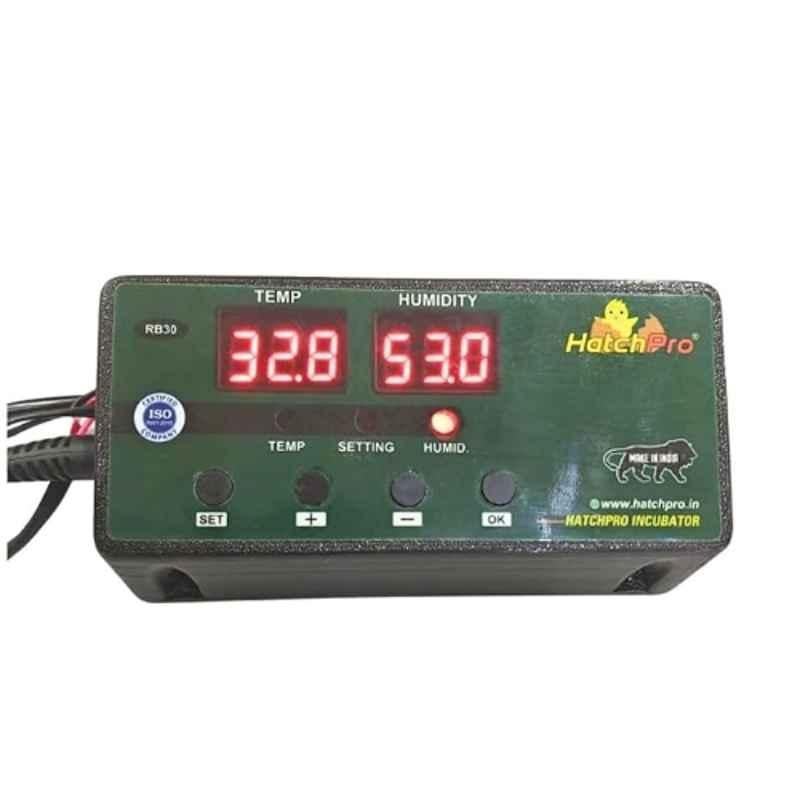
| Product Name | Incubator Temperature & Humidity Sensor Probe | ||||||||||||||||||||||||||
| Product Image |  |
||||||||||||||||||||||||||
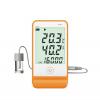
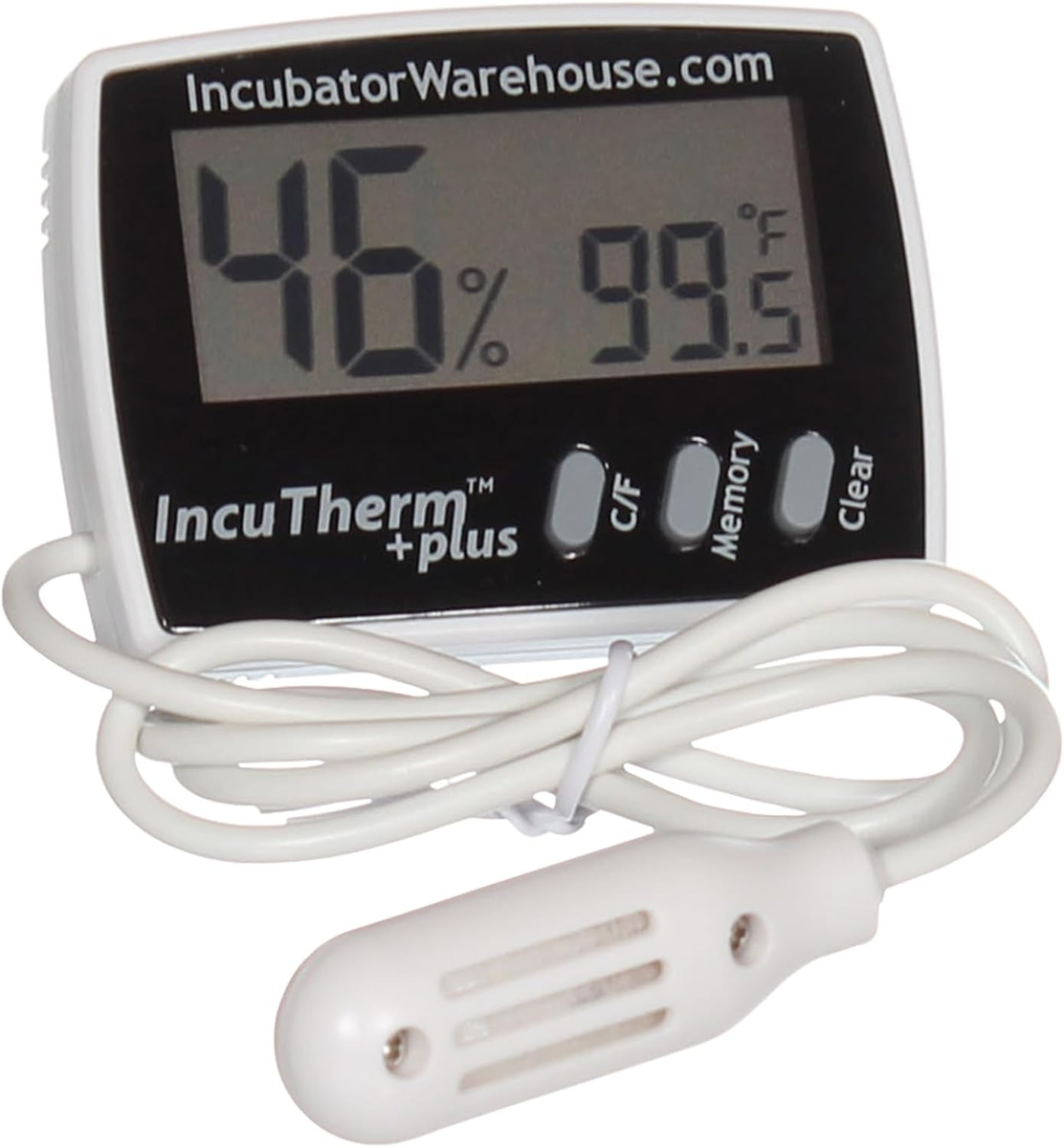
| Product Overview | The Incubator Temperature & Humidity Sensor Probe is designed for continuous environmental measurement inside poultry incubators, setters, hatchers and hatchery climate-control systems. It provides temperature and relative humidity feedback to the incubator controller, enabling automatic regulation of heating, cooling, humidification and ventilation equipment. Accurate environmental sensing is essential in commercial incubation because embryo development responds directly to changes in temperature, humidity and airflow. A properly positioned sensor provides representative chamber data and helps the control system maintain stable incubation conditions throughout the production cycle. The probe can be configured with a ventilated polymer housing or protective sintered stainless steel filter, depending on the required durability, airflow response, cleaning conditions and control interface. |
||||||||||||||||||||||||||
| Key Features |
|
||||||||||||||||||||||||||
| Structural Components |
|
||||||||||||||||||||||||||
| Working Principle | Air from the incubation chamber passes through the ventilated or porous protective housing and reaches the sensing elements. The temperature and humidity elements continuously measure surrounding environmental conditions and transmit corresponding electrical signals to the connected controller. The incubator control system compares these measurements with programmed setpoints. When temperature or humidity moves outside the required control range, the controller can activate connected heating, cooling, humidification, dehumidification or ventilation equipment. For reliable control, the sensor should be positioned where it represents the actual egg-level environment and should not be installed directly against heating elements, humidification outlets, cooling coils or strong localized airflow. |
||||||||||||||||||||||||||
| Technical Specifications |
|
||||||||||||||||||||||||||
| Sensor Housing Options | Ventilated Polymer Housing: A practical option for standard poultry incubators where rapid air contact, lightweight construction and convenient replacement are required. Sintered Stainless Steel Housing: A porous metal filter can provide additional mechanical protection and resistance to dust, water droplets and demanding environmental conditions while permitting air and moisture exchange with the sensing element. Housing material, pore structure and dimensions can be selected according to response-time requirements, cleaning procedures and the operating environment. |
||||||||||||||||||||||||||
| Applications |
|
||||||||||||||||||||||||||
| Customization Options | The Incubator Temperature & Humidity Sensor Probe can be configured according to the incubator controller, chamber dimensions, required measuring range and control architecture. Available customization may include sensing element, probe housing material, cable length, connector, communication interface, output signal, mounting arrangement and calibration requirements. For commercial hatchery projects, probe specifications can be matched with new control panels or existing incubator systems according to project requirements. |
||||||||||||||||||||||||||
| Installation & Maintenance | Install the probe at a representative monitoring position inside the incubation chamber, preferably near the egg environment specified by the incubator control design. Avoid direct contact with eggs, water, heating elements or metal surfaces that may distort the measured air conditions. Do not position the sensor immediately in front of humidification nozzles, cooling outlets or concentrated fan discharge unless required by the equipment design. Route the cable away from moving egg-turning mechanisms and sharp edges. Inspect the protective housing regularly for dust, fluff, mineral deposits and disinfectant residue. Clean using a method compatible with the sensor material and avoid damaging the sensing element. Calibration should be checked periodically against a suitable reference instrument according to the hatchery quality-control program. |
||||||||||||||||||||||||||
| Project Cases | In commercial hatchery systems, temperature and humidity probes can be installed at selected chamber locations and connected to the incubator controller for continuous environmental feedback. Larger setters and hatchers may use multiple sensing points to improve monitoring across different areas of the machine. For incubator retrofit projects, existing probes can be replaced with compatible sensor assemblies after confirming the controller input type, operating voltage, communication interface, connector wiring and physical installation dimensions. |
||||||||||||||||||||||||||
| Product FAQ | Q: What does an incubator temperature and humidity probe measure? A: It measures air temperature and relative humidity inside the incubation chamber and sends these values to the incubator controller or monitoring system. Q: Can one probe measure both temperature and humidity? A: Yes. Combined sensor configurations can measure both parameters from one probe assembly. Separate temperature and humidity probes are also available according to controller design. Q: Can it be connected to an existing incubator controller? A: Yes, provided that the sensor signal, supply voltage, connector and communication interface are compatible with the existing controller. Q: Why is sensor position important? A: Incorrect positioning near heaters, humidifiers or concentrated airflow can produce readings that do not accurately represent conditions around the eggs. Q: Is a stainless steel sensor housing available? A: Yes. Sintered stainless steel protective housings are available for applications requiring increased mechanical and environmental protection. Q: Can the cable length be customized? A: Yes. Cable length and connector configuration can be supplied according to project requirements. Q: Does the sensor require calibration? A: Periodic verification and calibration are recommended for commercial hatchery quality control, particularly when accurate environmental management is critical. Q: What information is required for quotation? A: Recommended information includes incubator model, controller type, temperature and humidity range, required accuracy, output signal, supply voltage, connector type, cable length and required probe housing. |
||||||||||||||||||||||||||
| Product Gallery |  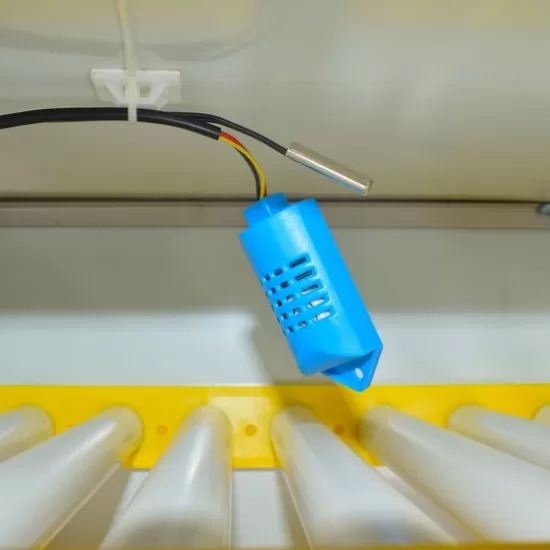 |
- Home
-
Products
- Pig Farming Equipment
- Cattle Farming Equipment
- Sheep & Goat Farming Equipment
- Poultry Farming Equipment
- Feeding & Drinking Systems
- Veterinary & Breeding Equipment
- Testing & Diagnostic Equipment
- Cleaning & Biosecurity Equipment
- Climate Control Equipment
- Livestock Weighing Equipment
- Manure & Waste Management
- Farm Transport & Handling
-
Solutions
- Pig Farm Solutions
- Dairy Farm Solutions
- Beef Cattle Farm Solutions
- Sheep & Goat Farm Solutions
- Layer Farm Solutions
- Broiler Farm Solutions
- Feeding & Drinking System Solutions
- Climate Control Solutions
- Biosecurity & Disinfection Solutions
- Manure & Waste Management
- Smart Farming Solutions
- Farm Renovation and Upgrade Solutions
- Partners
- Projects
- Resources
- News
- About Us
- Contact

Comments & Inquiries
Leave your questions or requirements below. We will reply as soon as possible.