

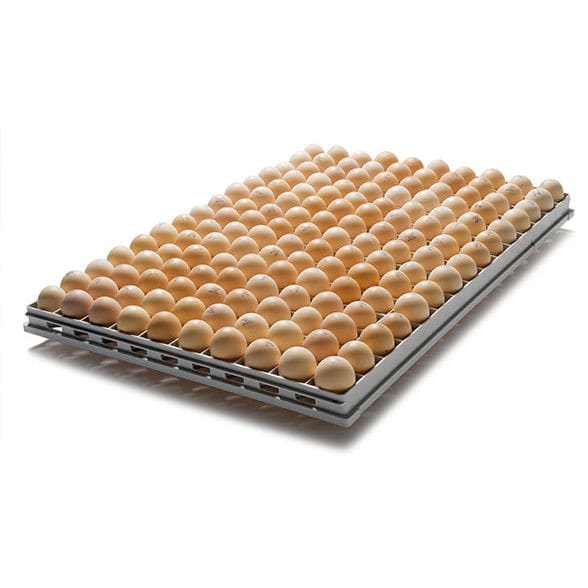
| Product Name | Quail Egg Incubator Tray | ||||||||||||||||||||||||
| Product Image | 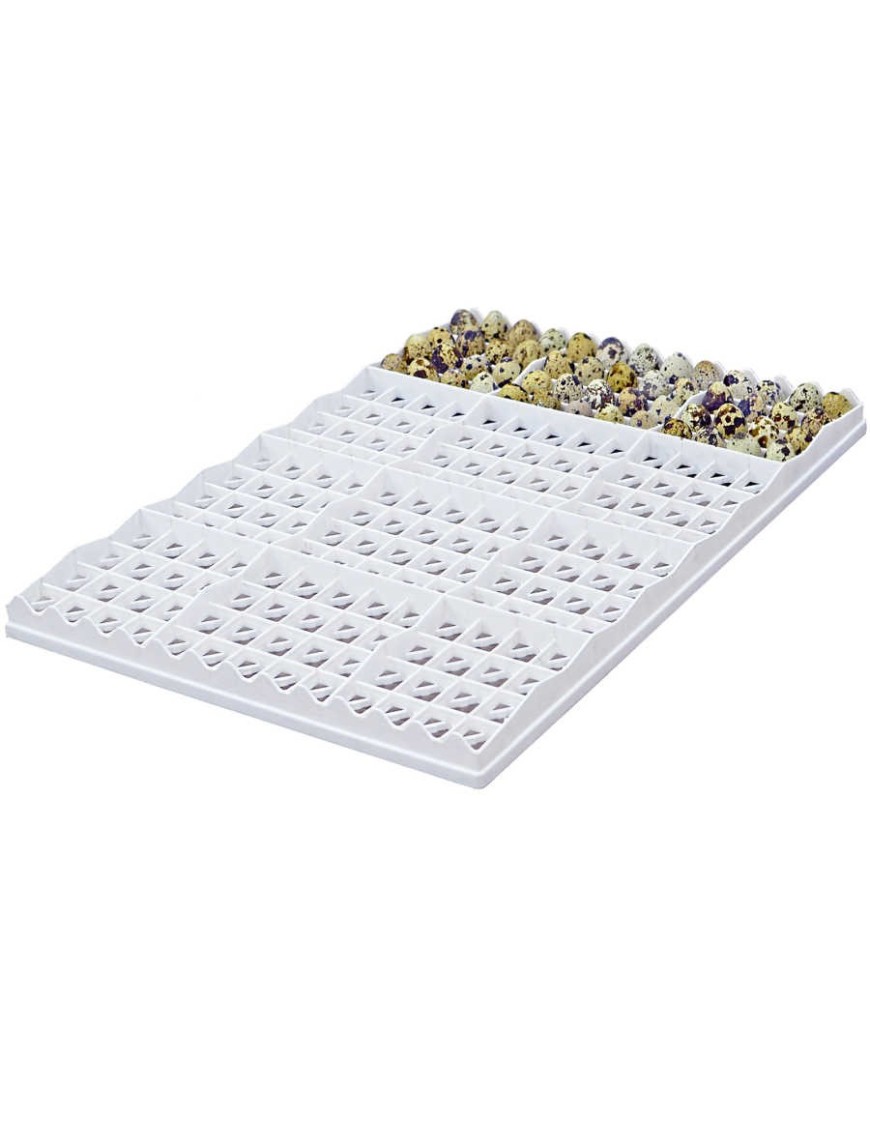 |
||||||||||||||||||||||||
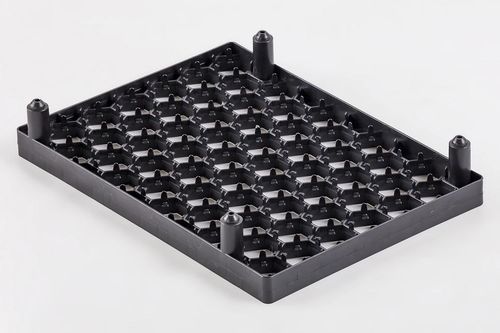
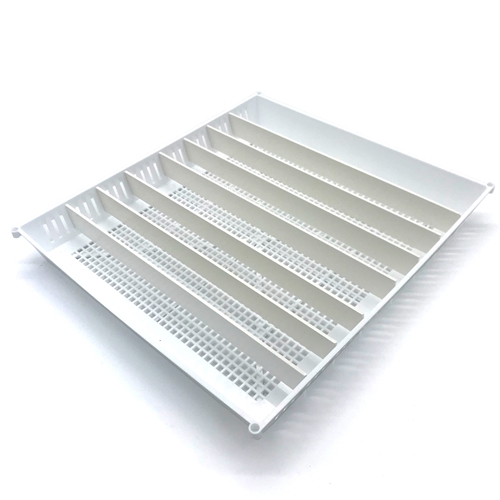
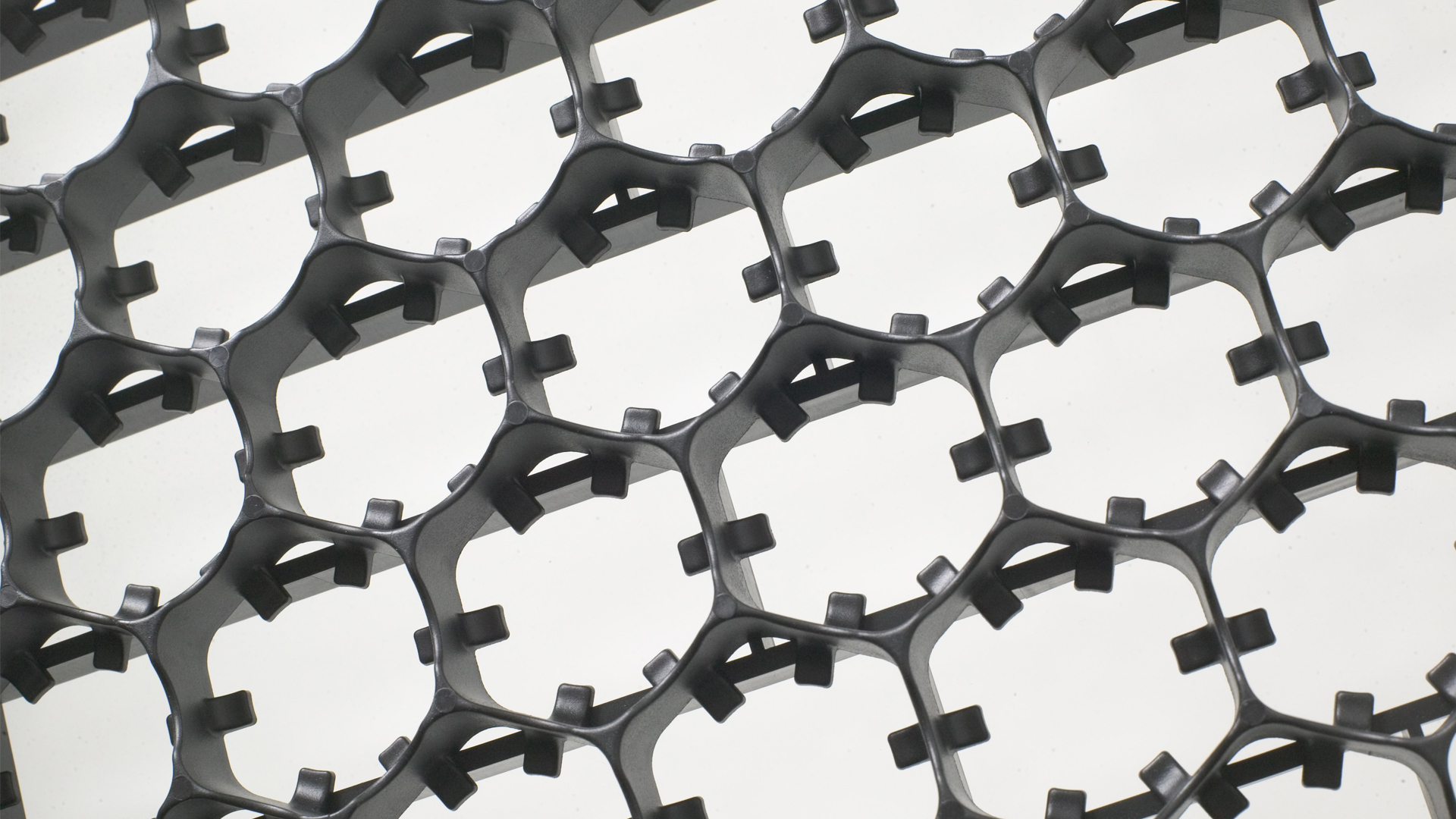
| Product Overview | The Quail Egg Incubator Tray is a species-specific poultry incubation accessory designed to hold small quail eggs securely and evenly inside automatic or semi-automatic incubators. Compared with universal trays intended for larger poultry eggs, a dedicated quail tray uses smaller egg positions and closer spacing to increase usable incubator capacity while maintaining organized airflow around the eggs. The tray can be used as part of an automatic turning system or as a removable egg carrier depending on incubator design. It is suitable for quail breeder farms, hatcheries, agricultural projects and poultry breeding facilities requiring efficient handling of large numbers of small eggs. |
||||||||||||||||||||||||
| Key Features |
|
||||||||||||||||||||||||
| Structural Components |
|
||||||||||||||||||||||||
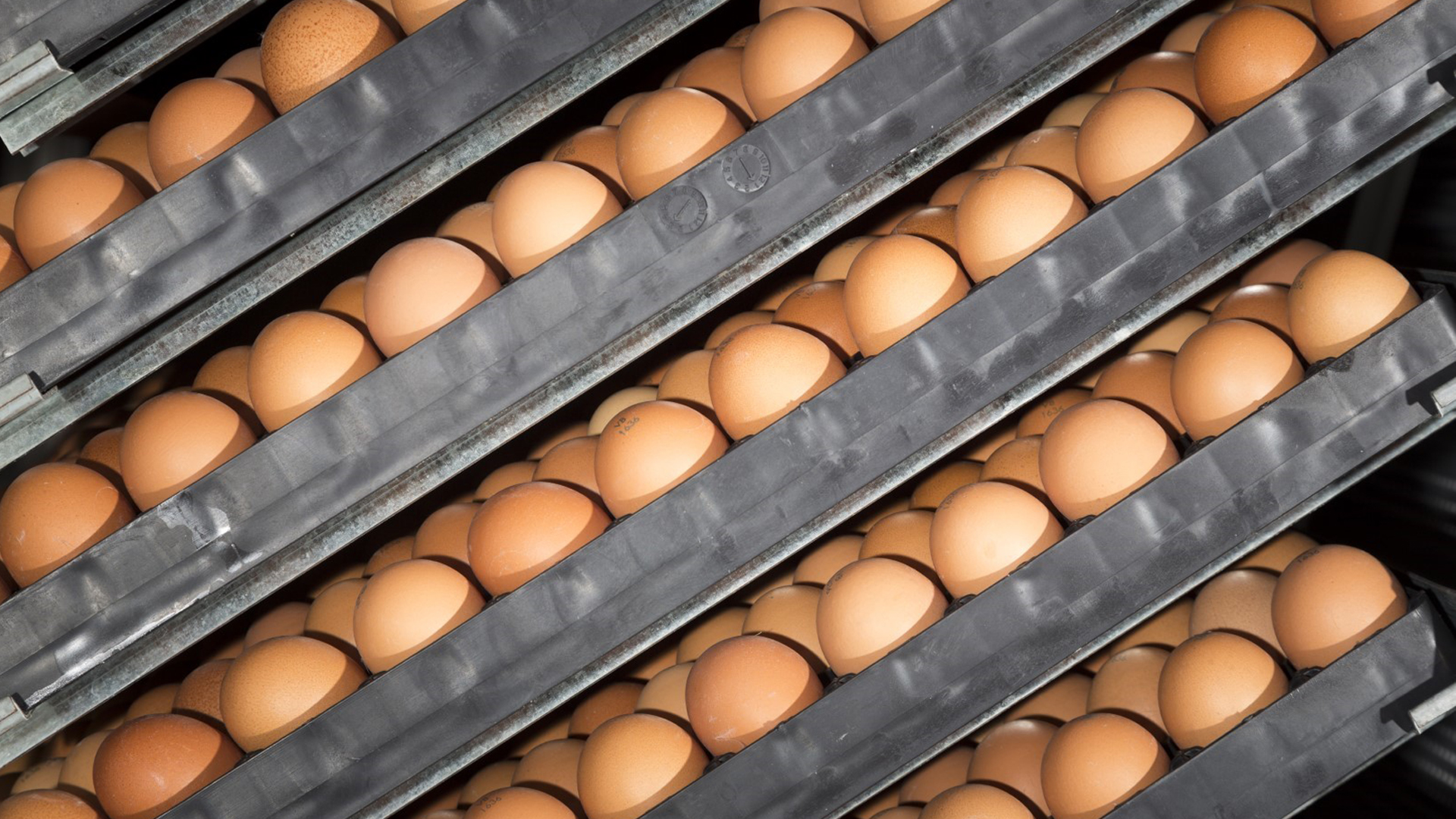
| Working Principle | Fertile quail eggs are placed individually into the tray openings before the tray is installed inside the incubator. The small egg positions keep the eggs organized and help maintain consistent spacing across the incubation area. In automatic systems, the tray is connected to or supported by the incubator turning mechanism. The tray is periodically tilted, rocked or moved so that the eggs change orientation during the setter stage. The open structure allows heated and humidified air to move around the eggs while the turning system helps expose different sides of the egg to the incubation environment. Before hatching, eggs are normally transferred to a hatching basket or hatcher according to the incubation workflow. |
||||||||||||||||||||||||
| Technical Specifications |
|
||||||||||||||||||||||||
| Applications |
|
||||||||||||||||||||||||
| Customization Options | The Quail Egg Incubator Tray can be customized according to egg size, required capacity, incubator chamber dimensions and egg-turning mechanism. Available options may include tray length and width, egg-hole diameter, compartment spacing, tray capacity, frame connection, turning interface, plastic material and color. For replacement projects, tray dimensions can be designed according to the existing incubator structure. For new hatchery equipment, tray configuration can be coordinated with the turning motor, trolley or cabinet layout according to project requirements. |
||||||||||||||||||||||||
| Installation & Maintenance | Before installation, confirm the incubator's internal tray dimensions, turning direction, frame spacing and available clearance. The tray should sit securely without interfering with fans, heaters, sensors or other incubator components. When used with an automatic turning system, check that the tray moves smoothly through the complete turning cycle and that eggs remain correctly supported throughout the movement. After each incubation cycle, remove shell debris and organic material and wash and disinfect the tray according to hatchery biosecurity procedures. Inspect the frame, egg compartments and connection points for cracking or deformation before reuse. |
||||||||||||||||||||||||
| Project Cases | In commercial quail hatchery projects, species-specific trays can increase egg density compared with universal poultry trays while maintaining organized airflow and egg positioning. For cabinet incubators, multiple trays can be installed vertically in racks or trolley systems according to required production capacity. In replacement projects, custom tray dimensions can also be matched to existing turning frames to extend the service life of installed incubation equipment. |
||||||||||||||||||||||||
| Product FAQ | Q: Why use a dedicated quail egg tray instead of a universal tray? A: A quail-specific tray uses smaller egg positions, allowing better support and higher tray density for small eggs. Q: Can the tray work with automatic egg turning? A: Yes. The tray can be designed for compatible rocking, tilting or motor-driven turning systems. Q: Can the tray capacity be customized? A: Yes. Capacity depends on tray dimensions, egg-hole spacing and the incubator's internal structure. Q: Can it be used for other small bird eggs? A: Depending on egg dimensions, the tray may also be suitable for guinea fowl or other small bird eggs. Compatibility should be confirmed before ordering. Q: Is the tray easy to clean? A: Yes. Open plastic tray designs are generally easy to wash and disinfect between incubation cycles. Q: What information is required for a custom tray? A: Recommended information includes incubator model, internal tray dimensions, egg size, required capacity, turning mechanism and photos or drawings of the existing tray support system. |
||||||||||||||||||||||||
| Product Gallery | 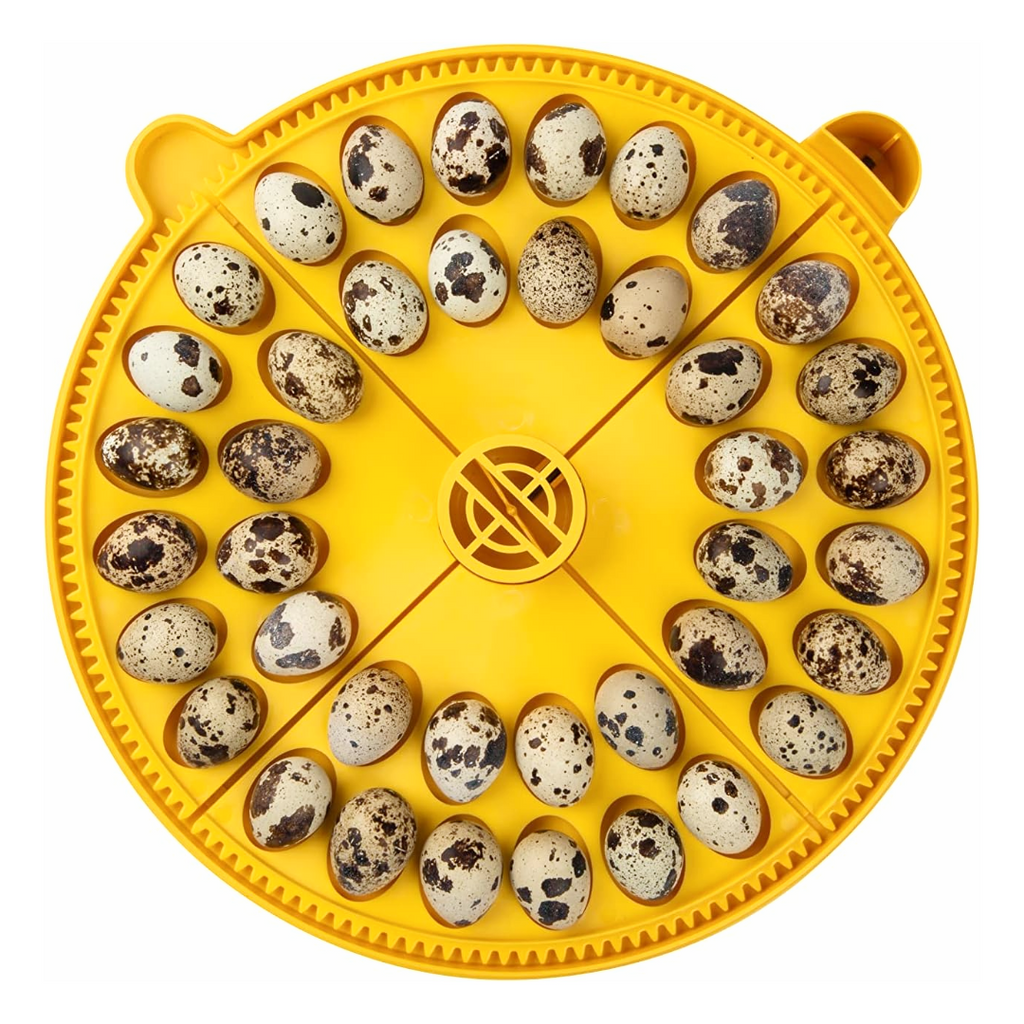  |
- Home
-
Products
- Pig Farming Equipment
- Cattle Farming Equipment
- Sheep & Goat Farming Equipment
- Poultry Farming Equipment
- Feeding & Drinking Systems
- Veterinary & Breeding Equipment
- Testing & Diagnostic Equipment
- Cleaning & Biosecurity Equipment
- Climate Control Equipment
- Livestock Weighing Equipment
- Manure & Waste Management
- Farm Transport & Handling
-
Solutions
- Pig Farm Solutions
- Dairy Farm Solutions
- Beef Cattle Farm Solutions
- Sheep & Goat Farm Solutions
- Layer Farm Solutions
- Broiler Farm Solutions
- Feeding & Drinking System Solutions
- Climate Control Solutions
- Biosecurity & Disinfection Solutions
- Manure & Waste Management
- Smart Farming Solutions
- Farm Renovation and Upgrade Solutions
- Partners
- Projects
- Resources
- News
- About Us
- Contact
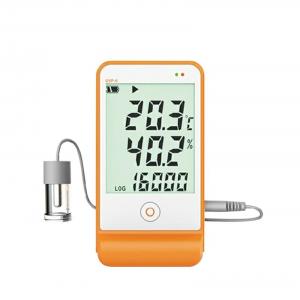

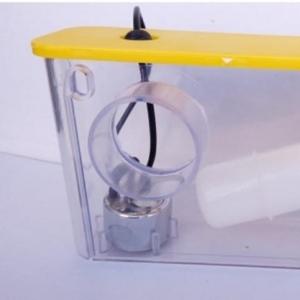



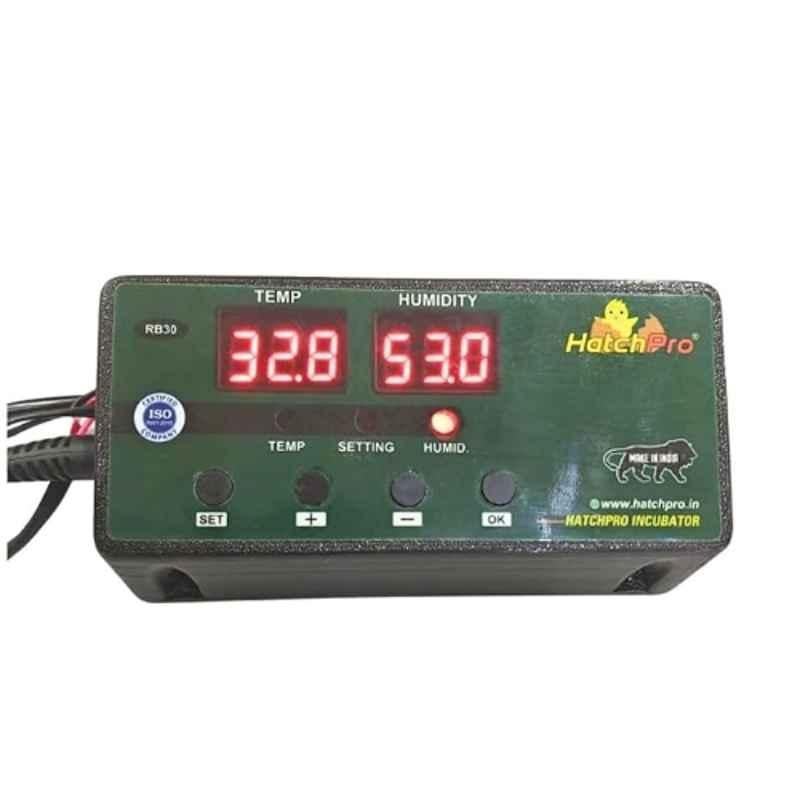

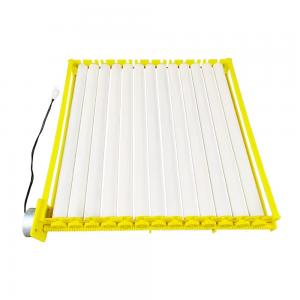
Comments & Inquiries
Leave your questions or requirements below. We will reply as soon as possible.