
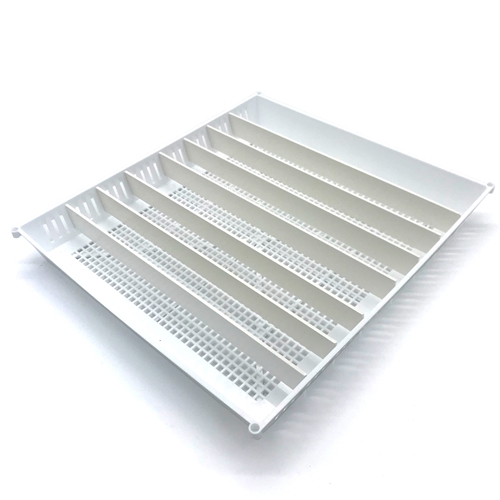
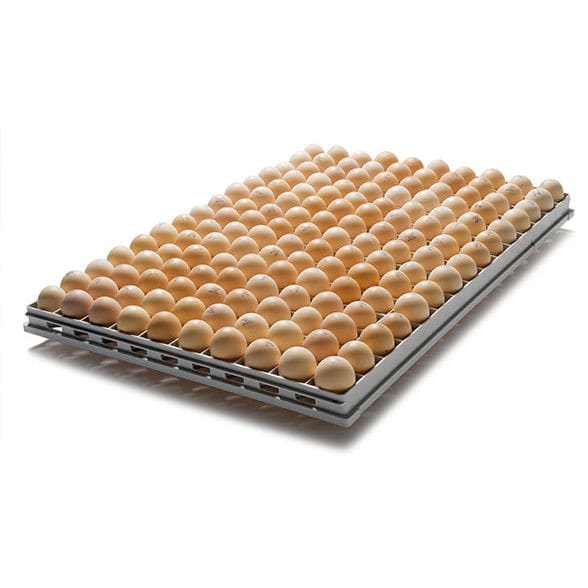
| Product Name | Chicken Egg Setter Tray | ||||||||||||||||||||||
| Product Image | 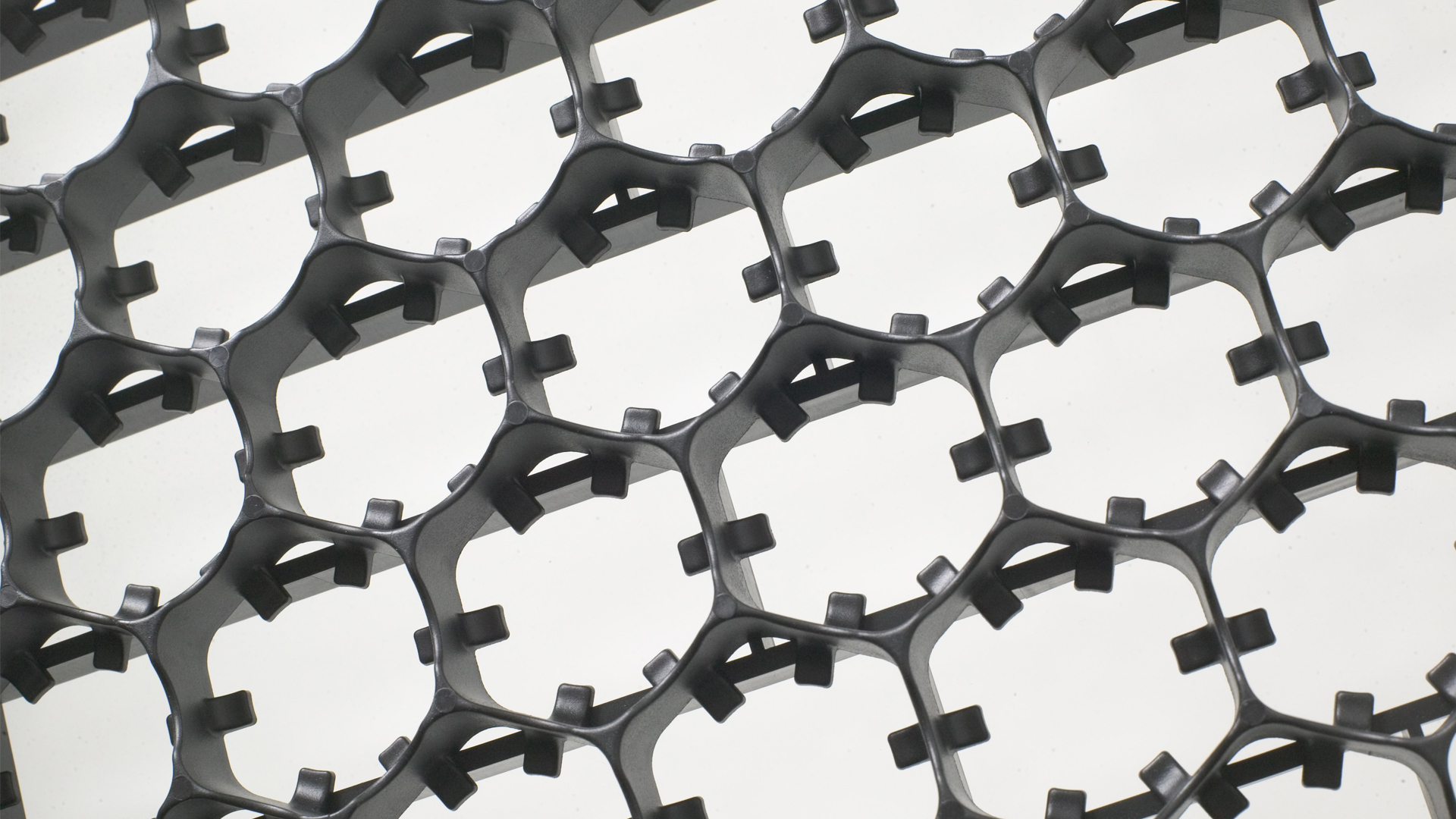 |
||||||||||||||||||||||
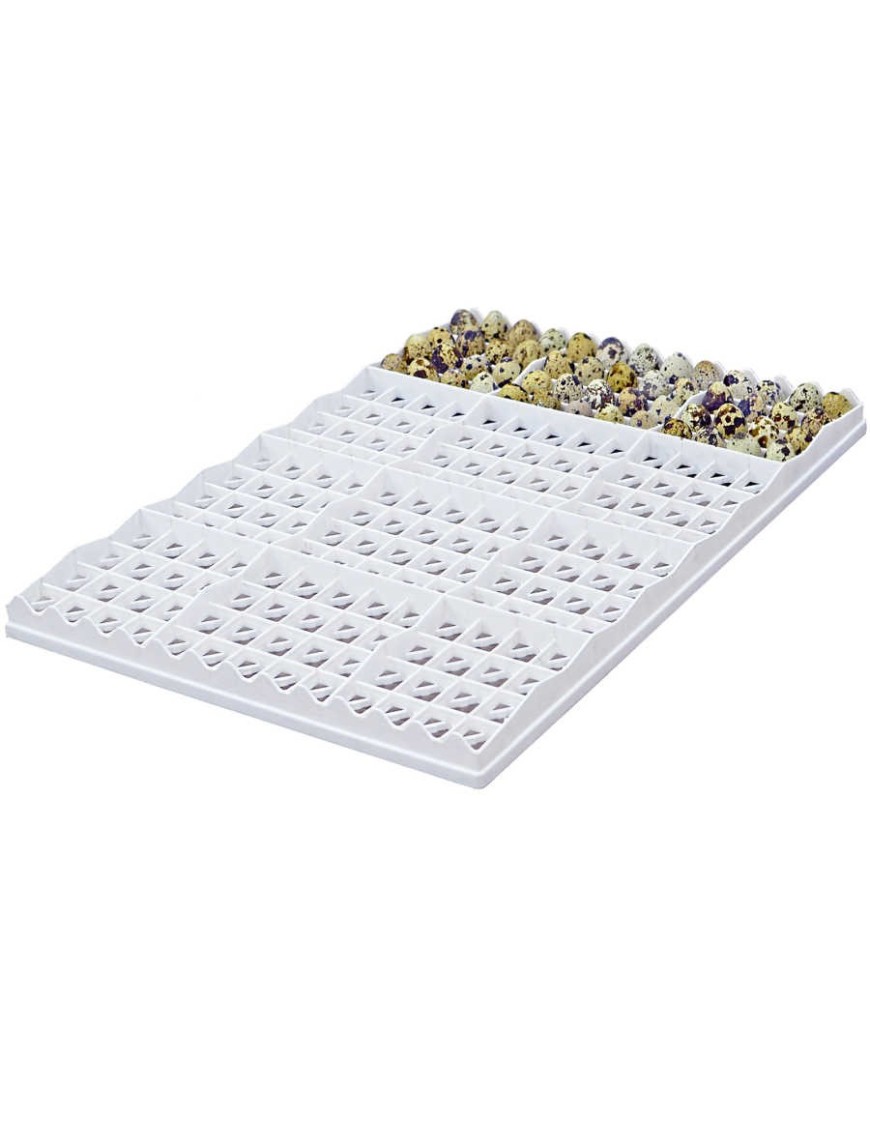
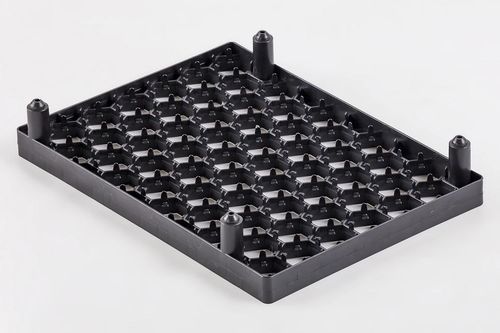
| Product Overview | The Chicken Egg Setter Tray is a commercial hatchery component designed to hold fertile chicken eggs securely throughout handling, trolley loading and the setter incubation stage. Its open cellular structure allows conditioned air to circulate around individual eggs while maintaining stable positioning during transport and automated processing. The tray can be integrated with setter trolleys, incubation systems, egg transfer equipment, candling lines and automated hatchery handling systems. High dimensional stability and a practical lightweight structure support repetitive daily use in commercial poultry hatcheries. Tray capacity, egg-cell geometry and external dimensions can be selected according to egg size, setter model, trolley configuration and hatchery automation requirements. |
||||||||||||||||||||||
| Key Features |
|
||||||||||||||||||||||
| Structural Components |
|
||||||||||||||||||||||
| Working Principle | Fertile chicken eggs are placed individually into the tray cells with the correct orientation required by the hatchery process. The loaded trays are then installed into compatible setter trolleys and moved into the incubator. During incubation, the tray holds every egg in a repeatable position while allowing heated, cooled and ventilated air to circulate through the egg mass. When the trolley turning system changes the angle of the eggs, the tray maintains stable support throughout the movement. At transfer, trays can be removed manually or processed through compatible automated candling, transfer and in-ovo equipment before the eggs are moved into hatcher baskets. |
||||||||||||||||||||||
| Technical Specifications |
|
||||||||||||||||||||||
| Applications |
|
||||||||||||||||||||||
| Customization Options | Chicken egg setter trays can be configured according to egg size, required capacity, setter trolley dimensions and hatchery automation level. Available options may include tray capacity, external dimensions, egg-cell geometry, support structure, material specification, trolley compatibility and automated handling interface. Custom configurations are available upon request and can be developed according to project requirements, existing hatchery equipment and future automation plans. |
||||||||||||||||||||||
| Installation & Maintenance | Before use, confirm that the setter tray dimensions and support points are compatible with the selected trolley, incubator and transfer equipment. Loaded trays should sit securely without excessive movement or interference with adjacent trays. For automated hatcheries, tray dimensional consistency should be checked carefully because reliable positioning is important for robotic handling, candling, transfer and in-ovo operations. After each incubation cycle, trays should be cleaned and disinfected according to hatchery biosecurity procedures. Inspect the egg cells, outer frame and support areas regularly for cracks, distortion or other damage that could affect egg stability. |
||||||||||||||||||||||
| Project Cases | In commercial hatchery projects, chicken egg setter trays are used from fertile egg preparation through setter loading and transfer operations. Trays can be coordinated with trolley capacity, setter room layout, candling equipment and downstream egg-transfer automation. For hatchery expansion projects, tray dimensions should be confirmed early in the engineering process to ensure compatibility with existing setters, trolleys, washing equipment and automated handling systems. |
||||||||||||||||||||||
| Product FAQ | Q: What is a chicken egg setter tray used for? A: It holds fertile eggs securely inside a setter trolley while allowing proper airflow and controlled egg turning during incubation. Q: Can the tray capacity be customized? A: Yes. Capacity and tray dimensions can be selected according to the setter model, trolley configuration and hatchery requirements. Q: Why is airflow around the eggs important? A: Open tray geometry helps conditioned air reach individual eggs more uniformly, supporting consistent embryo temperature management during incubation. Q: Can the tray be used with automated hatchery equipment? A: Yes. High dimensional stability and repeatable egg positioning make compatible tray designs suitable for automated transfer, candling and other hatchery processes. Q: Can one tray accommodate different chicken egg sizes? A: This depends on the egg-cell design. The referenced 88-egg configuration is designed for a broad chicken egg size range, while alternative configurations can be selected according to project requirements. Q: What information is required for quotation? A: Recommended information includes egg type, required tray capacity, setter model, trolley dimensions, existing tray dimensions and required automation compatibility. |
||||||||||||||||||||||
| Product Gallery | 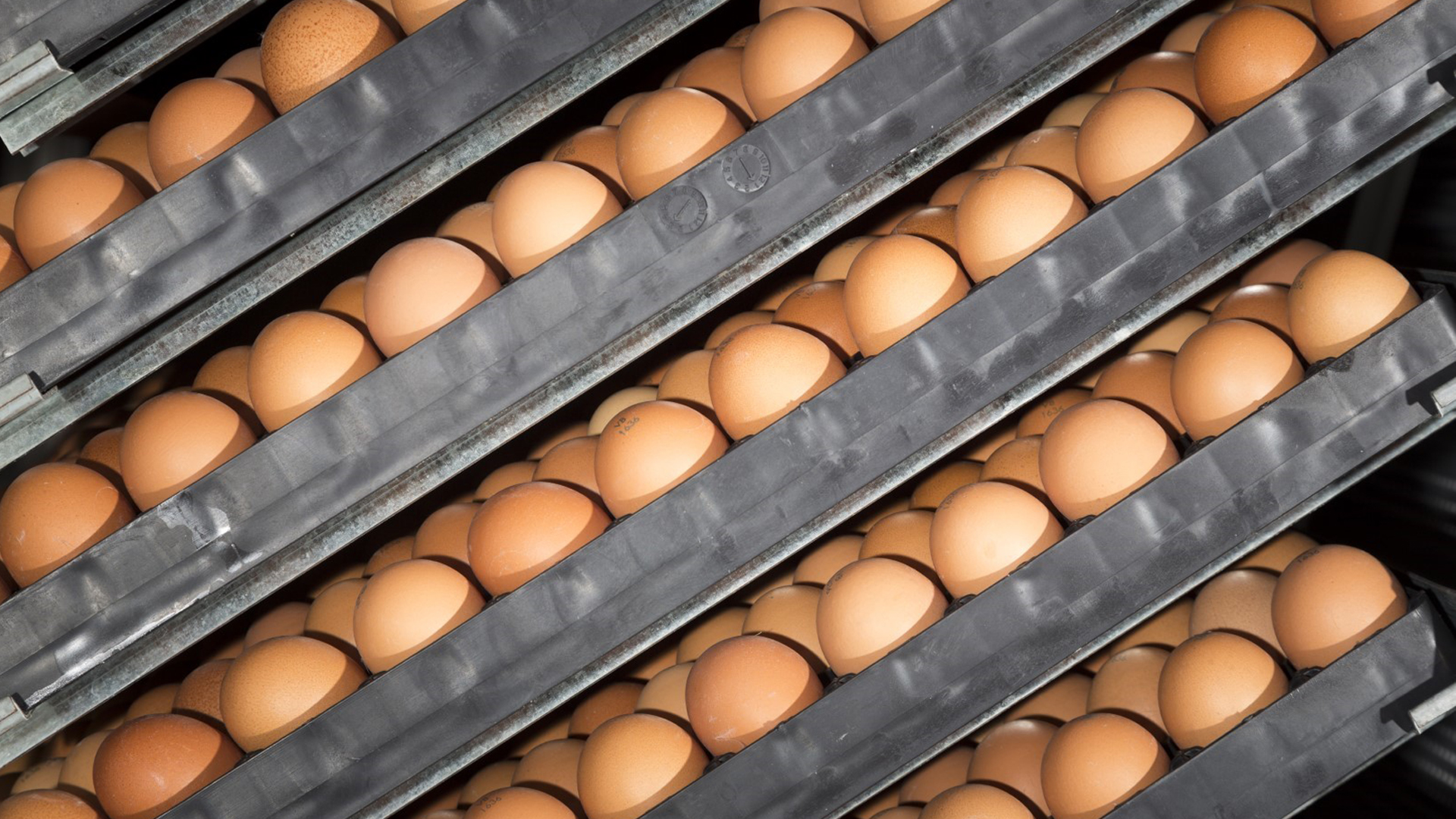 |
- Home
-
Products
- Pig Farming Equipment
- Cattle Farming Equipment
- Sheep & Goat Farming Equipment
- Poultry Farming Equipment
- Feeding & Drinking Systems
- Veterinary & Breeding Equipment
- Testing & Diagnostic Equipment
- Cleaning & Biosecurity Equipment
- Climate Control Equipment
- Livestock Weighing Equipment
- Manure & Waste Management
- Farm Transport & Handling
-
Solutions
- Pig Farm Solutions
- Dairy Farm Solutions
- Beef Cattle Farm Solutions
- Sheep & Goat Farm Solutions
- Layer Farm Solutions
- Broiler Farm Solutions
- Feeding & Drinking System Solutions
- Climate Control Solutions
- Biosecurity & Disinfection Solutions
- Manure & Waste Management
- Smart Farming Solutions
- Farm Renovation and Upgrade Solutions
- Partners
- Projects
- Resources
- News
- About Us
- Contact





Comments & Inquiries
Leave your questions or requirements below. We will reply as soon as possible.