

| Product Name | Duck Egg Setter Tray | ||||||||||||||||||||||
| Product Image | 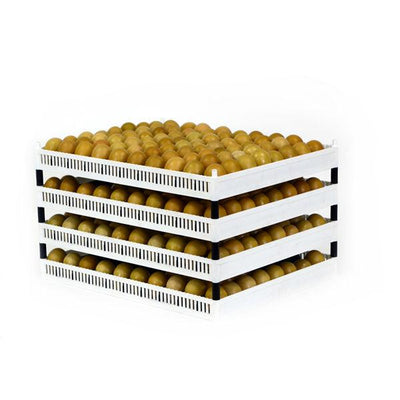 |
||||||||||||||||||||||
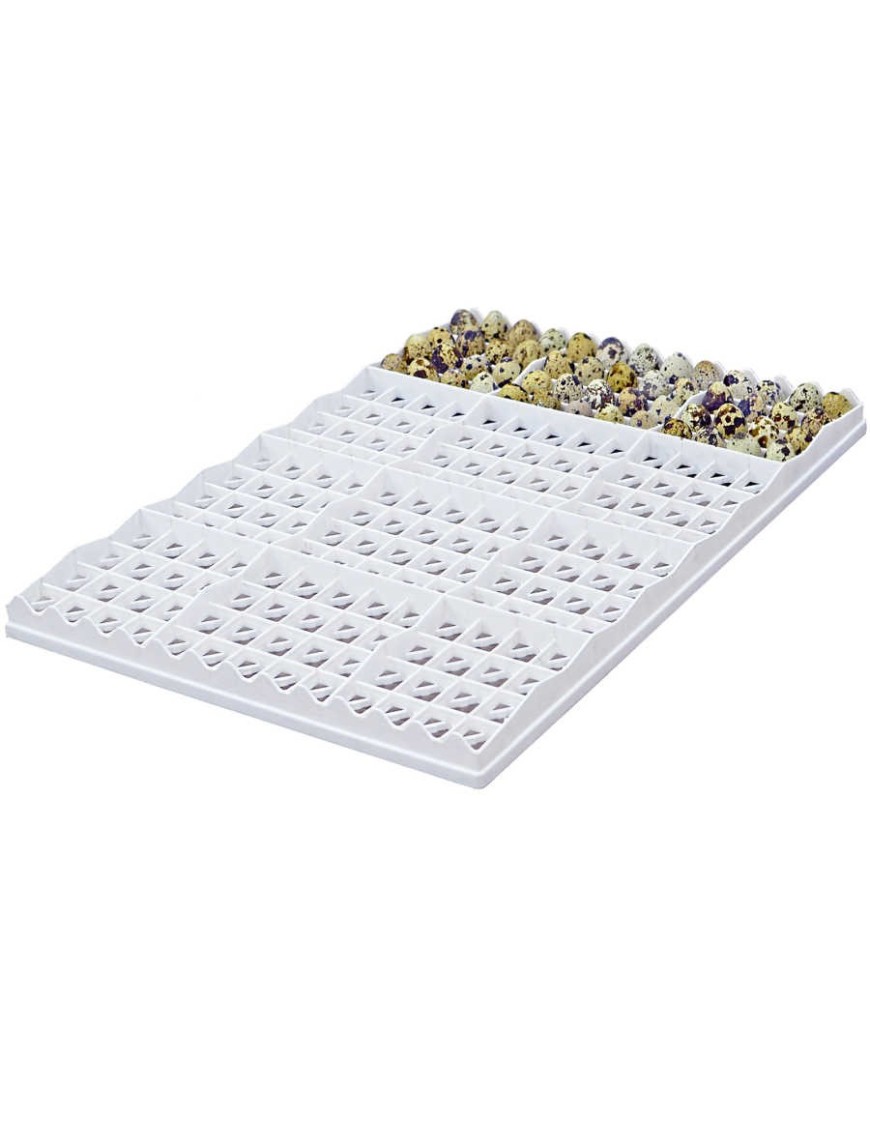
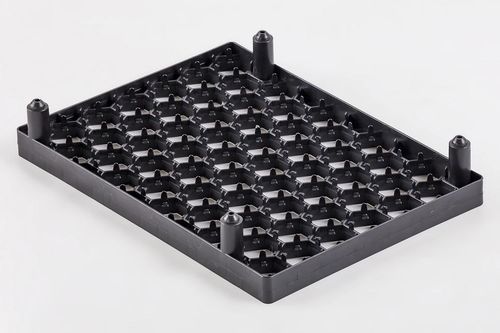
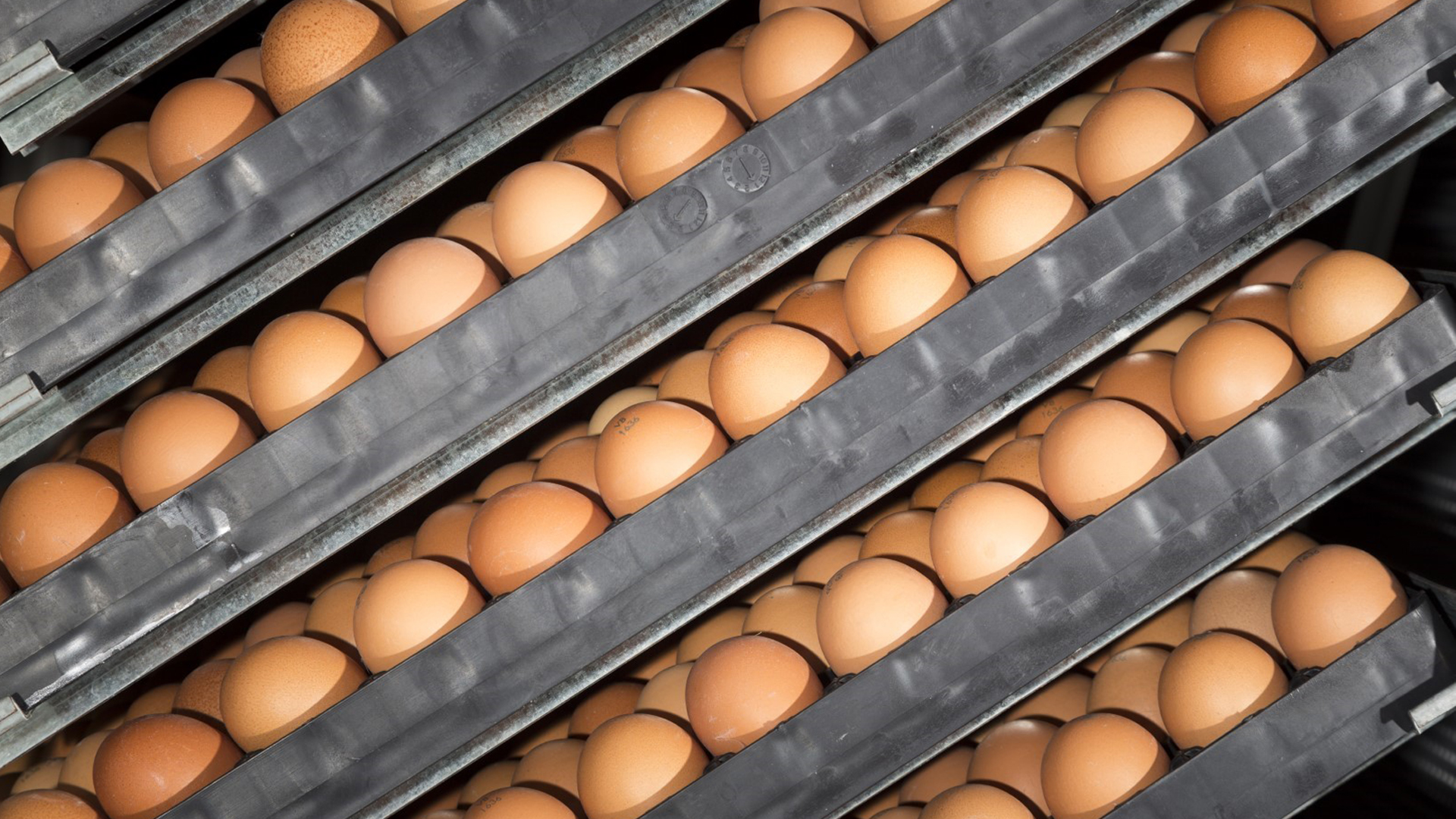
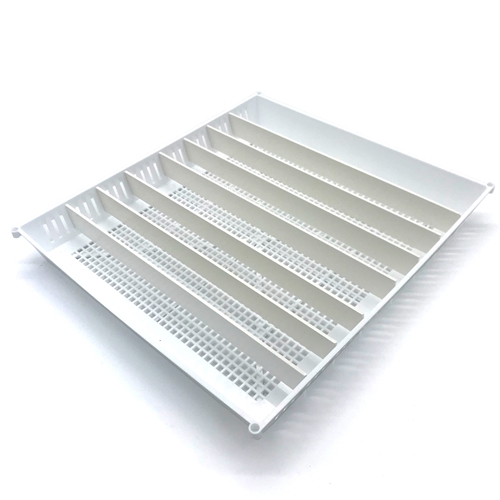
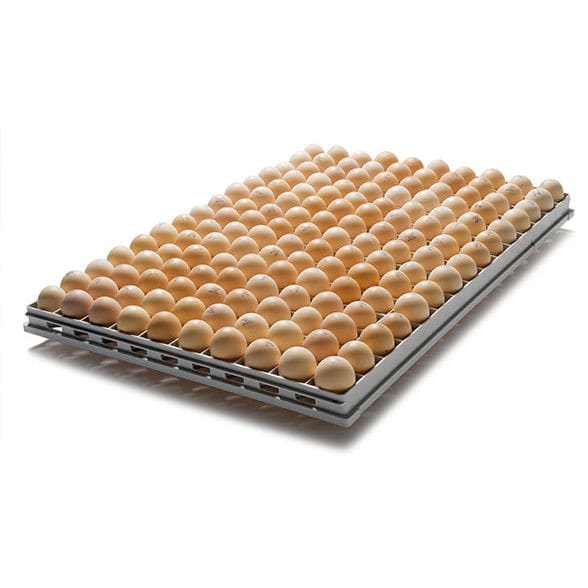
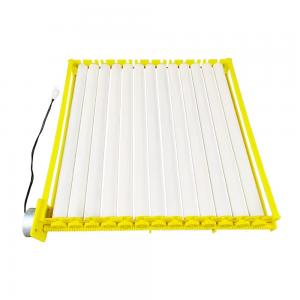
| Product Overview | The Duck Egg Setter Tray is designed for organized loading and incubation of fertile duck eggs in commercial hatchery setter systems. The tray supports individual eggs while maintaining open airflow paths around the shell surface, helping promote more uniform incubation conditions. Dedicated turkey and duck setter tray configurations are commonly used because larger poultry eggs require different support geometry and spacing than standard chicken eggs. Commercial setter trays are also designed for repeated hatchery handling and can be integrated into manual or automated egg transfer processes. :contentReference[oaicite:1]{index=1} The tray is suitable for breeder duck farms, commercial duck hatcheries, waterfowl breeding centers and poultry hatchery projects requiring durable, washable and automation-compatible egg handling components. |
||||||||||||||||||||||
| Key Features |
|
||||||||||||||||||||||
| Structural Components |
|
||||||||||||||||||||||
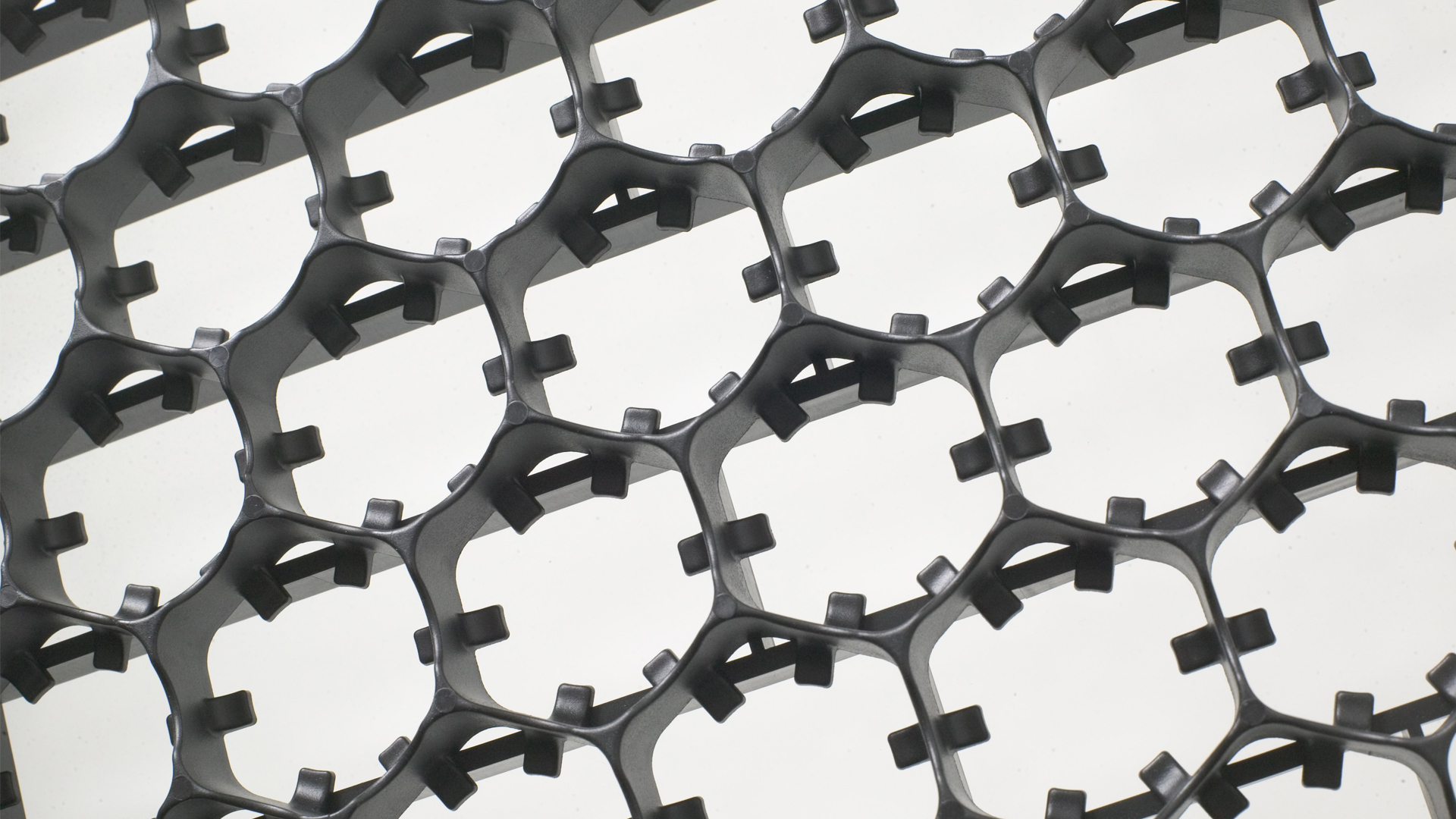
| Structural Principle | The setter tray separates fertile duck eggs into individual support positions while leaving sufficient open area between the eggs for conditioned air circulation. This structure helps support uniform heat transfer and reduces direct egg-to-egg contact during handling. When installed in a compatible setter trolley, the complete tray assembly can participate in the incubator's automatic turning cycle. The eggs remain securely supported while the trolley or tray bank changes angle according to the selected incubation program. Commercial setter tray design also places importance on dimensional stability because stable egg positioning is required for reliable automated loading, transfer and unloading operations. :contentReference[oaicite:2]{index=2} |
||||||||||||||||||||||
| Technical Specifications |
|
||||||||||||||||||||||
| Applications |
|
||||||||||||||||||||||
| Customization Options | Duck egg setter trays can be configured according to egg dimensions, setter model, trolley layout, required tray capacity and hatchery automation level. Available customization may include tray length and width, egg pocket size, egg spacing, tray capacity, structural reinforcement and compatibility with existing setter trolleys. For hatchery modernization projects, tray configuration can be developed according to existing equipment dimensions and production requirements. Available upon request. |
||||||||||||||||||||||
| Installation & Maintenance | Before use, confirm that the tray dimensions and support points match the setter trolley or rack system. Each tray should sit securely without excessive movement or interference with adjacent trays. Fertile eggs should be loaded carefully into the designated support cells and inspected for stable positioning before the trolley enters the incubator. After each incubation cycle, trays should be washed and disinfected according to hatchery biosecurity procedures. Inspect the tray frame, egg supports and reinforcing sections for cracks, deformation or other damage before reuse. |
||||||||||||||||||||||
| Project Cases | In commercial duck hatchery projects, setter trays form part of an integrated egg-handling workflow that can include egg receiving, storage, sanitation, grading, tray loading, setter incubation, candling, transfer and final hatching. For automated hatcheries, dimensional consistency of the setter tray is especially important because loading and transfer equipment depends on repeatable tray positioning. HatchTech notes that setter trays can be integrated with both manual and automated hatchery processes. :contentReference[oaicite:3]{index=3} |
||||||||||||||||||||||
| Product FAQ | Q: Why should duck eggs use a dedicated setter tray? A: Duck eggs are generally larger than standard chicken eggs, so suitable pocket dimensions and spacing provide more secure support and appropriate airflow. Q: Can the tray work with automatic egg turning? A: Yes. The tray can be configured for compatible setter trolley systems where the trolley or tray assembly is automatically tilted during incubation. Q: Can tray capacity be customized? A: Yes. Capacity depends on egg dimensions, tray dimensions and the setter system and can be customized according to project requirements. Q: Is the tray suitable for automated hatcheries? A: Yes. Commercial setter trays with suitable dimensional stability can be integrated with automated egg handling and transfer equipment. :contentReference[oaicite:4]{index=4} Q: Can it also be used for turkey eggs? A: A compatible large-egg tray design can be supplied for turkey eggs, but pocket size and capacity should be confirmed according to egg dimensions. Q: What information is required for quotation? A: Recommended information includes poultry species, average egg dimensions, required tray capacity, setter model, trolley dimensions and required automation level. |
||||||||||||||||||||||
| Product Gallery | |
- Home
-
Products
- Pig Farming Equipment
- Cattle Farming Equipment
- Sheep & Goat Farming Equipment
- Poultry Farming Equipment
- Feeding & Drinking Systems
- Veterinary & Breeding Equipment
- Testing & Diagnostic Equipment
- Cleaning & Biosecurity Equipment
- Climate Control Equipment
- Livestock Weighing Equipment
- Manure & Waste Management
- Farm Transport & Handling
-
Solutions
- Pig Farm Solutions
- Dairy Farm Solutions
- Beef Cattle Farm Solutions
- Sheep & Goat Farm Solutions
- Layer Farm Solutions
- Broiler Farm Solutions
- Feeding & Drinking System Solutions
- Climate Control Solutions
- Biosecurity & Disinfection Solutions
- Manure & Waste Management
- Smart Farming Solutions
- Farm Renovation and Upgrade Solutions
- Partners
- Projects
- Resources
- News
- About Us
- Contact





Comments & Inquiries
Leave your questions or requirements below. We will reply as soon as possible.