

| Product Name | Multi-Egg Candling Table | ||||||||||||||||||||||
| Product Image |  |
||||||||||||||||||||||
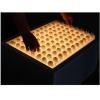
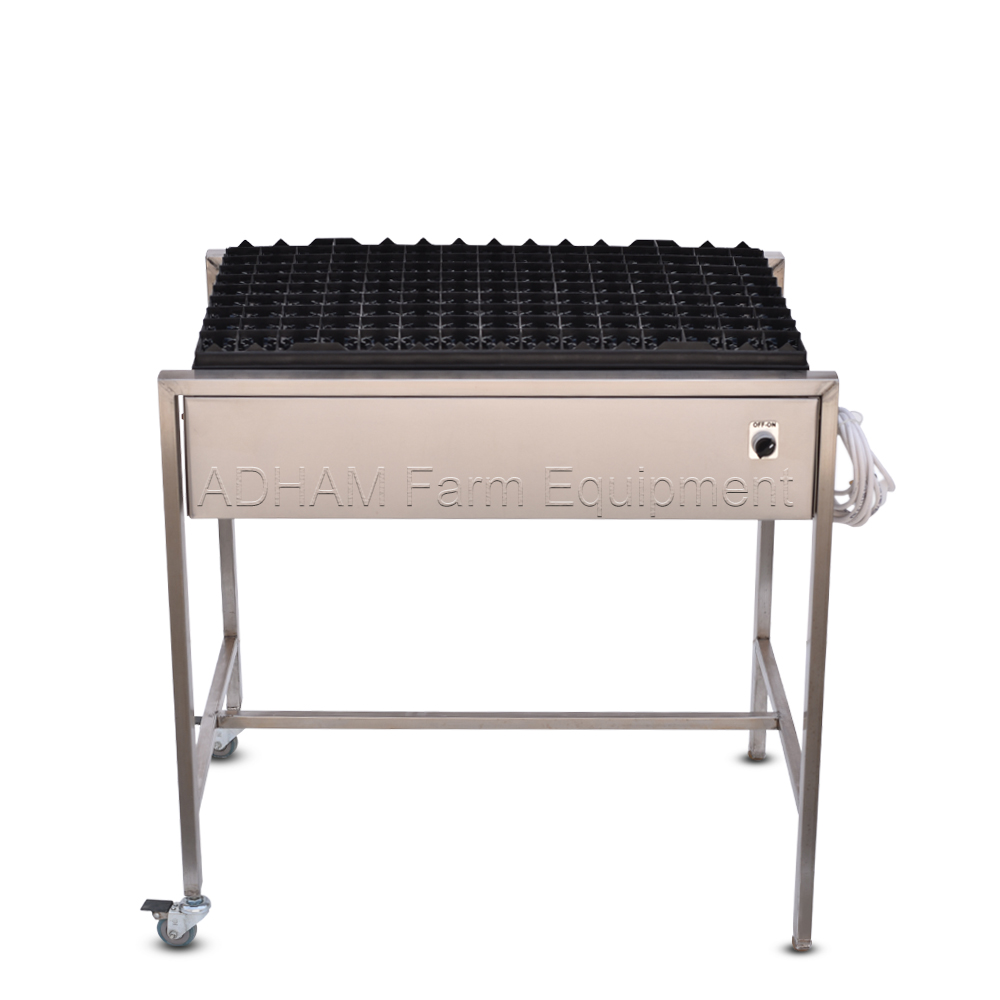
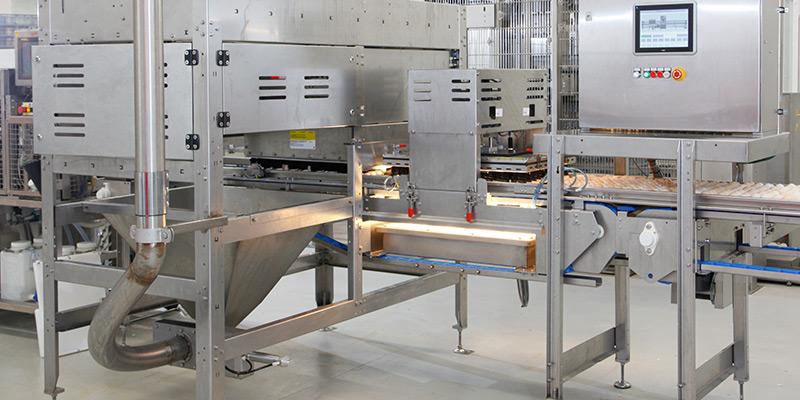
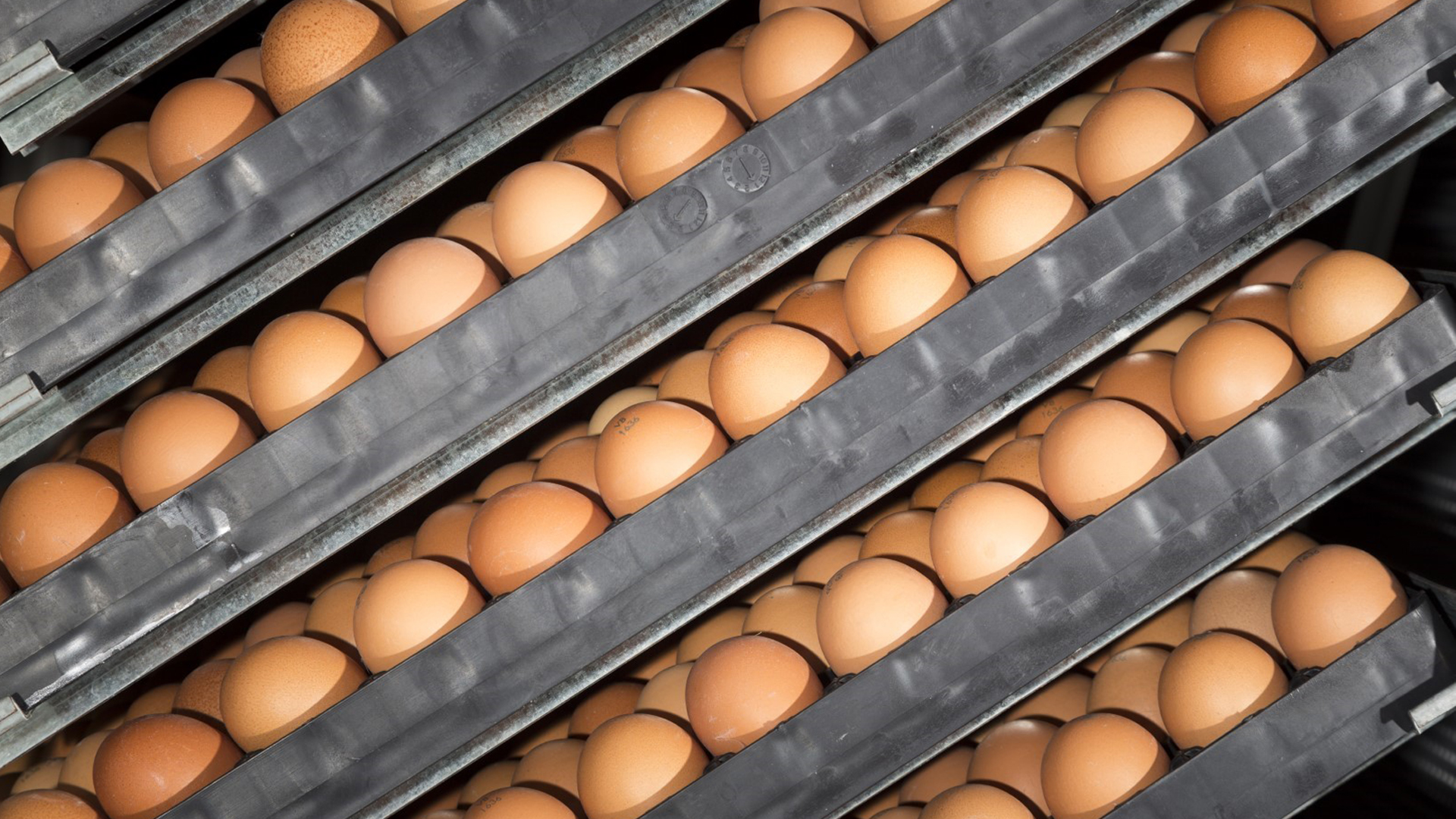
| Product Overview | The Multi-Egg Candling Table is a hatchery inspection unit designed to illuminate an entire setter tray or a large group of fertile eggs at one time. It allows operators to visually identify clear, infertile or early-dead eggs without checking every egg individually with a handheld lamp. The equipment is particularly suitable for small and medium hatcheries, sample-tray inspection in large hatcheries, and as a practical backup to automatic candling systems. Stainless steel construction, a powerful internal light source and mobile wheel configuration support easy operation, cleaning and movement within the hatchery. By removing non-developing eggs before transfer, hatchery personnel can reduce unnecessary material entering the hatcher and improve the organization of the candling and transfer workflow. |
||||||||||||||||||||||
| Key Features |
|
||||||||||||||||||||||
| Structural Components |
|
||||||||||||||||||||||
| Working Principle | A setter tray containing incubated eggs is positioned on the candling surface. Light from beneath the tray passes through each egg shell simultaneously. Eggs with normal embryo development appear darker because the embryo and blood vessels block part of the transmitted light. Clear or infertile eggs allow substantially more light to pass through and can therefore be identified quickly for manual removal. After inspection, acceptable eggs can continue to the transfer process and be moved into hatcher baskets, while rejected eggs are removed according to the hatchery's sanitation and waste-handling procedures. |
||||||||||||||||||||||
| Technical Specifications |
|
||||||||||||||||||||||
| Applications |
|
||||||||||||||||||||||
| Customization Options | The Multi-Egg Candling Table can be configured according to setter tray dimensions, egg quantity, poultry species and hatchery workflow. Available options may include tray capacity, candling-hole pattern, working dimensions, light-source type, wheel arrangement, electrical specification, stainless steel grade and connection with roller conveyors or egg transfer equipment. Configurations are available upon request and can be designed according to project requirements and the customer's existing setter and hatcher equipment. |
||||||||||||||||||||||
| Installation & Maintenance | Position the candling table on a stable, level floor in the hatchery candling or transfer area. Confirm that the setter tray aligns correctly with the candling openings before beginning routine operation. The working area should have controlled ambient lighting so operators can clearly distinguish differences in egg transparency. When wheels are supplied, engage the brakes before loading trays onto the table. After operation, remove egg residues and disinfect the working surface according to hatchery biosecurity procedures. Inspect the light source, protective glass, electrical connections and tray-contact components regularly. Removable rubber light-sealing parts, where fitted, should be taken out for thorough cleaning. |
||||||||||||||||||||||
| Project Cases | In a typical commercial hatchery workflow, the multi-egg candling table is positioned near the setter-to-hatcher transfer area. Setter trays are removed from incubation, placed on the candling table and inspected before viable eggs continue to the transfer stage. For smaller hatcheries, the table can serve as the primary candling station. In larger automated hatcheries, it can be retained as a manual backup unit or used for inspection of sample trays when hatchery personnel need to evaluate fertility and embryo development. |
||||||||||||||||||||||
| Product FAQ | Q: What is a multi-egg candling table used for? A: It illuminates multiple eggs simultaneously so operators can identify infertile, clear or abnormal eggs during incubation. Q: Can it candle a full setter tray? A: Yes. The working surface can be designed to match a complete setter tray, depending on the tray type and project configuration. Q: Can the table work with different tray capacities? A: Yes. Tray layouts can be customized. Reference commercial systems are available for different tray sizes and egg quantities. Q: Can it be connected to an egg transfer machine? A: Yes. The candling station can be used independently or integrated with transfer equipment and roller conveyors according to the hatchery workflow. Q: Why are infertile eggs removed before hatching? A: Removing non-developing eggs reduces unnecessary material entering the hatcher and helps maintain a cleaner and more organized hatching process. Q: What information is required for quotation? A: Recommended information includes setter tray brand or dimensions, egg quantity per tray, poultry species, required electrical supply, preferred light source and whether transfer equipment integration is required. |
||||||||||||||||||||||
| Product Gallery | 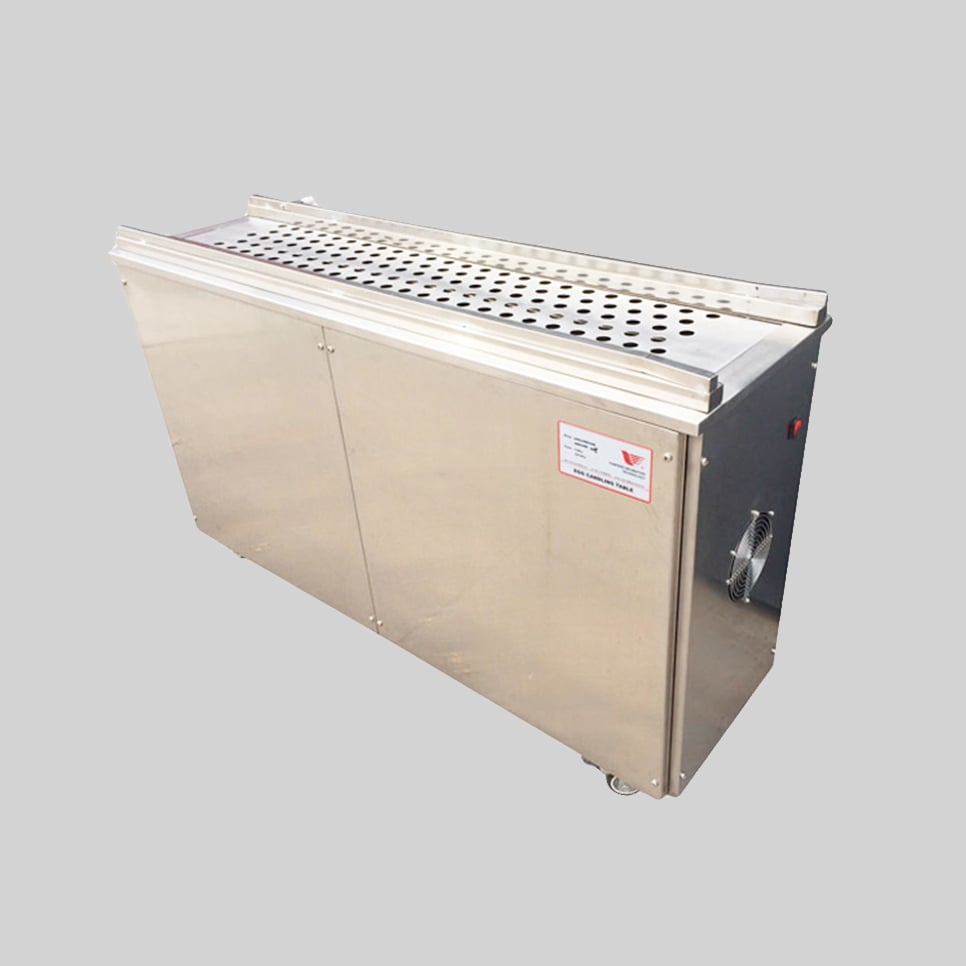 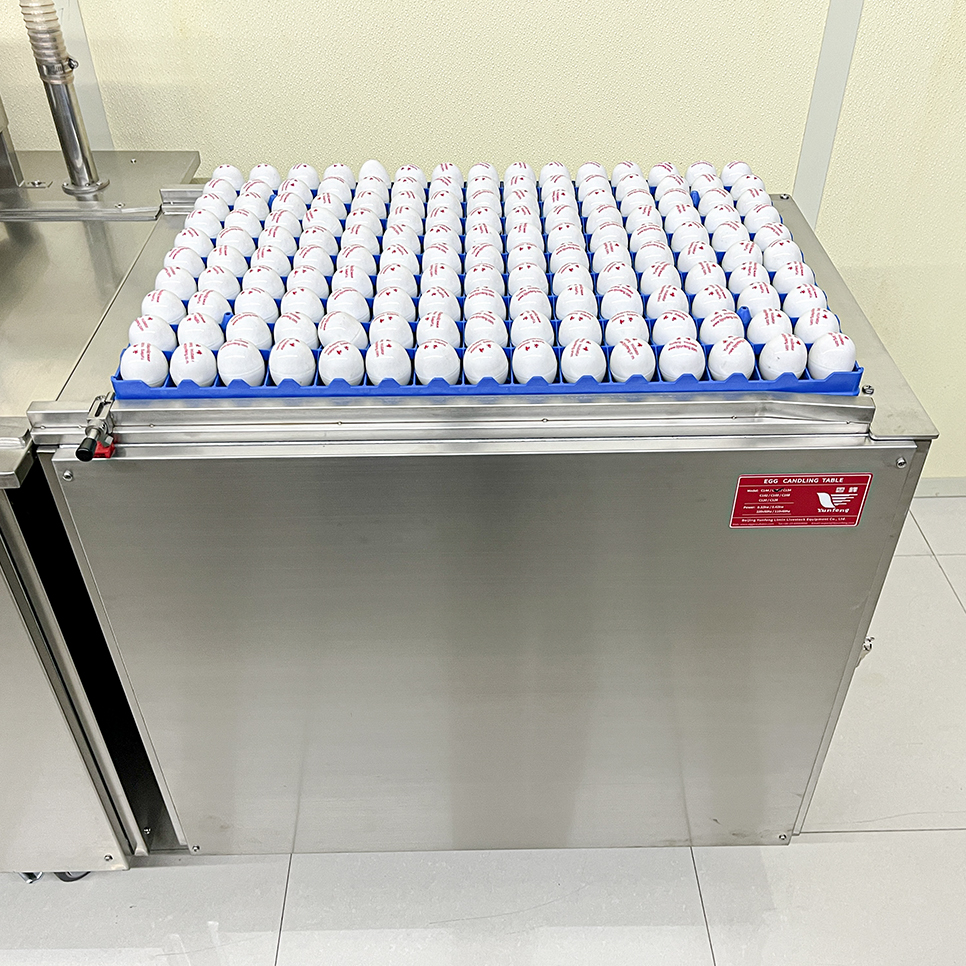 |
- Home
-
Products
- Pig Farming Equipment
- Cattle Farming Equipment
- Sheep & Goat Farming Equipment
- Poultry Farming Equipment
- Feeding & Drinking Systems
- Veterinary & Breeding Equipment
- Testing & Diagnostic Equipment
- Cleaning & Biosecurity Equipment
- Climate Control Equipment
- Livestock Weighing Equipment
- Manure & Waste Management
- Farm Transport & Handling
-
Solutions
- Pig Farm Solutions
- Dairy Farm Solutions
- Beef Cattle Farm Solutions
- Sheep & Goat Farm Solutions
- Layer Farm Solutions
- Broiler Farm Solutions
- Feeding & Drinking System Solutions
- Climate Control Solutions
- Biosecurity & Disinfection Solutions
- Manure & Waste Management
- Smart Farming Solutions
- Farm Renovation and Upgrade Solutions
- Partners
- Projects
- Resources
- News
- About Us
- Contact





Comments & Inquiries
Leave your questions or requirements below. We will reply as soon as possible.