


| Product Name | Egg Candling Scope | ||||||||||||||||||||||
| Product Image | 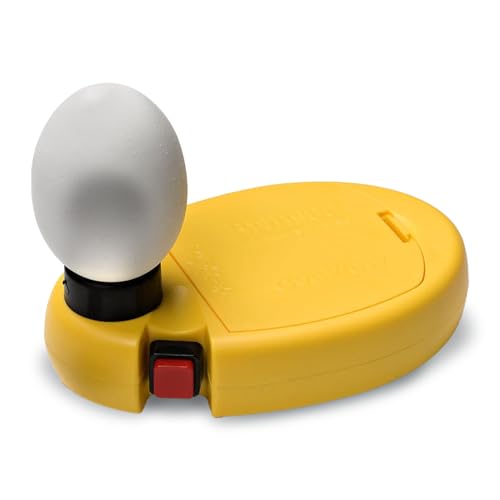 |
||||||||||||||||||||||
| Product Overview | The Egg Candling Scope is a compact poultry incubation inspection device designed to improve observation of embryo development inside fertile eggs. The scope combines concentrated LED illumination with an enclosed viewing chamber that reduces interference from ambient light. Compared with a basic open candling lamp, the enclosed viewing structure can provide clearer observation of blood vessels, embryo development and air-cell changes while allowing the egg to be rotated smoothly during inspection. The equipment is suitable for poultry hatcheries, breeder farms, incubation laboratories, agricultural training centers and hatchery quality-control applications. |
||||||||||||||||||||||
| Key Features |
|
||||||||||||||||||||||
| Structural Components |
|
||||||||||||||||||||||
| Working Principle | During inspection, the egg is positioned against the candling light so that the light passes through the shell and internal contents. The surrounding scope housing blocks much of the ambient room light, allowing internal structures to become easier to observe. The operator views the egg through the upper eyepiece and gently rotates it to examine the air cell, vascular network, embryo position and overall development. Developing fertile eggs typically show blood vessels and progressively increasing embryo mass, while infertile or non-developing eggs may remain relatively clear. Candling can also help hatchery personnel monitor air-cell enlargement as part of incubation humidity management. |
||||||||||||||||||||||
| Technical Specifications |
|
||||||||||||||||||||||
| Applications |
|
||||||||||||||||||||||
| Customization Options | The Egg Candling Scope can be configured according to poultry species, eggshell color, egg dimensions and hatchery inspection requirements. Available options may include standard or high-intensity LED illumination, different egg sealing rings, battery configuration, viewing accessories and camera or webcam compatibility. Product configuration and packaging can be customized according to distributor requirements, hatchery projects and agricultural equipment supply programs. |
||||||||||||||||||||||
| Installation & Maintenance | The egg candling scope normally requires no fixed installation. Place the unit on a stable work surface or use it according to the selected portable configuration. Before inspection, ensure that the viewing chamber, optical surfaces and egg-contact area are clean. Position the egg carefully and avoid excessive pressure on the shell. After use, remove dust and eggshell contamination from the contact ring and housing. Clean optical surfaces with suitable non-abrasive materials and inspect the LED light, battery contacts and sealing components periodically. For hatchery biosecurity, the external surfaces and egg-contact areas should be cleaned according to the facility's sanitation procedure. |
||||||||||||||||||||||
| Project Cases | In breeder and hatchery operations, egg candling scopes can be used as supplementary inspection tools for checking individual eggs that require closer examination after routine tray candling. They are also useful in smaller incubation projects where operators need a portable device for checking fertility, embryo viability and air-cell development without installing a large automatic candling station. For poultry training centers and research facilities, camera-compatible configurations can support demonstrations, documentation and embryo-development observation. |
||||||||||||||||||||||
| Product FAQ | Q: What is an egg candling scope used for? A: It is used to illuminate and observe the interior of fertile eggs so operators can monitor embryo development, blood vessels, air-cell size and possible incubation problems. Q: What is the difference between an egg candler and an egg candling scope? A: A basic candler provides concentrated light through the shell. A candling scope adds an enclosed viewing chamber that blocks ambient light and can provide slight magnification for clearer observation. Q: Can it be used without completely darkening the room? A: The enclosed housing significantly reduces ambient light, although lower room lighting may further improve visibility when inspecting difficult eggs. Q: Can it be used for dark or mottled eggs? A: Yes. A high-intensity LED configuration is recommended for darker, thicker or mottled shells. Q: Can different egg sizes be inspected? A: Yes. Interchangeable or flexible sealing rings can be selected according to egg dimensions and equipment configuration. Q: Does LED candling generate excessive heat? A: High-efficiency LED light sources produce considerably less heat than traditional incandescent candling lamps, making them well suited to short embryo-inspection procedures. Q: Can the scope be connected to a camera? A: Camera or webcam compatibility is available on selected configurations and can be supplied according to project requirements. |
||||||||||||||||||||||
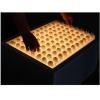
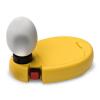
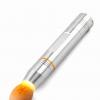
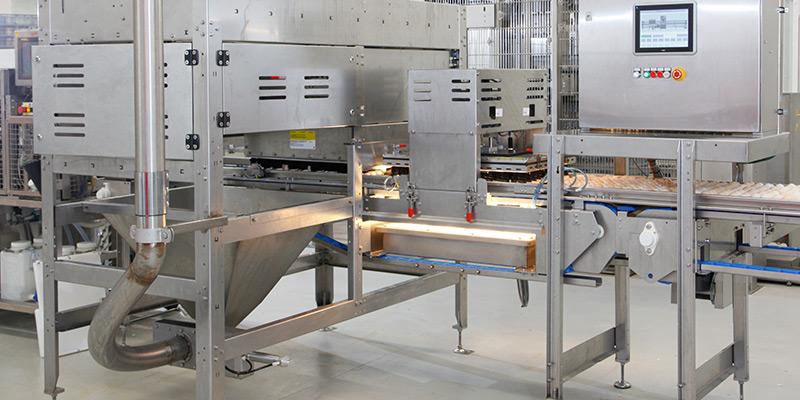
| Product Gallery | 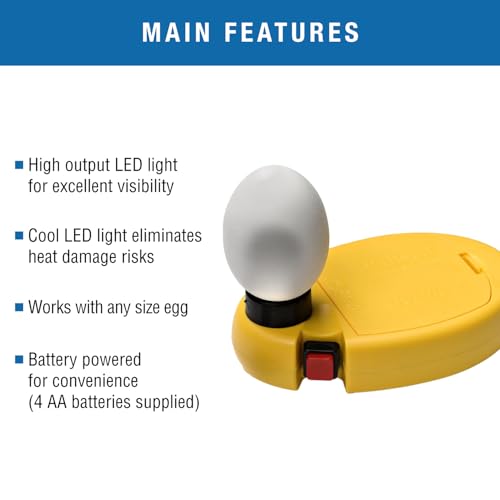 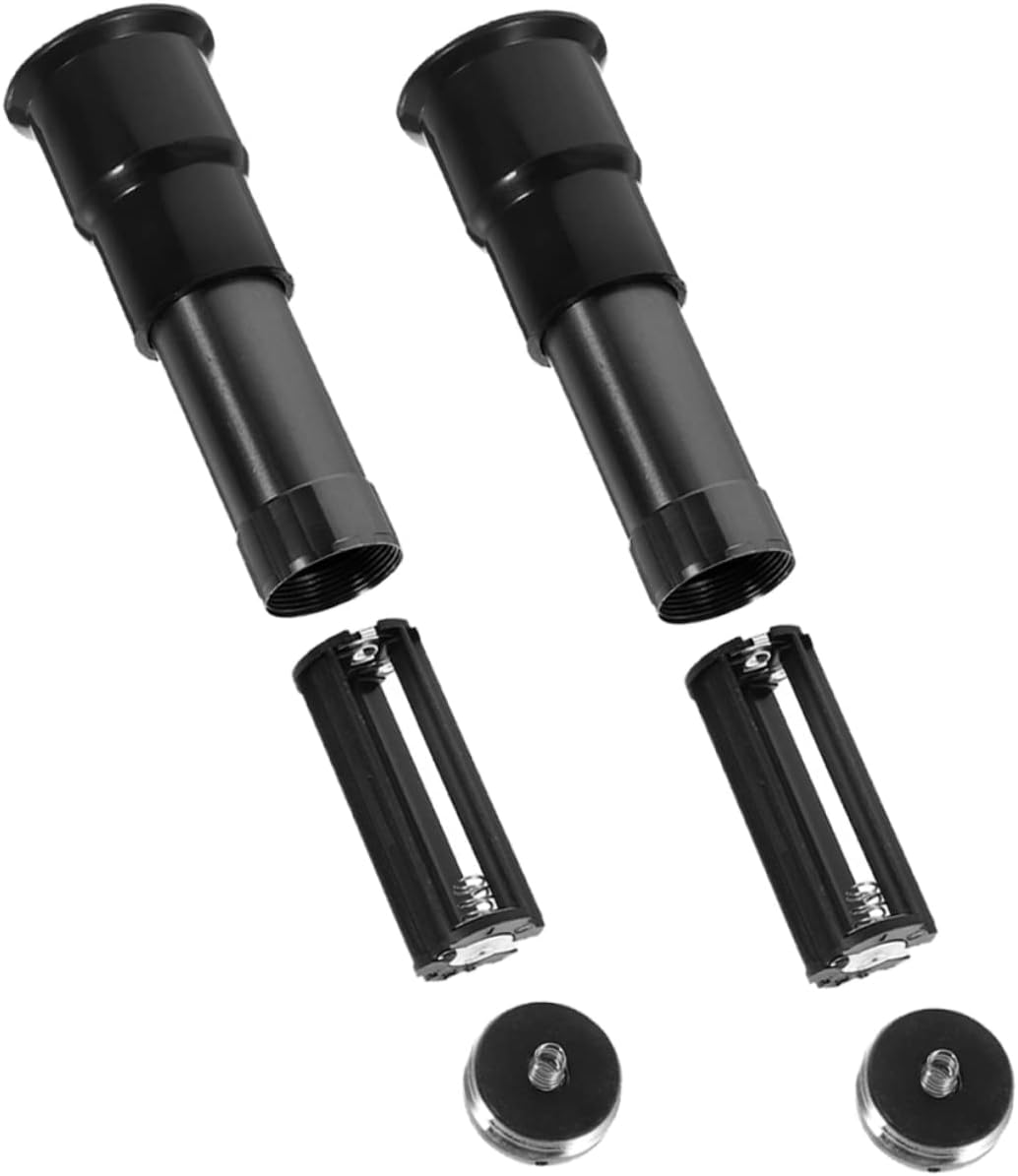 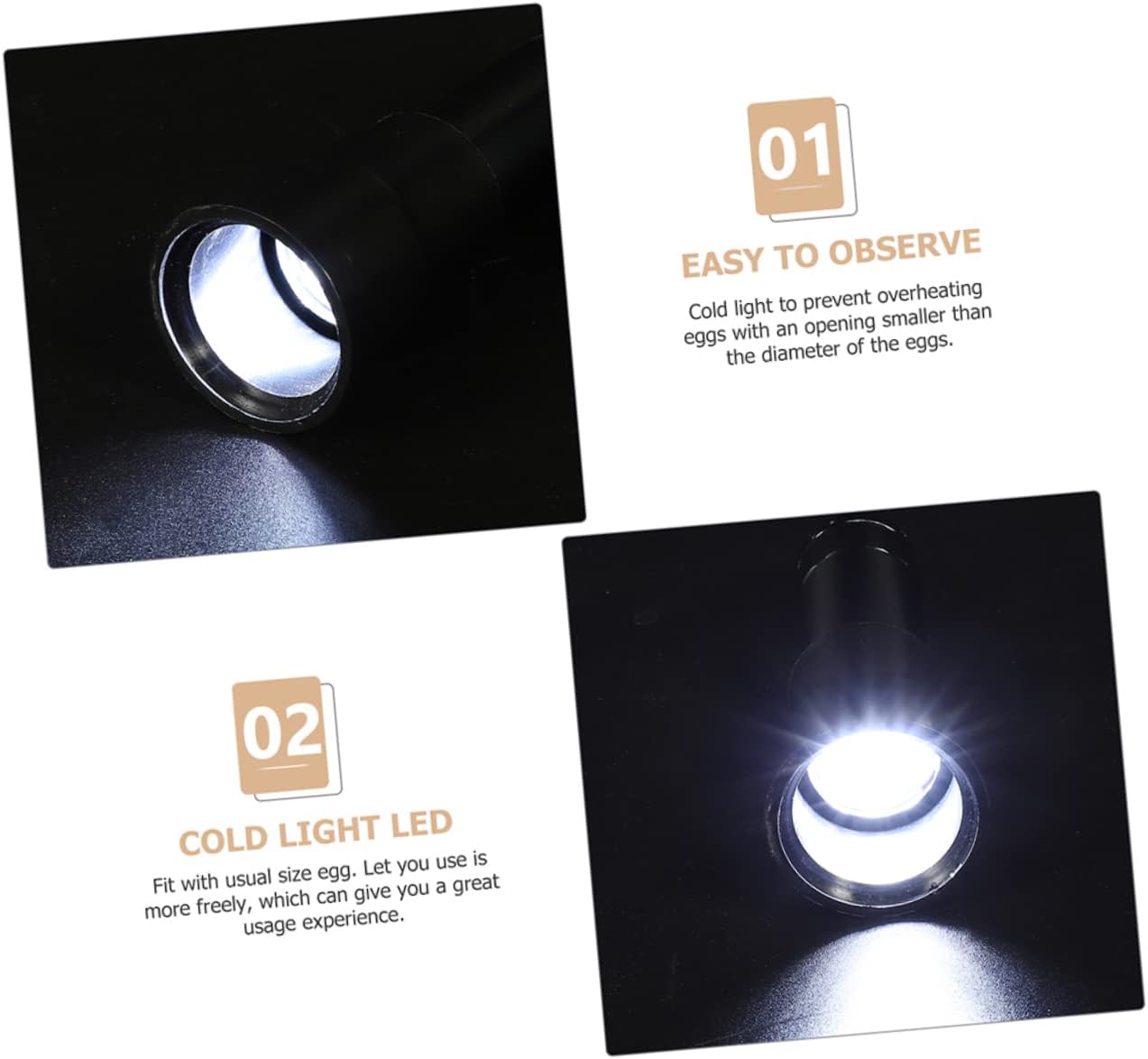 |
- Home
-
Products
- Pig Farming Equipment
- Cattle Farming Equipment
- Sheep & Goat Farming Equipment
- Poultry Farming Equipment
- Feeding & Drinking Systems
- Veterinary & Breeding Equipment
- Testing & Diagnostic Equipment
- Cleaning & Biosecurity Equipment
- Climate Control Equipment
- Livestock Weighing Equipment
- Manure & Waste Management
- Farm Transport & Handling
-
Solutions
- Pig Farm Solutions
- Dairy Farm Solutions
- Beef Cattle Farm Solutions
- Sheep & Goat Farm Solutions
- Layer Farm Solutions
- Broiler Farm Solutions
- Feeding & Drinking System Solutions
- Climate Control Solutions
- Biosecurity & Disinfection Solutions
- Manure & Waste Management
- Smart Farming Solutions
- Farm Renovation and Upgrade Solutions
- Partners
- Projects
- Resources
- News
- About Us
- Contact


Comments & Inquiries
Leave your questions or requirements below. We will reply as soon as possible.