



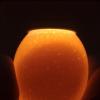
| Product Name | High-Intensity Egg Candler | ||||||||||||||||||||
| Product Image |  |
||||||||||||||||||||
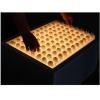
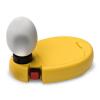
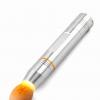
| Product Overview | The High-Intensity Egg Candler is a portable poultry hatchery inspection tool designed to illuminate fertile eggs during incubation. Its concentrated LED light helps operators observe internal egg characteristics without opening or damaging the shell. The higher light output is particularly useful for eggs with dark, colored or mottled shells that can be difficult to inspect with standard candling lamps. Typical applications include fertility screening, embryo development observation, blood-vessel assessment and air-cell monitoring. The compact unit can be operated by hand or placed on a work surface, making it suitable for breeder farms, hatchery inspection rooms, poultry research facilities and routine egg quality-control stations. |
||||||||||||||||||||
| Key Features |
|
||||||||||||||||||||
| Structural Components |
|
||||||||||||||||||||
| Working Principle | The egg is positioned against the flexible inspection ring so that the high-intensity light enters through the shell while surrounding light leakage is minimized. For best visibility, candling is normally carried out in a darkened or low-light inspection area. When illuminated, clear or infertile eggs can be distinguished from developing eggs, while blood vessels, embryo shadows and changes in the air cell may become visible according to the stage of incubation and shell characteristics. The egg should be handled gently and inspection time should be kept practical to reduce unnecessary disturbance to the incubation process. |
||||||||||||||||||||
| Technical Specifications |
|
||||||||||||||||||||
| Applications |
|
||||||||||||||||||||
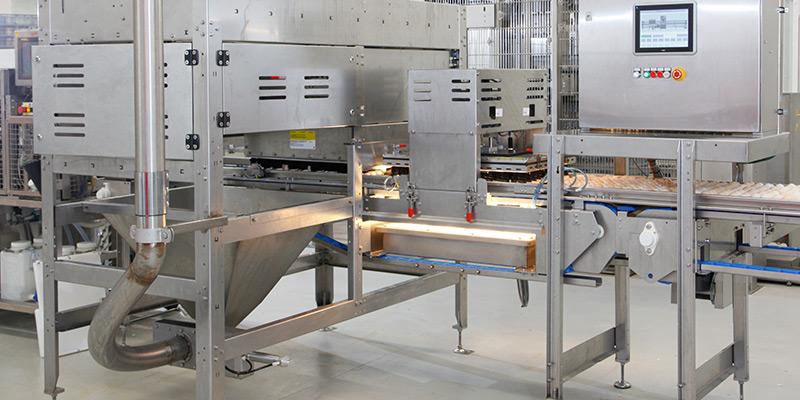
| Customization Options | Configurations can be selected according to poultry species, egg dimensions, shell color and hatchery inspection requirements. Available options may include different egg-contact ring dimensions, battery configuration, packaging and accessories. Larger hatchery projects can also combine hand-held candlers with dedicated egg inspection workstations according to project requirements. |
||||||||||||||||||||
| Installation & Maintenance | No fixed installation is normally required. Insert the specified batteries, select the appropriate egg-contact ring and operate the unit in a darkened or low-light inspection area. Keep the light aperture and flexible rings clean so that dirt and hatchery residue do not reduce light transmission. Wipe external surfaces using cleaning procedures compatible with the equipment material and farm biosecurity requirements. Check rechargeable batteries regularly and remove them during extended storage. Avoid looking directly into the high-intensity light source. |
||||||||||||||||||||
| Project Cases | In commercial hatchery quality-control workflows, a high-intensity egg candler can be positioned near incubators or egg-transfer areas for rapid manual evaluation of selected eggs. For breeder farms and smaller hatcheries, the portable design allows one inspection device to serve multiple incubators or egg rooms. In larger poultry projects, several units can be distributed among egg receiving, incubation and quality-control workstations according to operational requirements. |
||||||||||||||||||||
| Product FAQ | Q: What is a high-intensity egg candler used for? A: It is used to illuminate poultry eggs so operators can assess fertility, embryo development and air-cell condition during incubation. Q: Why use a high-intensity model instead of a standard candler? A: Higher light output improves visibility through dark, colored or mottled eggshells that are more difficult to inspect with lower-output lamps. Q: When can fertility normally be checked? A: For many poultry eggs, useful fertility assessment can begin after several days of incubation; the reference manufacturer's instructions indicate approximately seven days as a typical inspection point. Q: Can it be used for small eggs? A: Yes. A smaller flexible inspection ring can be used to improve light sealing around smaller eggs such as quail eggs. Q: Does LED candling heat the egg? A: High-efficiency LED illumination produces substantially less unwanted heat than traditional high-temperature lamp designs, making it suitable for short routine inspections. Q: Can it be used without mains electricity? A: Yes. Battery-powered configurations provide cordless operation for hatchery and farm use. Q: Can the candler monitor incubation humidity? A: Candling allows operators to observe changes in the egg's air cell, which can be used as one indicator when evaluating moisture loss and incubation humidity management. |
||||||||||||||||||||
| Product Gallery |   |
- Home
-
Products
- Pig Farming Equipment
- Cattle Farming Equipment
- Sheep & Goat Farming Equipment
- Poultry Farming Equipment
- Feeding & Drinking Systems
- Veterinary & Breeding Equipment
- Testing & Diagnostic Equipment
- Cleaning & Biosecurity Equipment
- Climate Control Equipment
- Livestock Weighing Equipment
- Manure & Waste Management
- Farm Transport & Handling
-
Solutions
- Pig Farm Solutions
- Dairy Farm Solutions
- Beef Cattle Farm Solutions
- Sheep & Goat Farm Solutions
- Layer Farm Solutions
- Broiler Farm Solutions
- Feeding & Drinking System Solutions
- Climate Control Solutions
- Biosecurity & Disinfection Solutions
- Manure & Waste Management
- Smart Farming Solutions
- Farm Renovation and Upgrade Solutions
- Partners
- Projects
- Resources
- News
- About Us
- Contact



Comments & Inquiries
Leave your questions or requirements below. We will reply as soon as possible.