
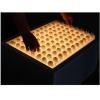
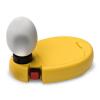
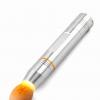
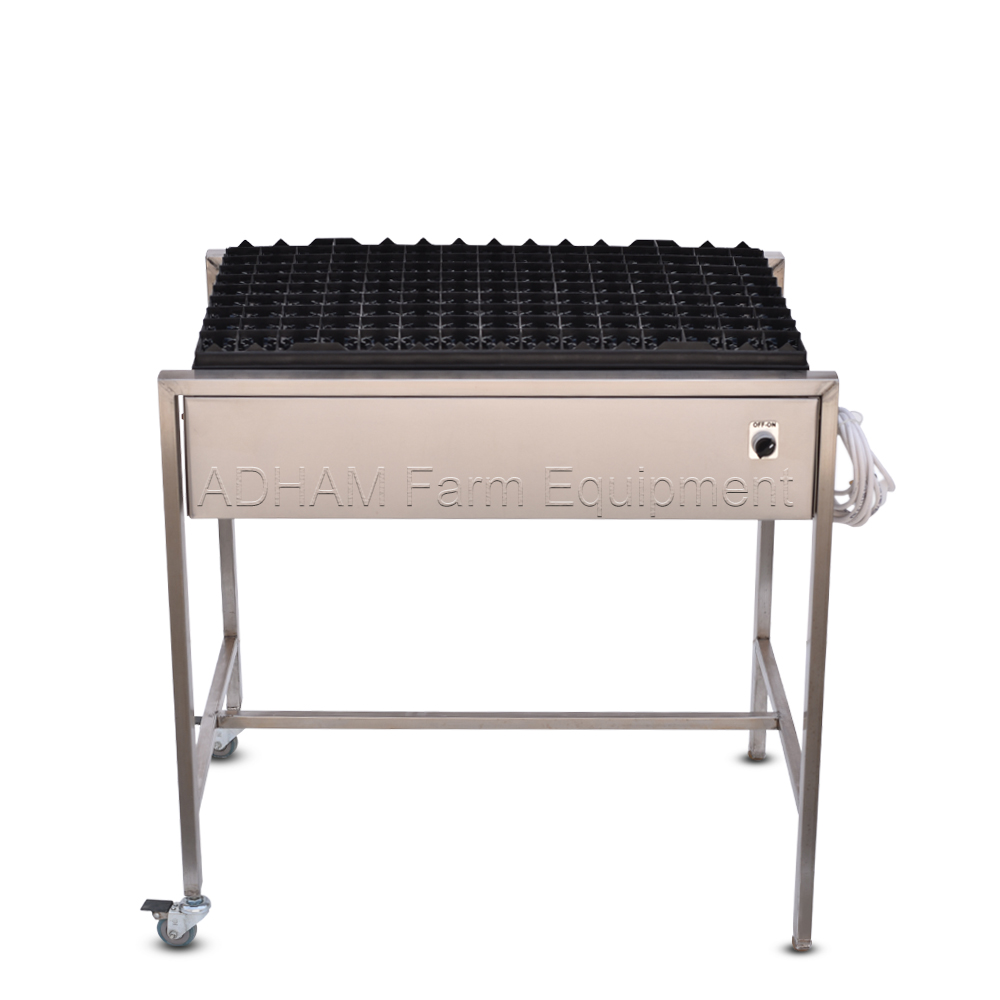
| Product Name | High-Intensity Egg Candling Scope | ||||||||||||||||||||
| Product Image |  |
||||||||||||||||||||
| Product Overview | The High-Intensity Egg Candling Scope is a compact poultry hatchery inspection tool designed to illuminate fertile eggs without opening or breaking the shell. A concentrated LED beam passes through the egg so hatchery personnel can observe the air cell, vascular development, embryo growth and other internal characteristics. The combination of a high-output LED and focused optical lens provides stronger illumination than basic candling lamps, making the tool particularly useful for darker, thicker or speckled shells where internal structures may otherwise be difficult to observe. Interchangeable flexible egg-contact caps can accommodate different egg sizes while reducing light leakage around the shell. The scope is suitable for hatcheries, breeder farms, poultry research facilities, incubation projects and routine quality-control work. |
||||||||||||||||||||
| Key Features |
|
||||||||||||||||||||
| Structural Components |
|
||||||||||||||||||||
| Working Principle | The egg is placed against the flexible inspection cap while the high-intensity LED directs a concentrated beam through the shell. The cap conforms to the egg surface and helps block external light, improving visual contrast. When the egg is illuminated, the operator can examine features such as the air cell, developing blood vessels, embryo shadow and changes associated with incubation progress. Eggs should be handled gently and returned promptly to the incubation environment after inspection. For best visibility, candling should be carried out in a darkened or low-light area. Inspection criteria and timing should follow the hatchery's species-specific incubation management program. |
||||||||||||||||||||
| Technical Specifications |
|
||||||||||||||||||||
| Applications |
|
||||||||||||||||||||
| Customization Options | Product configuration can be selected according to poultry species, egg size, operating environment and destination market. Available options may include egg-contact cap dimensions, power adapter standard, battery operation, packaging configuration and accessory sets. Private-label and bulk packaging solutions are available upon request for distributors and agricultural project buyers. |
||||||||||||||||||||
| Operation & Maintenance | Use the scope in a darkened inspection area whenever possible. Position the egg gently against the rubber cap and avoid excessive pressure on the shell. Keep candling periods reasonably short so eggs are not unnecessarily removed from their controlled incubation environment. Clean the egg-contact cap regularly, especially when the unit is used across multiple incubation batches. Inspect the lens, LED housing, electrical lead, adapter and battery compartment periodically. Keep the optical surface free from dust and moisture to maintain maximum light transmission. Do not look directly into the high-intensity LED or point the illuminated lens toward the eyes. |
||||||||||||||||||||
| Project Cases | In commercial hatchery projects, handheld high-intensity candlers can be used for sampling, troubleshooting and individual egg examination alongside setters, hatchers and dedicated egg inspection stations. They are particularly useful when operators need to inspect individual eggs without installing a complete conveyor candling line. For breeder farms and smaller hatchery rooms, portable battery operation also allows inspection at different incubation areas without relocating egg trays over long distances. |
||||||||||||||||||||
| Product FAQ | Q: What is a high-intensity egg candling scope used for? A: It shines concentrated light through an eggshell so the operator can examine internal features such as the air cell, blood vessels and developing embryo. Q: Can it inspect dark or speckled eggs? A: A high-output LED and focused lens can improve visibility through darker and speckled shells compared with lower-output candling lights. Q: Can the same unit be used for different egg sizes? A: Yes. Interchangeable flexible caps can be supplied for smaller and larger poultry eggs. Q: Does LED candling produce high heat? A: LED technology generally produces substantially less radiant heat at the egg-contact area than traditional incandescent candling lamps, making it suitable for short inspection periods. Q: Can the scope be used without mains power? A: Portable battery operation is available on compatible configurations. Q: Is this a replacement for an automatic hatchery candling line? A: No. This handheld scope is intended primarily for individual inspection, sampling, troubleshooting and lower-volume candling applications. Q: What information is required for quotation? A: Recommended information includes poultry species, egg size range, required quantity, destination power-plug standard and any distributor packaging requirements. |
||||||||||||||||||||
| Product Gallery | |
- Home
-
Products
- Pig Farming Equipment
- Cattle Farming Equipment
- Sheep & Goat Farming Equipment
- Poultry Farming Equipment
- Feeding & Drinking Systems
- Veterinary & Breeding Equipment
- Testing & Diagnostic Equipment
- Cleaning & Biosecurity Equipment
- Climate Control Equipment
- Livestock Weighing Equipment
- Manure & Waste Management
- Farm Transport & Handling
-
Solutions
- Pig Farm Solutions
- Dairy Farm Solutions
- Beef Cattle Farm Solutions
- Sheep & Goat Farm Solutions
- Layer Farm Solutions
- Broiler Farm Solutions
- Feeding & Drinking System Solutions
- Climate Control Solutions
- Biosecurity & Disinfection Solutions
- Manure & Waste Management
- Smart Farming Solutions
- Farm Renovation and Upgrade Solutions
- Partners
- Projects
- Resources
- News
- About Us
- Contact


Comments & Inquiries
Leave your questions or requirements below. We will reply as soon as possible.