
| Product Name | Twin-Bin Auger Feed Delivery System | ||||||||||||||||||||||||||||||
| Product Image |  |
||||||||||||||||||||||||||||||
| Product Overview |
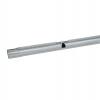
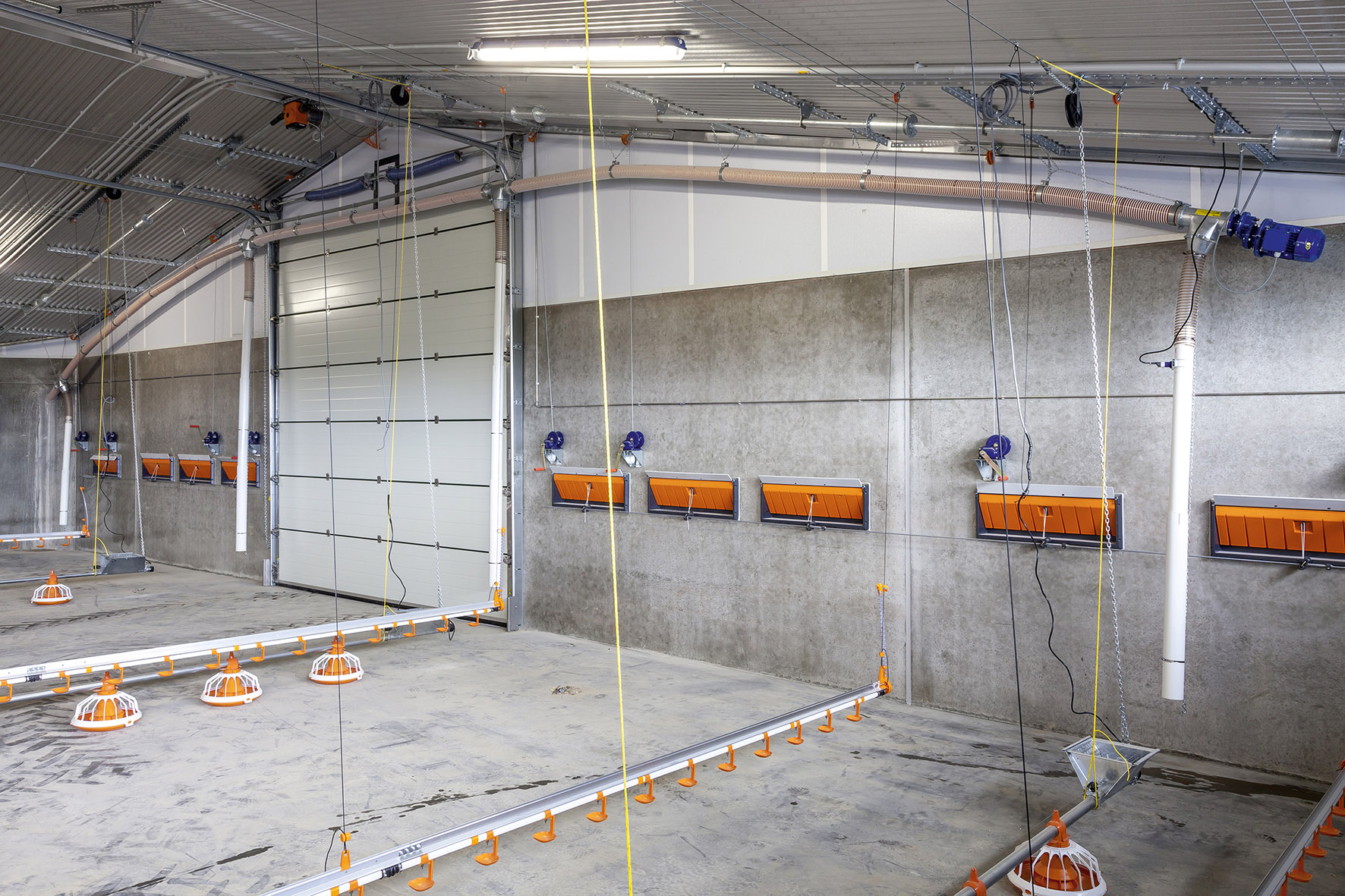
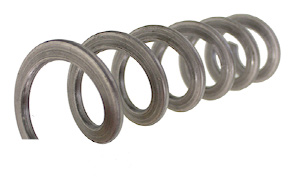
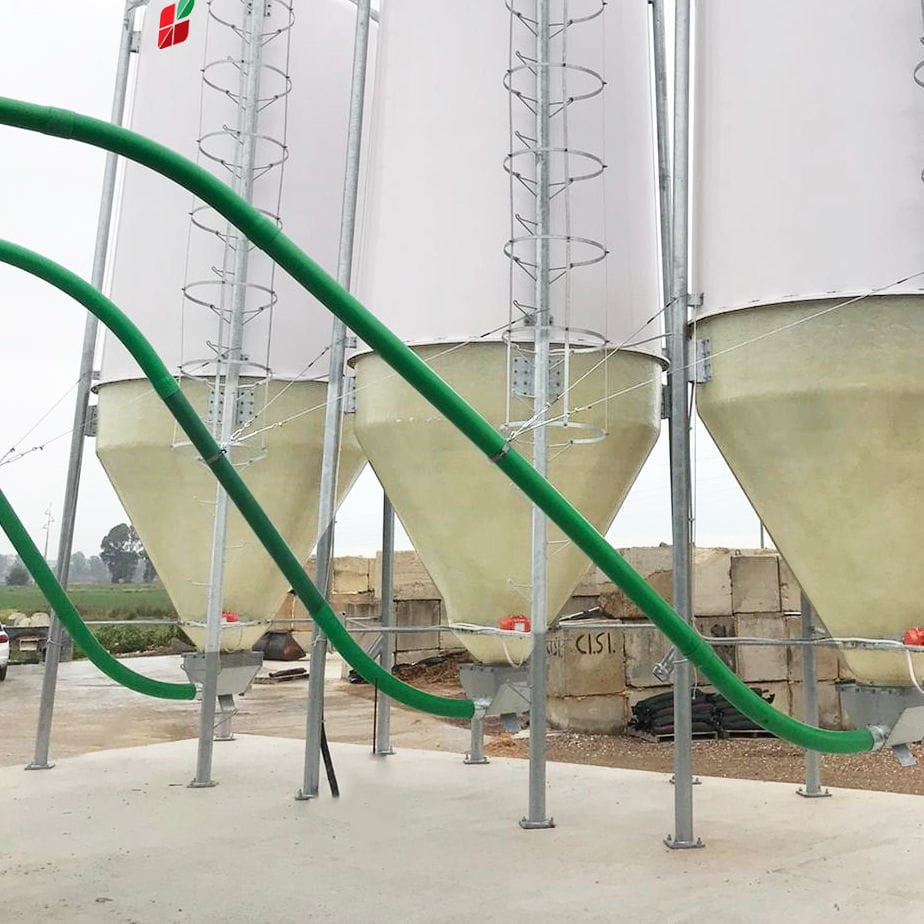
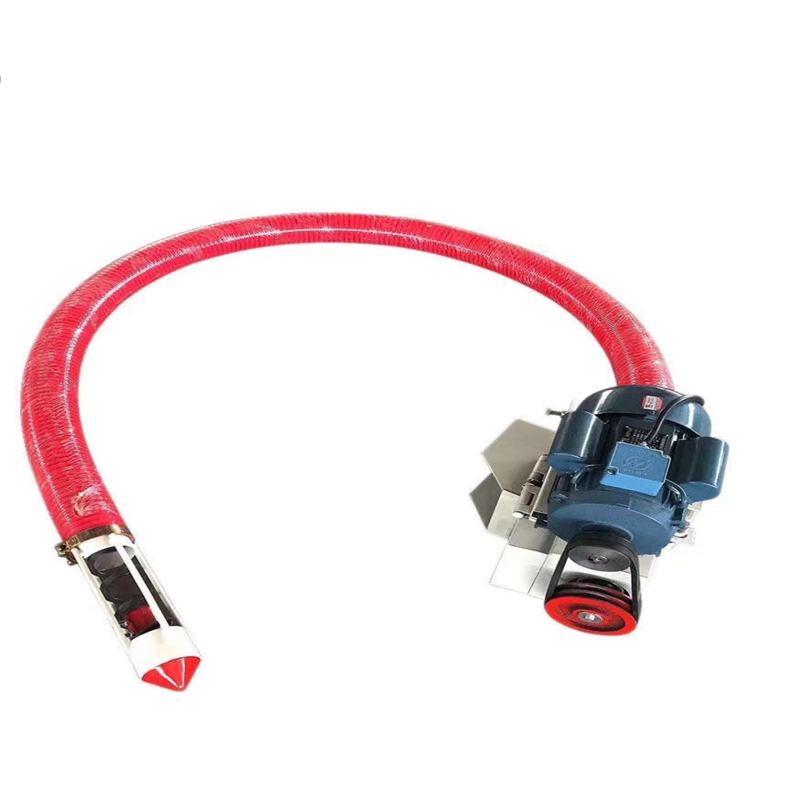
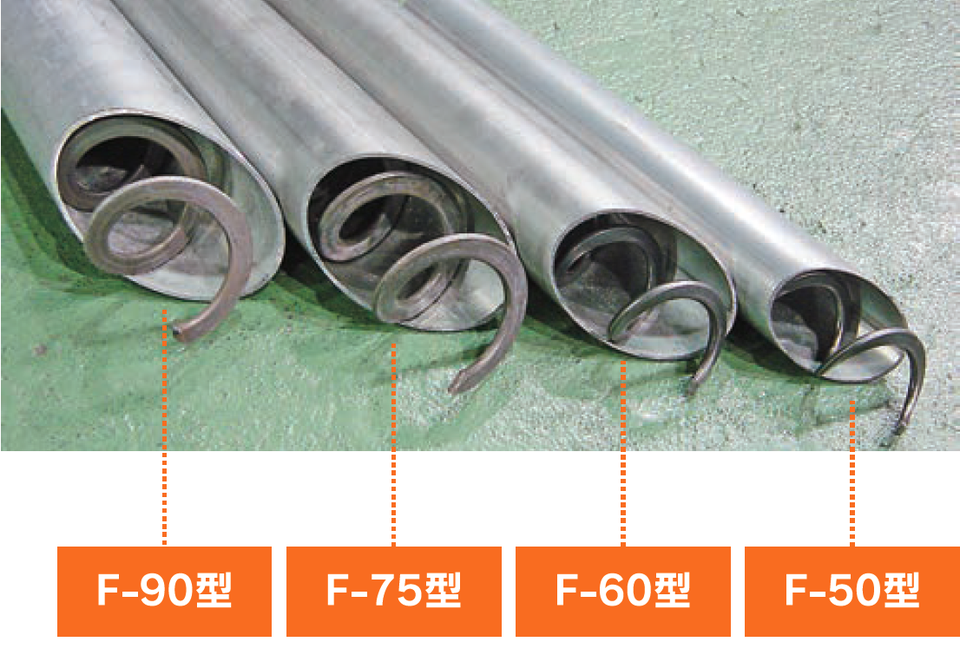
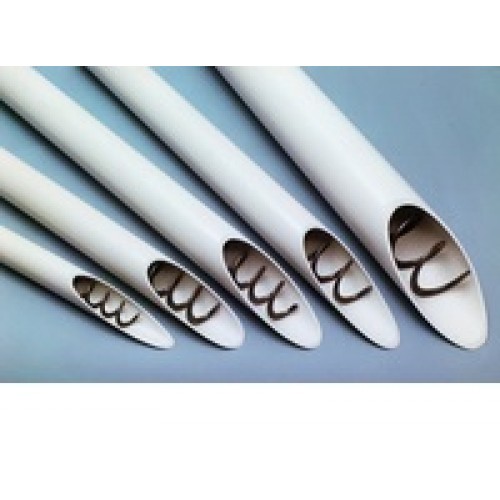
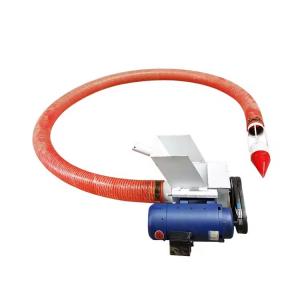
The Twin-Bin Auger Feed Delivery System is an enclosed automatic feed conveying solution designed to transfer dry feed from two outdoor storage bins or silos to feeding equipment inside commercial pig houses and other livestock buildings. A flexible spring auger rotates inside a compatible conveying tube and moves feed from the selected silo discharge point toward barn hoppers, feed drops, dispensers or other downstream feeding equipment. The twin-bin arrangement provides additional feed storage and can also support projects requiring two feed sources or different feed formulations. The modular system is suitable for new pig farm construction, livestock equipment modernization and steel structure building projects. Silo arrangement, auger diameter, conveying route, motor configuration, control system and feed outlet layout can be designed according to project requirements. |
||||||||||||||||||||||||||||||
| Key Features |
|
||||||||||||||||||||||||||||||
| Structural Components |
|
||||||||||||||||||||||||||||||
| Working Principle |
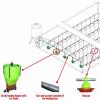
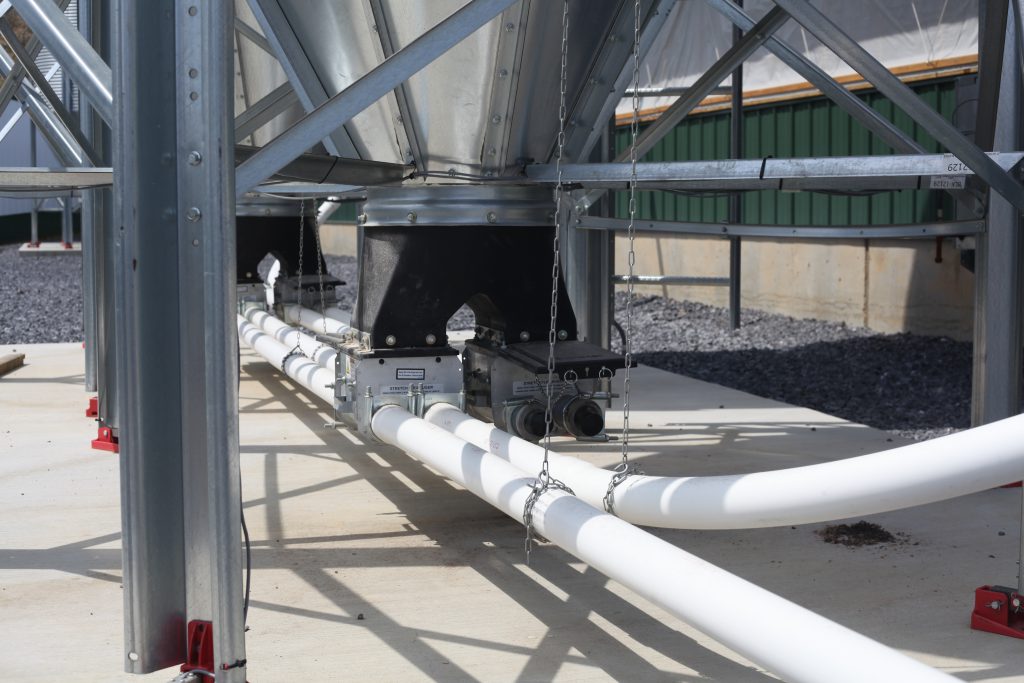
Dry feed stored in either of the two silos moves by gravity through the silo transition and bin boot into the auger conveying tube. A motor-driven flexible spiral rotates inside the tube and continuously carries the feed toward the livestock building. The twin-bin arrangement can be configured so that the operator or an automatic control system selects the required feed source. Depending on project design, the second bin can provide additional storage, backup feed supply or a different feed formulation. Inside the pig house, feed is discharged through selected outlets into hoppers, feeding machines, sow dispensers or other feeding equipment. A level sensor installed at the control point can stop the drive motor when sufficient feed is available and restart the system when additional feed is required. Automatic boot slide actuators can also be incorporated into suitable systems to manage feed inventory and change the active silo while reducing the risk of the feeding line running empty. |
||||||||||||||||||||||||||||||
| Technical Specifications |
|
||||||||||||||||||||||||||||||
| Applications |
|
||||||||||||||||||||||||||||||
| Customization Options |
|
||||||||||||||||||||||||||||||
| Installation & Maintenance |
System Planning: Confirm silo positions, feed type, bulk density, required conveying rate, route length, elevation changes, curve quantity, feed outlet locations and barn layout before equipment selection. Silo and Boot Installation: Feed bins should be installed on suitable foundations. Transitions and boots must be correctly aligned so feed can enter the auger without unnecessary restriction. Auger Tube Installation: Conveying tubes should follow smooth routes with properly supported curves. Excessive bends or unsupported sections should be avoided because they can increase auger wear and drive load. Drive Unit: Install the motor and control unit at the specified end of the line with sufficient access for inspection, tension adjustment and routine maintenance. Sensor Commissioning: Feed level switches and bin-selection controls should be tested before normal operation to confirm correct automatic start, stop and feed-source selection. Routine Maintenance: Periodically inspect the flexible auger, tube wear areas, elbows, bin boots, bearings, motor, electrical controls and suspension hardware. Remove accumulated feed where necessary and replace worn components before they affect feed delivery reliability. |
||||||||||||||||||||||||||||||
| Project Applications |
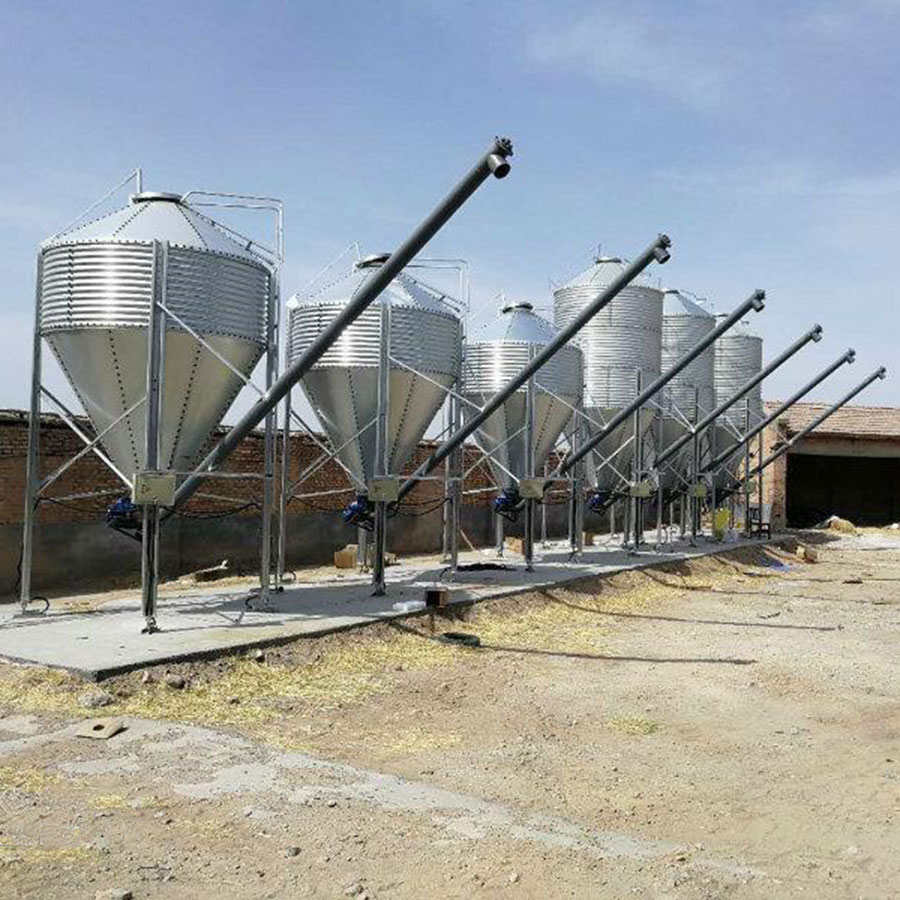
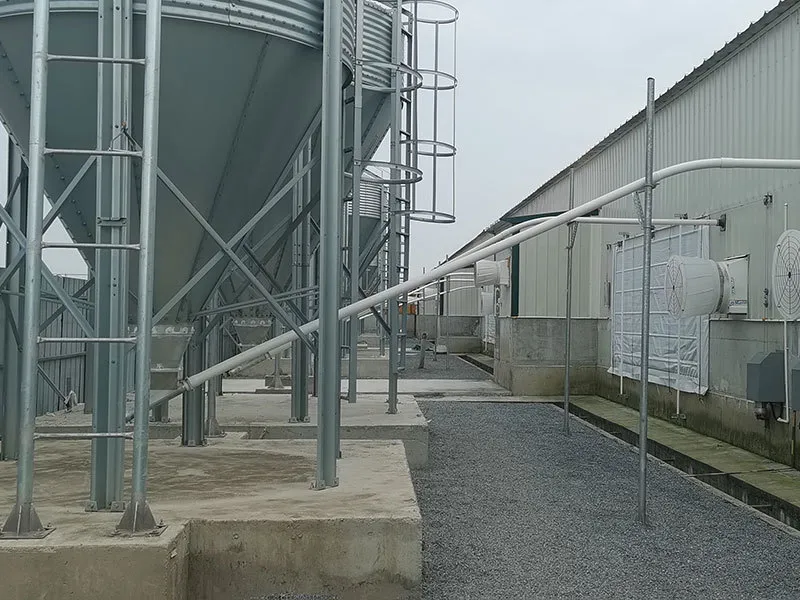
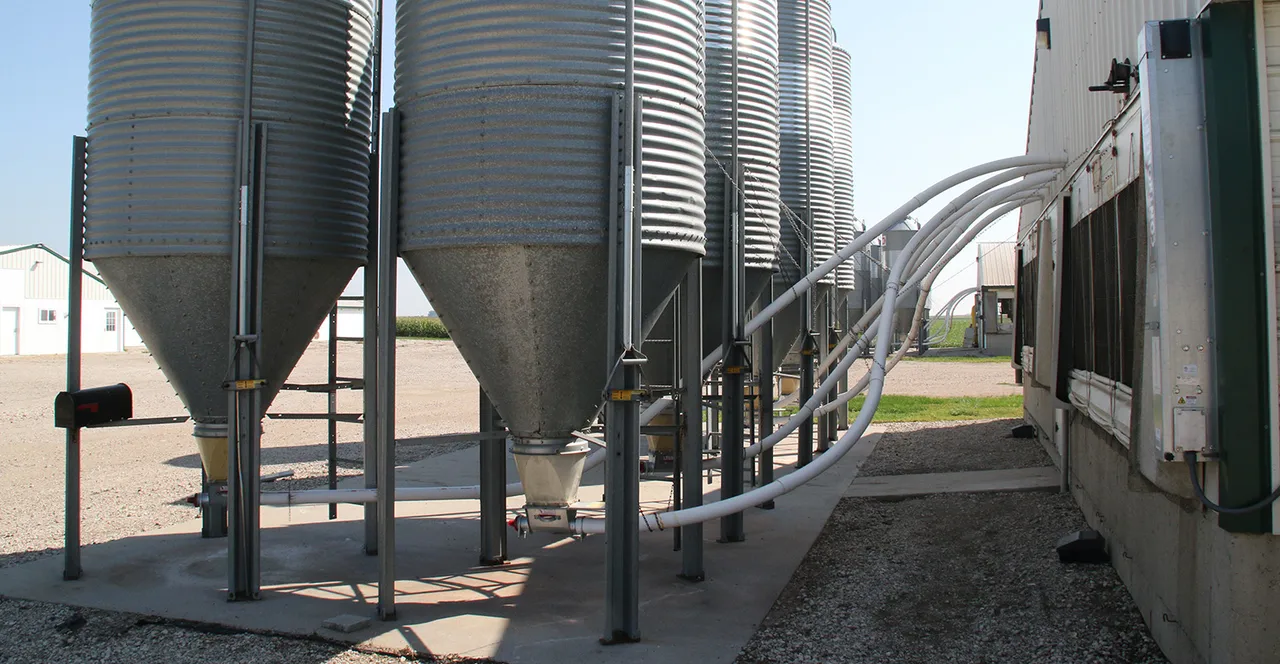
A typical commercial pig farm installation uses two outdoor galvanized feed silos positioned beside the livestock building. Each silo is connected through a transition and boot to the flexible auger feed delivery system. For farms using one common ration, the second bin can increase available storage and provide operational flexibility during feed deliveries. For projects using different diets, a suitable tandem or independently controlled arrangement can be designed so that feed selection follows the production program. The final configuration should be engineered according to animal population, daily feed demand, silo capacity, barn dimensions, feeding equipment and required automation level. |
||||||||||||||||||||||||||||||
| Product FAQ |
Q: Why use two feed bins instead of one? A: A twin-bin system can provide increased storage, backup feed capacity or separate storage for different feed formulations. The preferred arrangement depends on the farm feeding program. Q: Can the system automatically switch from one silo to another? A: Yes. Compatible automatic boot slide actuators and control equipment can be configured to change the active feed bin according to feed inventory or operating conditions. Q: What types of feed can a flexible auger convey? A: Flexible auger systems are commonly used with suitable dry livestock feeds including mash, pellets and crumbles. The auger model should be selected according to feed particle size, density and required capacity. Q: Can the system be used with an existing feed silo? A: Yes, in many projects. The existing silo outlet, transition, foundation, available space and required conveying route should be checked before confirming compatibility. Q: Can one auger line supply several feeding points? A: Yes. Feed outlets can be positioned along compatible sections of the conveying line to supply selected hoppers, dispensers or feeding equipment according to the barn layout. Q: Can the system work with feed level sensors? A: Yes. A compatible level sensor can automatically request feed and control auger operation, helping maintain feed availability at the designated downstream point. Q: What information is required for quotation? A: Please provide pig house dimensions, animal quantity, silo capacity, feed type, required conveying capacity, route length, elevation changes, curve quantity, feed outlet quantity, voltage, frequency and a farm layout or drawing if available. |
||||||||||||||||||||||||||||||
| Product Gallery |
|
- Home
-
Products
- Pig Farming Equipment
- Cattle Farming Equipment
- Sheep & Goat Farming Equipment
- Poultry Farming Equipment
- Feeding & Drinking Systems
- Veterinary & Breeding Equipment
- Testing & Diagnostic Equipment
- Cleaning & Biosecurity Equipment
- Climate Control Equipment
- Livestock Weighing Equipment
- Manure & Waste Management
- Farm Transport & Handling
-
Solutions
- Pig Farm Solutions
- Dairy Farm Solutions
- Beef Cattle Farm Solutions
- Sheep & Goat Farm Solutions
- Layer Farm Solutions
- Broiler Farm Solutions
- Feeding & Drinking System Solutions
- Climate Control Solutions
- Biosecurity & Disinfection Solutions
- Manure & Waste Management
- Smart Farming Solutions
- Farm Renovation and Upgrade Solutions
- Partners
- Projects
- Resources
- News
- About Us
- Contact

Comments & Inquiries
Leave your questions or requirements below. We will reply as soon as possible.