

| Product Name | Feed Tube Clamp | ||||||||||||||||||||||
| Product Image | 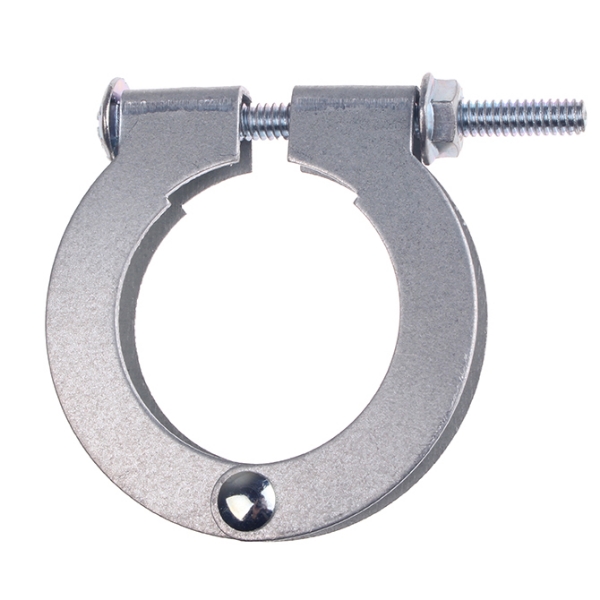 |
||||||||||||||||||||||
| Product Overview |
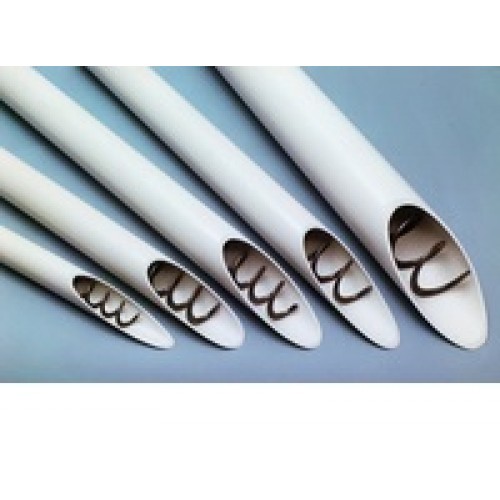
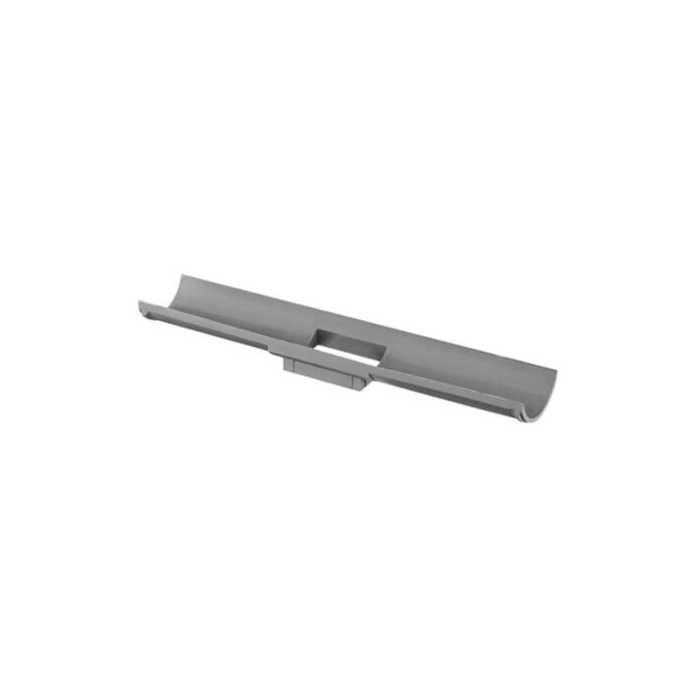
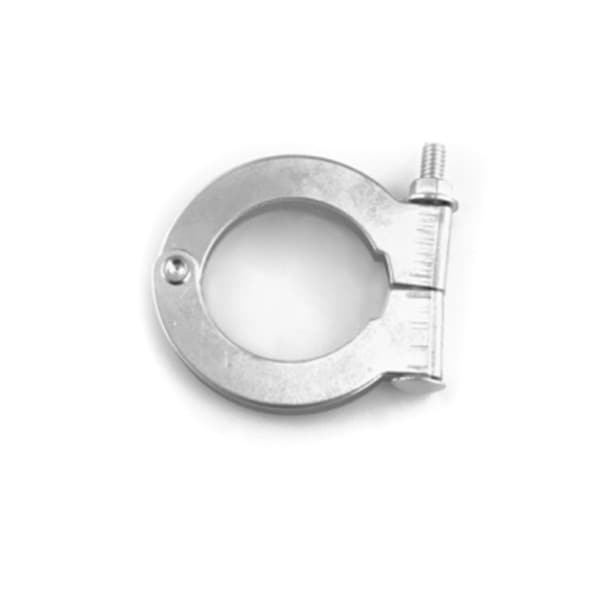
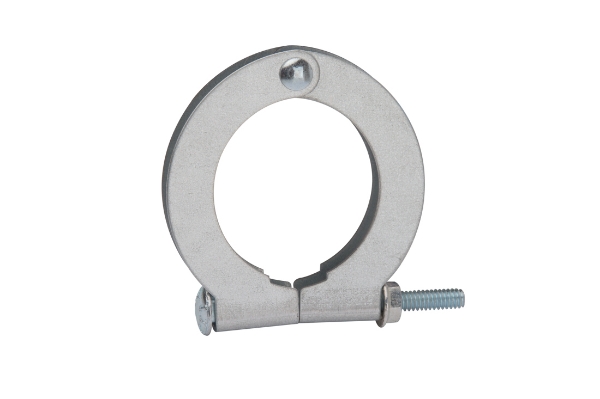
The Feed Tube Clamp is a fastening component designed to connect, secure and stabilize tube joints in automatic poultry and livestock feeding systems. It is commonly installed around the joint between two feed tubes, helping maintain correct tube alignment while supporting reliable auger or feed-line operation. The clamp typically uses a circular or hinged galvanized steel body with a bolt-and-nut fastening mechanism. After the adjoining tubes are correctly inserted and aligned, the clamp is positioned over the joint and tightened to create a stable mechanical connection. Feed tube clamps are used throughout pan feeding lines, flexible auger systems and related feed conveying equipment. Depending on the system design, standard clamps can be combined with anti-roost brackets, suspension hardware and other feed-line accessories. The product is suitable for new livestock equipment installations, poultry farm construction, pig farm auxiliary feed conveying projects and modernization of existing steel structure farm buildings. |
||||||||||||||||||||||
| Key Features |
|
||||||||||||||||||||||
| Structural Components |
|
||||||||||||||||||||||
| Structural Principle |
Two adjoining feed tubes are first positioned so that the straight tube end is correctly inserted into the expanded or connecting end of the adjacent tube. The clamp is then centered over the joint area. When the fastening bolt and nut are tightened, the circular clamp applies radial holding force around the tube connection. This stabilizes the joint and helps maintain alignment while the internal auger or feed conveying element operates through the tube. The clamp should secure the connection firmly without deforming or crushing the feed tube. Correct installation is particularly important on long suspended feeding lines where multiple tube sections form one continuous conveying path. |
||||||||||||||||||||||
| Technical Specifications |
|
||||||||||||||||||||||
| Applications |
|
||||||||||||||||||||||
| Customization Options |
|
||||||||||||||||||||||
| Installation & Maintenance |
Tube Preparation: Confirm that adjoining feed tubes are clean, correctly oriented and free from deformation before connecting the joint. Tube Connection: Insert the straight end of one tube fully into the connecting or expanded end of the next tube according to the feeding-system design. Clamp Position: Place the clamp at the specified location over the tube joint. Correct positioning helps maintain a straight and stable feed-line connection. Final Tightening: Level and align the complete feed line before fully tightening the clamp. Tighten securely while avoiding excessive force that could crush or distort the tube. Suspended Feed Lines: Confirm that tube hangers, suspension cables and clamp positions are correctly arranged before raising the complete feeding line. Routine Maintenance: Periodically inspect clamps for loose nuts, corrosion, distortion or movement at tube joints. Retighten or replace damaged components when required. |
||||||||||||||||||||||
| Project Applications |
In a commercial poultry house, feed tube clamps are installed repeatedly along the feeding line wherever individual tube sections are joined. Correctly positioned clamps create a continuous and stable feed conveying path from the hopper or drive section to the control end of the line. Reference poultry feeding-system installation procedures specify that tube joints should be secured with either a standard tube clamp or an appropriate clamp and anti-roost bracket assembly. Clamp spacing and anti-roost arrangements depend on tube length and system configuration. For complete farm projects, clamp dimensions and quantities should be calculated from the feed-line tube diameter, tube section length, number of lines and total poultry house length. |
||||||||||||||||||||||
| Product FAQ |
Q: What is a feed tube clamp used for? A: It is used to secure the connection between adjoining feed tubes and maintain a stable, aligned conveying line. Q: Where should the clamp be installed? A: The clamp is normally installed around the joint between two feed tube sections. Exact positioning should follow the feed-system installation requirements. Q: Should every tube joint have a clamp? A: In many poultry feeding systems, each tube joint is secured by either a standard tube clamp or a clamp combined with an anti-roost bracket. The final arrangement depends on the feeding-system design. Q: Can the clamp be tightened as hard as possible? A: No. It should be tightened sufficiently to secure the joint without crushing or deforming the feed tube. Q: What clamp diameter is required? A: The clamp must match the outside diameter and joint geometry of the feed tube. Common poultry systems use tube sizes around 45 mm or 1.75 inches, while other dimensions are available. Q: Can stainless steel clamps be supplied? A: Yes. Stainless steel or other corrosion-resistant configurations can be supplied according to project requirements. Q: Can the clamp be supplied with an anti-roost bracket? A: Yes. Combination clamp and anti-roost arrangements are available for compatible poultry feeding systems. Q: What information is required for a quotation? A: Please provide the feed tube outside diameter, clamp quantity, material requirement, tube joint design and details of the existing or planned feeding system. |
||||||||||||||||||||||
| Product Gallery |
|
- Home
-
Products
- Pig Farming Equipment
- Cattle Farming Equipment
- Sheep & Goat Farming Equipment
- Poultry Farming Equipment
- Feeding & Drinking Systems
- Veterinary & Breeding Equipment
- Testing & Diagnostic Equipment
- Cleaning & Biosecurity Equipment
- Climate Control Equipment
- Livestock Weighing Equipment
- Manure & Waste Management
- Farm Transport & Handling
-
Solutions
- Pig Farm Solutions
- Dairy Farm Solutions
- Beef Cattle Farm Solutions
- Sheep & Goat Farm Solutions
- Layer Farm Solutions
- Broiler Farm Solutions
- Feeding & Drinking System Solutions
- Climate Control Solutions
- Biosecurity & Disinfection Solutions
- Manure & Waste Management
- Smart Farming Solutions
- Farm Renovation and Upgrade Solutions
- Partners
- Projects
- Resources
- News
- About Us
- Contact

Comments & Inquiries
Leave your questions or requirements below. We will reply as soon as possible.