

| Product Name | PVC Feed Conveyor Tube | ||||||||||||||||||||||||||
| Product Image | 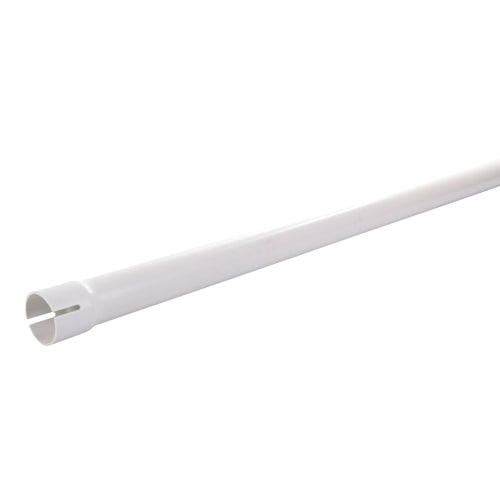 |
||||||||||||||||||||||||||
| Product Overview |
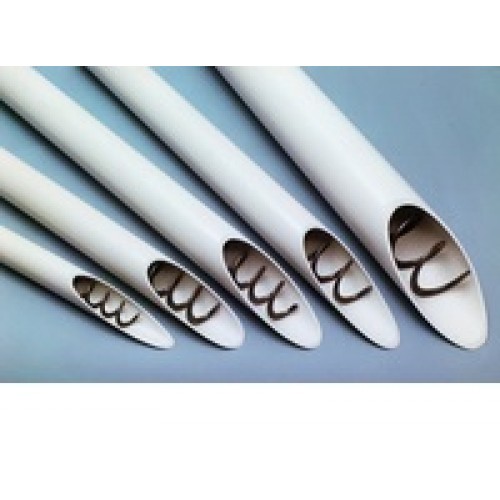
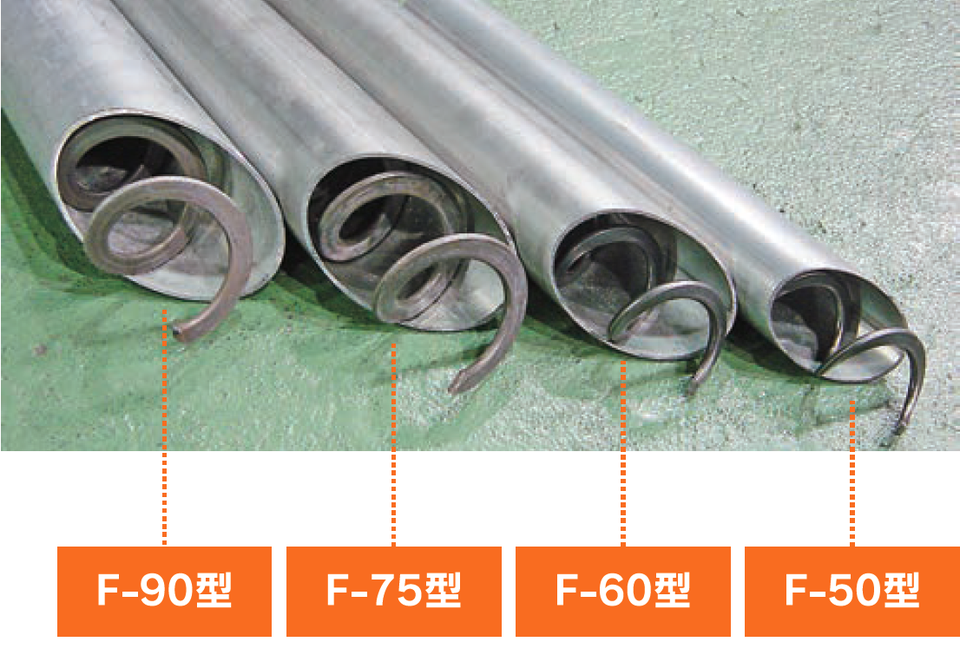
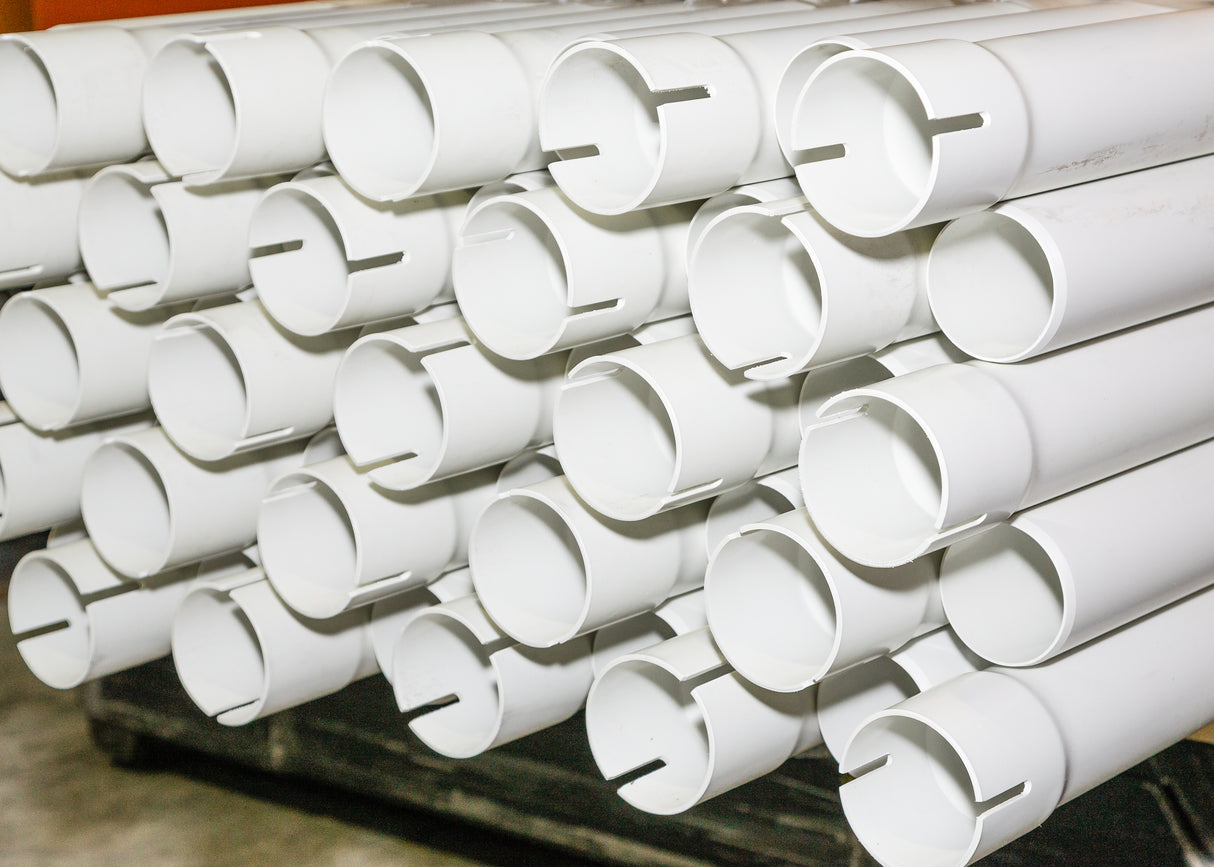
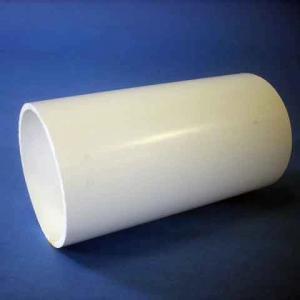
The PVC Feed Conveyor Tube is a core transport component for flexible auger feeding systems used in commercial pig farms, poultry houses and other livestock production facilities. The tube forms an enclosed conveying path around the rotating flexible auger, allowing dry feed to move efficiently from bulk storage silos to livestock houses, feed hoppers or automatic feeding lines. Manufactured from quality PVC, the tube combines relatively low weight with corrosion resistance and a smooth internal surface. These characteristics make it suitable for agricultural environments where conventional metal components may be exposed to humidity, feed dust and corrosive farm conditions. Straight tubes can be combined with compatible PVC curves, couplings, silo intake units, drive units and feed outlets to create complete feed transport routes. Reference flex-auger systems are available in multiple tube diameters to match different conveying capacities and installation distances. Tube diameter, length, wall construction, end connection and routing can be configured according to feed type, conveying capacity, barn layout and project requirements, making the product suitable for both new pig farm construction and existing livestock equipment upgrades. |
||||||||||||||||||||||||||
| Key Features |
|
||||||||||||||||||||||||||
| Structural Components |
|
||||||||||||||||||||||||||
| Working Principle |
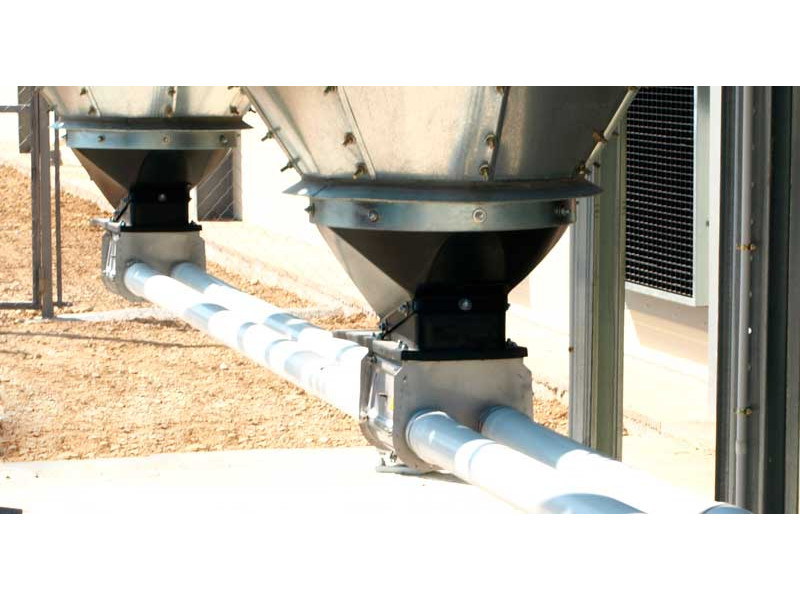
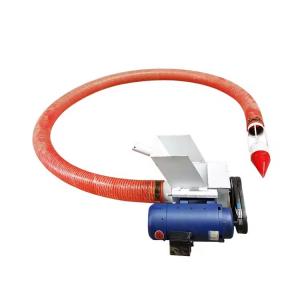
A flexible steel auger is installed inside the PVC conveyor tube and connected to a suitable drive unit. When the motor operates, the auger rotates inside the stationary tube. Feed enters the conveying line through a silo intake or loading hopper. Rotation of the spiral continuously advances the dry feed along the internal surface of the PVC tube toward the required discharge location. Straight tube sections provide the main conveying route, while compatible curved sections allow the line to move horizontally, vertically or around structural obstacles within the engineering limits of the selected flex-auger system. At the destination, feed is discharged through an outlet, control unit or terminal hopper. A level sensor or limit switch can stop the drive automatically when the receiving feeder or hopper reaches the required filling level. |
||||||||||||||||||||||||||
| Technical Specifications |
|
||||||||||||||||||||||||||
| Applications |
|
||||||||||||||||||||||||||
| Customization Options |
|
||||||||||||||||||||||||||
| Installation & Maintenance |
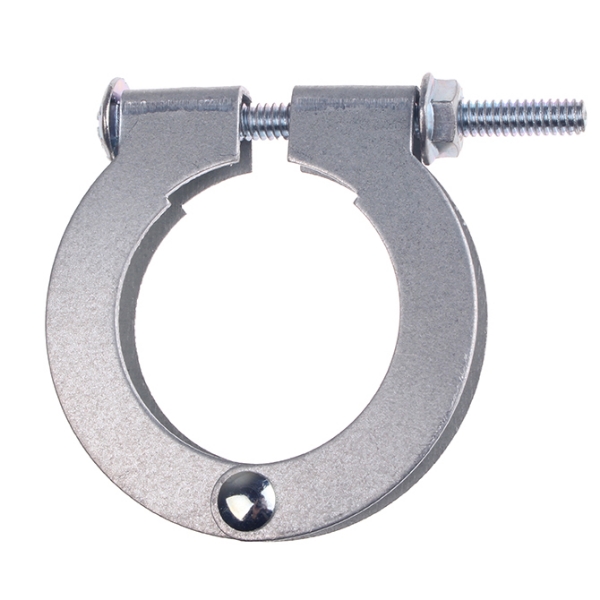
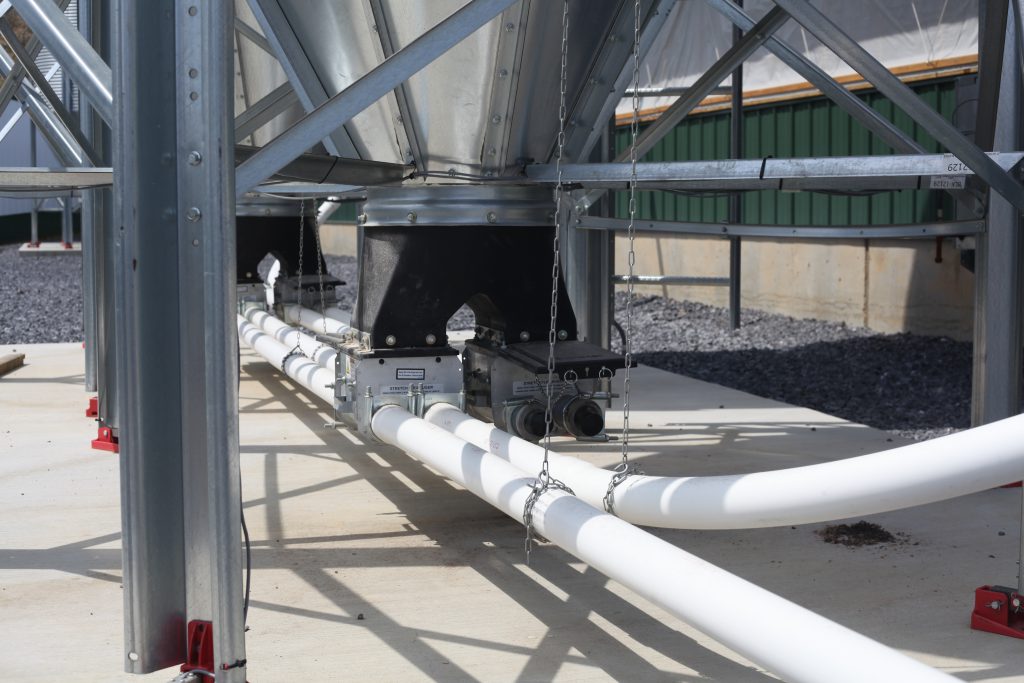
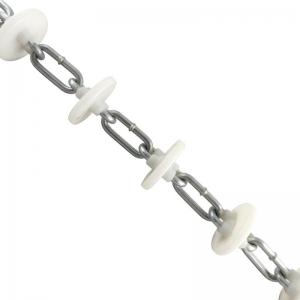
System Planning: Determine the conveying distance, required capacity, tube diameter, number of curves, elevation changes, silo position and final feed discharge location before installation. Tube Alignment: Straight sections should be installed with proper alignment so the internal flexible auger can rotate smoothly without unnecessary friction. Pipe Coupling: Insert and secure adjacent sections using the specified belled end, funnel connection, clamp or coupling. Joints should remain secure and correctly aligned throughout the feed route. Support Spacing: Tubes should be adequately supported using brackets or suspension chains connected to the livestock building structure. Excessive sagging should be avoided. Curve Installation: Curved sections should be installed according to the system design. Excessive or incorrectly arranged bends can increase auger resistance and reduce conveying performance. Commissioning: Verify auger rotation, tube joints, motor direction, feed flow and automatic stop controls before operating the system at full feed load. Routine Maintenance: Periodically inspect PVC tubes for abrasion, cracks, loose joints or excessive wear, particularly near curves and high-load conveying sections. Replace damaged tubes before they affect auger operation. |
||||||||||||||||||||||||||
| Project Applications |
In a typical commercial pig farm, PVC conveyor tubes form the main enclosed feed route between outdoor bulk feed silos and automatic feeding equipment inside the livestock houses. Straight and curved sections can be combined to pass through walls and follow the building layout. For poultry projects, smaller-diameter flex-auger tube systems can transport feed from storage silos to internal feed hoppers or complete pan-feeding lines. Reference poultry flex-auger systems commonly use 48 mm and 60 mm tube configurations. For larger feed requirements, larger tube and auger combinations can be selected. Final conveying capacity and permissible system length depend on tube size, auger specification, feed characteristics, motor selection, number of curves and installation conditions. |
||||||||||||||||||||||||||
| Product FAQ |
Q: What is a PVC feed conveyor tube used for? A: It forms the enclosed conveying path around a flexible steel auger and is used to transport dry livestock feed from silos or hoppers to automatic feeding equipment. Q: Which tube diameters are available? A: Tube diameter is selected according to conveying capacity and auger configuration. Reference flex-auger systems include 48, 60, 75, 90 and 125 mm sizes. Q: Why is PVC commonly used for flex-auger feed lines? A: PVC is relatively lightweight, corrosion resistant and easy to install. Suitable formulations can also provide good resistance to abrasion and outdoor agricultural conditions. Q: Can the tube be used for pellets and meal feed? A: Yes. Flex-auger systems can transport common dry livestock feeds including meal, crumbles and pellets when the auger, tube size and complete system are correctly selected. Q: Are curved PVC sections available? A: Yes. Compatible curved sections allow the feed transport route to change direction or elevation. The reference AZA system includes PVC linear tubes and 135-degree PVC curves. Q: Can the PVC tube be installed outdoors? A: Suitable agricultural-grade PVC tube can be used in appropriate outdoor feed-line sections. Material specification and protection should be selected according to local sunlight, temperature and climate conditions. Q: Can existing feed conveyor tubes be replaced individually? A: Yes, provided the replacement tube matches the existing auger diameter, connection design and system dimensions. Q: What information is required for a quotation? A: Please provide the required tube diameter, total conveying distance, feed type, number of curves, elevation changes, desired capacity, auger specification and layout of the feed conveying system. |
||||||||||||||||||||||||||
| Product Gallery |
|
- Home
-
Products
- Pig Farming Equipment
- Cattle Farming Equipment
- Sheep & Goat Farming Equipment
- Poultry Farming Equipment
- Feeding & Drinking Systems
- Veterinary & Breeding Equipment
- Testing & Diagnostic Equipment
- Cleaning & Biosecurity Equipment
- Climate Control Equipment
- Livestock Weighing Equipment
- Manure & Waste Management
- Farm Transport & Handling
-
Solutions
- Pig Farm Solutions
- Dairy Farm Solutions
- Beef Cattle Farm Solutions
- Sheep & Goat Farm Solutions
- Layer Farm Solutions
- Broiler Farm Solutions
- Feeding & Drinking System Solutions
- Climate Control Solutions
- Biosecurity & Disinfection Solutions
- Manure & Waste Management
- Smart Farming Solutions
- Farm Renovation and Upgrade Solutions
- Partners
- Projects
- Resources
- News
- About Us
- Contact
Comments & Inquiries
Leave your questions or requirements below. We will reply as soon as possible.