

| Product Name | Steel Feed Conveyor Tube | ||||||||||||||||||||||||||
| Product Image | 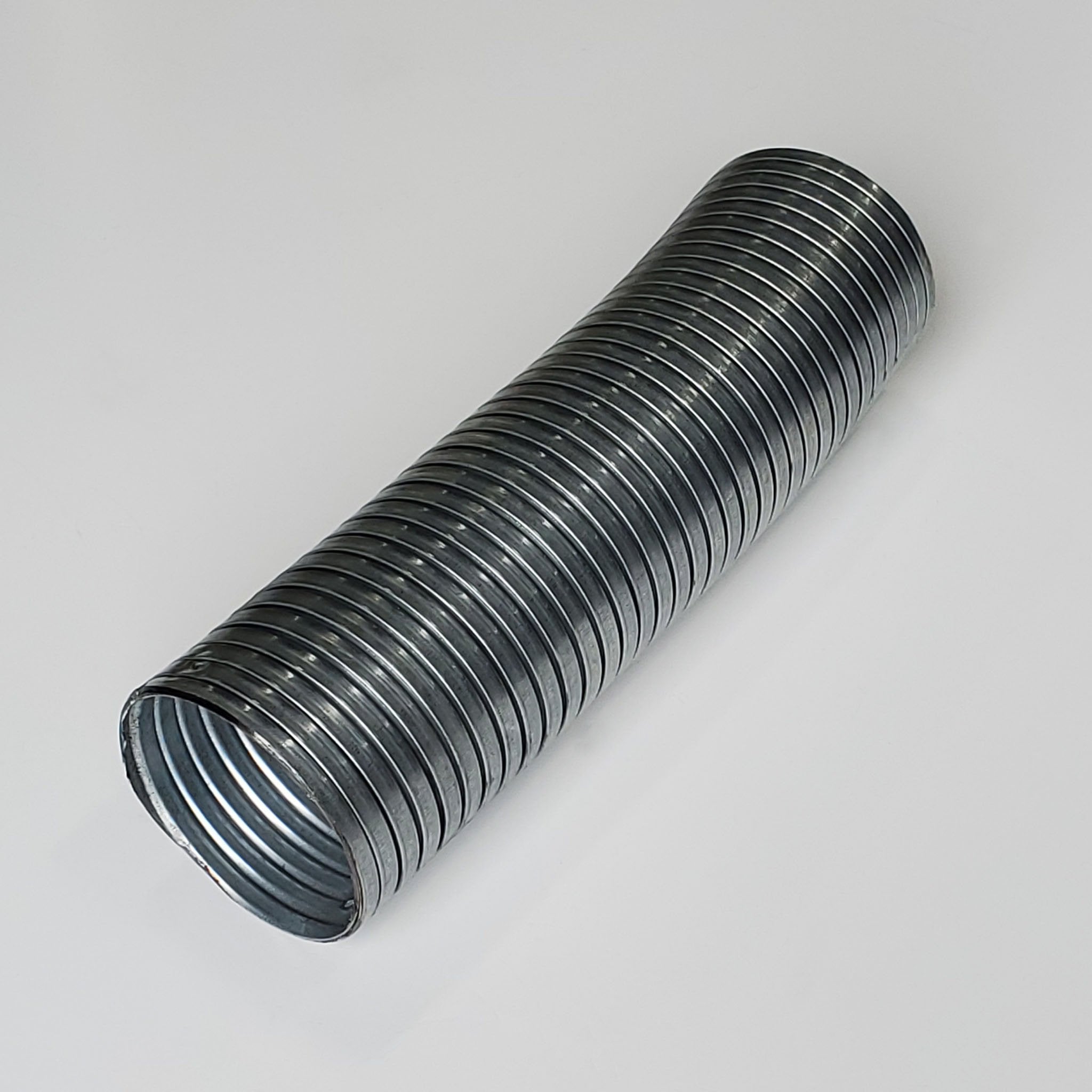 |
||||||||||||||||||||||||||
| Product Overview |
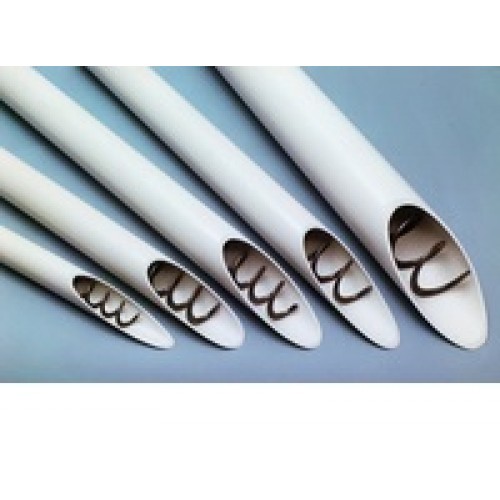
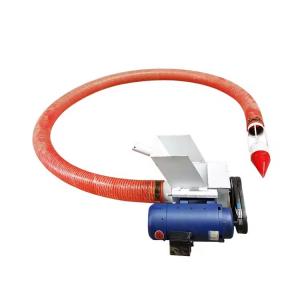
The Steel Feed Conveyor Tube is a structural conveying component used in automatic livestock feed transport systems. It forms the enclosed pathway through which a flexible or coreless auger moves dry feed from a bulk storage silo to poultry houses, pig barns, intermediate hoppers or feeding equipment. Compared with open conveying methods, the enclosed tube helps protect feed against contamination, weather exposure, insects and rodents while reducing feed loss during transport. Steel tube configurations are particularly suitable for applications requiring increased rigidity, mechanical durability and resistance to impact. Reference FLEX-AUGER systems use enclosed auger conveying technology capable of moving feed horizontally, vertically, on inclines and around suitable pre-formed corners. Steel Model 108 configurations use an outside tube diameter of approximately 108 mm and are applied in breeder, layer, broiler, bin-filling and grain-moving systems. :contentReference[oaicite:0]{index=0} Tube diameter, wall thickness, section length, coupling method and corrosion protection can be customized according to project requirements, making the product suitable for new pig farm construction, poultry projects and steel structure livestock buildings. |
||||||||||||||||||||||||||
| Key Features |
|
||||||||||||||||||||||||||
| Structural Components |
|
||||||||||||||||||||||||||
| Working Principle |
Dry feed enters the conveyor tube through the silo boot, hopper or intake assembly. A flexible steel auger rotates inside the enclosed tube and moves the feed forward along the conveying route. The tube keeps the auger correctly positioned and forms a continuous enclosed passage for the feed. Proper tube diameter, internal clearance, joint alignment and support spacing are important for stable auger rotation and efficient conveying. Compatible auger systems can move feed horizontally, vertically, up or down inclines and around pre-formed bends, allowing one feed line to connect outdoor silos with multiple livestock production areas. :contentReference[oaicite:2]{index=2} At the required delivery point, feed exits through a drop outlet, terminal hopper or feeder connection. Sensors and controllers can automatically start or stop the drive unit according to feed demand. |
||||||||||||||||||||||||||
| Technical Specifications |
|
||||||||||||||||||||||||||
| Applications |
|
||||||||||||||||||||||||||
| Customization Options |
|
||||||||||||||||||||||||||
| Installation & Maintenance |
Route Planning: Confirm the silo position, building entry point, feed-line elevation, total conveying length and required changes of direction before installation. Tube Alignment: Straight sections should be aligned carefully so that the auger can rotate without unnecessary friction or local restriction. Tube Support: Install brackets or suspension clamps at appropriate intervals to prevent excessive sagging or movement during operation. Joint Assembly: Tube couplings should be securely fitted and internal joint transitions should remain smooth to prevent damage to the auger or feed accumulation. Corner Installation: Use only compatible elbows and maintain the designed bending radius so that the flexible auger can move freely through the complete circuit. Commissioning: Check auger rotation, motor direction, feed flow and all pipe connections before operating the system at full capacity. Routine Maintenance: Periodically inspect tube joints, bends, suspension points and high-wear sections. Replace damaged or excessively worn tube sections and check auger condition at the same time. |
||||||||||||||||||||||||||
| Project Applications |
A typical livestock project uses steel conveyor tube sections to connect an outdoor bulk feed silo with an automatic feed distribution line inside the livestock house. The conveyor can pass through building walls and follow suitable inclines before reaching the terminal hopper or feeder line. For larger poultry or pig facilities, multiple conveyor runs can connect different silos with separate barns or production zones. Reference FLEX-AUGER systems provide several tube sizes and capacities for different feed requirements, including steel Model 108 for higher-capacity applications. :contentReference[oaicite:6]{index=6} Final tube selection should consider feed type, required conveying capacity, total route length, elevation changes, number of corners, auger size and available motor power. |
||||||||||||||||||||||||||
| Product FAQ |
Q: What is a steel feed conveyor tube used for? A: It houses and guides the flexible auger in an enclosed livestock feed conveying system, forming the pathway between the feed silo and downstream feeding equipment. Q: Can the tube be used for pig and poultry feed systems? A: Yes. Steel auger tubes are suitable for many pig, broiler, breeder, layer and other livestock feed delivery systems. Q: Can steel conveyor tube be used on inclined feed lines? A: Yes. Properly designed flexible auger systems can transport feed horizontally, vertically, up or down inclines and around compatible pre-formed bends. :contentReference[oaicite:7]{index=7} Q: What tube diameter is available? A: Diameter depends on required capacity and auger size. The reference FLEX-AUGER steel Model 108 uses an outside tube diameter of approximately 108 mm. :contentReference[oaicite:8]{index=8} Q: Why choose steel instead of plastic tube? A: Steel provides high mechanical rigidity and is useful in areas where greater structural strength or resistance to physical impact is required. Final material selection should consider routing, corrosion exposure and project conditions. Q: Can damaged sections be replaced separately? A: Yes. Modular feed-line layouts allow individual straight sections, couplings or bends to be replaced when compatible components are used. Q: What information is required for a quotation? A: Please provide feed type, desired conveying capacity, tube diameter if known, total route length, elevation change, number of bends, auger specification, required tube quantity and livestock house layout. |
||||||||||||||||||||||||||
| Product Gallery |
|
- Home
-
Products
- Pig Farming Equipment
- Cattle Farming Equipment
- Sheep & Goat Farming Equipment
- Poultry Farming Equipment
- Feeding & Drinking Systems
- Veterinary & Breeding Equipment
- Testing & Diagnostic Equipment
- Cleaning & Biosecurity Equipment
- Climate Control Equipment
- Livestock Weighing Equipment
- Manure & Waste Management
- Farm Transport & Handling
-
Solutions
- Pig Farm Solutions
- Dairy Farm Solutions
- Beef Cattle Farm Solutions
- Sheep & Goat Farm Solutions
- Layer Farm Solutions
- Broiler Farm Solutions
- Feeding & Drinking System Solutions
- Climate Control Solutions
- Biosecurity & Disinfection Solutions
- Manure & Waste Management
- Smart Farming Solutions
- Farm Renovation and Upgrade Solutions
- Partners
- Projects
- Resources
- News
- About Us
- Contact
Comments & Inquiries
Leave your questions or requirements below. We will reply as soon as possible.