

| Product Name | Feed Line Adapter Coupling | ||||||||||||||||||||||
| Product Image | 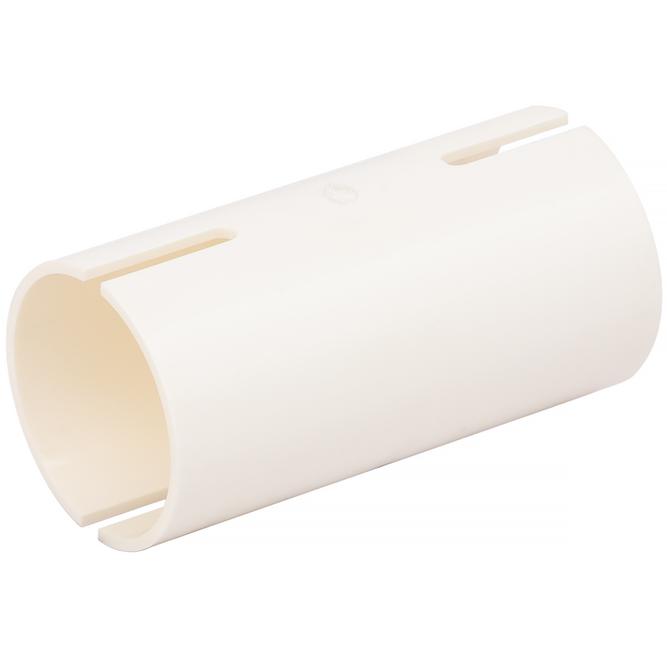 |
||||||||||||||||||||||
| Product Overview |
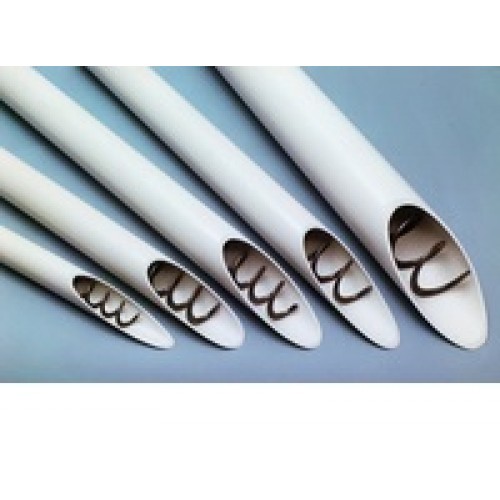
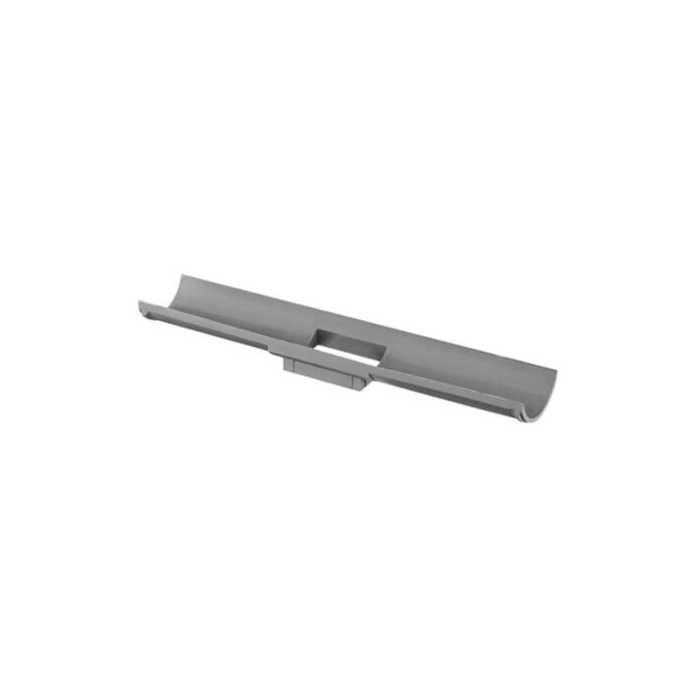
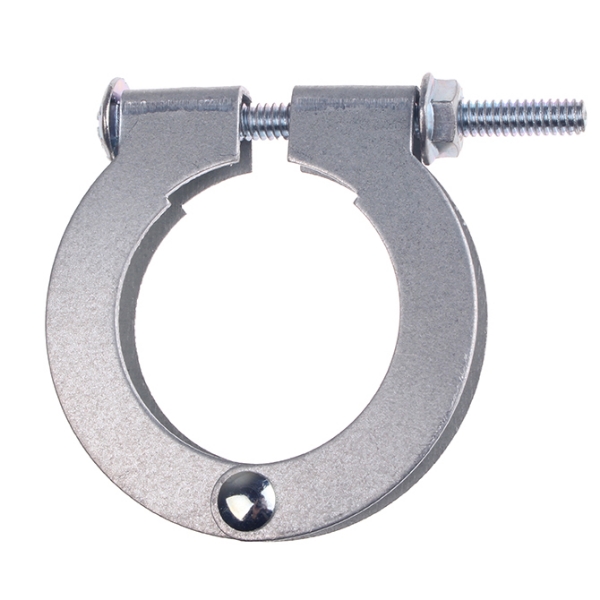
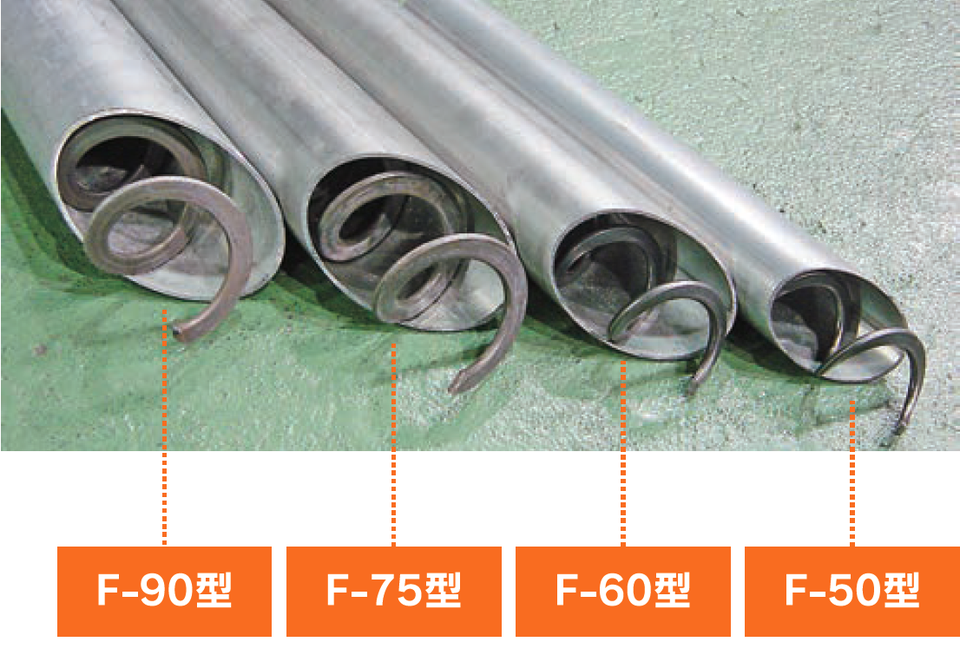
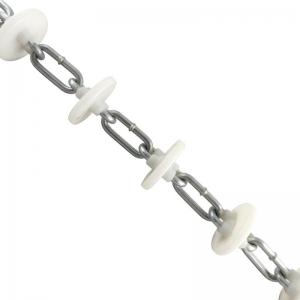
The Feed Line Adapter Coupling is a connection component designed for livestock feed conveying systems, including chain-disc, flexible auger and compatible enclosed feed transport lines. It joins two feed tubes or adapts between compatible pipe sections while maintaining a continuous internal passage for dry feed. In commercial pig farms, poultry houses and livestock production complexes, adapter couplings are commonly used during new installation, feed-line extension, retrofit projects and replacement of worn or obsolete conveying components. Reference chain-disc systems use tube connectors for joining long steel tube sections, while adapter components can also allow newer conveying equipment to connect with existing competitor tubing. This makes the coupling especially useful for modernization projects where complete replacement of the original feed line is not required. Diameter, material, connection style and transition dimensions can be customized according to feed tube specifications and project requirements. |
||||||||||||||||||||||
| Key Features |
|
||||||||||||||||||||||
| Structural Components |
|
||||||||||||||||||||||
| Working Principle |
The ends of two compatible feed conveying tubes are aligned and inserted into, positioned beneath or enclosed by the adapter coupling. The coupling then mechanically secures the joint through a sleeve, clamping or bolted connection. Once installed, the internal bore forms a continuous path through which the chain-disc assembly, flexible auger or dry feed can travel without an excessive step or gap at the connection point. For retrofit applications, a specially sized adapter can compensate for differences between an existing tube and a replacement conveying system. This allows compatible legacy pipework to remain in service while selected feed system components are upgraded. Correct tube alignment and secure fastening are important because poorly aligned joints may increase chain resistance, disc wear, feed accumulation or mechanical stress. |
||||||||||||||||||||||
| Technical Specifications |
|
||||||||||||||||||||||
| Applications |
|
||||||||||||||||||||||
| Customization Options |
|
||||||||||||||||||||||
| Installation & Maintenance |
Tube Preparation: Cut the feed tube squarely and remove burrs, sharp edges and debris before installing the coupling. Alignment: Align both tube sections on the same centerline before tightening the coupling. Correct alignment is particularly important in chain-disc systems because the chain and discs must pass smoothly through the joint. Connection: Position the coupling evenly across both tube ends and secure the clamps, bolts or locking sections according to the selected design. Internal Check: Verify that there is no excessive internal step, exposed fastener or obstruction that could interfere with feed flow, chain links or carrier discs. Support: Long feed-line sections should be properly supported by building brackets or steel structure members so that excessive pipe load is not transferred to the coupling. Routine Maintenance: Periodically inspect the joint for loosened bolts, tube movement, corrosion, feed leakage or wear. Retighten or replace damaged components when required. |
||||||||||||||||||||||
| Project Applications |
In a new livestock feed conveying project, standard couplings are installed between consecutive tube sections to create a continuous route from the feed silo to the feeding areas. Long tube sections can reduce the total number of joints and simplify installation. For farm renovation, adapter couplings are especially useful when existing feed-line tubing remains structurally serviceable but drive units, corners, chain-disc components or other parts are being replaced with a newer system. PigTek specifically notes that suitable adapters can connect its chain-disc feeding system to competitor tubing, supporting upgrades of existing recirculating feed delivery systems without unnecessary replacement of all pipe sections. |
||||||||||||||||||||||
| Product FAQ |
Q: What is a feed line adapter coupling used for? A: It joins feed conveying tubes or adapts between compatible pipe sections in livestock feeding systems. Q: Can it be used with a chain-disc feeding system? A: Yes. Chain-disc systems commonly use dedicated tube connectors, and suitable adapters can also be used where different compatible tubing systems must be connected. Q: Can the coupling connect two different pipe diameters? A: Yes. Reducing or stepped adapter configurations can be manufactured according to the two required tube dimensions. Q: Can it be used to upgrade an existing feed system? A: Yes. A correctly designed adapter can connect compatible new conveying equipment with existing feed tubing, reducing the amount of pipework that must be replaced. Q: Which material should be selected? A: Galvanized steel is commonly used for general livestock feed conveying. Stainless steel can be selected where greater corrosion resistance is required, while engineering plastic is suitable for specific tube systems and repair applications. Q: Is internal alignment important? A: Yes. Good alignment helps prevent feed accumulation and is especially important in chain-disc systems where the chain and carrier discs pass directly through the tube joint. Q: What information is required for a quotation? A: Please provide the feed conveying system type, tube material, outside diameter of both tube sections, required coupling quantity, connection method and whether the product is for a new installation, repair or retrofit project. |
||||||||||||||||||||||
| Product Gallery |
|
- Home
-
Products
- Pig Farming Equipment
- Cattle Farming Equipment
- Sheep & Goat Farming Equipment
- Poultry Farming Equipment
- Feeding & Drinking Systems
- Veterinary & Breeding Equipment
- Testing & Diagnostic Equipment
- Cleaning & Biosecurity Equipment
- Climate Control Equipment
- Livestock Weighing Equipment
- Manure & Waste Management
- Farm Transport & Handling
-
Solutions
- Pig Farm Solutions
- Dairy Farm Solutions
- Beef Cattle Farm Solutions
- Sheep & Goat Farm Solutions
- Layer Farm Solutions
- Broiler Farm Solutions
- Feeding & Drinking System Solutions
- Climate Control Solutions
- Biosecurity & Disinfection Solutions
- Manure & Waste Management
- Smart Farming Solutions
- Farm Renovation and Upgrade Solutions
- Partners
- Projects
- Resources
- News
- About Us
- Contact
Comments & Inquiries
Leave your questions or requirements below. We will reply as soon as possible.