

| Product Name | Flexible Feed Auger | ||||||||||||||||||||||||||
| Product Image |  |
||||||||||||||||||||||||||
| Product Overview |
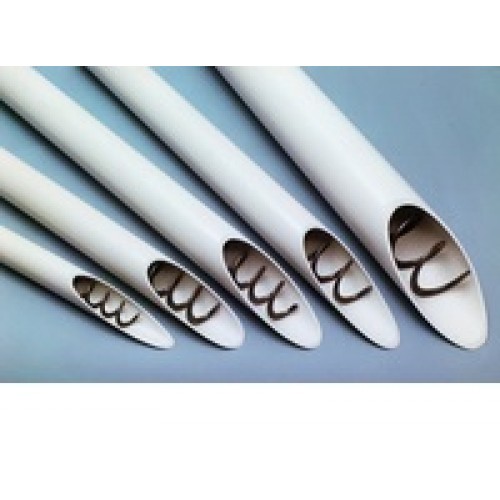
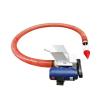
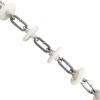
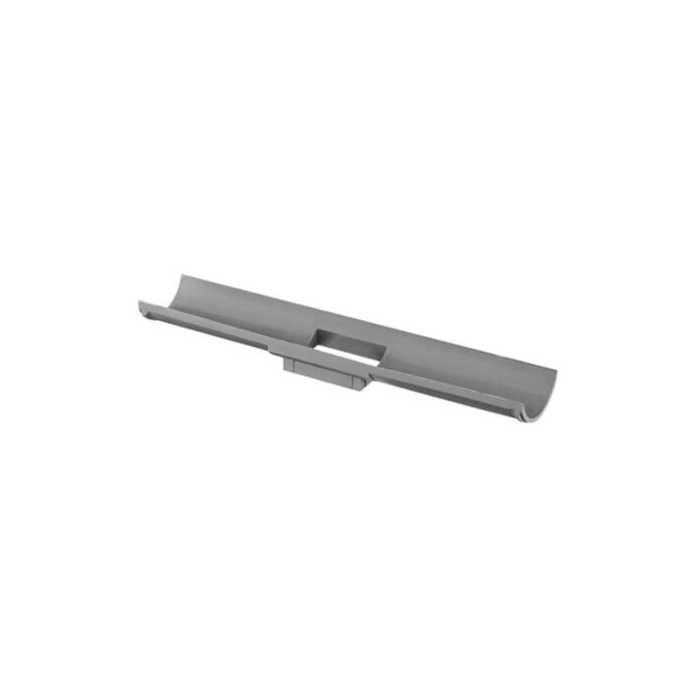
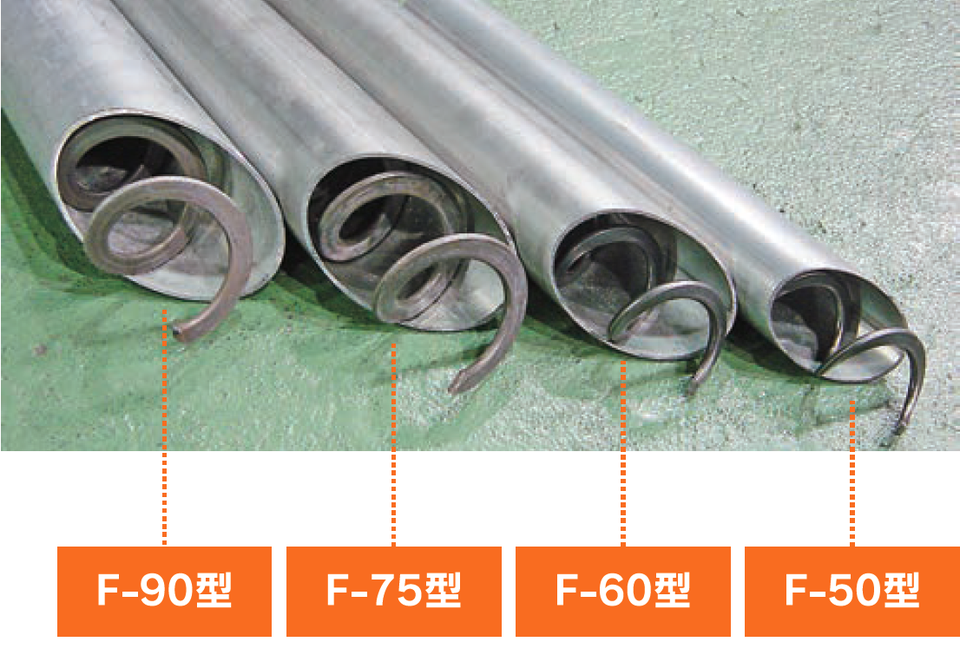
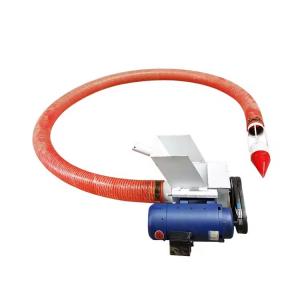
The Flexible Feed Auger is a coreless spiral conveying component designed for automatic dry-feed delivery systems used in poultry farms, pig farms and other commercial livestock facilities. Installed inside a compatible feed tube, the spring-like steel auger rotates to move feed from a silo, bulk feed bin or intermediate hopper toward feeder-line hoppers, dispensers or downstream feeding equipment. Unlike a rigid screw conveyor, the flexible coreless design can follow horizontal runs, inclined sections and gradual bends, making it suitable for complex livestock house layouts. The conveying system is fully enclosed during normal operation, helping protect feed from external contamination while reducing spillage and maintaining an orderly farm environment. Feed delivery can be controlled through a direct-drive power unit, level sensor and automatic control equipment. Auger diameter, tube diameter, conveying capacity, line length, motor configuration and feed-bin connection can be customized according to pig farm construction, poultry house design and complete livestock equipment project requirements. |
||||||||||||||||||||||||||
| Key Features |
|
||||||||||||||||||||||||||
| Structural Components |
|
||||||||||||||||||||||||||
| Working Principle |
Dry feed enters the conveying tube through the silo boot or hopper transition. When the motor starts, the gearhead rotates the coreless steel auger inside the tube. The rotating spiral pushes feed forward through the enclosed pipe. Because the auger has no central shaft, the complete spiral can flex through suitable curved sections while maintaining continuous conveying action. Feed travels toward the outlet or control-unit end of the system and is discharged through a drop tube into a feeder-line hopper, intermediate bin or other livestock feeding equipment. A feed-level sensor can automatically stop the motor when the receiving hopper is full and restart the system as feed is consumed, providing automatic feed replenishment with minimal manual intervention. |
||||||||||||||||||||||||||
| Technical Specifications |
|
||||||||||||||||||||||||||
| Applications |
|
||||||||||||||||||||||||||
| Customization Options |
|
||||||||||||||||||||||||||
| Installation & Maintenance |
System Layout: Confirm silo position, livestock house dimensions, feed-line hopper locations, total conveying distance, elevation changes and required bends before installation. Tube Installation: Conveying tubes should be securely joined, aligned and supported. Connections should be smooth internally to minimize auger wear and feed accumulation. Auger Installation: The flexible spiral should be installed according to the designed line length and connected correctly to the drive and anchor components. Drive Connection: The motor and gearhead must be securely installed at the specified end of the line with correct auger engagement and motor rotation. Sensor Commissioning: Level switches and feed sensors should be positioned and tested so that the system starts and stops at the required feed levels. Routine Inspection: Periodically inspect auger wear, tube joints, bends, suspension points, drive components, silo boot and electrical controls. Feed Management: Wet feed and foreign objects should be prevented from entering the auger line because they may increase mechanical load or cause blockage. |
||||||||||||||||||||||||||
| Project Applications |
In a typical poultry project, a flexible auger line transfers feed from an outdoor silo through the poultry house wall to the hopper of an automatic pan feeding line. A level sensor in the receiving hopper controls the auger drive automatically as birds consume feed. In commercial pig farms, larger-diameter flexible auger systems can transport feed from central storage silos to dry feeders, intermediate hoppers or multiple feeding circuits serving sow, nursery and finishing houses. Final system selection should consider feed density, required hourly capacity, line length, elevation, number of bends, silo configuration and the feeding demand of the livestock house. |
||||||||||||||||||||||||||
| Product FAQ |
Q: What is a flexible feed auger? A: It is a coreless spring-like steel spiral that rotates inside a feed tube to transport dry livestock feed from a silo or hopper to downstream feeding equipment. Q: Why is the auger made without a central shaft? A: The coreless design allows the spiral to flex through suitable curved sections, making the conveying system easier to route around livestock farm structures. Q: Can it transport feed around corners? A: Yes. Properly designed flexible auger systems can transport feed horizontally, on an incline and around suitable curved sections. Q: Is it suitable for both poultry and pig farms? A: Yes. Different auger and tube sizes can be selected for poultry feeder-line filling, pig farm feed distribution and other livestock applications. Q: Can PVC tubing be used outdoors? A: Suitable livestock feed systems use specially formulated UV-resistant and wear-resistant PVC tubing. Material selection should still consider local climate, exposure and feed abrasiveness. Q: Can the feed auger operate automatically? A: Yes. A level sensor, hopper switch, timer or compatible controller can start and stop the drive motor according to feed demand. Q: Can abrasive feed be conveyed? A: Yes, but more wear-resistant tubing such as steel may be recommended for certain abrasive free-flowing feeds. Q: What information is required for a quotation? A: Please provide feed type, required conveying capacity, total line length, elevation difference, number of bends, silo quantity, destination equipment, voltage and livestock house layout. |
||||||||||||||||||||||||||
| Product Gallery |
|
- Home
-
Products
- Pig Farming Equipment
- Cattle Farming Equipment
- Sheep & Goat Farming Equipment
- Poultry Farming Equipment
- Feeding & Drinking Systems
- Veterinary & Breeding Equipment
- Testing & Diagnostic Equipment
- Cleaning & Biosecurity Equipment
- Climate Control Equipment
- Livestock Weighing Equipment
- Manure & Waste Management
- Farm Transport & Handling
-
Solutions
- Pig Farm Solutions
- Dairy Farm Solutions
- Beef Cattle Farm Solutions
- Sheep & Goat Farm Solutions
- Layer Farm Solutions
- Broiler Farm Solutions
- Feeding & Drinking System Solutions
- Climate Control Solutions
- Biosecurity & Disinfection Solutions
- Manure & Waste Management
- Smart Farming Solutions
- Farm Renovation and Upgrade Solutions
- Partners
- Projects
- Resources
- News
- About Us
- Contact


Comments & Inquiries
Leave your questions or requirements below. We will reply as soon as possible.