

| Product Name | Feed Conveyor Seal Kit | ||||||||||||||||||||||||
| Product Image |  |
||||||||||||||||||||||||
| Product Overview |
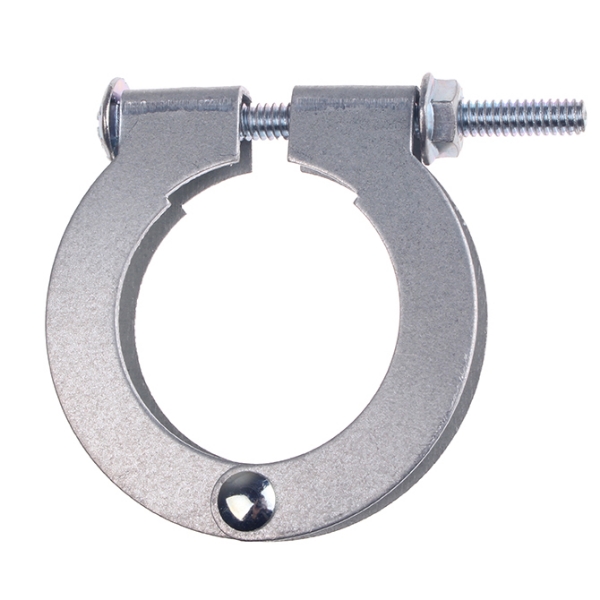
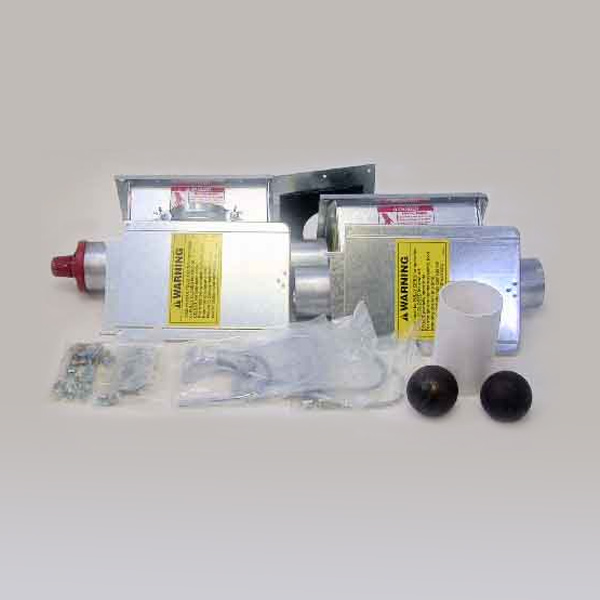
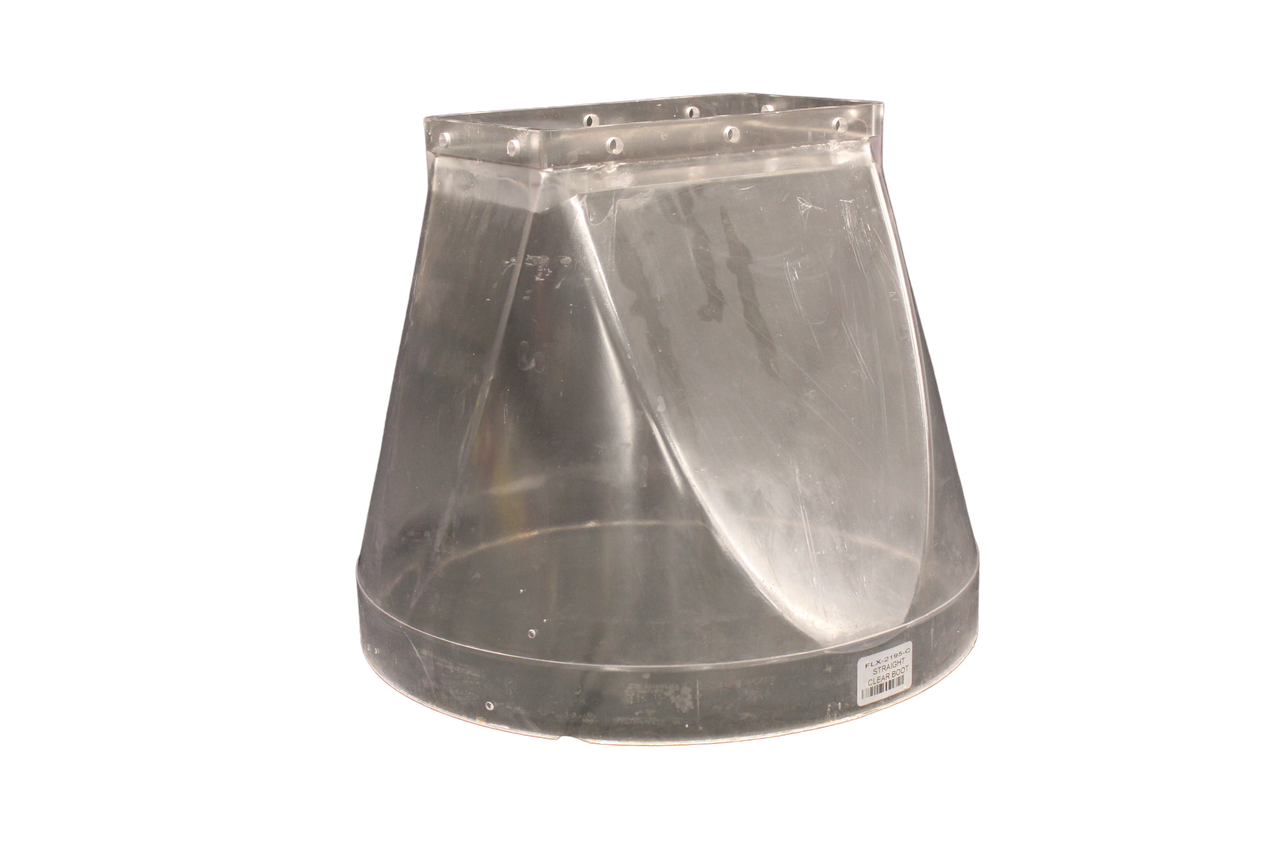
The Feed Conveyor Seal Kit is a replacement sealing component set designed for flexible auger and enclosed livestock feed conveying systems. It is used at boot assemblies, tube interfaces, bearing areas and other connection points where effective sealing is required. Typical configurations include flexible neoprene or rubber sealing elements, rigid retaining rings, sealing washers, gaskets or related mounting components. The exact contents depend on the conveyor model and connection arrangement. In reference FLEX-AUGER feed delivery systems, neoprene seals and separate seal rings are used around boot and conveyor components. These parts support reliable feed transfer while helping limit feed leakage and unwanted entry of moisture or contaminants into the conveying assembly. The kit is suitable for maintenance of commercial pig farms, poultry houses, feed storage installations and livestock equipment projects where worn sealing components must be replaced without changing the complete conveyor assembly. |
||||||||||||||||||||||||
| Key Features |
|
||||||||||||||||||||||||
| Structural Components |
|
||||||||||||||||||||||||
| Working Principle |
The flexible sealing element is positioned between adjacent conveyor components or around a tube, shaft or boot interface. When the connection is assembled, the seal is compressed against the mating surfaces. This controlled compression creates a barrier that helps prevent dry feed and dust from escaping through gaps while also reducing the possibility of moisture entering the conveying system. A rigid seal ring or retaining component maintains the elastomer in its designed position and prevents excessive deformation during normal conveyor operation. Because flexible auger systems are subject to vibration, motor starting loads and continuous feed movement, routine inspection of seals is recommended to maintain reliable system performance. |
||||||||||||||||||||||||
| Technical Specifications |
|
||||||||||||||||||||||||
| Applications |
|
||||||||||||||||||||||||
| Customization Options |
|
||||||||||||||||||||||||
| Installation & Maintenance |
System Isolation: Disconnect and lock out the conveyor drive before opening the boot, tube connection or service cover. Old Seal Removal: Remove the retaining ring or related mounting hardware and carefully remove the worn sealing element. Surface Inspection: Clean the mating surfaces and remove old feed, dust and damaged gasket material. Check surrounding metal or plastic components for excessive wear. Seal Installation: Install the replacement seal in the correct orientation without twisting, cutting or overstretching the material. Retaining Components: Reinstall the seal ring, clamp or retaining hardware evenly so the flexible seal is compressed correctly. Operational Check: After reassembly, operate the conveyor briefly and inspect the repaired area for abnormal movement, feed leakage or interference. Preventive Maintenance: Inspect seals during scheduled feed-system service. Replace components that show cracking, hardening, permanent deformation, abrasion or loss of elasticity. |
||||||||||||||||||||||||
| Project Applications |
Feed conveyor seals are commonly replaced during scheduled servicing of flexible auger systems used between bulk feed bins and livestock houses. Worn seals around boot and tube connections can be renewed while retaining the main conveyor structure. For multi-house pig or poultry projects, replacement seal kits can be stocked as routine maintenance parts together with tube clamps, bearings, augers, drive components and feed outlet accessories. Correct kit selection should be based on the conveyor model, tube size, boot design and existing sealing component dimensions. |
||||||||||||||||||||||||
| Product FAQ |
Q: What is a feed conveyor seal kit used for? A: It is used to replace sealing components around feed conveyor boots, tubes, service covers and related connection points to help control feed leakage, dust and moisture entry. Q: What parts can be included in the kit? A: Depending on the conveyor model, a kit can include a flexible neoprene or rubber seal, seal ring, sealing washers, gaskets and related retaining components. Q: Are the seals the same for every flexible auger system? A: No. Seal dimensions and profiles vary between conveyor sizes and manufacturers. The existing system model and component dimensions should be confirmed before ordering. Q: Where are these seals normally installed? A: Typical locations include feed bin boot assemblies, auger tube connections, covers, bearing areas and other interfaces requiring a flexible seal. Q: How do I know when a feed conveyor seal needs replacement? A: Replacement should be considered if the seal becomes cracked, hardened, distorted, excessively worn or if feed and dust begin leaking around the connection. Q: Can the kit be used for existing livestock feeding systems? A: Yes. Replacement kits can be configured for many existing feed conveying installations when the original dimensions and mounting arrangement are known. Q: Can seal kits be supplied in bulk for distributors or large farms? A: Yes. Packaging quantity and replacement-part combinations can be customized for distributors, livestock groups and farm maintenance inventories. Q: What information is required for a quotation? A: Please provide conveyor brand or model if known, tube diameter, boot type, seal dimensions, photos of the existing connection and required quantity. |
||||||||||||||||||||||||
| Product Gallery |
|
- Home
-
Products
- Pig Farming Equipment
- Cattle Farming Equipment
- Sheep & Goat Farming Equipment
- Poultry Farming Equipment
- Feeding & Drinking Systems
- Veterinary & Breeding Equipment
- Testing & Diagnostic Equipment
- Cleaning & Biosecurity Equipment
- Climate Control Equipment
- Livestock Weighing Equipment
- Manure & Waste Management
- Farm Transport & Handling
-
Solutions
- Pig Farm Solutions
- Dairy Farm Solutions
- Beef Cattle Farm Solutions
- Sheep & Goat Farm Solutions
- Layer Farm Solutions
- Broiler Farm Solutions
- Feeding & Drinking System Solutions
- Climate Control Solutions
- Biosecurity & Disinfection Solutions
- Manure & Waste Management
- Smart Farming Solutions
- Farm Renovation and Upgrade Solutions
- Partners
- Projects
- Resources
- News
- About Us
- Contact

Comments & Inquiries
Leave your questions or requirements below. We will reply as soon as possible.