

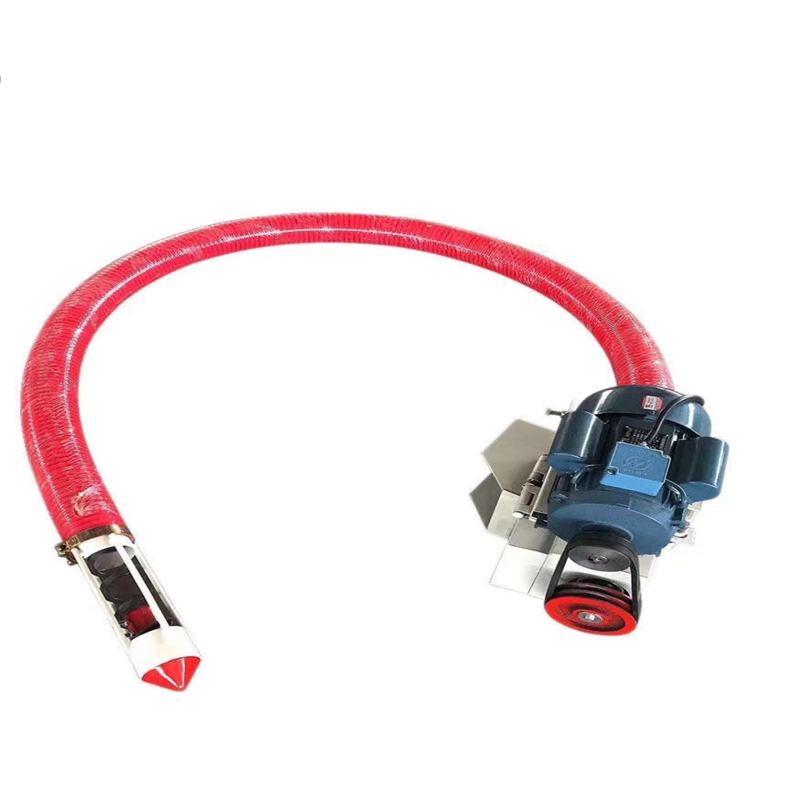
| Product Name | Flexible Auger Feed Line | ||||||||||||||||||||||||||||
| Product Image | 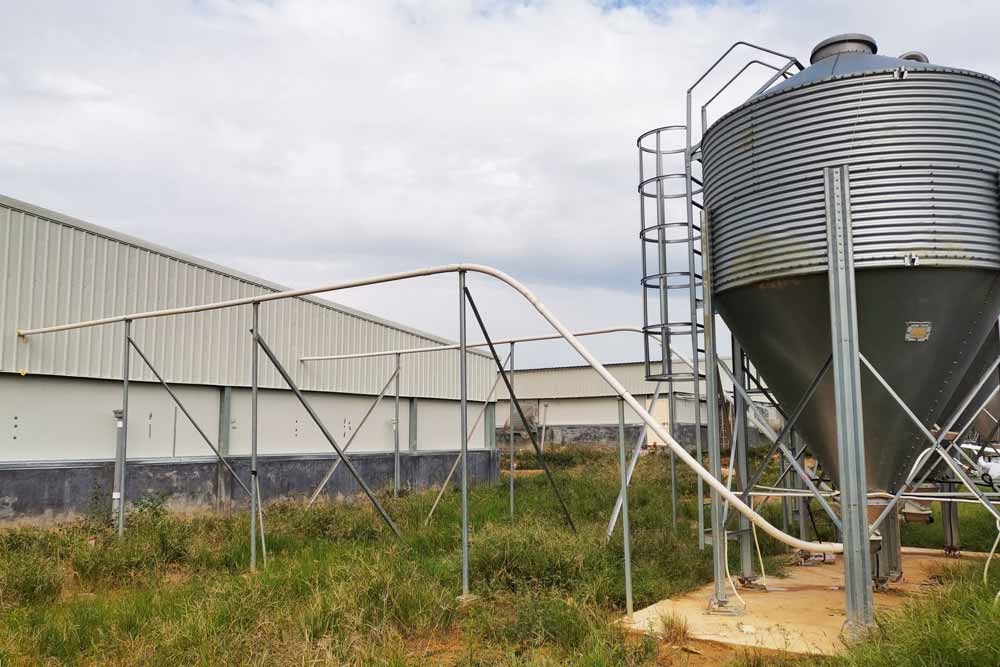 |
||||||||||||||||||||||||||||
| Product Overview |
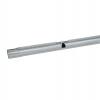
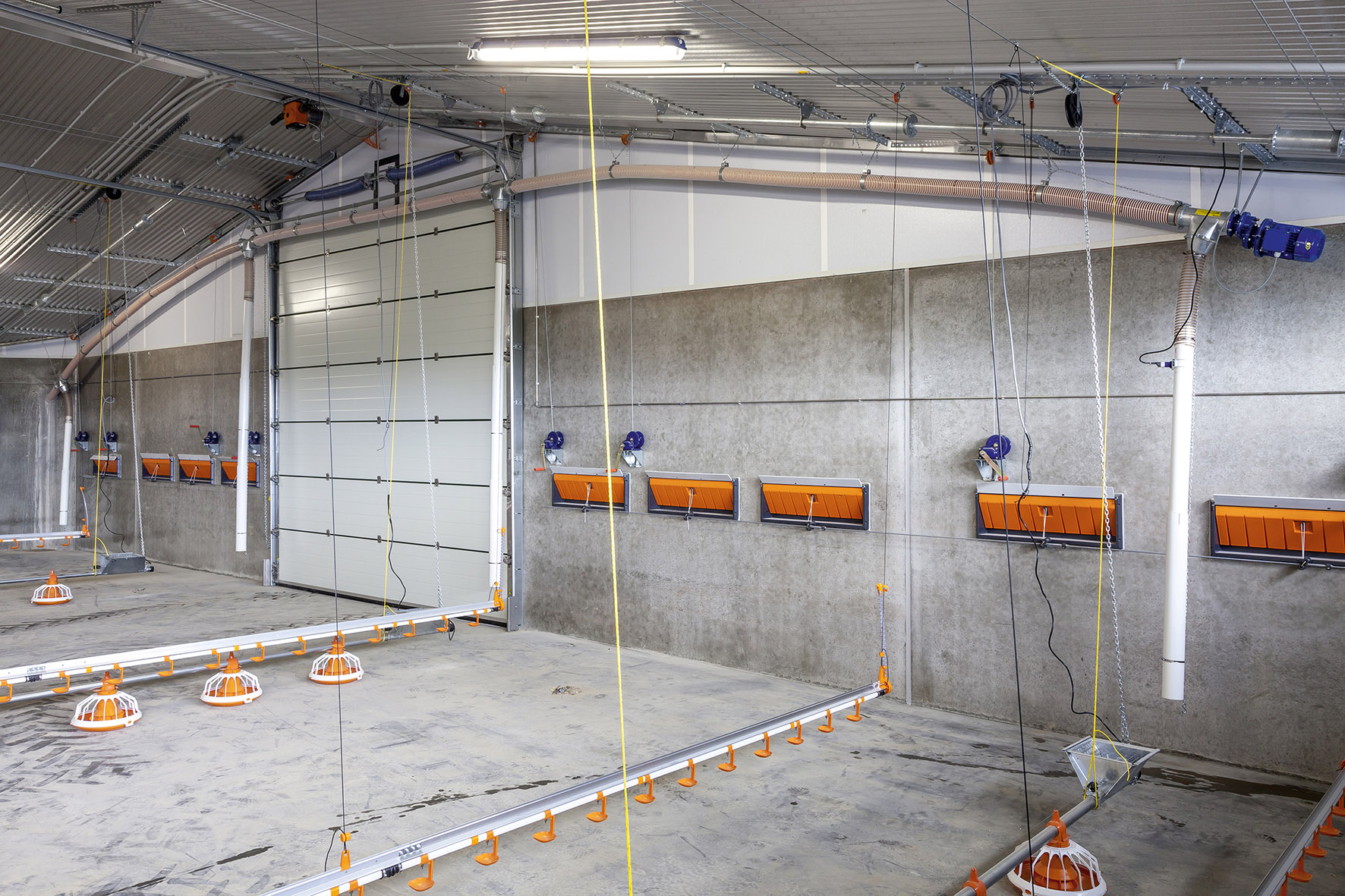
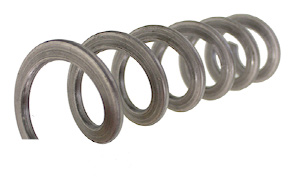
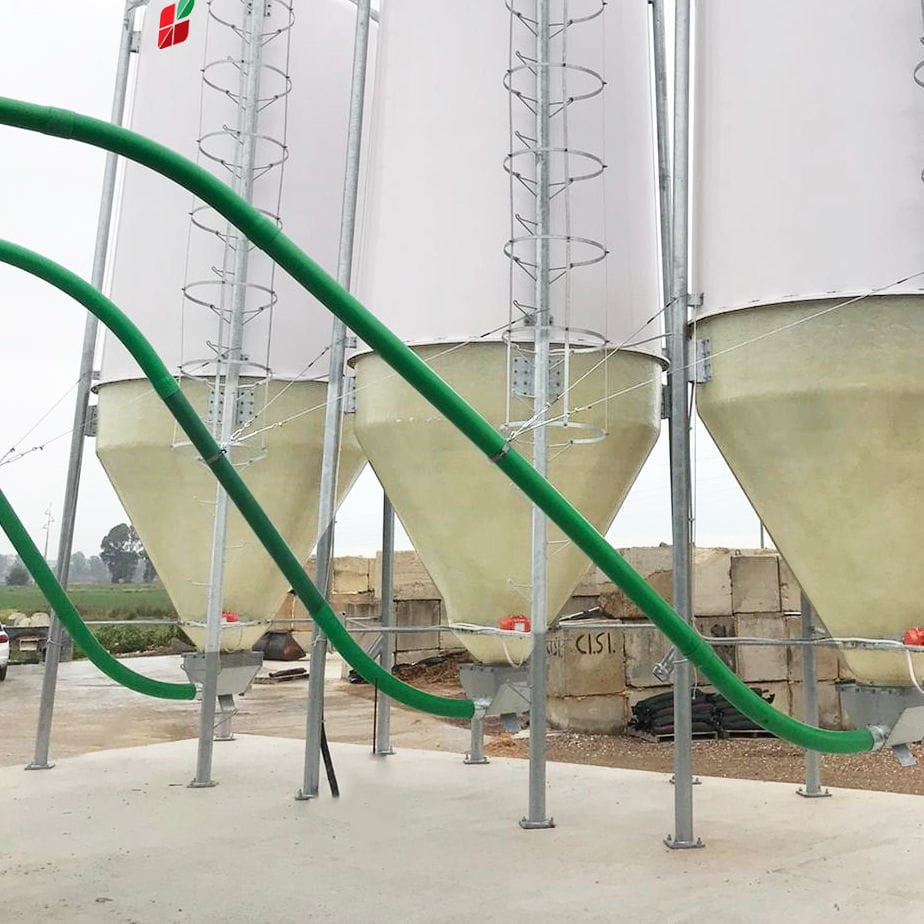
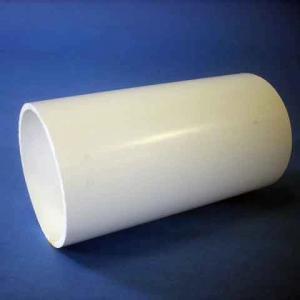
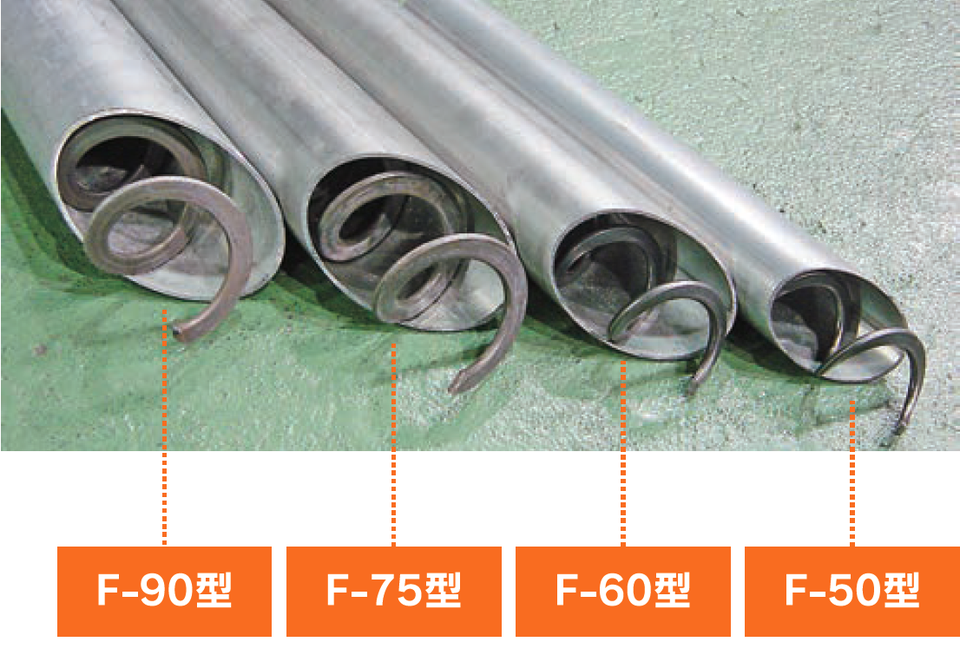
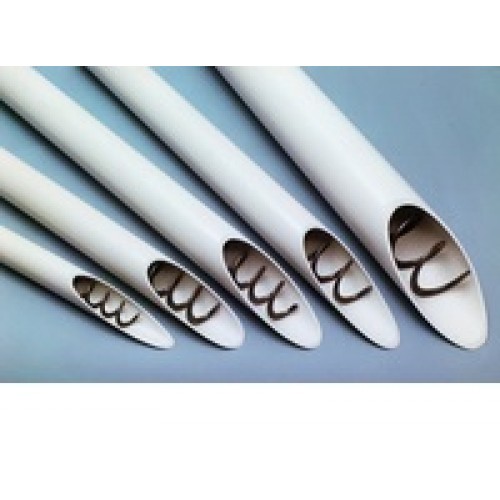
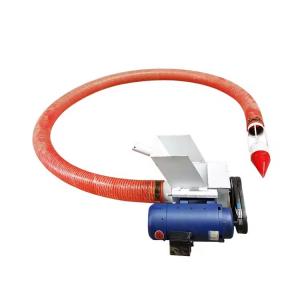
The Flexible Auger Feed Line is an automatic dry-feed conveying system designed to transport livestock feed from external storage silos, day bins or feed hoppers to animal houses, feeding lines, distribution bins and feeding equipment. The system uses a rotating coreless steel auger inside a durable conveying tube. The flexible spiral follows gradual bends in the pipeline, allowing the feed line to be routed around livestock buildings and between silo areas and feeding equipment with fewer complex transfer components. Flexible auger systems are widely used in commercial pig farms and poultry farms for transporting mash, crumble and pellet feed. Pipe diameter, auger size, conveying length, motor configuration, inlet assemblies and discharge points can be selected according to feed characteristics, barn layout and project requirements. |
||||||||||||||||||||||||||||
| Key Features |
|
||||||||||||||||||||||||||||
| Structural Components |
|
||||||||||||||||||||||||||||
| Working Principle |
Dry feed enters the conveying tube through the silo boot or feed inlet. When the drive motor starts, the flexible steel auger rotates inside the tube and advances the feed along the pipeline toward the required delivery point. The coreless spiral can follow properly designed gradual bends while continuing to transport feed. At the discharge location, feed exits through an outlet into a day bin, feeding hopper, automatic feeder or another section of the livestock feeding system. For automatic operation, a level sensor can detect feed demand at the final hopper or feeding point. When feed drops below the configured level, the control system starts the auger. The motor stops when the required feed level is restored. |
||||||||||||||||||||||||||||
| Technical Specifications |
|
||||||||||||||||||||||||||||
| Applications |
|
||||||||||||||||||||||||||||
| Customization Options |
|
||||||||||||||||||||||||||||
| Installation & Maintenance |
System Planning: Confirm silo location, livestock house layout, conveying distance, elevation changes, bend positions, feed type and required delivery capacity before installation. Tube Installation: Conveying tubes should be supported at appropriate intervals and routed with smooth bends. Excessively tight bends should be avoided because they increase auger friction, wear and power demand. Silo Connection: The feed boot should be securely installed below the silo outlet. Feed flow into the auger should be adjusted according to the conveying system and feed characteristics. Drive Unit: The motor and anchor assembly should be mounted securely and aligned with the conveying tube. Suitable overload protection should be included in the electrical control system. Sensor Setup: Where automatic operation is required, the level sensor should be positioned at the final feed point or receiving hopper to provide reliable start and stop signals. Routine Maintenance: Inspect the auger, conveying tube, drive unit, bearings, feed boot, suspension points, sensors and electrical connections regularly. Avoid operating an empty auger for unnecessary periods because dry running can increase component wear. |
||||||||||||||||||||||||||||
| Project Applications |
In a typical commercial pig farm project, the flexible auger feed line connects an outdoor bulk feed silo with an indoor feed distribution system. The conveying tube can pass from the silo area into the pig house and discharge into a day bin, automatic feeder or secondary feeding line. For multi-house projects, separate auger lines can be assigned to different barns or production groups. This arrangement allows feed types and feeding programs to be organized according to animal age, production stage and farm management requirements. SHEWUYOU can configure feed storage, auger conveying, automatic feeding equipment and steel structure building interfaces as part of an integrated livestock farm solution. |
||||||||||||||||||||||||||||
| Product FAQ |
Q: What types of feed can a flexible auger transport? A: Flexible auger systems are primarily designed for compatible dry feed such as mash, crumble and pellets. Feed particle size, density, moisture content and abrasiveness should be confirmed before final equipment selection. Q: Can the auger line include bends? A: Yes. The flexible spiral allows gradual bends in the conveying route. The number and radius of bends should be considered during system design because they influence conveying capacity, friction and maximum line length. Q: How is the correct auger size selected? A: Selection depends on required feed capacity, feed characteristics, conveying distance, elevation, number of bends, operating time and downstream feeding equipment. Q: Can the feed line operate automatically? A: Yes. A level sensor can control the drive motor according to feed demand at the final hopper or feeding point. Q: Can it be connected directly to an outdoor feed silo? A: Yes. A suitable silo boot is installed beneath the silo outlet to introduce feed into the auger conveying line. Q: Can it be installed in an existing pig farm? A: Yes. Retrofit installation is possible where sufficient routing space, structural supports, electrical supply and compatible feed storage equipment are available. Q: What information is required for quotation? A: Please provide animal type, farm capacity, silo location, feed type, required conveying capacity, total conveying distance, elevation difference, number of bends, discharge points, electrical standard and livestock house layout. |
||||||||||||||||||||||||||||
| Product Gallery |
|
- Home
-
Products
- Pig Farming Equipment
- Cattle Farming Equipment
- Sheep & Goat Farming Equipment
- Poultry Farming Equipment
- Feeding & Drinking Systems
- Veterinary & Breeding Equipment
- Testing & Diagnostic Equipment
- Cleaning & Biosecurity Equipment
- Climate Control Equipment
- Livestock Weighing Equipment
- Manure & Waste Management
- Farm Transport & Handling
-
Solutions
- Pig Farm Solutions
- Dairy Farm Solutions
- Beef Cattle Farm Solutions
- Sheep & Goat Farm Solutions
- Layer Farm Solutions
- Broiler Farm Solutions
- Feeding & Drinking System Solutions
- Climate Control Solutions
- Biosecurity & Disinfection Solutions
- Manure & Waste Management
- Smart Farming Solutions
- Farm Renovation and Upgrade Solutions
- Partners
- Projects
- Resources
- News
- About Us
- Contact


Comments & Inquiries
Leave your questions or requirements below. We will reply as soon as possible.