

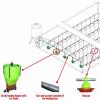
| Product Name | High-Capacity Auger Feed Line | ||||||||||||||||||||||||||||
| Product Image | 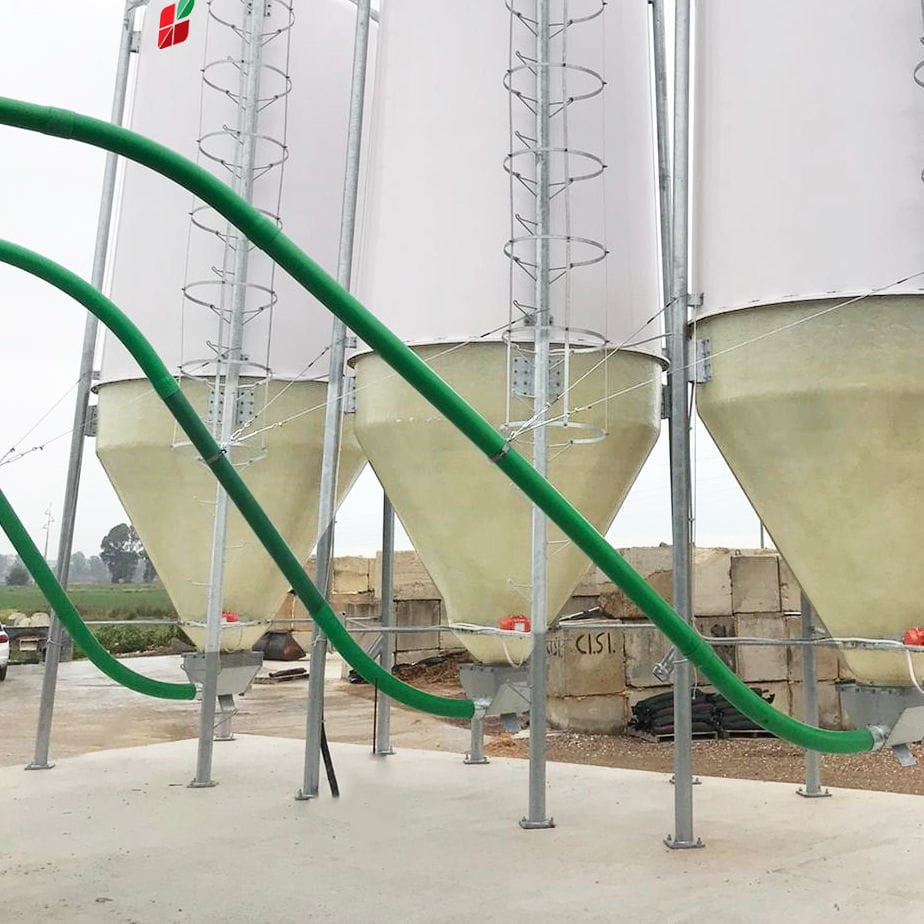 |
||||||||||||||||||||||||||||
| Product Overview |
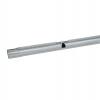
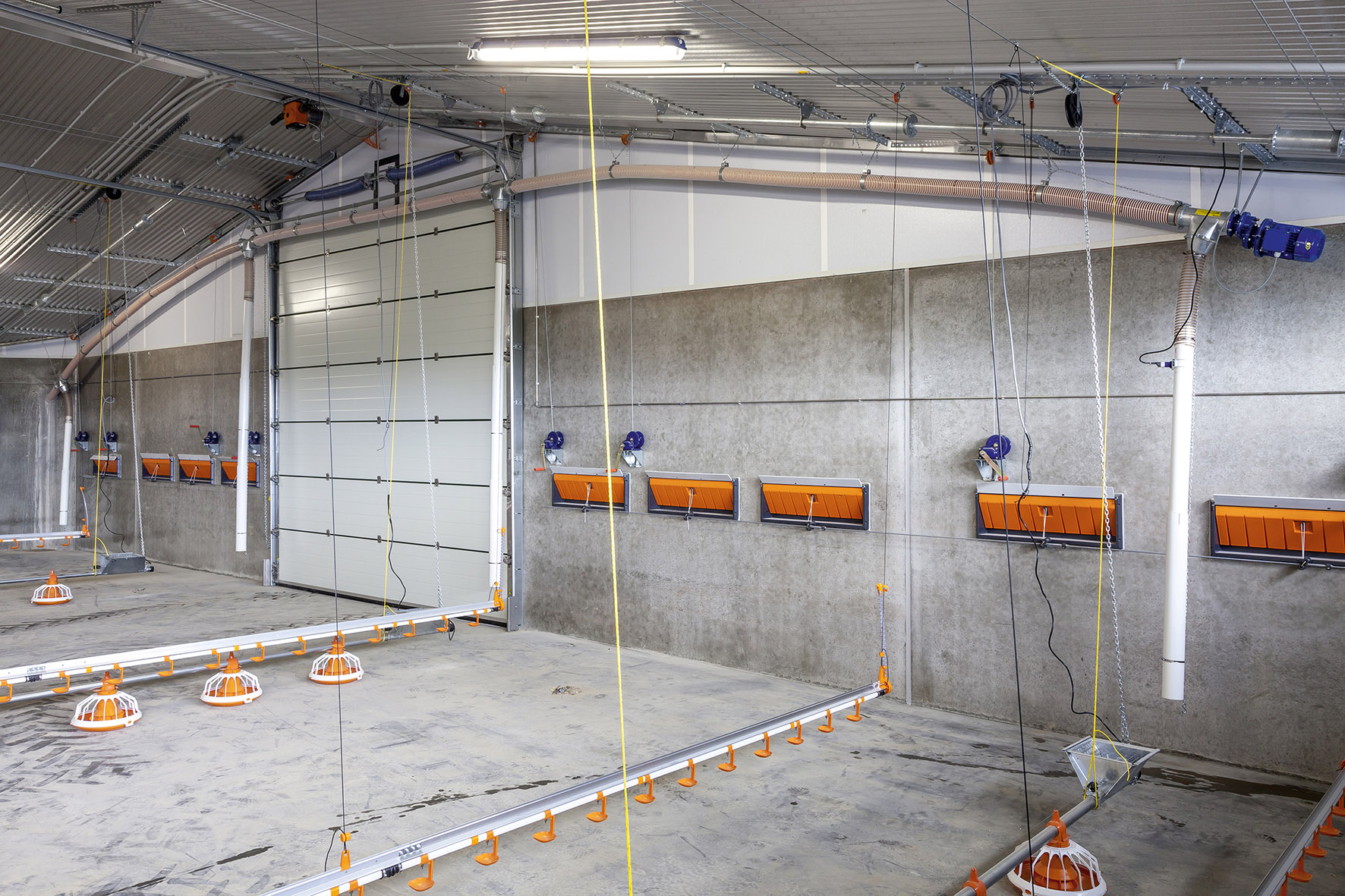
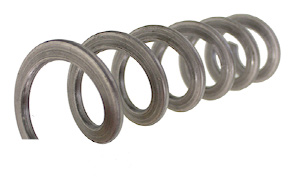
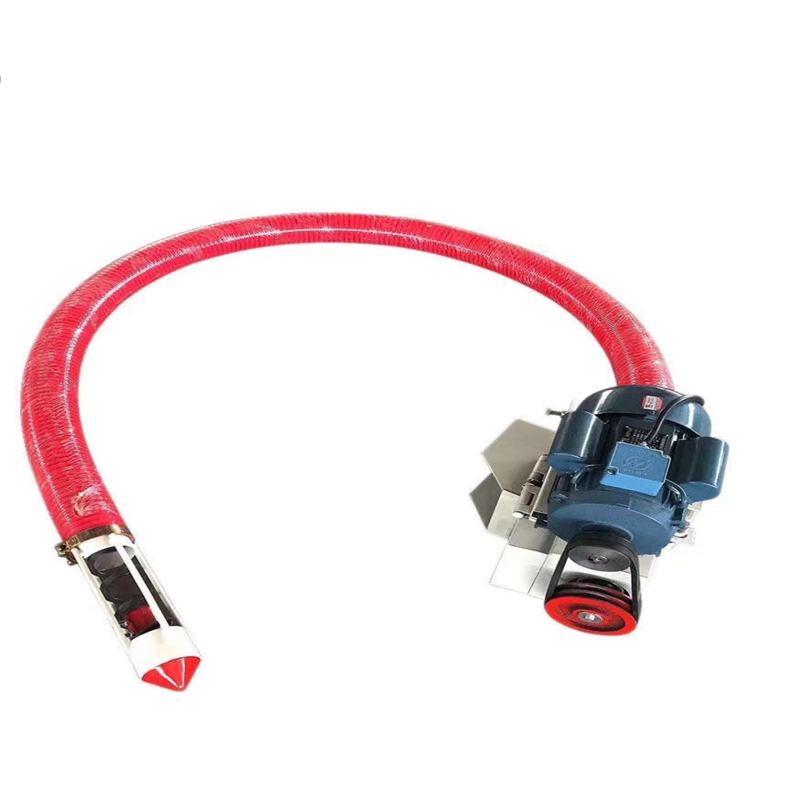
The High-Capacity Auger Feed Line is an enclosed automatic feed conveying system designed to transfer dry livestock feed from outdoor silos, indoor bins or centralized feed storage points to feeding equipment inside pig houses, poultry houses and other commercial livestock facilities. A rotating spiral auger moves feed through enclosed conveying tubes, allowing the line to run horizontally, vertically at suitable inclinations and around properly designed bends. This flexible routing capability makes the system especially suitable for livestock projects where silos and animal houses are separated by different distances or elevations. Depending on the selected tube diameter, auger specification and drive configuration, the system can be engineered for standard or high-capacity feed transport. It can form part of a complete livestock equipment package together with feed silos, silo weighing systems, automatic feeding lines, controllers and farm management equipment. |
||||||||||||||||||||||||||||
| Key Features |
|
||||||||||||||||||||||||||||
| Structural Components |
|
||||||||||||||||||||||||||||
| Working Principle |
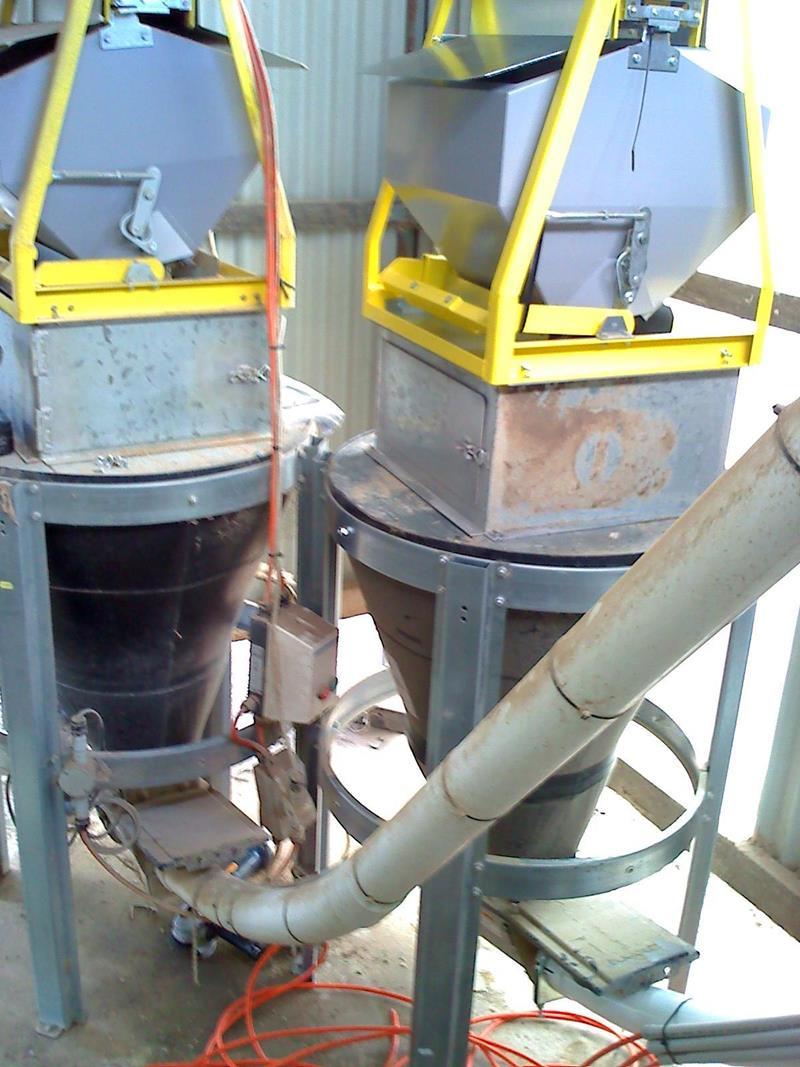
Feed enters the conveying system through the silo boot or feed intake hopper. When the receiving hopper or feeding line calls for feed, the control system activates the electric drive unit. The motor rotates the flexible spiral auger inside the enclosed tube. The rotating spiral continuously pushes feed along the conveying route toward the required discharge point. Because the auger can operate through suitable bends and elevation changes, one feed storage point can serve livestock houses with different layouts. When the receiving hopper reaches the preset feed level, a compatible level sensor signals the controller to stop the drive motor. This demand-based operation reduces unnecessary running time while maintaining a reliable feed supply to the downstream feeding system. |
||||||||||||||||||||||||||||
| Technical Specifications |
|
||||||||||||||||||||||||||||
| Applications |
|
||||||||||||||||||||||||||||
| Customization Options |
|
||||||||||||||||||||||||||||
| Installation & Maintenance |
System Layout: Determine the shortest practical conveying route between the feed silo and receiving equipment while considering building structure, elevation changes, bends and service access. Tube Installation: Conveying tubes should be securely supported and correctly aligned. Bends should use the specified radius to prevent excessive friction, auger wear and motor loading. Drive Installation: The motor and drive assembly should be mounted securely at the specified end of the system and protected from unnecessary moisture and mechanical damage. Commissioning: New auger lines should be operated progressively during initial feed filling. Motor direction, feed flow, sensor operation and control functions should be checked before full-load operation. Routine Maintenance: Regularly inspect the auger, tube joints, elbows, support brackets, motor, gearbox, electrical connections and feed sensors. Worn tubes or auger sections should be replaced before they cause reduced performance or feed leakage. |
||||||||||||||||||||||||||||
| Project Applications |
For a commercial pig farm, the auger feed line can transport feed directly from an outdoor silo to a receiving hopper inside a sow house, nursery building or finishing barn. Multiple feed lines can be arranged when different feed formulations are required for different production stages. In large poultry projects, high-capacity auger systems can deliver feed from centralized storage silos to broiler, breeder or layer houses. Feed outlets can then supply downstream pan feeding or chain feeding systems. For large livestock complexes, the conveying system can be combined with feed silo weighing, feed level monitoring and automatic controllers to create an integrated feed storage, transport and inventory management solution. |
||||||||||||||||||||||||||||
| Product FAQ |
Q: What types of livestock feed can the auger line transport? A: The system is suitable for compatible dry livestock feeds such as pellets, mash and crumbs. Final auger and tube selection should consider particle size, bulk density, moisture content and flow characteristics. Q: How much feed can the system convey? A: Capacity depends on auger diameter, rotational speed, tube design, feed density and conveying route. High-capacity systems can be configured for commercial livestock projects requiring substantially higher feed delivery rates than standard feeder lines. Q: Can the feed line go around corners? A: Yes. Flexible auger systems can use engineered elbows and curved sections. The permitted number and radius of bends depend on the selected auger model and total conveying length. Q: Can it transport feed from outdoor silos into a pig house? A: Yes. This is one of the principal applications. The system can connect an outdoor feed silo with indoor feed hoppers, automatic feeder lines or other receiving equipment. Q: Can one silo supply several feed lines? A: Yes. Suitable single or twin feed bin boots and distribution arrangements can be selected according to silo outlet design and the number of required conveying lines. Q: Can the system operate automatically? A: Yes. Feed level sensors and control panels can automatically start and stop the auger according to feed demand at the receiving point. Q: What information is required for quotation? A: Please provide livestock type, feed type, required conveying capacity, silo location, feed destination, horizontal distance, elevation difference, number of bends, number of feed lines, available power supply and project layout drawings if available. |
||||||||||||||||||||||||||||
| Product Gallery |
|
- Home
-
Products
- Pig Farming Equipment
- Cattle Farming Equipment
- Sheep & Goat Farming Equipment
- Poultry Farming Equipment
- Feeding & Drinking Systems
- Veterinary & Breeding Equipment
- Testing & Diagnostic Equipment
- Cleaning & Biosecurity Equipment
- Climate Control Equipment
- Livestock Weighing Equipment
- Manure & Waste Management
- Farm Transport & Handling
-
Solutions
- Pig Farm Solutions
- Dairy Farm Solutions
- Beef Cattle Farm Solutions
- Sheep & Goat Farm Solutions
- Layer Farm Solutions
- Broiler Farm Solutions
- Feeding & Drinking System Solutions
- Climate Control Solutions
- Biosecurity & Disinfection Solutions
- Manure & Waste Management
- Smart Farming Solutions
- Farm Renovation and Upgrade Solutions
- Partners
- Projects
- Resources
- News
- About Us
- Contact


Comments & Inquiries
Leave your questions or requirements below. We will reply as soon as possible.