

| Product Name | Steel Tube Auger Feed Line | ||||||||||||||||||||||||
| Product Image | 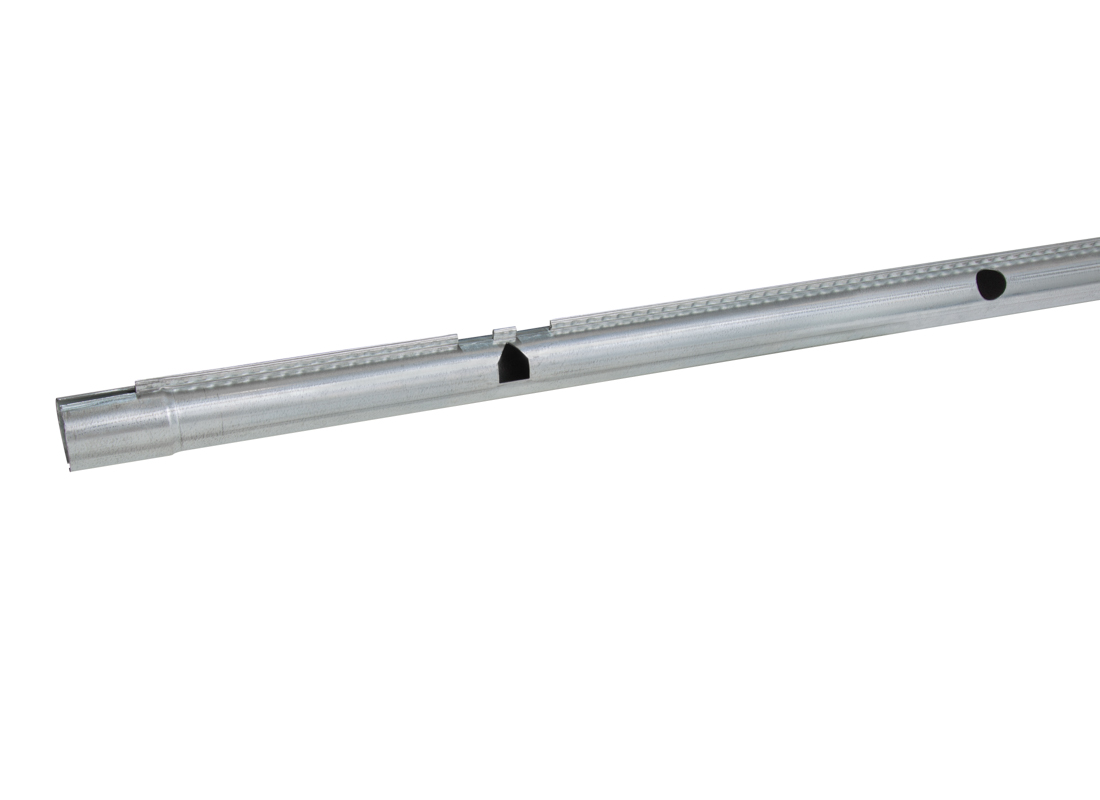 |
||||||||||||||||||||||||
| Product Overview |
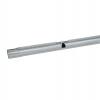
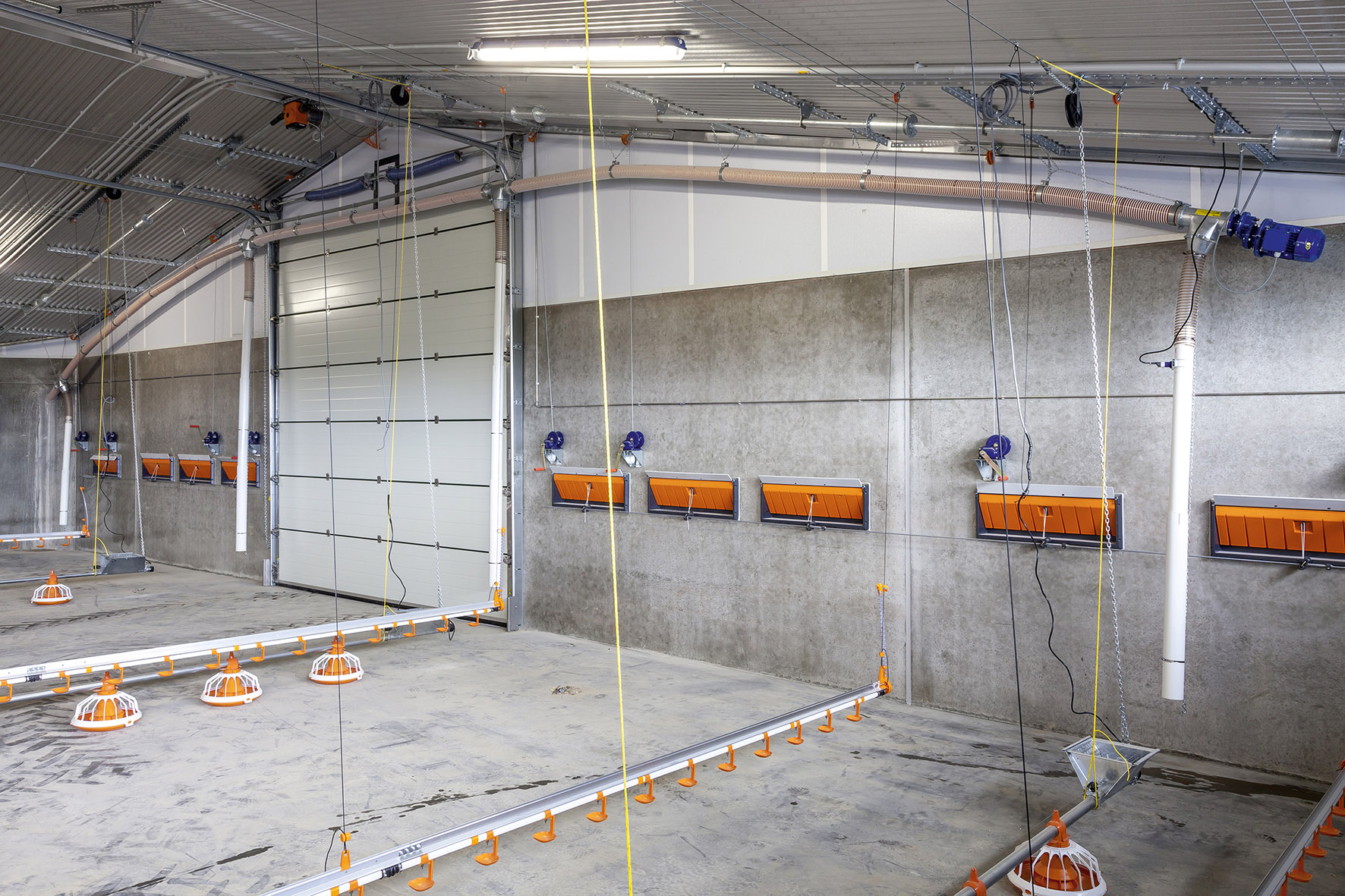
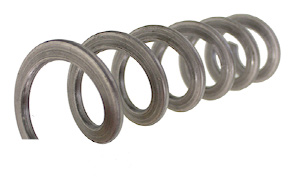
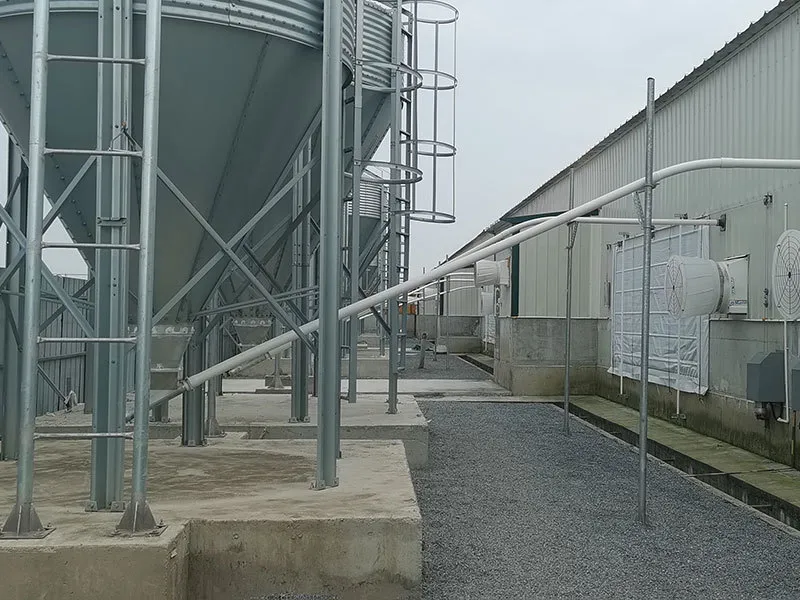
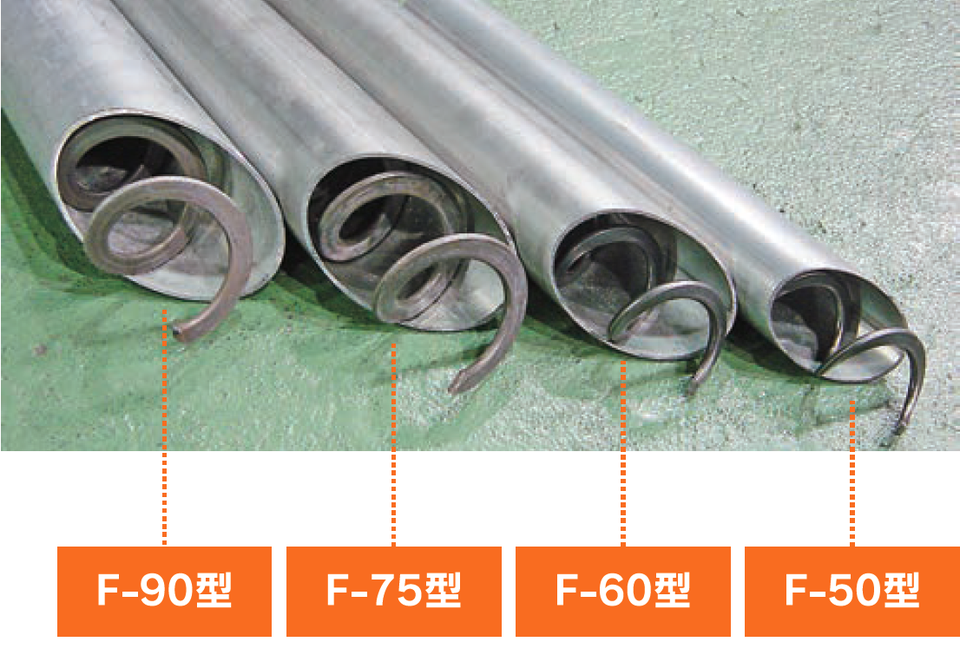
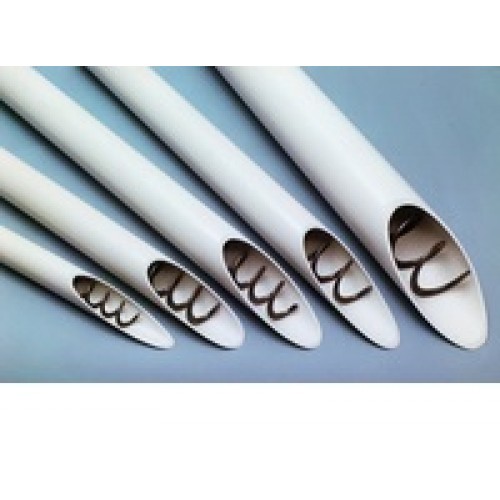
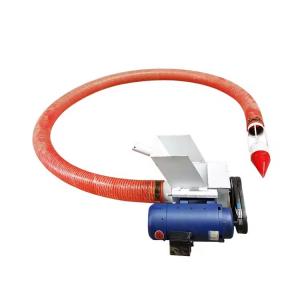
The Steel Tube Auger Feed Line is an enclosed automatic feed conveying system designed for commercial pig farms, poultry houses and other intensive livestock facilities. A rotating flexible or coreless steel auger moves dry feed through rigid steel tubing from the feed silo or receiving hopper to designated feeding points inside the livestock building. Compared with conventional open conveying methods, the enclosed tube structure helps protect feed from external contamination, reduces feed spillage and supports clean, organized farm layouts. Steel tubing is particularly suitable for projects requiring strong mechanical protection, structural rigidity and resistance to wear. The system can be incorporated into new pig farm construction, steel structure livestock buildings and modernization projects. Tube diameter, auger size, conveying capacity, motor configuration, line length, bends, outlets and control functions can be selected according to project requirements. |
||||||||||||||||||||||||
| Key Features |
|
||||||||||||||||||||||||
| Structural Components |
|
||||||||||||||||||||||||
| Working Principle |
Feed enters the steel conveying tube through a silo boot, hopper or transition assembly. When the drive motor starts, the flexible steel auger rotates inside the tube and continuously pushes or carries feed along the enclosed conveying path. The feed can be moved through horizontal, inclined and appropriately designed curved sections before reaching outlet drops, distribution hoppers or downstream feeding equipment. A terminal feed sensor can monitor the receiving point and automatically stop the drive when sufficient feed is available. When the feed level falls, the controller can restart the auger and replenish the system. This automatic cycle provides consistent feed availability while reducing manual handling and unnecessary motor operation. |
||||||||||||||||||||||||
| Technical Specifications |
|
||||||||||||||||||||||||
| Applications |
|
||||||||||||||||||||||||
| Customization Options |
|
||||||||||||||||||||||||
| Installation & Maintenance |
Route Planning: Determine the shortest practical conveying path between the feed silo and receiving equipment. Excessive bends, unnecessary elevation changes and unsuitable tube support spacing should be avoided. Tube Installation: Steel tube sections should be properly aligned and securely joined with compatible couplers. Supports and suspension components should prevent excessive sagging, vibration and movement during operation. Auger Installation: The flexible auger should be installed according to the required line length and maintained under the correct operating condition specified for the selected system. Drive Installation: The motor and gearbox must be mounted securely and aligned with the feed line. Electrical protection and overload protection should comply with local project requirements. Sensor Setup: A feed level sensor can be installed at the terminal hopper or receiving point to control automatic start and stop cycles. Routine Maintenance: Regularly inspect the auger, steel tube, couplers, motor, gearbox, bearings, electrical connections and feed sensors. Worn components should be replaced before they cause excessive friction or feed blockage. |
||||||||||||||||||||||||
| Commercial Farm Benefits |
|
||||||||||||||||||||||||
| Product FAQ |
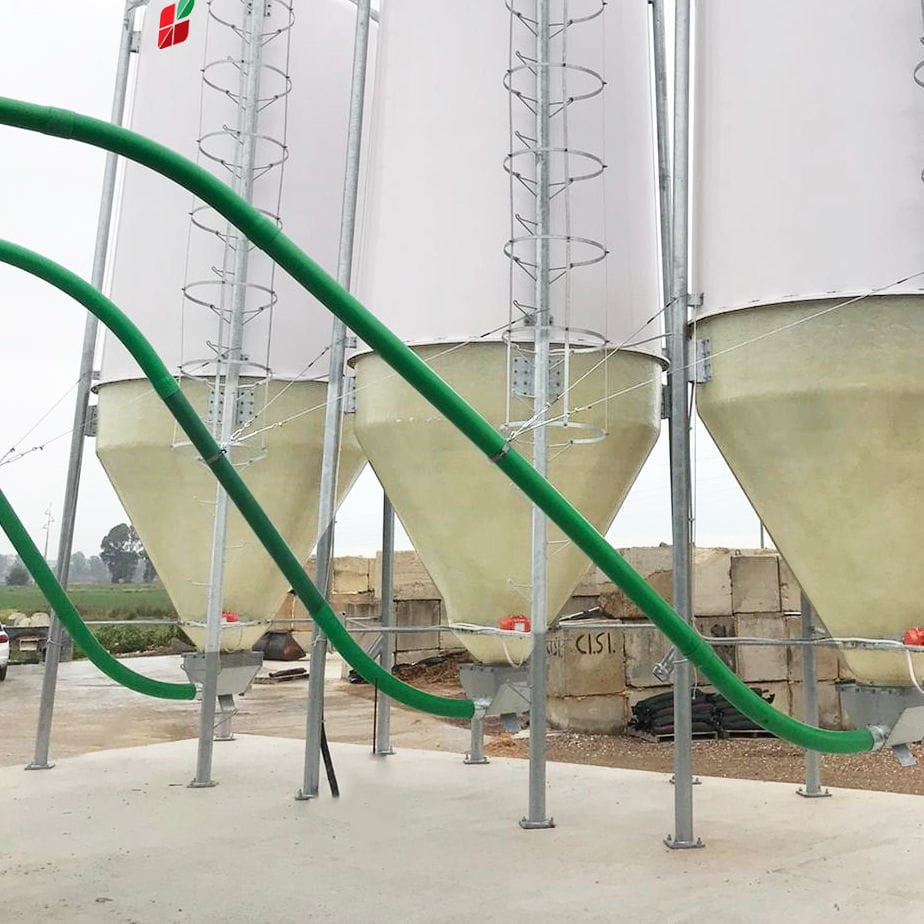
Q: What is the difference between a steel tube auger line and a standard plastic tube system? A: Steel tubing provides greater structural rigidity and mechanical protection and can be selected for higher-wear or demanding installations. The preferred material depends on feed characteristics, installation environment, conveying capacity and project design. Q: Can the feed line move feed around corners? A: Yes. Properly engineered flexible auger systems can convey feed horizontally, vertically through limited elevation changes and around suitable curved sections. The permissible number and radius of bends depend on the selected auger system. Q: Can the system be connected directly to an outdoor feed silo? A: Yes. A silo boot or transition assembly can connect the feed silo discharge to the auger line for automatic transfer into the livestock house. Q: Is automatic start and stop control available? A: Yes. Feed level switches or sensors can control the motor according to feed demand at the receiving point. Q: Is the system suitable for pig farms? A: Yes. Auger feed delivery systems are commonly used in commercial pig production, including grower-finisher facilities and other automatic dry feeding applications. Q: What information is required for a quotation? A: Please provide feed type, required conveying capacity, horizontal distance, vertical rise, number of bends, silo capacity, barn layout, required outlet quantity, available power supply and control requirements. |
||||||||||||||||||||||||
| Product Gallery |
|
- Home
-
Products
- Pig Farming Equipment
- Cattle Farming Equipment
- Sheep & Goat Farming Equipment
- Poultry Farming Equipment
- Feeding & Drinking Systems
- Veterinary & Breeding Equipment
- Testing & Diagnostic Equipment
- Cleaning & Biosecurity Equipment
- Climate Control Equipment
- Livestock Weighing Equipment
- Manure & Waste Management
- Farm Transport & Handling
-
Solutions
- Pig Farm Solutions
- Dairy Farm Solutions
- Beef Cattle Farm Solutions
- Sheep & Goat Farm Solutions
- Layer Farm Solutions
- Broiler Farm Solutions
- Feeding & Drinking System Solutions
- Climate Control Solutions
- Biosecurity & Disinfection Solutions
- Manure & Waste Management
- Smart Farming Solutions
- Farm Renovation and Upgrade Solutions
- Partners
- Projects
- Resources
- News
- About Us
- Contact


Comments & Inquiries
Leave your questions or requirements below. We will reply as soon as possible.