

| Product Name | Coreless Flexible Auger Feed System | ||||||||||||||||||||||||||||
| Product Image | 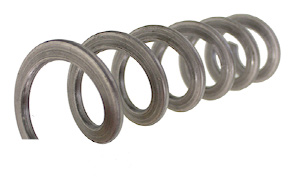 |
||||||||||||||||||||||||||||
| Product Overview |
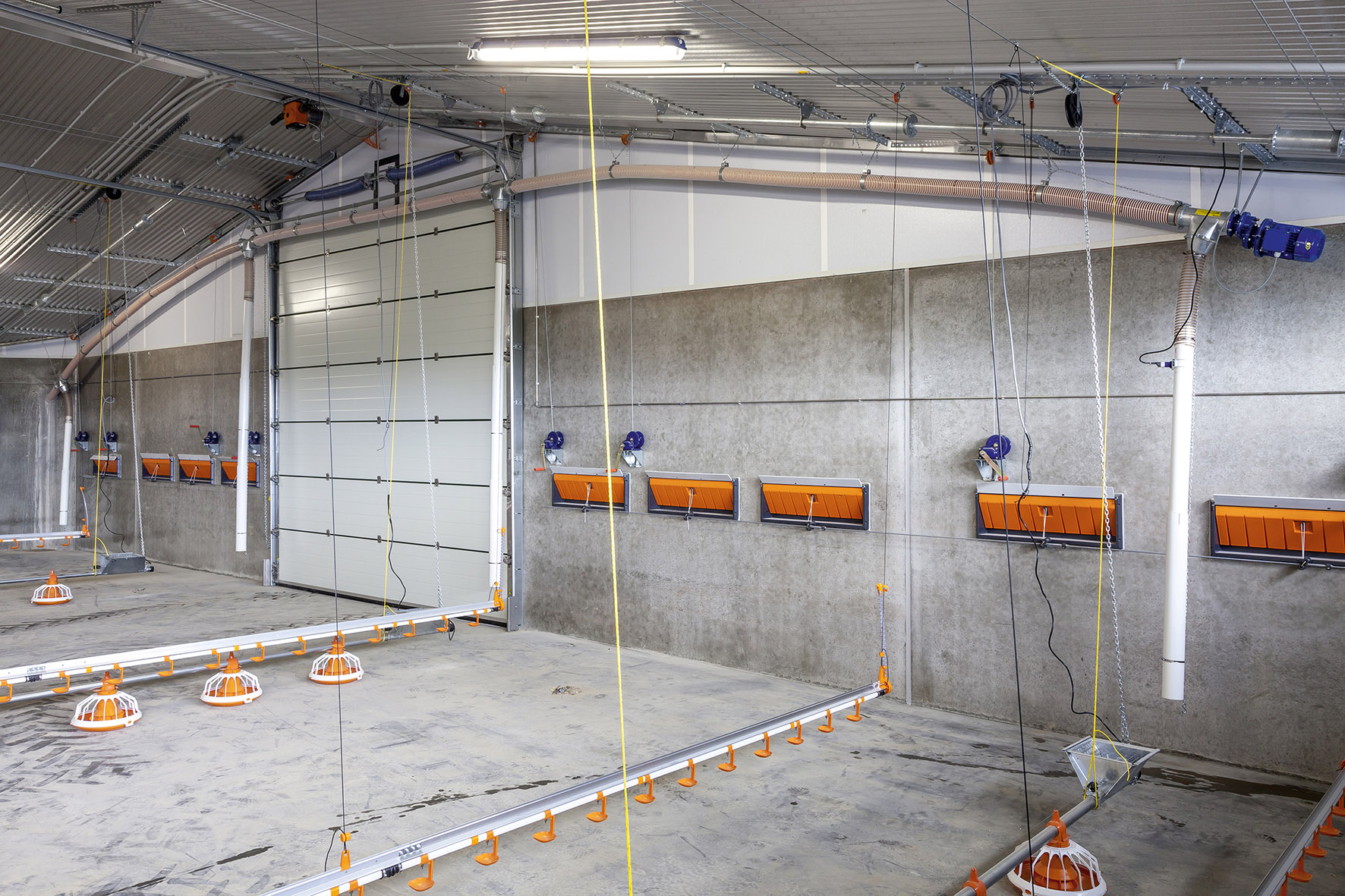
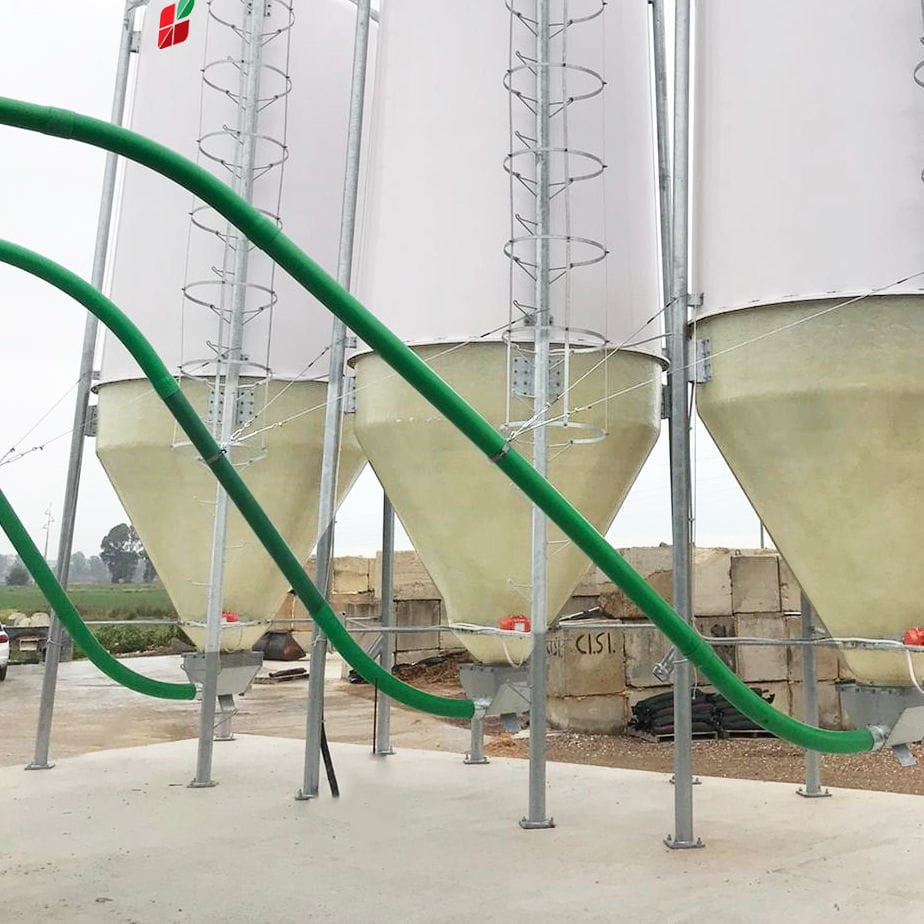
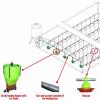
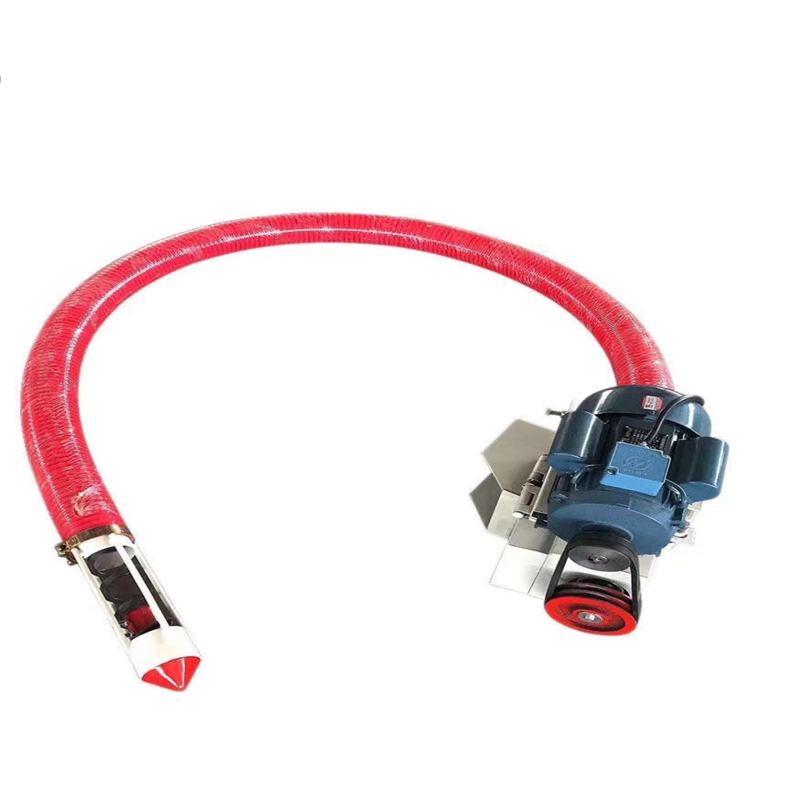
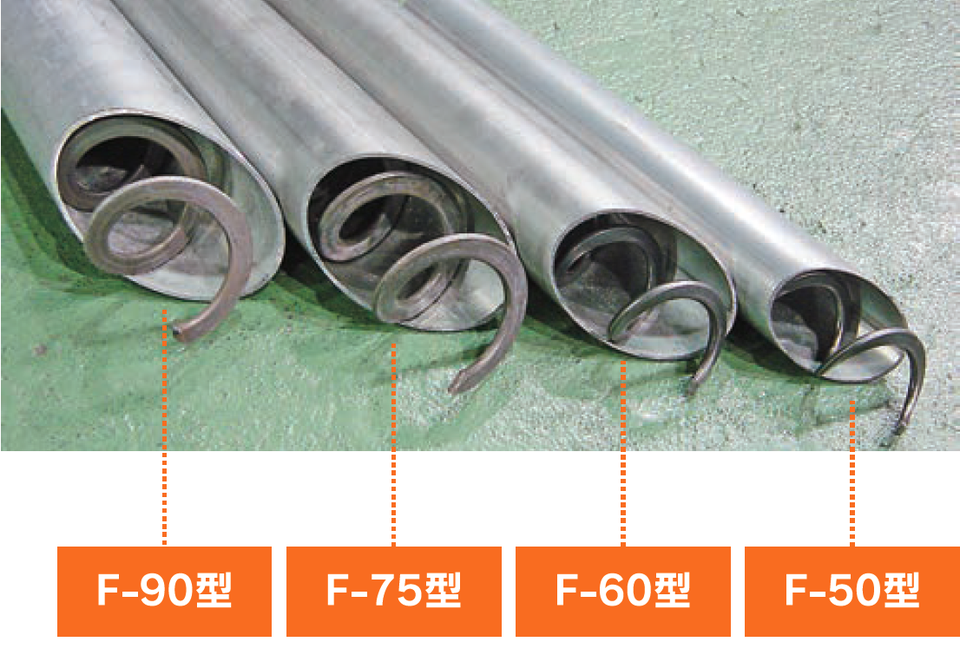
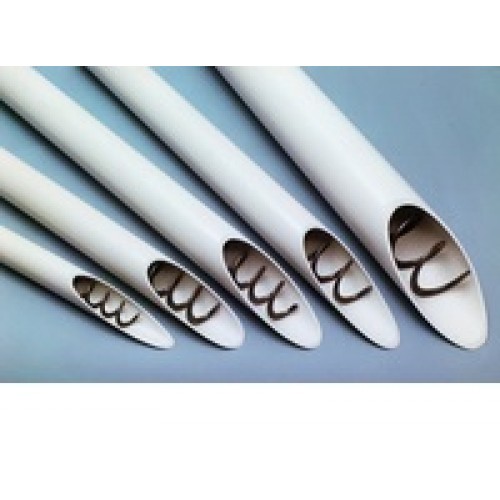
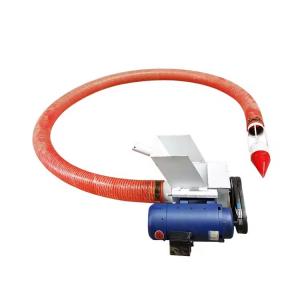
The Coreless Flexible Auger Feed System is an enclosed automatic feed conveying solution designed to transfer dry livestock feed from outdoor silos, storage bins or intermediate hoppers to feeding equipment inside pig houses, poultry houses and other intensive livestock facilities. A flexible coreless steel auger rotates inside a durable conveying tube and moves pellets, granules, mash or compatible mixed feed through straight, inclined and curved sections. The absence of a central shaft allows the auger to follow gradual changes in direction while maintaining a compact and practical conveyor layout. The system is suitable for new pig farm construction, poultry projects, steel structure livestock buildings and modernization of existing automatic feeding installations. Tube diameter, conveying capacity, line length, motor power, silo connection and outlet arrangement can be configured according to project requirements. |
||||||||||||||||||||||||||||
| Key Features |
|
||||||||||||||||||||||||||||
| Structural Components |
|
||||||||||||||||||||||||||||
| Working Principle |
Feed enters the conveying tube through the silo boot or loading hopper. When the drive motor is activated, the flexible coreless auger rotates inside the tube and carries feed along the conveyor toward the receiving point. Because the spiral does not use a continuous center shaft, it can operate through appropriately designed curved sections. This enables practical routing around structural obstacles and between outdoor feed silos and livestock houses. At the receiving end, feed is discharged through an outlet drop, control unit or extension hopper into a feeder line or storage hopper. A level or demand sensor can stop the motor when the receiving equipment is full and restart the conveyor when additional feed is required. The closed conveying path helps maintain a controlled feed flow while reducing unnecessary dust and manual feed handling throughout the commercial farm. |
||||||||||||||||||||||||||||
| Technical Specifications |
|
||||||||||||||||||||||||||||
| Applications |
|
||||||||||||||||||||||||||||
| Customization Options |
|
||||||||||||||||||||||||||||
| Installation & Maintenance |
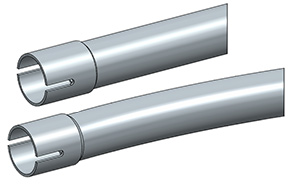
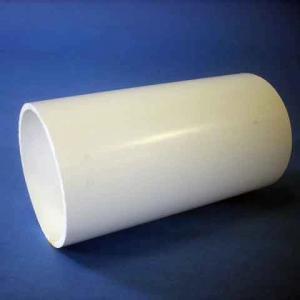
System Layout: Confirm the position of the feed silo, receiving hopper, building entrance, elevation changes and required conveying route before installation. Excessive bends and unnecessary changes in direction should be avoided. Silo Connection: Install the boot or transition securely beneath the silo outlet and ensure that the feed gate can be accessed for operation, inspection and maintenance. Tube Support: Conveying tubes should be properly supported along the route. Reference flexible auger systems commonly use regular suspension intervals, with final spacing selected according to the equipment design and building structure. Auger Installation: The flexible spiral should be installed without sharp bends, deformation or incorrect tension. Tube joints should remain aligned and secure. Electrical Commissioning: Confirm motor rotation direction, overload protection and sensor operation before introducing feed into the system. Routine Maintenance: Periodically inspect the auger, PVC tubing, elbows, drive unit, bearings, sensors, silo boot and outlet drops. Remove accumulated feed and check worn components before they affect conveying performance. |
||||||||||||||||||||||||||||
| Commercial Farm Benefits |
|
||||||||||||||||||||||||||||
| Product FAQ |
Q: What is a coreless flexible auger feed system? A: It is an enclosed feed conveyor that uses a flexible steel spiral without a continuous center shaft to move dry feed through a tubular conveying line. Q: What types of feed can the system transport? A: Suitable systems can convey pellets, granules, mash and compatible dry mixed feed. Final equipment selection should consider feed density, particle size, flowability and required capacity. Q: Can the feed line operate around curves? A: Yes. A major advantage of the flexible coreless auger is its ability to operate through appropriately designed curved sections. Minimum bend radius and maximum line length depend on the selected model. Q: Can the system automatically stop when the receiving hopper is full? A: Yes. Mechanical, membrane, capacitive or other compatible level sensors can be used to control automatic start and stop operation. Q: Can one silo supply several livestock houses? A: Multi-line and extension configurations can be designed according to silo position, farm layout, required conveying capacity and line length. Q: Is it suitable for existing pig farms? A: Yes. Flexible auger systems can often be installed as retrofit feed conveying solutions when the existing silo outlets, building layout and electrical supply are suitable. Q: What information is required for a quotation? A: Please provide feed type, required capacity, silo quantity, conveying distance, horizontal and vertical layout, number of bends, outlet quantity, receiving equipment, power supply and livestock-house drawings if available. |
||||||||||||||||||||||||||||
| Product Gallery |
|
- Home
-
Products
- Pig Farming Equipment
- Cattle Farming Equipment
- Sheep & Goat Farming Equipment
- Poultry Farming Equipment
- Feeding & Drinking Systems
- Veterinary & Breeding Equipment
- Testing & Diagnostic Equipment
- Cleaning & Biosecurity Equipment
- Climate Control Equipment
- Livestock Weighing Equipment
- Manure & Waste Management
- Farm Transport & Handling
-
Solutions
- Pig Farm Solutions
- Dairy Farm Solutions
- Beef Cattle Farm Solutions
- Sheep & Goat Farm Solutions
- Layer Farm Solutions
- Broiler Farm Solutions
- Feeding & Drinking System Solutions
- Climate Control Solutions
- Biosecurity & Disinfection Solutions
- Manure & Waste Management
- Smart Farming Solutions
- Farm Renovation and Upgrade Solutions
- Partners
- Projects
- Resources
- News
- About Us
- Contact

Comments & Inquiries
Leave your questions or requirements below. We will reply as soon as possible.