
| Product Name | Integrated Waterline Cleaning and Monitoring System | ||||||||||||||||||||||||
| Product Image |  |
||||||||||||||||||||||||
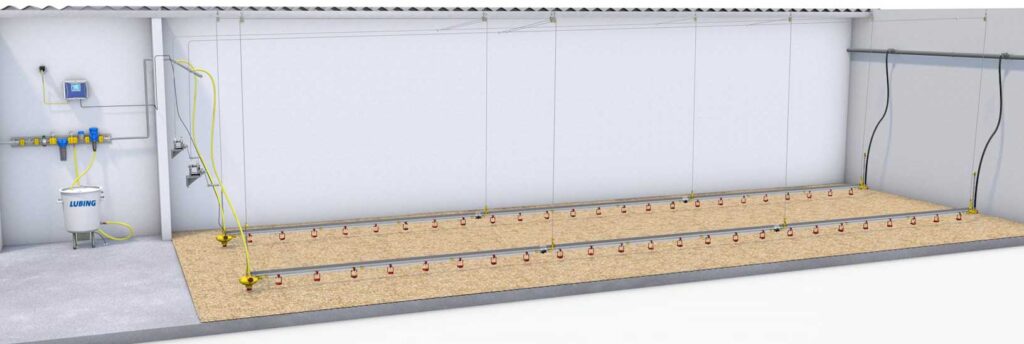
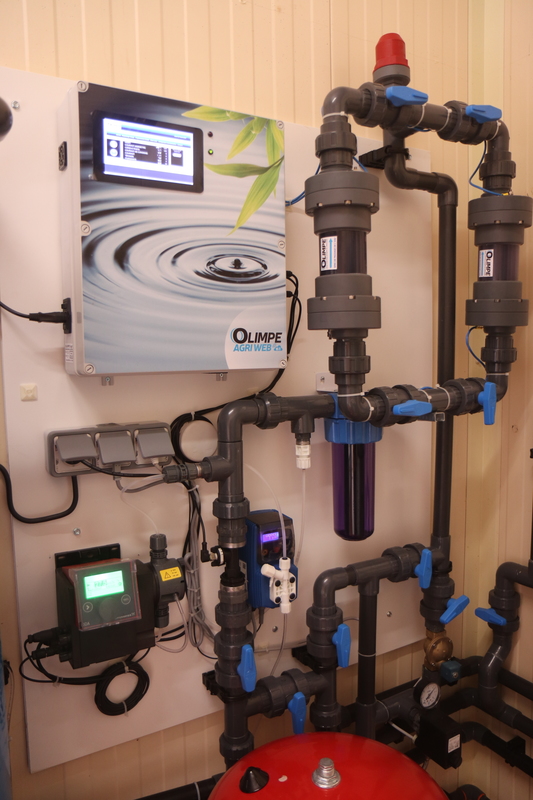
| Product Overview | The Integrated Waterline Cleaning and Monitoring System is designed for centralized management of drinking water lines in commercial poultry houses. It combines automatic pipeline flushing, water consumption monitoring, shortage alarms and optional dosing control in one coordinated water-management platform. The system continuously supervises key operating conditions and can automatically perform programmed flushing cycles to help remove stagnant water and deposits from drinking lines. Water-use data can also be recorded for production management and early detection of abnormal consumption patterns. Depending on the project configuration, the system can interface with poultry house environmental control equipment and provide audible, visual or network-based alarms when insufficient water supply or abnormal consumption is detected. |
||||||||||||||||||||||||
| Key Features |
|
||||||||||||||||||||||||
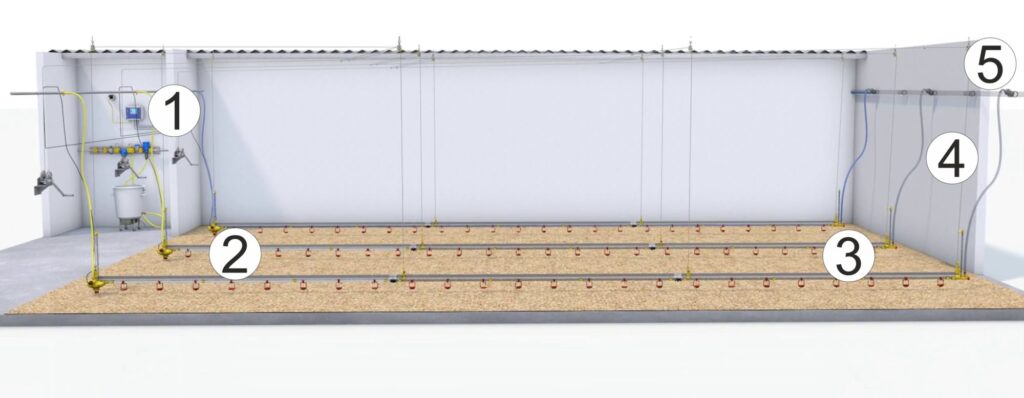
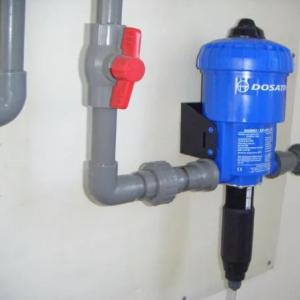
| Structural Components | A typical integrated waterline cleaning and monitoring system may include:
|
||||||||||||||||||||||||
| Working Principle | During normal operation, the control system monitors drinking water consumption and the operating status of connected water lines. When configured with a pulse water meter, water-use information is collected and displayed for production management. Automatic flushing cycles can be started according to preset parameters. The controller opens the corresponding flushing valves, allowing higher water flow through selected drinking lines and discharging flushing water through the line-end drainage arrangement. Pulse flushing can be organized into different groups according to system configuration. After the programmed cleaning cycle is completed, the lines return to normal drinking operation. When a shortage condition is detected at the end of a water line, the controller can activate an alarm. Upper and lower water consumption thresholds can also be used to identify possible excessive consumption, leakage or inadequate water supply. |
||||||||||||||||||||||||
| Technical Specifications |
|
||||||||||||||||||||||||
| Applications |
|
||||||||||||||||||||||||
| Customization Options |
|
||||||||||||||||||||||||
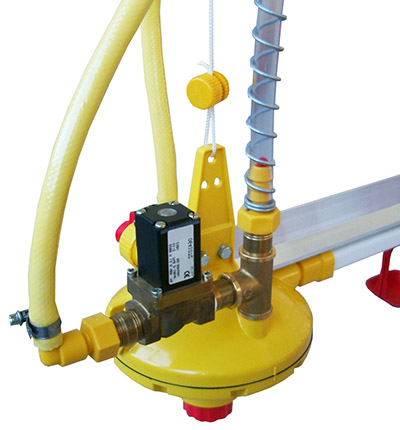
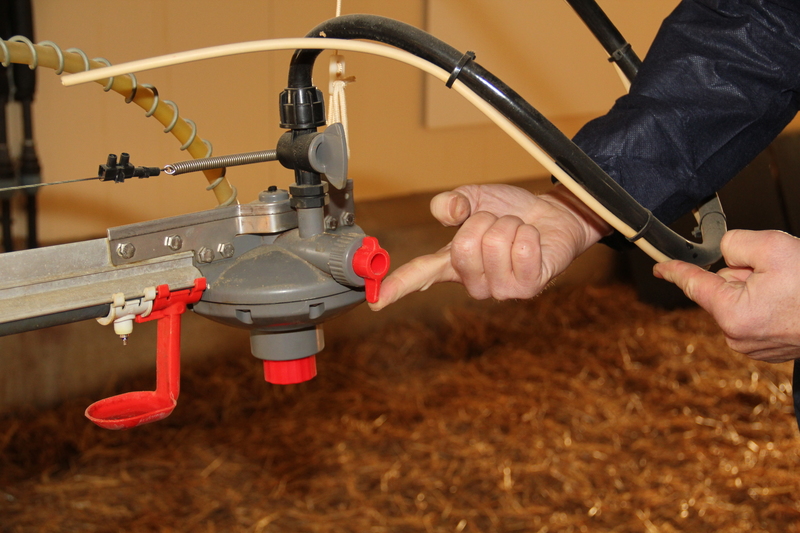
| Installation & Maintenance | Before installation, confirm the number of drinking lines, water supply layout, flushing drainage route, electrical supply and required monitoring functions. The control unit should be installed in an accessible indoor location suitable for livestock-house electrical equipment. Flushing valves, sensors and monitoring devices should be connected according to the project wiring and pipeline drawings. Line-end drainage should be routed to an appropriate discharge point so that flushing water can leave the poultry house drinking system efficiently without wetting production areas. After installation, each flushing line should be tested individually. Alarm functions, water-flow monitoring and dosing controls should also be commissioned before normal production. Routine maintenance should include inspection of filters, valves, sensors, flow meters, dosing components and drainage connections. Drinking lines should be flushed according to farm water quality, production stage and hygiene-management requirements. |
||||||||||||||||||||||||
| Project Cases | Integrated waterline management is particularly suitable for large commercial poultry projects with multiple drinking lines or cage tiers. Centralized control allows operators to manage flushing schedules and monitor water consumption without manually opening every drinking line. For multi-house poultry farms, the control capacity and monitoring arrangement can be configured according to the number of buildings, production sections and drinking lines. The system can also be planned together with pressure regulators, filters, medicators, nipple drinking lines, environmental controllers and other livestock equipment during new poultry farm construction or steel structure building projects. |
||||||||||||||||||||||||
| Product FAQ | Q: What functions can be integrated into this system? A: Depending on configuration, the system can provide automatic flushing, water consumption monitoring, water shortage alarms, drinking-volume limit alarms and automatic dosing control. Q: Can it automatically flush multiple drinking lines? A: Yes. The reference configuration supports automatic flushing and can manage multiple water lines according to programmed settings. Q: How many water lines can the reference system control? A: The reference SX-YS configuration specifies control of 1 to 72 water lines. Q: Can the system detect insufficient drinking water? A: Yes. Line-end shortage detection can provide alarm signals when insufficient water is detected. Q: Can water consumption be monitored? A: Yes. When the required water-metering components are installed, the system can record current and historical drinking-water consumption. Q: Can abnormal water consumption generate an alarm? A: Yes. Upper and lower consumption limits can be configured to assist with identifying possible leakage or insufficient water supply. Q: Is automatic dosing available? A: Yes. The reference system includes automatic dosing functions, including configurable dosing timing and pipeline cleaning procedures. Q: Can the system communicate with other farm controls? A: Communication and integration options can be provided according to the environmental control system and project requirements. |
||||||||||||||||||||||||
| Product Gallery | 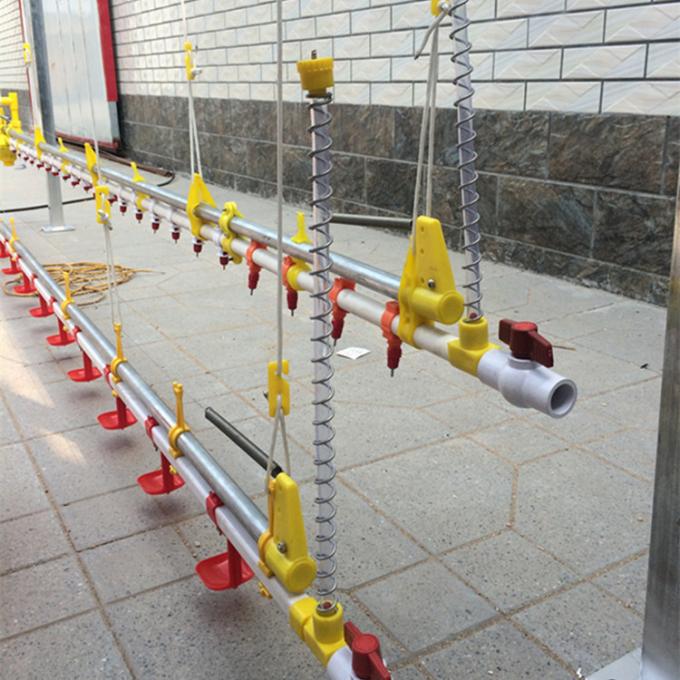 |
- Home
-
Products
- Pig Farming Equipment
- Cattle Farming Equipment
- Sheep & Goat Farming Equipment
- Poultry Farming Equipment
- Feeding & Drinking Systems
- Veterinary & Breeding Equipment
- Testing & Diagnostic Equipment
- Cleaning & Biosecurity Equipment
- Climate Control Equipment
- Livestock Weighing Equipment
- Manure & Waste Management
- Farm Transport & Handling
-
Solutions
- Pig Farm Solutions
- Dairy Farm Solutions
- Beef Cattle Farm Solutions
- Sheep & Goat Farm Solutions
- Layer Farm Solutions
- Broiler Farm Solutions
- Feeding & Drinking System Solutions
- Climate Control Solutions
- Biosecurity & Disinfection Solutions
- Manure & Waste Management
- Smart Farming Solutions
- Farm Renovation and Upgrade Solutions
- Partners
- Projects
- Resources
- News
- About Us
- Contact
Comments & Inquiries
Leave your questions or requirements below. We will reply as soon as possible.