
| Product Name | Free Chlorine Drinking Water Tester | ||||||||||||||||||||||||||||
| Product Image |  |
||||||||||||||||||||||||||||
| Product Overview |
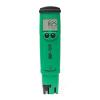
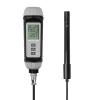
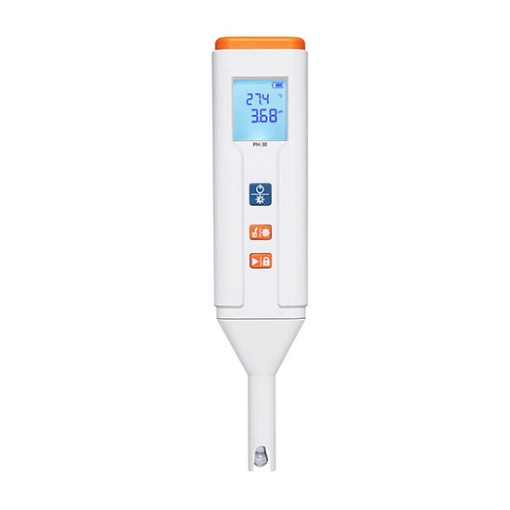
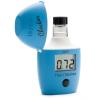
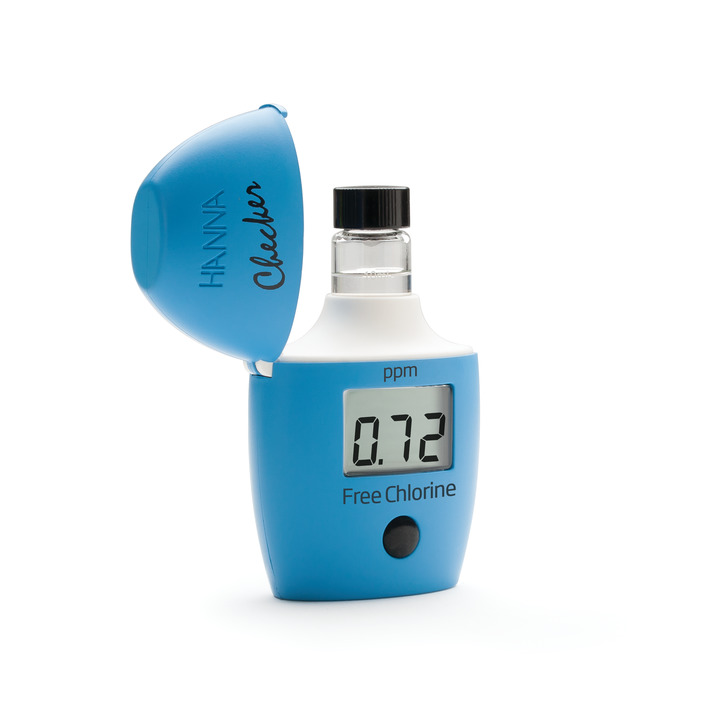
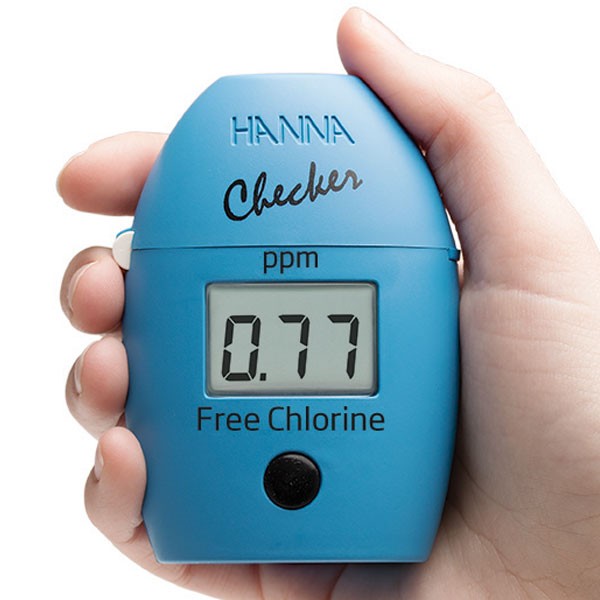
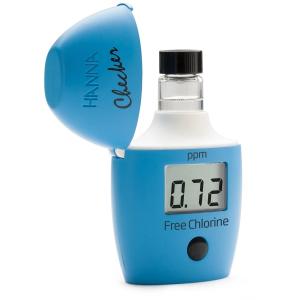
The Free Chlorine Drinking Water Tester is a compact digital colorimeter designed for rapid measurement of free chlorine in drinking water. It provides farm managers, technicians and livestock equipment service teams with a convenient method for checking disinfectant residuals in poultry and livestock water systems. Unlike visual color comparison kits, a digital colorimeter measures the reaction between the water sample and the appropriate reagent and displays the free chlorine concentration directly. This helps improve consistency during routine monitoring of water treatment and sanitation programs. The tester is suitable for commercial poultry houses, pig farms, breeder facilities, livestock water treatment rooms and agricultural engineering projects. Its portable construction allows testing at source water points, storage tanks, dosing equipment outlets and drinking line endpoints. |
||||||||||||||||||||||||||||
| Key Features |
|
||||||||||||||||||||||||||||
| Structural Components |
The final package can be supplied according to project requirements, including additional reagents, calibration check standards and replacement cuvettes where required. |
||||||||||||||||||||||||||||
| Working Principle |
The tester operates using a colorimetric DPD method. A freshwater sample is first placed into the cuvette and used to establish the optical zero reference. Free chlorine reagent is then added to the sample. Free chlorine reacts with the reagent and produces a pink color whose intensity is related to the chlorine concentration. The sample is returned to the measurement chamber, where an LED light source passes through the solution. A silicon photocell detects the transmitted light, and the instrument calculates and displays the free chlorine concentration in ppm. |
||||||||||||||||||||||||||||
| Technical Specifications |
Note: The measurement range, accuracy, optical system, dimensions, accessories and reagent package listed above are based on the reference configuration. Final specifications should be confirmed according to the selected product model. |
||||||||||||||||||||||||||||
| Applications |
The tester can also be included in water quality inspection packages for livestock equipment, pig farm construction and steel structure building projects where drinking water systems require routine sanitation monitoring. |
||||||||||||||||||||||||||||
| Customization Options |
Accessory quantities and testing kit combinations can be configured according to farm size, testing frequency and project requirements. |
||||||||||||||||||||||||||||
| Operation & Maintenance |
Before testing, use a clean sample cuvette and fill it with the required amount of freshwater sample according to the instrument operating instructions. Wipe the outside of the cuvette to remove fingerprints, water droplets and contamination that could affect optical measurement. Zero the instrument using the untreated sample, then add the specified free chlorine reagent. Mix according to the reagent instructions and return the cuvette to the measurement chamber before taking the final reading. After testing, rinse the cuvettes thoroughly and keep the optical surfaces clean. Store reagents according to their specified conditions and replace expired reagents. Periodic verification with suitable calibration standards can help confirm instrument performance. |
||||||||||||||||||||||||||||
| Commercial Farm Use |
On commercial poultry and pig farms, free chlorine concentration can be checked at several locations within the drinking water network. Common sampling points include the incoming water source, storage tank, chlorination dosing station outlet, poultry house inlet and drinking line endpoint. Comparing results from different locations can help farm technicians evaluate whether the drinking water sanitation program is operating consistently throughout the distribution network. During new pig farm construction or poultry steel structure building projects, portable chlorine testing instruments can also support commissioning and routine inspection of livestock drinking water equipment and disinfection systems. |
||||||||||||||||||||||||||||
| Product FAQ |
Q: What does a free chlorine drinking water tester measure? Q: Can it be used for poultry drinking water? Q: Why is free chlorine testing important on livestock farms? Q: Does the tester require reagents? Q: Can it test total chlorine? Q: Is the tester suitable for large commercial farms? |
||||||||||||||||||||||||||||
| Product Gallery |
|
- Home
-
Products
- Pig Farming Equipment
- Cattle Farming Equipment
- Sheep & Goat Farming Equipment
- Poultry Farming Equipment
- Feeding & Drinking Systems
- Veterinary & Breeding Equipment
- Testing & Diagnostic Equipment
- Cleaning & Biosecurity Equipment
- Climate Control Equipment
- Livestock Weighing Equipment
- Manure & Waste Management
- Farm Transport & Handling
-
Solutions
- Pig Farm Solutions
- Dairy Farm Solutions
- Beef Cattle Farm Solutions
- Sheep & Goat Farm Solutions
- Layer Farm Solutions
- Broiler Farm Solutions
- Feeding & Drinking System Solutions
- Climate Control Solutions
- Biosecurity & Disinfection Solutions
- Manure & Waste Management
- Smart Farming Solutions
- Farm Renovation and Upgrade Solutions
- Partners
- Projects
- Resources
- News
- About Us
- Contact

Comments & Inquiries
Leave your questions or requirements below. We will reply as soon as possible.