
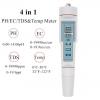
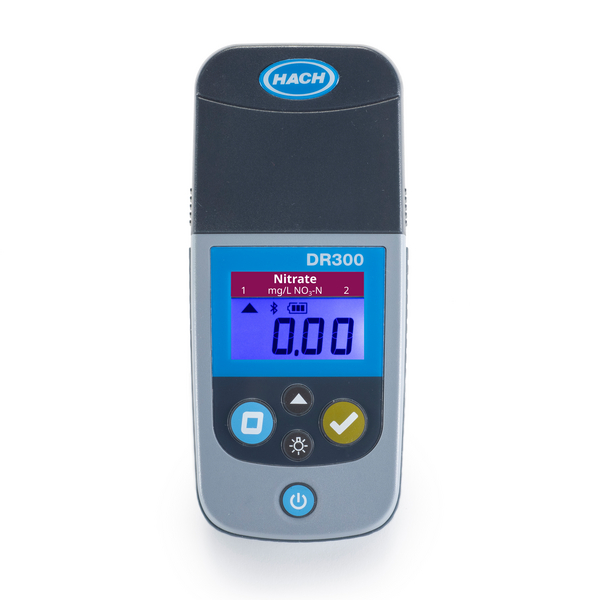
| Product Name | Portable Drinking Water ORP Meter | ||||||||||||||||||||||||||
| Product Image | 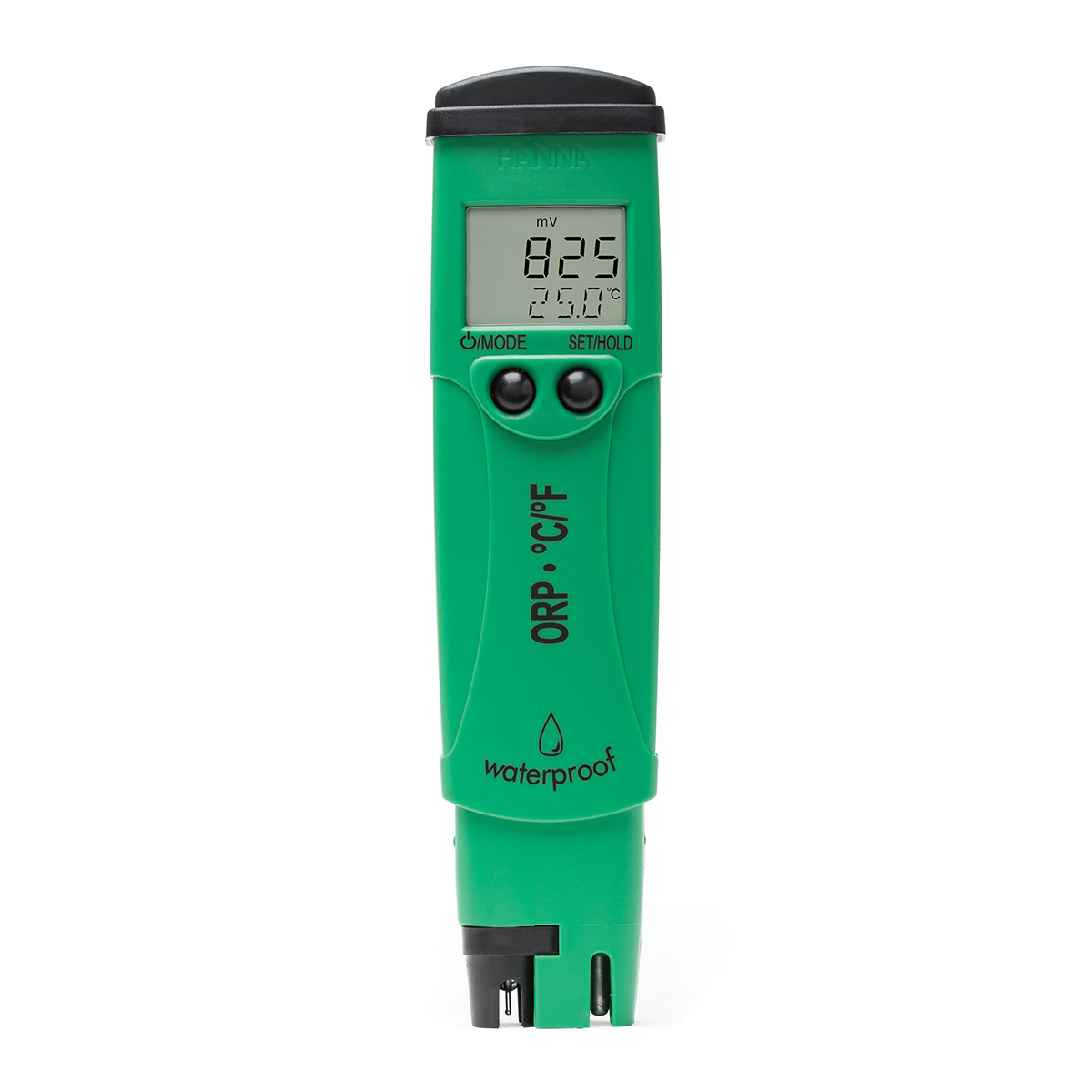 |
||||||||||||||||||||||||||
| Product Overview |
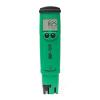
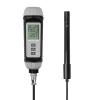
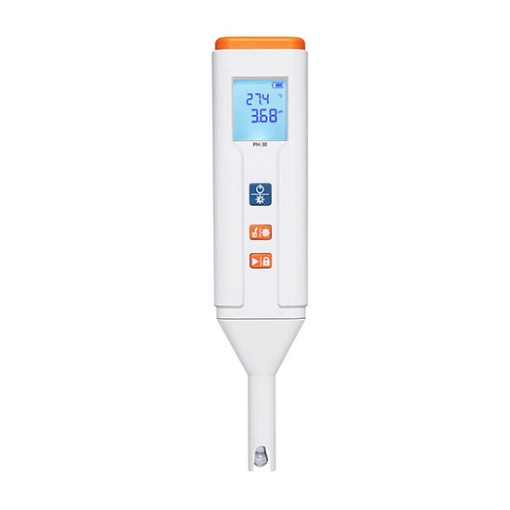
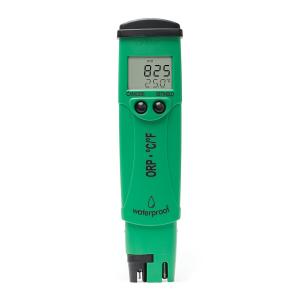
The Portable Drinking Water ORP Meter is a compact handheld instrument designed to measure oxidation-reduction potential in poultry and livestock drinking water systems. ORP measurement provides a practical indication of the oxidizing or reducing condition of water and can assist farm technicians in evaluating water treatment and disinfection processes. The meter is suitable for routine testing at source water points, storage tanks, treatment equipment outlets, nipple drinking lines and terminal drinking points. Its portable structure makes it convenient for technicians working across multiple poultry houses, pig buildings and livestock production areas. For commercial farm water management, ORP monitoring can be used together with pH, disinfectant residual and other water quality parameters to support more systematic drinking water sanitation and livestock equipment maintenance programs. |
||||||||||||||||||||||||||
| Key Features |
|
||||||||||||||||||||||||||
| Structural Components |
The final configuration can be selected according to livestock water testing requirements, measurement frequency and operating environment. |
||||||||||||||||||||||||||
| Working Principle |
ORP, or oxidation-reduction potential, indicates the tendency of water to accept or donate electrons during oxidation and reduction reactions. The measurement is expressed in millivolts. When the ORP electrode is immersed in a water sample, its sensing surface responds to the oxidation-reduction condition of the solution. The instrument converts the electrical potential difference into a digital mV reading. In livestock drinking water systems, ORP measurements can help operators evaluate changes associated with oxidizing disinfectants such as chlorine or ozone. ORP should be interpreted together with the specific disinfectant concentration, pH, water chemistry and farm sanitation program rather than used as the only water quality indicator. |
||||||||||||||||||||||||||
| Technical Specifications |
Note: The reference values above are based on a typical professional portable ORP tester configuration. Final ORP range, accuracy, temperature function, electrode type, enclosure rating and supplied accessories should be confirmed according to the selected product model. |
||||||||||||||||||||||||||
| Applications |
The portable meter is also suitable for water quality inspection during livestock equipment installation, pig farm construction and steel structure building projects where drinking water systems require commissioning and routine operational checks. |
||||||||||||||||||||||||||
| Customization Options |
Instrument configuration can be selected according to livestock species, farm size, testing frequency and water treatment management requirements. |
||||||||||||||||||||||||||
| Installation & Maintenance |
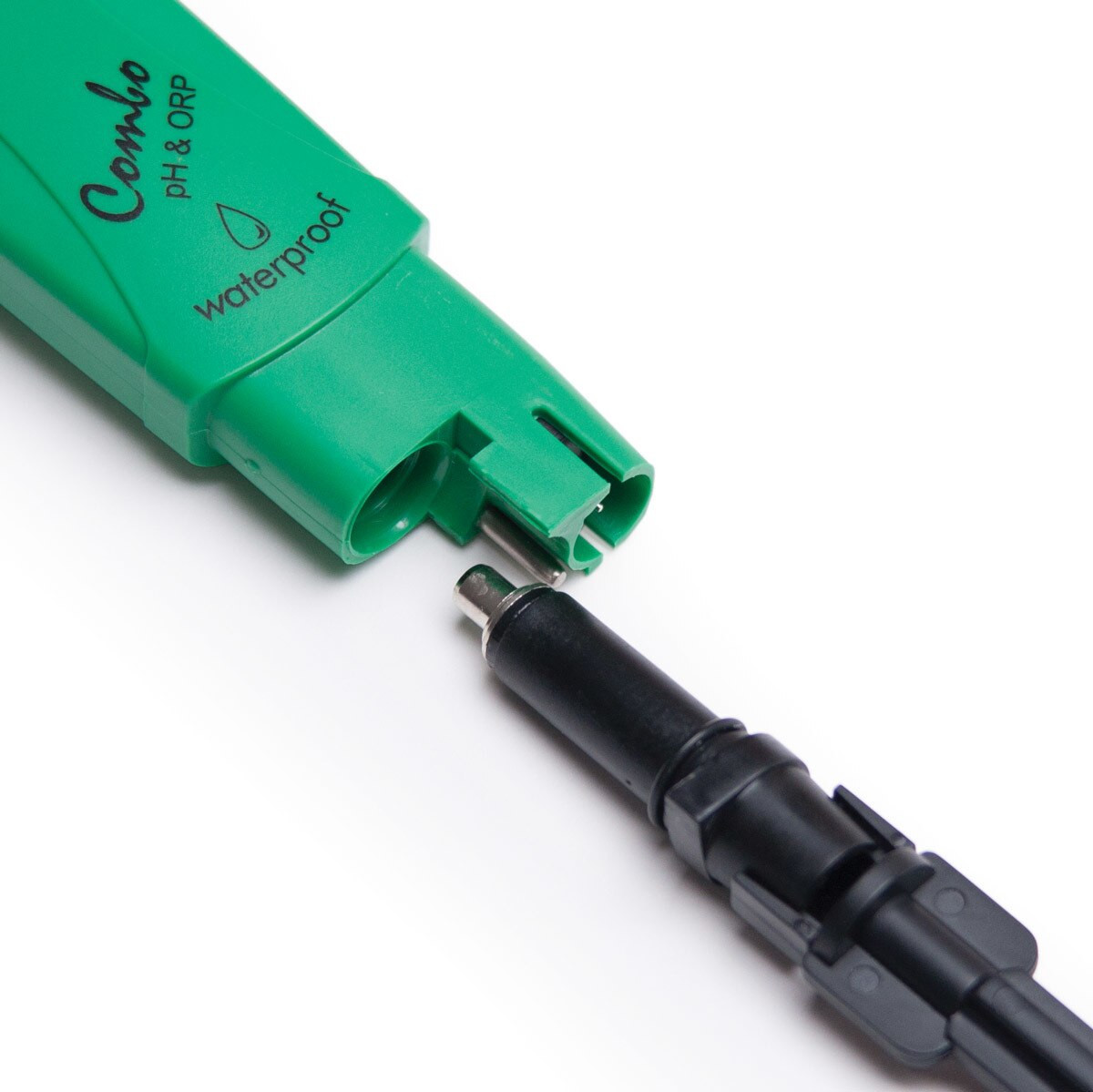
No permanent installation is normally required. Before testing, rinse the ORP electrode with clean water and inspect the sensing surface for contamination. Immerse the probe in the sample and allow the reading to stabilize before recording the result. For consistent field measurements, sampling methods should remain as similar as possible between different farm locations. Source water, treated water and drinking line endpoint samples can be compared as part of a routine monitoring program. After testing, rinse the electrode and store it according to the instrument manufacturer's recommendations. Periodic inspection of the electrode junction and sensing surface helps maintain stable response. Replaceable electrodes can be changed when performance deteriorates. |
||||||||||||||||||||||||||
| Commercial Farm Use |
On commercial poultry and pig farms, the Portable Drinking Water ORP Meter can be used to compare oxidation-reduction conditions at different points in the drinking water network, including source water, storage tanks, dosing stations, treatment equipment outlets and drinking line endpoints. This portable inspection method is particularly useful when checking chlorination, ozone treatment and other oxidation-based sanitation processes. Results can support technicians when evaluating changes in treatment performance or identifying sections of the water system that require further inspection. For new livestock equipment, pig farm construction or poultry steel structure building projects, portable ORP testing can also support commissioning of water treatment and drinking line systems before normal farm operation begins. |
||||||||||||||||||||||||||
| Product FAQ |
Q: What does an ORP meter measure? Q: Can ORP be used to monitor poultry drinking water disinfection? Q: Can the meter be used directly in poultry drinking water? Q: Does a higher ORP value always mean better drinking water? Q: Does the ORP electrode require maintenance? Q: Is this meter suitable for commercial farms? |
||||||||||||||||||||||||||
| Product Gallery |
|
- Home
-
Products
- Pig Farming Equipment
- Cattle Farming Equipment
- Sheep & Goat Farming Equipment
- Poultry Farming Equipment
- Feeding & Drinking Systems
- Veterinary & Breeding Equipment
- Testing & Diagnostic Equipment
- Cleaning & Biosecurity Equipment
- Climate Control Equipment
- Livestock Weighing Equipment
- Manure & Waste Management
- Farm Transport & Handling
-
Solutions
- Pig Farm Solutions
- Dairy Farm Solutions
- Beef Cattle Farm Solutions
- Sheep & Goat Farm Solutions
- Layer Farm Solutions
- Broiler Farm Solutions
- Feeding & Drinking System Solutions
- Climate Control Solutions
- Biosecurity & Disinfection Solutions
- Manure & Waste Management
- Smart Farming Solutions
- Farm Renovation and Upgrade Solutions
- Partners
- Projects
- Resources
- News
- About Us
- Contact

Comments & Inquiries
Leave your questions or requirements below. We will reply as soon as possible.