
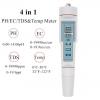
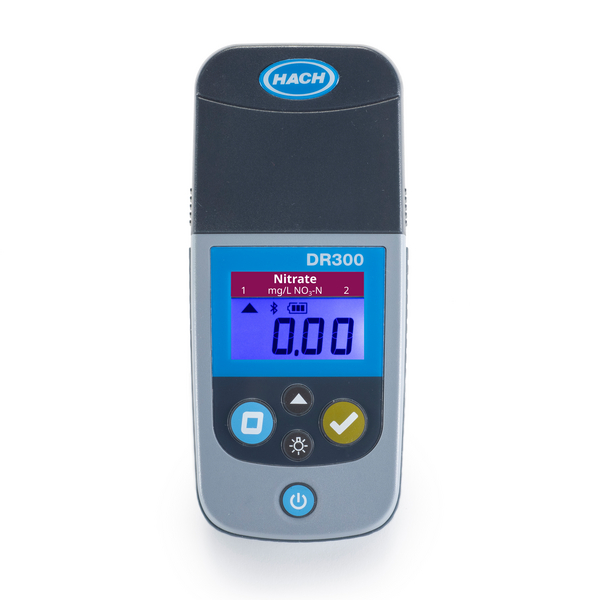
| Product Name | Portable Water EC/TDS Meter | ||||||||||||||||||||||||||||||||||||
| Product Image |  |
||||||||||||||||||||||||||||||||||||
| Product Overview |
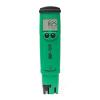
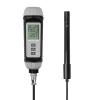
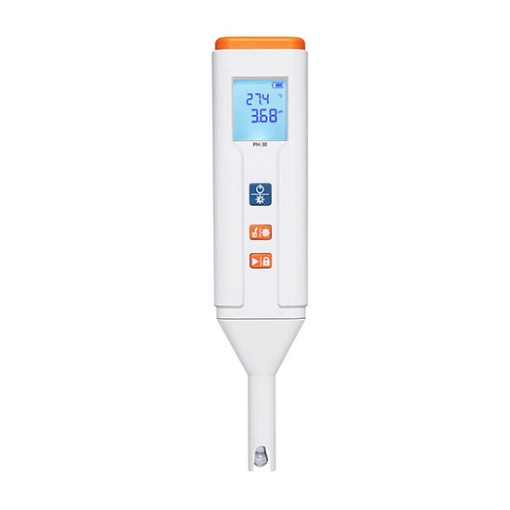
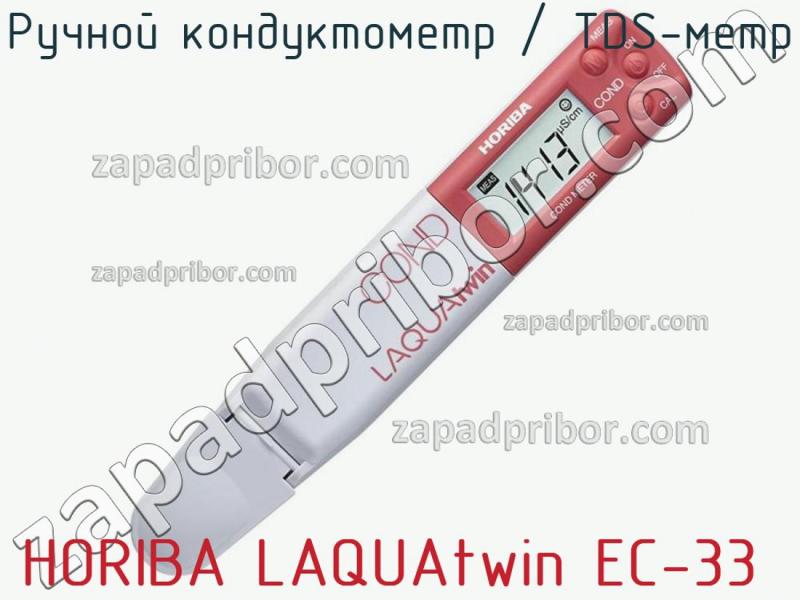
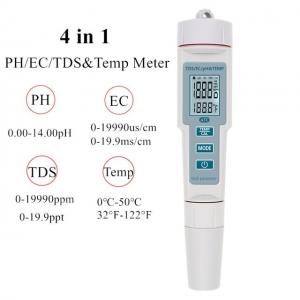
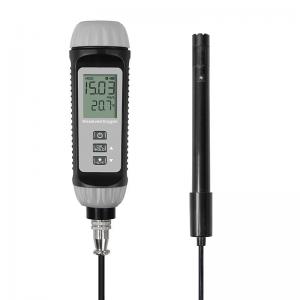
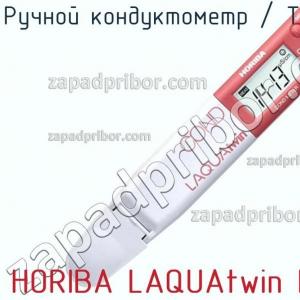
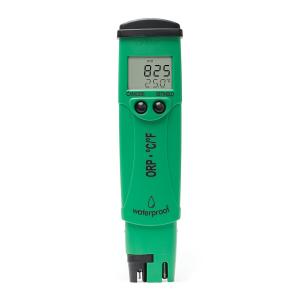
The Portable Water EC/TDS Meter is a compact digital water quality testing instrument designed for rapid measurement of electrical conductivity, total dissolved solids and temperature. It is suitable for on-site monitoring of drinking water in poultry farms, pig farms, cattle facilities and other commercial livestock operations. The portable meter enables farm managers and technicians to test water directly at source-water points, storage tanks, treatment equipment outlets and drinking line endpoints. Conductivity measurement provides a practical indication of dissolved ionic substances in water, while TDS values help users evaluate changes in dissolved mineral concentration. For commercial livestock equipment projects, portable EC/TDS testing can support routine water quality management, commissioning of drinking systems, water treatment adjustment and troubleshooting. Its compact design makes it convenient for technicians who need to inspect multiple livestock houses within the same farm. |
||||||||||||||||||||||||||||||||||||
| Key Features |
|
||||||||||||||||||||||||||||||||||||
| Structural Components |
The supplied accessories and sensor configuration can be selected according to purchasing and project requirements. |
||||||||||||||||||||||||||||||||||||
| Working Principle |
The meter measures electrical conductivity by detecting the ability of ions dissolved in a water sample to conduct electrical current. A small sample is placed on the conductivity sensor, and the instrument converts the electrical response into an EC reading. Total dissolved solids are estimated from the measured conductivity through a selected conversion factor or TDS curve. Because the relationship between conductivity and TDS varies with dissolved substances, the appropriate conversion setting should be selected according to the water testing program. Temperature affects conductivity measurements, so suitable portable meters use temperature compensation to normalize readings. This provides more consistent comparisons between samples collected from different locations or under changing farm conditions. |
||||||||||||||||||||||||||||||||||||
| Technical Specifications |
Note: The numerical values above refer to the referenced meter configuration and should not be regarded as fixed specifications for every supplied model. Final measuring range, accuracy, sensor type, accessories and battery configuration should be confirmed before ordering. |
||||||||||||||||||||||||||||||||||||
| Applications |
The meter can be included in livestock equipment packages for poultry facilities, pig farm construction and steel structure building projects where drinking water quality must be checked during commissioning and routine operation. |
||||||||||||||||||||||||||||||||||||
| Typical Testing Points |
Testing several locations can help farm technicians identify differences in conductivity or dissolved solids throughout the drinking water distribution system. |
||||||||||||||||||||||||||||||||||||
| Customization Options |
Testing equipment packages can be configured according to livestock species, farm size, water source conditions and routine water management requirements. |
||||||||||||||||||||||||||||||||||||
| Operation |
Testing procedures should follow the operating instructions supplied with the selected meter. |
||||||||||||||||||||||||||||||||||||
| Maintenance |
Regular cleaning and calibration are important for maintaining reliable conductivity measurements. The sensor should be rinsed after each test, particularly when measuring samples with high mineral content or water containing treatment chemicals. Do not allow heavy deposits to remain on the sensing area. Calibration standards should be clean and within their recommended storage conditions. Replace the conductivity sensor when measurement stability cannot be restored through normal cleaning and calibration. Store the meter in a clean, dry protective case when it is not being used. Battery condition should also be checked during routine farm equipment inspection. |
||||||||||||||||||||||||||||||||||||
| Commercial Farm Use |
Large poultry and pig farms often have several drinking water treatment stages between the raw water source and the animals. Portable EC/TDS measurement allows technicians to compare readings at multiple locations without transporting samples to a laboratory for every routine check. Changes in conductivity or TDS may indicate changes in source water conditions, mineral concentration or treatment processes. The instrument can therefore be used as a practical screening tool together with pH meters, ORP meters, disinfectant residual testers and laboratory water analysis. For new poultry houses, pig farm construction and steel structure building projects, portable water quality meters can also assist technicians during commissioning of drinking water pipelines and related livestock equipment. |
||||||||||||||||||||||||||||||||||||
| Product FAQ |
Q: What is the difference between EC and TDS? Q: Can this meter be used for poultry drinking water? Q: Can it be used on pig farms? Q: Does the meter require calibration? Q: Why should different points in the drinking system be tested? Q: Can EC/TDS testing identify bacteria in drinking water? Q: Does a high TDS reading automatically mean that the water is unsuitable? Q: Can the sensor be replaced? |
||||||||||||||||||||||||||||||||||||
| Product Gallery |
|
- Home
-
Products
- Pig Farming Equipment
- Cattle Farming Equipment
- Sheep & Goat Farming Equipment
- Poultry Farming Equipment
- Feeding & Drinking Systems
- Veterinary & Breeding Equipment
- Testing & Diagnostic Equipment
- Cleaning & Biosecurity Equipment
- Climate Control Equipment
- Livestock Weighing Equipment
- Manure & Waste Management
- Farm Transport & Handling
-
Solutions
- Pig Farm Solutions
- Dairy Farm Solutions
- Beef Cattle Farm Solutions
- Sheep & Goat Farm Solutions
- Layer Farm Solutions
- Broiler Farm Solutions
- Feeding & Drinking System Solutions
- Climate Control Solutions
- Biosecurity & Disinfection Solutions
- Manure & Waste Management
- Smart Farming Solutions
- Farm Renovation and Upgrade Solutions
- Partners
- Projects
- Resources
- News
- About Us
- Contact
Comments & Inquiries
Leave your questions or requirements below. We will reply as soon as possible.