
| Product Name | Portable Drinking Water Turbidity Meter | ||||||||||||||||||||||||||
| Product Image | 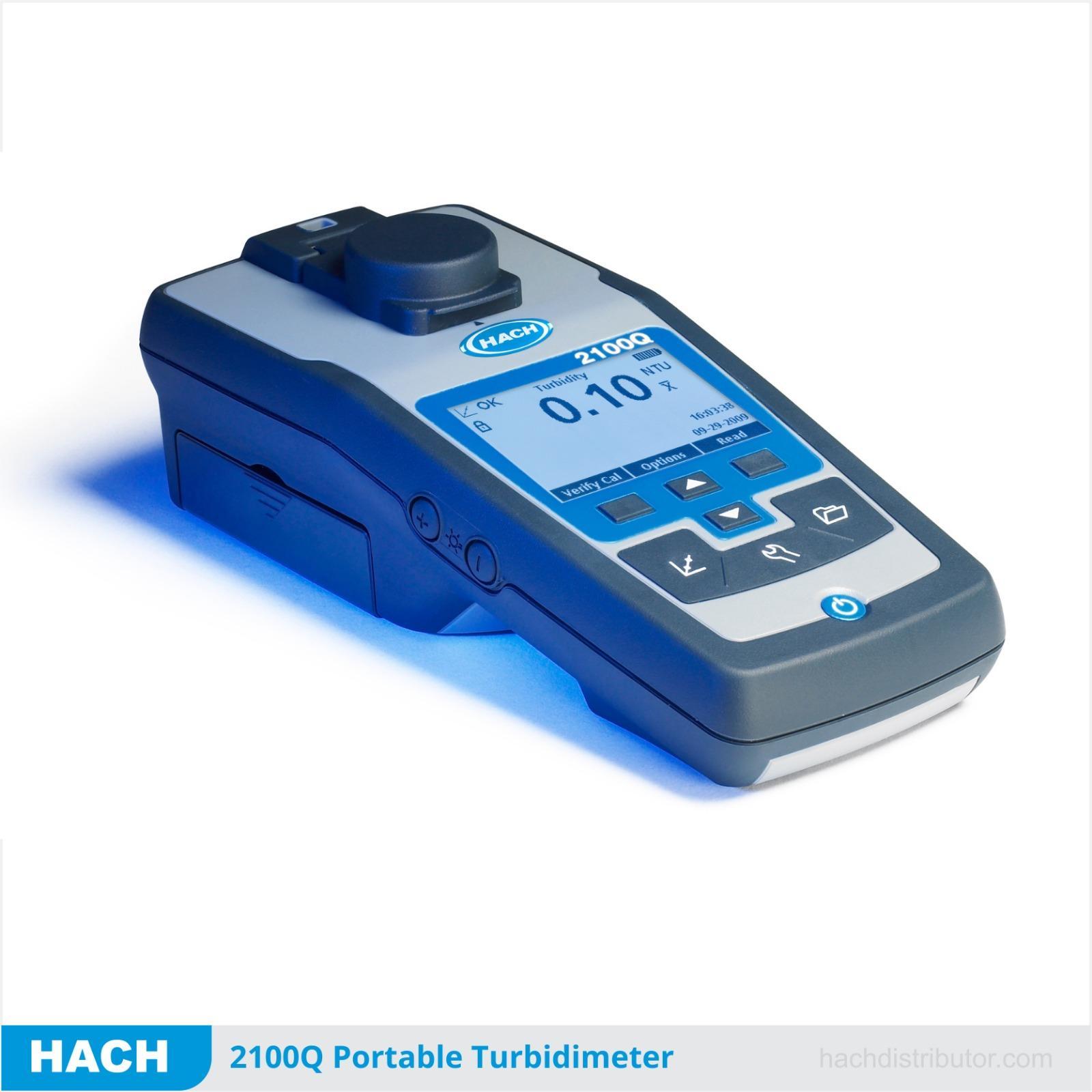 |
||||||||||||||||||||||||||
| Product Overview |
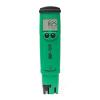
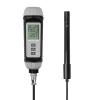
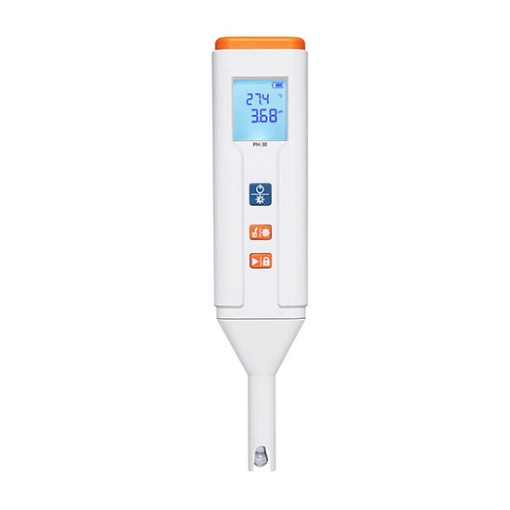
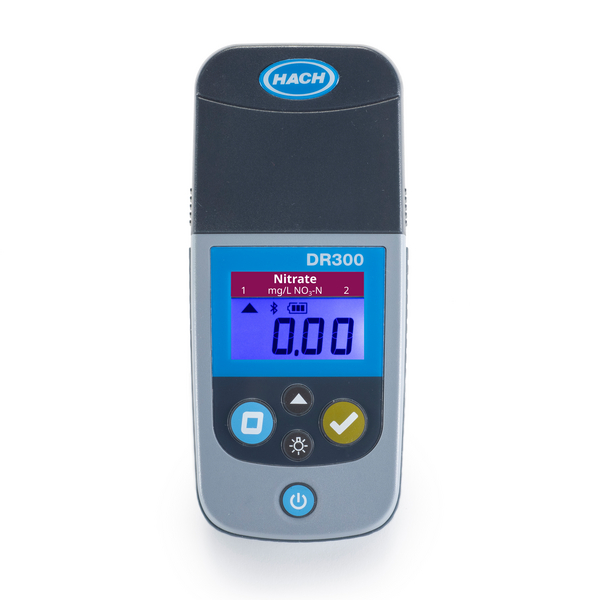
The Portable Drinking Water Turbidity Meter is designed for rapid field measurement of turbidity in poultry and livestock drinking water. It provides farm managers, technicians and project teams with a practical method for checking suspended particles and water clarity at source water points, storage tanks, treatment equipment and drinking line outlets. The instrument uses nephelometric turbidity measurement technology and reports results in Nephelometric Turbidity Units. A portable meter can be moved between multiple poultry houses, pig buildings and livestock water treatment stations, making it suitable for routine inspection and commissioning work. For commercial livestock equipment projects, turbidity testing can help evaluate source water conditions, verify filtration performance and identify changes that may affect downstream disinfection, dosing or drinking water management. |
||||||||||||||||||||||||||
| Key Features |
|
||||||||||||||||||||||||||
| Structural Components |
The supplied accessories and interface options may vary with the selected model and project requirements. |
||||||||||||||||||||||||||
| Working Principle |
The meter measures turbidity by directing a controlled light beam through a prepared water sample and detecting light scattered by suspended particles. The reference measurement system uses nephelometric light scattering to determine the turbidity value. The instrument processes the optical signals and converts them into a turbidity result displayed in NTU. Higher turbidity generally indicates a greater quantity of suspended or light-scattering material in the sample. For livestock drinking water management, samples can be taken from incoming water sources, filtration outlets, storage tanks, treatment stations and drinking line endpoints to compare water conditions throughout the farm distribution network. |
||||||||||||||||||||||||||
| Technical Specifications |
Note: Numerical values are based on the referenced portable turbidity meter configuration. Final specifications, accessories, interfaces and compliance requirements should be confirmed according to the selected product model. |
||||||||||||||||||||||||||
| Applications |
The meter can be used as part of livestock equipment commissioning and maintenance programs in poultry projects, pig farm construction and steel structure building facilities where drinking water quality must be checked at multiple points. |
||||||||||||||||||||||||||
| Customization Options |
Product configuration can be selected according to testing frequency, farm operating environment, regional standards and project requirements. |
||||||||||||||||||||||||||
| Installation & Maintenance |
No fixed installation is normally required. The portable instrument can be carried directly to the required water sampling location. For testing, collect a representative water sample in a clean sample cell and avoid introducing fingerprints, bubbles or external contamination that could affect optical measurement. The outside of the sample cell should be clean before it is placed in the measurement chamber. Calibration and verification should be performed with suitable turbidity standards according to the instrument instructions. Sample cells, optical surfaces and accessories should be kept clean and protected during storage and transport. Regular inspection of batteries, sample cells and calibration standards helps maintain dependable field operation. |
||||||||||||||||||||||||||
| Commercial Farm Use |
Large poultry and livestock farms often have several water treatment stages and long distribution networks. A portable turbidity meter allows technicians to compare readings from the raw water source, filtration outlet, storage tanks and drinking line endpoints without installing a permanent analyzer at every location. Turbidity measurements can also support troubleshooting when filters, dosing equipment or waterline disinfection systems do not perform as expected. Changes in turbidity may indicate that further inspection or laboratory water analysis is required. For new poultry houses, pig farm construction and steel structure building projects, portable testing equipment can support commissioning before livestock drinking systems enter regular operation. |
||||||||||||||||||||||||||
| Product FAQ |
Q: What does a portable turbidity meter measure? Q: Can it be used for poultry drinking water? Q: Why is turbidity important before water disinfection? Q: Does the meter require calibration? Q: Can the instrument store test results? Q: Is turbidity testing a complete drinking water analysis? |
||||||||||||||||||||||||||
| Product Gallery |
|
- Home
-
Products
- Pig Farming Equipment
- Cattle Farming Equipment
- Sheep & Goat Farming Equipment
- Poultry Farming Equipment
- Feeding & Drinking Systems
- Veterinary & Breeding Equipment
- Testing & Diagnostic Equipment
- Cleaning & Biosecurity Equipment
- Climate Control Equipment
- Livestock Weighing Equipment
- Manure & Waste Management
- Farm Transport & Handling
-
Solutions
- Pig Farm Solutions
- Dairy Farm Solutions
- Beef Cattle Farm Solutions
- Sheep & Goat Farm Solutions
- Layer Farm Solutions
- Broiler Farm Solutions
- Feeding & Drinking System Solutions
- Climate Control Solutions
- Biosecurity & Disinfection Solutions
- Manure & Waste Management
- Smart Farming Solutions
- Farm Renovation and Upgrade Solutions
- Partners
- Projects
- Resources
- News
- About Us
- Contact

Comments & Inquiries
Leave your questions or requirements below. We will reply as soon as possible.