

| Product Name | Wireless Poultry Waterline Flushing System | ||||||||||||||||||||||
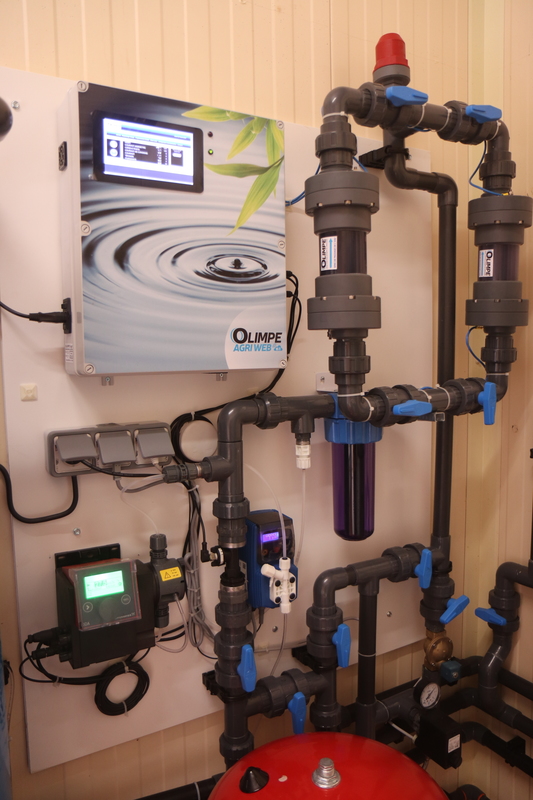
| Product Image | 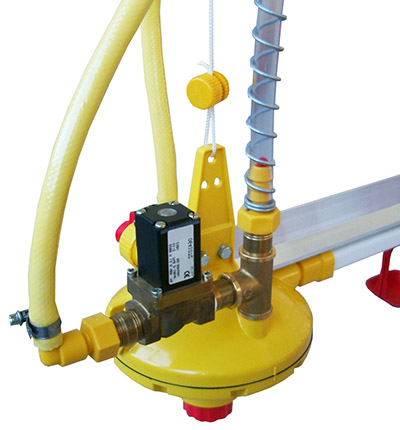 |
||||||||||||||||||||||
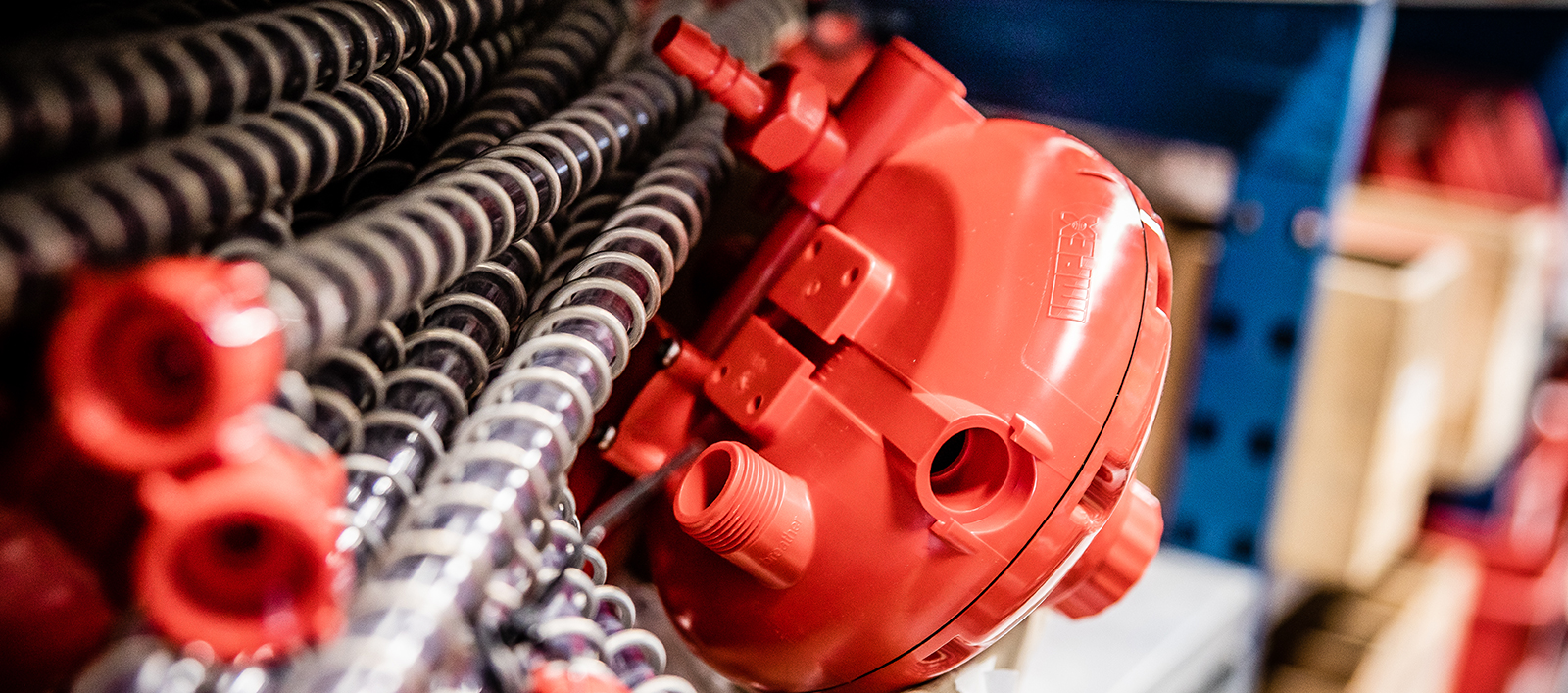
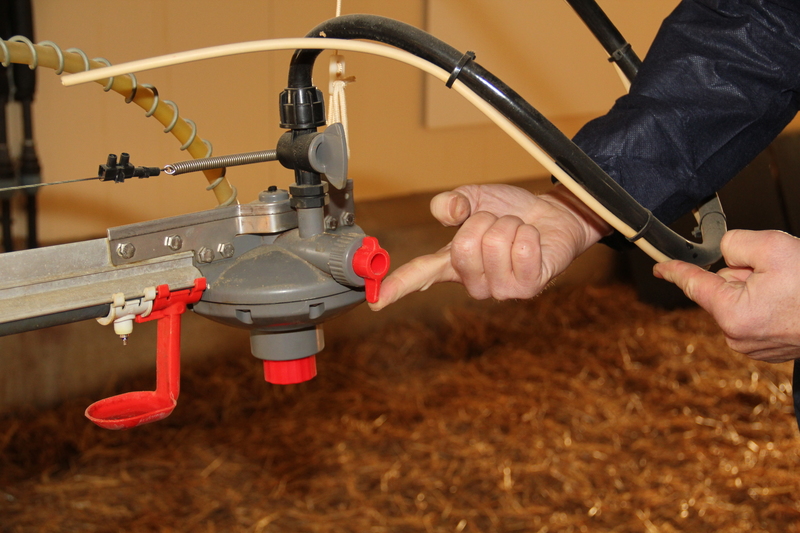
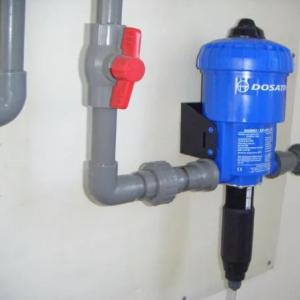
| Product Overview | The Wireless Poultry Waterline Flushing System is designed for automatic cleaning and flushing of nipple drinking lines in commercial poultry houses. It combines wireless control, programmable flushing schedules and electrically operated flushing valves to reduce routine manual operation and improve drinking system management. The system can automatically initiate flushing according to predetermined management programs. Flushing schedules can be planned according to factors such as poultry age, climate conditions, water quality, water treatment programs and medication periods. A wireless regulator unit can be installed at the drinking line head and communicate with a central wall unit. Battery-powered valve operation reduces the need for power wiring along individual drinking lines, making the system particularly suitable for new poultry projects as well as drinking-line upgrades in existing houses. |
||||||||||||||||||||||
| Key Features |
|
||||||||||||||||||||||
| Structural Components | A typical wireless poultry waterline flushing system may include:
|
||||||||||||||||||||||
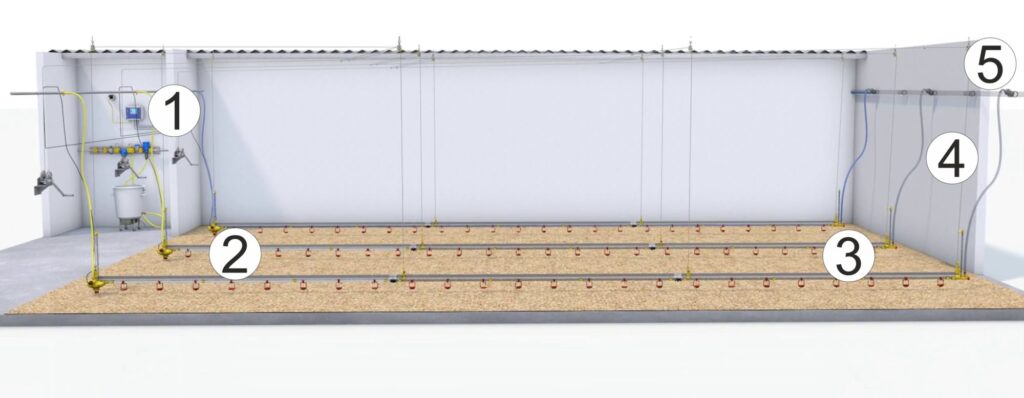
| Working Principle | During normal operation, the drinking line regulator maintains suitable water pressure for the nipple drinking system. When a programmed flushing cycle begins, the wireless control system sends a command to the selected regulator unit. The electric flushing valve then changes the water path so that higher-flow water is directed through the drinking line toward the line-end outlet. The increased water movement carries sediment, suspended particles and loose residues toward the discharge point. After the programmed flushing period is completed, the flushing valve returns to the normal drinking position and the line resumes standard pressure-regulated water delivery. Individual lines can be flushed sequentially to help maintain sufficient water flow and effective cleaning performance. |
||||||||||||||||||||||
| Technical Specifications |
|
||||||||||||||||||||||
| Applications |
|
||||||||||||||||||||||
| Customization Options |
|
||||||||||||||||||||||
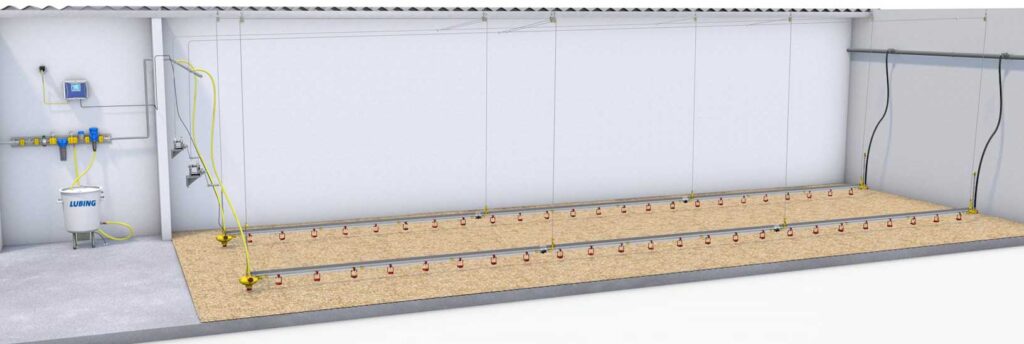
| Installation & Maintenance | Before installation, confirm the number of drinking lines, regulator type, water supply capacity, line length and flushing discharge arrangement. Each regulator unit should be installed at the corresponding drinking line head according to the system layout. Wireless units should be positioned within the communication range specified for the selected controller. Electric valves, batteries and water connections should be installed where they remain accessible for inspection and maintenance. After installation, each drinking line should be tested individually. Verify normal drinking pressure, flushing valve operation, wireless communication and adequate discharge from the line end before programming the complete flushing schedule. Routine maintenance should include checking batteries, electric valves, regulators, line-end outlets and wireless communication. Drinking lines should also be flushed after appropriate water treatments or medication procedures and according to the farm's hygiene management program. |
||||||||||||||||||||||
| Project Cases | Wireless flushing systems are suitable for commercial poultry farms with multiple nipple drinking lines where frequent manual flushing requires significant labor. In a multi-line poultry house, individual regulator and flushing units can be installed at each drinking line while a central controller manages the programmed flushing sequence. This arrangement allows drinking lines to be cleaned systematically without installing extensive control wiring throughout the poultry house. For new steel structure poultry buildings, the flushing system can be planned together with water filters, pressure regulators, medication equipment, nipple drinking lines and drainage facilities. Retrofit configurations can also be prepared for compatible existing drinking systems. |
||||||||||||||||||||||
| Product FAQ | Q: What is the main purpose of a wireless waterline flushing system? A: It automatically flushes poultry nipple drinking lines to remove loose sediment and residues while reducing the need for workers to manually operate each line. Q: Can flushing schedules be programmed automatically? A: Yes. Flushing programs can be prepared according to management requirements such as bird age, climate, water quality, medication periods and water treatment procedures. Q: Does each regulator unit require electrical wiring? A: Battery-powered wireless configurations are available, allowing the regulator unit to operate its electric flushing valve without a separate mains power connection at each drinking line. Q: Can the flushing system be controlled from a mobile device? A: Yes. Compatible wireless configurations can be programmed and managed through a mobile application. Q: Can the system be installed on an existing poultry drinking line? A: Yes. Retrofit configurations are possible when the existing line-head regulator, pipe arrangement and water supply are compatible. Q: Can multiple drinking lines be flushed? A: Yes. The system can be configured for multiple drinking lines. Sequential flushing is commonly used to maintain sufficient water flow through each line during cleaning. |
||||||||||||||||||||||
| Product Gallery | 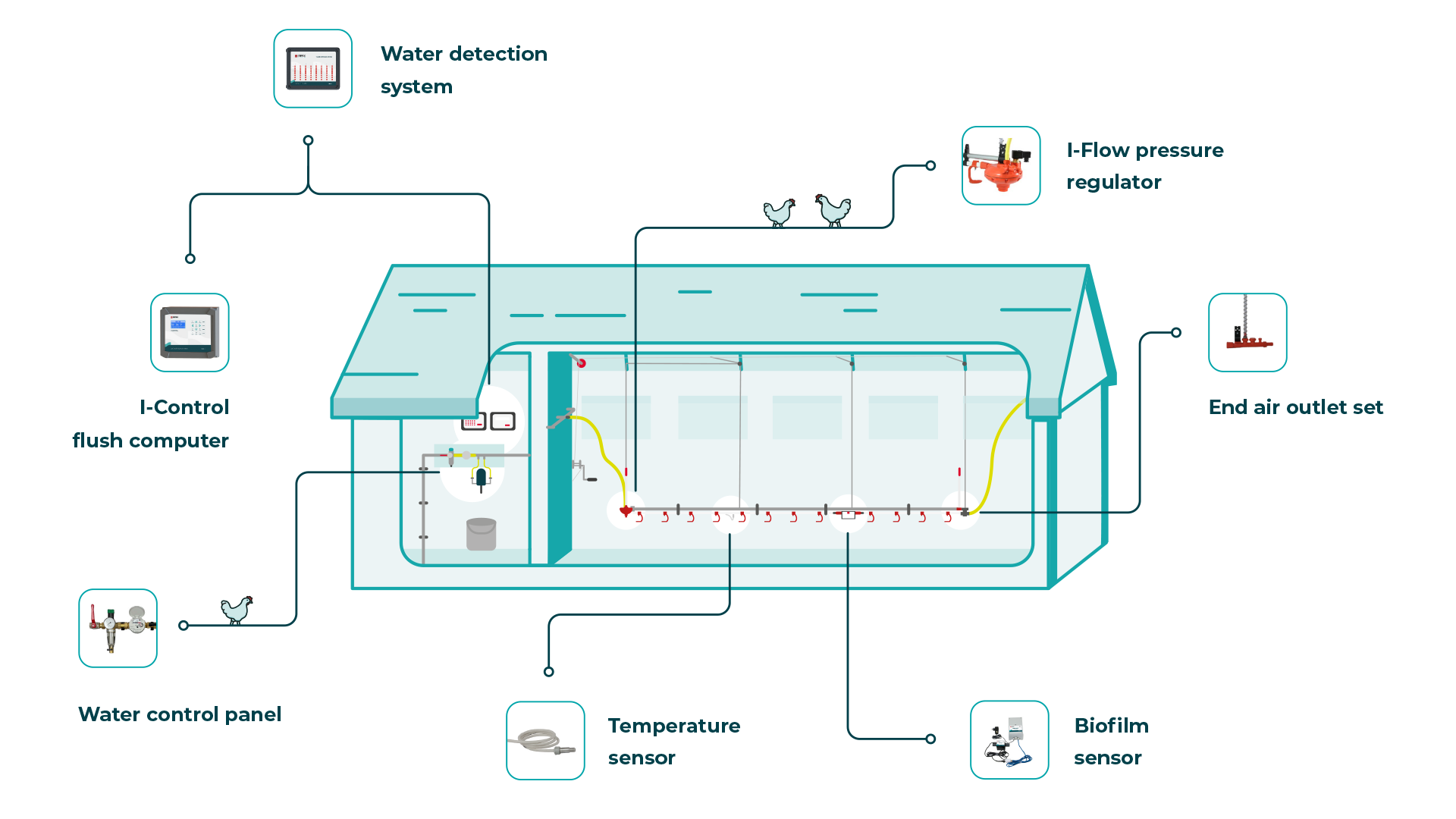 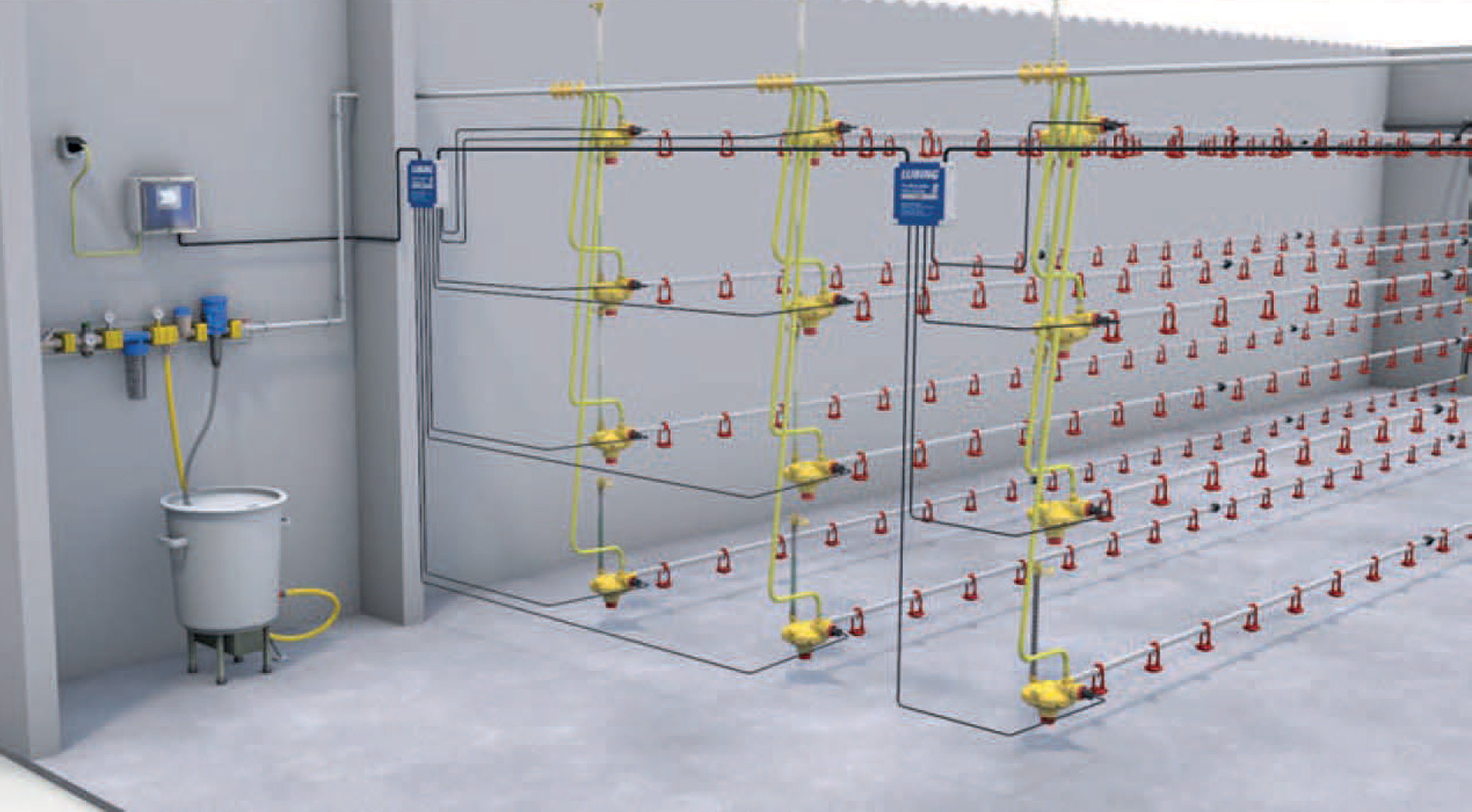 |
- Home
-
Products
- Pig Farming Equipment
- Cattle Farming Equipment
- Sheep & Goat Farming Equipment
- Poultry Farming Equipment
- Feeding & Drinking Systems
- Veterinary & Breeding Equipment
- Testing & Diagnostic Equipment
- Cleaning & Biosecurity Equipment
- Climate Control Equipment
- Livestock Weighing Equipment
- Manure & Waste Management
- Farm Transport & Handling
-
Solutions
- Pig Farm Solutions
- Dairy Farm Solutions
- Beef Cattle Farm Solutions
- Sheep & Goat Farm Solutions
- Layer Farm Solutions
- Broiler Farm Solutions
- Feeding & Drinking System Solutions
- Climate Control Solutions
- Biosecurity & Disinfection Solutions
- Manure & Waste Management
- Smart Farming Solutions
- Farm Renovation and Upgrade Solutions
- Partners
- Projects
- Resources
- News
- About Us
- Contact

Comments & Inquiries
Leave your questions or requirements below. We will reply as soon as possible.